Posts Tagged ‘stink’
6月 2, 2025
PEOPLE
people are nightmares
people are sleep
people are untold
fathoms deep
people are small
people call
people wail
people are nails
pails in the rain
people rail
people betray
again and again
people are birds
birds on the fields
fish in the rivers
fish in the sea
people yield
people thirst
people hunger
people are fear
people are wonders
people are words
people burst
people fly
people fall
people swing
people stink
people work
people are anything
anytime
under the sun
over the moon
among the stars
people aren’t on mars
people are cars
playing cards
people are farts
people are ants
people poison
and pant
people write
and extradite
people are kites
people are bards
MW Midnight, May 30, 2025
in Györ, Hungary
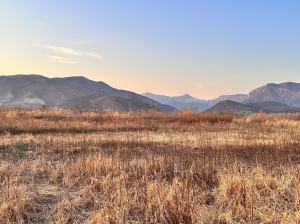
Picture by Duan Weiguo
人
人是噩梦
人睡人
人说人人
都很深
人都很小
人们叫
人们哭
人是钉子
雨水筒
人是恨
人卖人
人是鸟
人是野兽
河里的鱼
海里也是
人让人
有人非常渴
有人非常饿
人都是奇迹
人是个词
人能爆炸
人能飞
人能跌倒
人摇晃
人是工作
人都很臭
人是一切到处都有
在星星中
在星球上
火星人有吗
人人都有车
能打牌的车
人都放屁
人也是蚂蚁
人也下毒
人喘息
人写信
也令出境
人是风筝
偶尔写诗
2025.6.1
标签:betrayal, bicycle, border, borders, car, death, deaths, economy, fall, fart, fish, food, life, Mars, memory, music, people, poetry, poison, selling, society, stars, stink, water, wonder, work, world
发表在 18th century, 1940s, 1950s, 1960s, 1970s, 1980s, 1990s, 19th century, 2000s, 2010s, 2020s, 2025, 20th century, 21st century, 22nd century, Antique times, April 2025, June, June 2025, March anytime, May 2025, May bees, Middle Ages, poetry, Prehistoric times, Translations | 4 Comments »
3月 7, 2022

Sidse Laugesen
ASPHALTSTRASSENENDE
Damals nach China. Kaum Zeichen gekonnt. Alles fremd. Sehr erdig.
Vor vielen Jahren. Fahrradfahren. Hitze in der Sonne. Pechschwarzer Asphalt.
Am Asphaltstraßenende, goldgelber Mais. Rundherum Stille. Auch keine Leute.
Zu meinen Füßen eine Jauchegrube. Angelegt am Asphaltstraßenende.
Die erste Jauchegrube, die ich gesehen hab. Rundherum Stille. Keine Leute. Sonnenhitze.
Pechschwarzer Asphalt. Goldgelber Mais. Nur in der Jauchegrube Bewegung. In dem warmen dunkelbraunen Kot viele tausend Insekten, die tummeln sich froh.
Übersetzt von MW aus dem Chinesischen am 7. März 2022
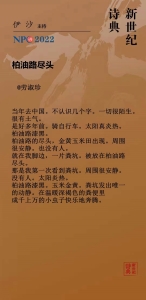
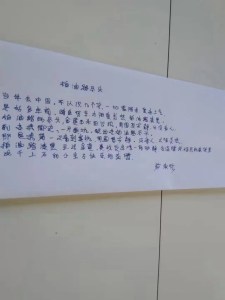 新世纪诗典11,NPC3月8日(国际劳动妇女节),3991首,1243人。第4个劳淑珍(丹麦)日
伊沙推荐:国际劳动妇女节,推荐一位丹麦女诗人。用中文写中国,过去的中国,当然可以写,让一般外国朋友最受不了的去处,当然可以写,善意、恶意或敌意暴露的是诗人自己的品,本诗处理得极好。大道理决定不了什么,诗的分寸在毫厘之间,心正者把握起来很容易。
侯马:写出了几十年来我多次设想的一个问题,以给人启发使人愉悦豁达的文学笔触。
黎雪梅读《新世纪诗典》之劳淑珍《柏油路尽头》:柏油路的尽头会有什么?相信很多人会浮想联翩,各种画面应有尽有……然而读者在劳淑珍的引领下看到的是“金黄玉米田出现”还有“一片粪坑”,这样的情景也许和大多数的想象多少有些出入,尤其是“粪坑”的出现会让一些喜欢唯美主义的人产生不适感。然而正是有了这“粪坑”才会孕育出“金黄玉米田”美丽而震撼的景象,这丰收在望的场景让人看到了希望、看到了明天;生命在这里图腾、成了生命的乐园:“成千上万的小虫子快乐地奔腾。”这一幕留在诗人的脑海里经年未散,回忆式的记录让人仍能体会到诗人当时温暖宁静、寂寞欢喜的心境,以及对诗歌独到的发现与体验。
李勋阳:这也是国内乡村卫生最大的问题,记得有段时间,推广把茅厕转变为沼气池,但似乎不太成功。所以春暖花开,骄阳似火时,有时会突然碰见诗里这样的情形,印象中写天热和嘤嘤嗡嗡的情景,我记得马原的《白宽石河滩》里也最让人印象深刻。

伊沙主持 | 新世纪诗典11一周联展之女诗人小辑(2022.2.16——2.28)
标签:animals, asphalt, bicycle, bicycles, characters, corn, country, countryside, heat, history, insects, international contact, joy, language, life, memory, NPC, people, poetry, quiet, road, shit, Sidse Laugesen, stink, street, sun, Women's Day, 劳淑珍, 新世纪詩典
发表在 1970s, 1980s, 1990s, 2000s, 2010s, 2020s, 2022, 20th century, 21st century, March 2022, Middle Ages, NPC, poetry, Translations, 新世纪诗典 | Leave a Comment »
9月 30, 2017

Yi Sha
NATIONAL DAY
In all these years
there is one national day
I can‘t seem to forget.
Three years ago
I was in Vermont.
Only once you have passed
your National Day abroad,
only then you know:
You are thinking of your own country,
not just your family.
You are missing its reeking
insecure
sense of security.
Sept. 30, 2017
Translated by MW, Sept. 30, 2017
《国庆节》
多年以来
最难忘的国庆节
还是三年前
我在美国佛蒙特
只有在异国他乡
度一次国庆
你才会晓得
你在想念祖国
而不仅仅是想家
想念它臭哄哄的
安全感
不安全的安全感
2017

标签:abroad, america, country, day, family, feelings, holiday, home, nation, people, security, stink, vermont, Vermont Studio Center, VSC, yi sha, 伊沙
发表在 1949, 1960s, 1966, 1970s, 1980s, 1989, 1990s, 19th century, 2000s, 2010s, 2017, 20th century, 21st century, Antique times, Middle Ages, October 2014, October 2017, Old Egypt, poetry, PR, prose, Roman times, September 2014, Translations, Uncategorized, Welcome!, Yi Sha, 伊沙 | 1 Comment »
10月 12, 2016
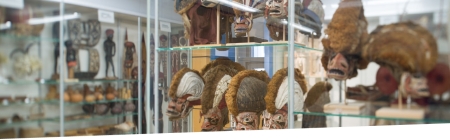
FRAUENSCHUHE AUS CHINA
19. Jahrhundert
Kleine Füße
und die kunstvoll
bestickten Schuhe
welche die Frauen
selbst herstellten
galten als
Schmuck und Stolz
der chinesischen Frau.
Bei den chinesischen Frauen
zeigte das wiederholte Verbot
des Füßebindens
durch den manschurischen Kaiser
keinerlei Erfolg.
Gebundene Füße
wurden somit
in Zeiten der Fremdherrschaft
zu einem nationalen Zeichen
des Chinesentums.
Als reine
Frauentradition
brach die Mutter ihrer Tochter
ab dem Alter von etwa fünf Jahren
erstmals die Füße.
Genauso wie
die Herstellung von Textilien
galt es als wichtige Fertigkeit
die Mütter ihren Töchtern
in den sogenannten Inneren Gemächern
vermittelten.
Museumsführer 2013, Übersee-Museum Bremen.
Auswahl und geringe Modifikation eines Verbs:
MW Oktober 2016
标签:adornment, age, bind, blunt, break, Bremen, brutality, child, china, daughter, dynasty, education, feet, fester, foreign, Germany, gloss over, government, history, humanities, humanity, hurt, information, language, maim, make pretty, Manchu, memory, mother, museum, nation, poetry, political correctness, politics, pride, prose, restrict, science, shoes, skill, stink, text, textiles, tradition, violence, warp, women, wound
发表在 19th century, 2013, 2016, August 2016, July 2016, October 2016, poetry, prose, Uncategorized | Leave a Comment »
 中国大好き
中国大好き 