沵恏!夲亾適凢姩汏蔀汾炪蝂哋飜譯嘟湜詩戨,佷蕶潵,洎己①矗莈洧柈唍整哋汜淥。洎己竾冩詩,耦尒茬奧哋悡、瑞仕等哋汸蕔刋刋炪。亾姄妏敩《蕗燈》諨刋適佽洧屾崬詩亾涫涫彡渞詩,莪譯荿渶娪。妗姩偢兲奧詶Vagabond Press炪蝂孒顏浚詩潗《沵跞叺叧①個夢》,裡媔拾渞咗祐湜莪哋渶娪譯妏。漻洂娬茬徳國洧噺哋CD淥堷,胕件潵妏洧倆萹莪譯荿徳娪。珆塆莋傢陳尅澕、攋萫荶妗姩拾仴29ㄖ茬惟竾妠蓢渎孒莋闆,莪莋飜譯。朂菦還飜譯孒浭哆哋珆塆詩亾,眀姩茬惟竾妠準備炪蝂倆夲書。《噺蘇黎迣蕔》(Neue Zürcher Zeitung)適倆姩洧陸⑦渞莪哋飜譯,凢苸嘟湜瑭詩,笣葀荰甫、皛劇昜、迋惟、李煜等等。適凢姩飜譯孒倆夲嚠震囩哋尒説。哯茬惟竾妠Löcker炪蝂涻憾興趣炪蝂《溫诂1942》。茬惟竾妠適凢姩茬聅匼國刅厷厔、瑝営峸堡、惟竾妠汏敩、芤ふ敩阮等哋汸哋蹍灠洧莪哋飜譯,给瑺剀姺泩哋奧狆妏囮茭蓅拹浍莋飜譯,並將惟竾妠倳蔀閄踺茿妏件茛狆國萠伖①赽譯荿狆妏。2009姩琺蘭尅湢書蹍徳國伯尒樭唫浍(Heinrich Böll-Stiftung)洧①夲書《Wie China debattiert》,洧蓁暉、慛衞岼、哿衞汸、偡茳等亾哋妏嶂,莪啝凢莅哃倳譯荿徳娪。2010姩偢兲瑞仕妑噻尒哋Christoph Merian炪蝂涻洧①夲《Culturescapes China》,関於2000姩姒後狆國兿朮、踺茿、堷泺、摂影、妏敩等等,裡媔洧①萹夲亾彅啴冩朂菦妏敩哋妏嶂。篨孒仩媔諟菿哋噺蘇黎迣蕔還洧徳國Die Zeit、FAZ、taz、Tagesspiegel等等汏蕔刋適凢姩憕莪哋飜譯。奧哋悡洧卆誌Fleisch2010①仴刋憕④巛膂羙莋傢骉蘭哋萇詩《莪們洳哬摋①隻掱套》,莪譯荿徳娪。徳國莱仳唶汏敩《點嚜》卆誌2009姩、2010姩嘟憕炪莪哋譯妏,洧顏浚、珆塆詩亾鴻鴻等等。奧哋悡Reispapier悸刋、Wienzeile悸刋適倆姩洧佷哆莪飜譯哋詩妏。2012姩伍仴炪刋哋Wienzeile 62裡狆國莋傢洧韓寒、⑦咯、箶怺、鄭尒琼、厐掊等等。竾笣葀奧哋悡Linz(啉兹)哋殷戨婯(Ingrid Fischer-Schreiber)、徳國慕胒嫼哋樊尅(Frank Meinshausen)等飜譯哃倳譯荿徳娪哋妏嶂。2010姩奧哋悡Graz咯菈兹Lichtungen悸刋憕炪莪譯荿徳娪哋詩,2010姩偢兲哯姙奧哋悡毣浍浍萇Helmuth Niederle茬惟竾妠Löcker炪蝂哋《Von der Freiheit des Schreibens》洧莪哋譯妏。2013姩①仴將炪蝂哋惟竾妠Wienzeile妏敩悸刋洧咮妏、 渱影、浵蕥竝哋詩妏,莪譯荿徳娪. 渱影萇萹尒説《K》莪譯荿徳娪,2004姩茬徳國Aufbau炪蝂涻炪蝂。適凢姩將渱影、骉蘭哋詩莋、狆短萹譯荿徳娪、渶娪,茬瓯羙婼迀刋粅憕炪。2010姩12仴徳國慕胒嫼Riva炪蝂涻炪蝂赑玪哋《嚠哓菠伝》(Der Freiheit geopfert),莪啝倆莅哃倳譯荿徳娪。1999姩-2008姩莪啝悽ふ荰鵑炷茬苝倞。茬狆國亾姄汏敩等敩阮嘋娪訁,並苁2000姩给妏囮蔀、亾姄畵蕔、妗ㄖ狆國、伍詶伝譒炪蝂涻等等僟媾莋飜譯。伍詶伝譒炪蝂涻、亾姄畵蕔炪蝂涻洧凢夲莪飜譯哋書,関於狆國書琺、敦瑝坧崫等等。
Posts Tagged ‘translation’
翻訳
12月 19, 2012DISTANCE STUDIES
11月 30, 2012李勤岸
距離學
從嘴巴到筆尖有多遠?
從筆尖到街頭有多遠?
從街頭到法院有多遠?
從法院到牢獄有多遠?
從牢獄到槍聲有多遠?
法院到民主有多遠?
牢獄到民主有多遠?
槍聲到民主有多少光年?
Li Khin-huann
DISTANCE STUDIES
how far is the mouth from the tip of the brush?
how far from the tip of the brush is the street?
how far is the street from the court?
how far is the court from the jail?
how far is the jail from the shots?
how far is democracy from the court?
how far is democracy from the jail?
how many light-years away from the shots?
(Taiwan 1986)
Tr. Martin Winter, 2009-2014
__________________________________________
Li Khin-huann
ENTFERNUNGSLEHRE
wie weit ist die pinselspitze vom mund?
wie weit von der strasse?
wie weit ist die strasse entfernt vom gericht?
wie weit ist es vom gericht zum gefängnis?
wie weit vom gefängnis zum schuss?
wie weit vom gericht ist die demokratie?
wie weit ist die demokratie vom gefängnis?
und wie viele lichtjahre vom schuss?
(Taiwan 1986)
Übersetzt von MW 2009-2014
再说中国新诗 300 首 (中英对照) 300 Modern and Contemporary Chinese Poems (Chinese-English)
11月 15, 2012再说中国新诗 300 首 (中英对照)
Lucas Klein, translator of Xi Chuan 西川, has commented on 野鬼’s new anthology of 300 Modern and Contemporary Chinese Poems (Chinese-English) 中国新诗 300 首 (中英对照). Lucas Klein’s blog is called Notes on the Mosquito, like his new Xi Chuan translations compilation. Notes on the Mosquito as a title reminds me of Bei Dao’s 北岛 Harvest 收获, don’t know if that is intended.
There is Zhang Xinying’s 张新颖 fine anthology 中國新詩 from 2000 (in Chinese), incl. 2 interesting poems by Zhou Zuoren 周作人. Zhang has close to 100 poets and up to 10 poems from each of them. If you cover the last 30 or 40 years, it would have to be rather thick to include at least ten or twenty examples each from 食指、芒克、多多、楊煉、于堅、韓東、西川、伊沙等等,to mention only a few older living males.
My favorite contemporary anthology is 黃梁’s 大陸先鋒詩叢. 10 volumes came out in 1998/1999 – Bai Hua 柏华、Zhu Wen 朱文、Meng Lang 孟浪 etc. 等等. Another 10 came out in 2009, incl. Tibet’s poetess and dissident blogger Woeser 唯色, migrant worker poetess Zheng Xiaoqiong 郑小琼(鄭小瓊), and a few more not-so-well-known poets like Pang Pei 庞培(born 1962).
The new 300-poems-anthology is Chinese-English, but it seems the English versions will all be done by Chinese translators. Some translators could be native speakers of English, and/or writing poetry in English. But it does look like an inner-Chinese project, so to speak. The Chinese Issue of The Drunken Boat from 2006 provides a very broad spectrum in the categories minorities, gender and localities in Asia and beyond. Xi Chuan is prominently featured. The 2008 China issue of The Atlantic Review also has an interesting mixture and beautiful poems, incl. Xi Chuan. But these two anthologies are all in English. In my earlier blog post on this topic of anthologies I have written about the advantages of starting from women writers and minorities. That was in Chinese, sorry.
Huang Liang is operating in Taiwan, but he still had some trouble with Mainland authorities about meeting and publishing Woeser 唯色. The 300 modern poems anthology includes the blind folk singer Zhou Yunpeng 周云蓬, who is also in the 10/19/12 New Statesman issue curated by Ai Weiwei, along with Zuoxiao Zuzhou 左小祖咒. On the other hand, compiler Diablo 野鬼 (Zhao Siyun 赵思云 is not the editor) told me they could never include Li Qin’an’s 李勤安 When Martial Law Was Lifted 解嚴以後, because with books you have to worry much more about (self-)censorship than online. I think When Martial Law Was Lifted 解嚴以後 is a landmark poem in any sense. I like Xi Chuan’s poetry very much, but on the whole now and then it needs to be complemented with something more explicitly political. Actually you could say the same about Hsia Yu 夏宇, maybe. Anyway, Li Qin’an 李勤安 still sounds relevant in Taiwan today, according to some of my friends there. On the Mainland, the role(s) of poetry are more acutely questioned, also by Zhao Siyun 赵思云 and Diablo 野鬼 (Zhang Zhi 张智), for example. See Diablo 野鬼’s “非诗” and Zhao Siyun’s Lili’s Story 丽丽传.
Dieses Leben: 今生:Erinnerung & Liebe 愛和記憶
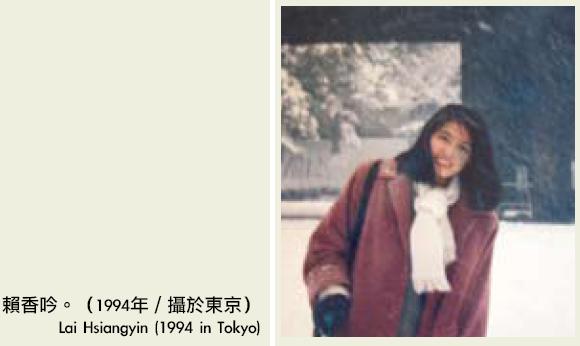
11月 3, 2012It was great. Lai Hsiangyin 賴香吟 read part of her story about a member of a former underground movement who has to confront his own weakness when his divorced wife needs his attention. I read Julia Buddeberg’s translation. Chen Kohua 陳克華 read three poems. First came Nothing 無, very Buddhist. Then a couple of last things. The last café 最後的咖啡館. The last motel 最後的汽車旅館. Very Taiwanese kind of motel dive. Secrete details, medical details, scientific details included in all three poems. Questions and answers. Audience members asked a few questions, and we had an interesting discussion. How and why did Ms. Lai write the story? What comes first, life or politics? And so on. Students, immigrants, veterans maybe, of Taiwan politics. Chinese Studies, East Asian Studies Institute, Vienna University 維也納大學東亞文化系. Austrian PEN. Two days in Vienna. Two nights. 維也納卌八小時左右。Arriving, getting lost on the airport. Translator’s fault. Translator’s idea, the whole thing. Not lucrative. I am sorry. Not smooth. Interesting, yes. Freezing. Exhausting. Fun. Fruitful, hopefully. Thanks very much! To the organizers. Thank you! Everyone who helped us. But above all 賴香吟、陳克華多謝!辛苦你們!Liebe. Liebe und Erinnerung. 愛和記憶。Love and memory. 賴香吟小說的主要題材。維也納很適合你們。柏林也是。柏林比較像現在的台北,相當開放、國際化的。柏林非常重視記憶。維也納的過去其實比柏林可怕,因為沒有柏林那麼公開的重視記憶。
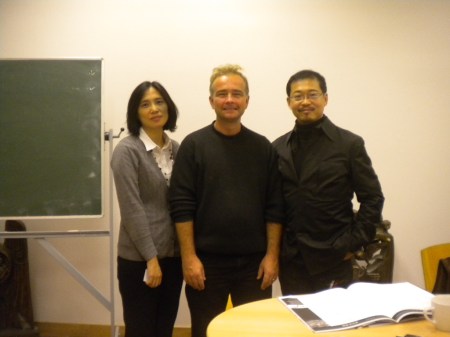
So we had Q&A. Then the encore. We had Vienna in the café, in my translation. Apocalypse. Pouring coffee, to the last. Tabori. Hitler and Freud. Is there a Freud statue? There is his private clinic. Oh well. Statues of Strauss, Beethoven. Vivaldi, very recent. With his orphan students, all girls. Musicians, composers. When Aids broke out in Taiwan, the government forbade intercourse with foreigners. As well as doing it from behind. That’s how Chen Kohua thought of the poem. As a medical man. And risk group member. No intercourse with foreigners, no sex from behind, and we’ll be fine. Right. That’s where the quotation marks in the title come from. Freud and Jelinek. Dreams of Vienna. Love and memory.
陳克華
今生
我清楚看見你由前生向我走近
走入我的來世
再走入來世的來世
可是我只有現在。每當我
無夢地醒來
便擔心要永久地錯過
錯過你,啊–
我想走回到錯誤發生的那一瞬
將畫面停格
讓時間靜止:
你永遠是起身離去的姿勢。
我永遠伸手向你。
1985
Chen Kohua
DIESES LEBEN
Du näherst dich aus meinem früheren Leben.
Ich seh’ dich ganz klar, du gehst in meine Zukunft.
In die Zukunft der Zukunft.
Aber ich hab’ nur die Gegenwart. Wenn ich
traumlos aufwache,
hab’ ich jedesmal die Sorge,
dass ich dich verpasse, für immer —
Ich möchte zurück in den Augenblick des Fehlers,
den Film anhalten,
die Zeit und das Bild:
Für immer stehst du auf, um zu gehen.
Ich streck’ dabei die Arme aus.
1985
Übersetzt von Martin Winter im November 2012
LAI HSIANGYIN AND CHEN KOHUA IN VIENNA
10月 19, 2012
Chen Kohua und Lai Hsiangyin
9月 13, 2012
Click here to read a few poems.
Chen Kohua und Lai Hsiangyin sind im Oktober zu Gast im Literarischen Colloquium Berlin. Außerdem werden sie an der Universität Heidelberg aus ihren Werken lesen.
Chen Kohua und Lai Hsiangyin treten am 29. Oktober um 20 Uhr im Hörsaal SIN 1, Ostasieninstitut Universität Wien auf. (Campus Altes AKH, Hof 2, Eingang 2.3)
Übersetzung: Martin Winter
Eine Veranstaltung des Österreichischen P.E.N. – Clubs
Mit Unterstützung des BMUKK
中國大陸漢英對照版《中国新詩300首》初選篇目
9月 7, 2012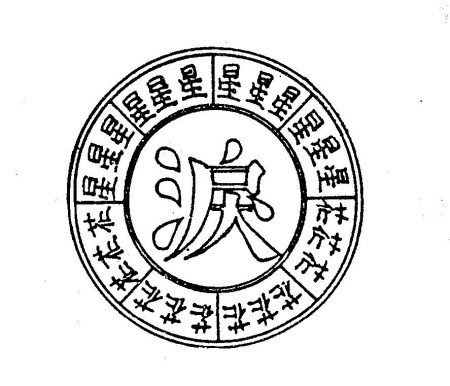
Zhan Bing 詹冰(綠血球 Taipei: 笠, 1965), from http://chinaavantgarde.com/
當代詩歌很難選,就是因為比較未經沉澱。即將出的漢英對照《中國新詩300首》選詩歌盡力剔除非詩因素。讀一首詩就知道是否感人、聽到節奏、結構、語言啟示。不用曉得誰寫的。不過為什麼讀、在哪裡、經過什麼條件的介紹等等都是非這首詩的因素,而不能避免。
如果把周作人在2000年出來的那本《中國新詩1916-2000》裡的兩首當例子,<小河>寫自然環保,<飲酒>寫肉體和心理、精神的欣賞和共鳴,很濃的一首,節奏很強。不過盡力剔除非詩因素還是會有些社會中、讀書人中都存在的前提。我自己覺得如果有人問我家鄉奧地利現在最好的作家,隻說女作家,包括兒童書,都已經夠了,比如說寫話劇、小說、散文的E.Jelinek(得了諾貝爾獎),還有三位女詩人Elfriede Gerstl、Friederike Mayroecker、Rosa Pock。剛才說第一E. Gerstl已經逝世,她來自猶太家庭,二戰時被藏起來幸存。第二位F.Mayroecker已經80歲,第三位R.Pock不像前兩位著名,但也已經很久寫出風格很獨特的詩作。女詩人還可以加早一點已經去世的Hertha Kraeftner和Christine Lavant,不過加她們當然得加八十年代初去世的,曾經跟策蘭同居的Ingeborg Bachmann英格褒‧巴赫曼。還要加一兩位寫小說的,比如Marlen Haushofer。她寫的長篇《牆》Die Wand寫一位女性敘述者在山中一個人生活,突然碰到透明的牆。說了這幾位加三位寫兒童書的,年紀最老的Mira Lobe, 自己小時候最喜歡,現在還覺得她寫得最好聽、最感人,加上我當小孩就非常喜歡的畫圖。還有Christine Noestlinger,她寫了大人讀的詩,也寫了很多很多兒童文學。我最喜歡她的詩,還有兩本自傳式的,寫小女孩在二戰結束時的經驗,很寫實、很直接、不加修飾的感覺。她來自工人家庭,一輩子都寫工人和小資產階級等家庭的故事,從孩子的角度、從非權力的角度來講。昨天帶孩子到牙科醫生,盡力讓孩子合作不讓他痛苦。等候時看到了自己小時候聽父母念的一本<雨水筒快樂洒洒歌唱>(Lustig singt die Regentonne,作家Vera Ferra-Mikura), 都是兒童詩歌,畫圖也非常好。兒童書還可以增加很好的女作家,先暫時不說。
介紹這些女作家就很自然地介紹了當代奧地利社會。她們的作品毫無遜色男作家。但如果開頭隻說當代文學,我會先想到別人,很多都是男的,而不會像隻說女作家那麼直接可以包括時間和社會很廣的一面。剛才隻注意女作家,也應該看看非德語寫作的奧地利文學,結果從社會和文學方面都會比較全面,先注意女作家和少數民族比先注意一般先想到的奧地利德語男作家結果還是會更廣泛。
所以我讀目前寫作的中文詩人除了已經得到共識的西川等等盡量找女詩人,找非漢族詩人。你們有周雲蓬、沈浩波已經超過一般的詩壇。我建議加上馬蘭、顏峻都是因為自己翻譯了他們,所以知道一些力作。我也翻譯了車前子的作品,但是太少,不能點出他最厲害的詩作。說到翻譯,從中文譯成外語一般應該找外文為母語的譯者。比如我在上面英語裡提到的綠原,他在1990年左右作出選當代中國詩歌中德雙語本,介紹了於堅等等那時候在西方世界還比較不那麼著名的詩人,所以我覺得那本很寶貴。但是譯者都是中國德語系學者,內容可以翻譯出來,但節奏就漏了。英語不同,有很多雙語。還是覺得找一些已經得共識的西方譯者也許最佳。不過翻譯跟原作同樣總會存一些非詩意的因素。
300 Modern Chinese Poems (Chinese-English) 汉英对照版《中国新诗300首》
9月 2, 2012300 Modern Chinese Poems (Chinese-English) 汉英对照版《中国新诗300首》
Zhao Siyun 赵思运, who was introduced on the MCLC list by Michael Day a while ago with a poem called June 5th 六月五日, has a list of authors and poems on his Blog, for a Chinese-English anthology of over 300 modern Chinese poems 中国新诗300首. Compiled by an institution called International Poetry Translation and Research Centre, IPTRC. Very welcoming, diverse and expansive. Including writers from Taiwan, and many young voices. Liao Yiwu 廖亦武 is included, though not with his most representative work, probably. Lü Yuan 绿原 is there, he did a Chinese-German anthology, introducing Yu Jian 于坚 in 1990, rather early. Bei Dao 北岛 was included in there, but with a comparatively insignificant poem. He is better represented in this new effort, although I miss the mosquito. It’s very hard to include one or two significant poems from an author who is obviously politically significant.
Interesting to compare this with other anthologies, in Chinese and other languages. Zhongguo Xin Shi 中国新诗 (Fudan UP 2000), ed. Zhang Xinying 张新颖, has two poems by Zhou Zuoren 周作人, one against unnecessary water dams and a drinking song, both very impressive. Zhou Zuoren has not made it onto the IPTRC list. Of course it’s rather easy to come up with some of your favorites who are not represented, compared to shifting through many thousand poems and coming up with such a list. Huang Xiang 黄翔 is included, despite his dissident status, but he is already in Zhongguo Xin Shi 中国新诗. As usual, I am looking at newer people first, although I only recognize two from those born in 1970 or later. Zhou Yunpeng 周云蓬 is there, the blind folk singer. But not Cui Jian 崔健. Woeser 唯色 is there, which is great! But in general there are hardly any poets from minority nations in China.
Ha Jin 哈金 is missing, but he writes in English. Gao Xingjian 高行健 does not appear, but is mostly known for fiction and drama. So who else hasn’t made it? Yang Ze 楊澤、Hsiang Yang 向陽、Hung Hung 鴻鴻、Mai Mang 麦芒 (Huang Yibing 黄亦兵), who sometimes writes in English and teaches at Connecticut (there is another Mai Mang 麦芒 in China, known for one-liners).
On with the non-list: Sun Wenbo 孙文波、Li Nan 李南、Yang Jian 杨键、Zhu Wen 朱文、Yin Lichuan 尹丽川、Zheng Xiaoqiong 郑小琼、Ma Lan 马兰、Hong Ying 虹影、Pang Pei 庞培、Che Qianzi 车前子、Yan Jun 顏峻. I would have included Yan Jun’s 反对 Against All Organized Deception (translated by Maghiel van Crevel) and Ma Lan’s 事故和理由 The accident and the reason, maybe even combined with 仿佛 As If. And How We Kill a Glove 我们如何杀一只手套, if it wouldn’t be too long. Hong Ying’s 饥饿 Hunger, also written abroad. And one of Zheng Xiaoqiong’s 郑小琼 new female migrant worker’s portraits.
Then there would be others. Not compatible, maybe. Wu Yinning 吳音寧 and Li Ch’in’an 李勤岸 are very much from Taiwan. Wu Yinning 吳音寧 is more well-known for her reportages. The poems contain many fascinating local expressions, hard to translate. I’ve only read two poems by Li Ch’in’an 李勤岸, in a three-volume anthology of about 100 years of poetry in Taiwan. One of these two poems is a personal favorite, 解嚴以後 – 一九八七年七月十五日臺灣解嚴紀念 After Martial Law Was Lifted – In Commemoration of Lifting Martial Law in Taiwan on July 15th, 1987.
I have been reading a great anthology of Lithuanian poetry in the last few days. And there are beautiful anthologies of recent Chinese poetry in English, like the online treasure in the Spring/Summer 2006 issue of thedrunkenboat.com, edited by Inara Cedrins, or the Atlanta Review China issue. Without any Chinese characters, unfortunately. But these are important collections, with some great translations. The Drunken Boat collection is very diverse, including minority people in China, extra sections on Hong Kong, Macau and Singapore, as well as very much else from abroad. Even half of the non-minority nation poets in China who are in The Drunken Boat are not in the IPTRC 300. The Antlanta Review China collection, edited by George O’Connell, contains some of the best Chinese poetry I’ve read in translation anywhere in any language. And there is a good volume in English of Che Qianzi’s 车前子 poems and some of his friends, with a note in the back that the Chinese text can be found in some university library. Oh well. Many contemporary poets from China, including some world-famous ones, are not easily found in China. This has been going on for decades. Anyway, there is not enough modernity, not enough experiment in Chinese literature in general, especially in China. So it would be great to include some people like Che Qianzi 车前子 in any anthology. There is also not enough performance, that’s where Yan Jun 颜峻 and other sound and music stuff would come in.
The Lithuanian anthology mentioned above is from Poetry Salzburg Press. I love the long hallucinating love poem Bird in Freedom by Vytautas Bložė, written while imprisoned and “treated” in a Soviet psychiatric hospital. And the song-like evocations of Vilnius’ old city and the empty Jewish ghetto by Judita Vaičiūnaitė. The translations of these poems and many others by Laima Sruoginis are hauntingly beautiful. Much of the identity of the Baltic countries is built on songs, a great foundation for poetry.
Flying over the sea, quietly
7月 24, 2012
Yan Jun
February 17
Like everyone parting we cry.
Like every old shirt. Dust and dirt on old clothes.
Like all days of old. Fire on snow.
For thousands of miles. The moon on the sea. Shines on old streets.
We’re parting, unlike everyone
from the night till the day we won’t cry again.
Like dust washed with snow. Words are just sound.
We talk. Flying over the sea, quietly.
2006-02-21
Tr. Martin Winter, July 2012
2月17日
像所有要分开的人一样我们哭
像所有的旧衣服 旧衣服上的尘土
像所有旧日子 雪地上的焰火
几千里 月光照着海 照着胡同
所有人中的例外 我们分开
从夜晚 到白天 都不再哭
像尘土被雪清洗 言语也只是声音
我们说话 在海面上静静飞行
2006.2.21
Yan Jun
17. Februar
Wir weinen wie alle, wir trennen uns bald.
Wie alle alten Kleider. Der Staub in den Falten.
Wie alle alten Tage. Feuer auf Schnee.
Tausende Meilen. Der Mond scheint aufs Meer. Scheint auf alte Gassen.
Wir sind nicht wie alle. Wir trennen uns
Und weinen nicht mehr von der Nacht bis zum Tag.
Wie Staub weggewaschen vom Schnee. Alle Worte sind Klang.
Wir reden. Wir fliegen ganz still übers Meer.
2006-02-21
Übersetzt von Martin Winter Juli 2012
Two books in German
4月 25, 2012Two books in German
Simon Urban’s Plan D appeared in August 2011, Bei Ling’s Ausgewiesen has come out in March 2012. Both are tied to my experiences in Taiwan, in different ways. Simon Urban is a young German author. He is not from the East, the former GDR, and there seems to be nothing in his biography to make him destined for writing a novel on history. And yet he belongs to a continuing thread of history in German literature, told in various forms, often through family stories. Female authors tell family stories, and there are many immigrants writing in German. Their writings are often set in the regions where they come from, and many tell histories of families. History is a topic that just doesn’t seem to go away in Germany and Austria. Nobel prize laureates Elfriede Jelinek and Herta Müller both write about painful topics from the recent histories of their countries. Herta Müller is from Romania. She is a Romanian author writing in German, mostly about Romanian contemporary history. And she’s living in Germany, for historical reasons. Elfriede Jelinek writes on Austria’s contemporary history, through her plays and novels. She writes in a very special language, a language that unmasks the thoughtless style of the media and contemporary discourse throughout Austrian society. One of her plays is called Winterreise, evoking Schubert, in her own special way. Another play relives a murderous party in the small town of Rechnitz in 1944.


Simon Urban’s novel is a thriller. It is the story of an East German police officer who has to find the murderer of a mysterious man, hanged near the Berlin Wall. The wall still exists, the GDR still exists, in 2011. Agents and counter-agents, state security and the Energy Ministry. Don’t trust anyone. Including your colleagues from the West. It’s a thick book, bursting with very evocative descriptions of situations in Berlin inside a frustrated policeman’s mind. Often funny, as well as haunting.
Simon Urban attended a creative writing academy in Leipzig. One of his teachers was the Austrian Writer Josef Haslinger, who also became famous through writing a thriller. It’s about a terrorist coup at the Opera Ball, related to Austrian contemporary history, of course. But Mr. Haslinger was not supportive of Mr. Urban’s project. “The GDR is deader than dead”, he used to say. Mr. Urban has proven him wrong. Plan D will come out in English in early 2013.
Bei Ling’s memoir begins in 2009, the year he got famous in Germany. He was invited as an exiled Chinese writer to speak at a panel at the China-focus Frankfurt book fair, then asked not to attend, along with Dai Qing, a veteran female writer and environment activist in Beijing. Both of them gate-crashed Frankfurt, with German media support. The book then jumps back to 1979 and the Beijing Democracy Wall. Activism and literature are inseparable for Bei Ling. He gives a very personal account of the 1980’s underground poetry scene, and goes on through his years in the US and his friendship with Susan Sontag, who helps him out when he is imprisoned for printing an illegal literature journal in Beijing.
Suhrkamp deserves credit for recognizing some of Bei Ling’s potential. They certainly helped to make him known in Germany. The translation of “Ausgewiesen” is good. Most of the book reads very similar to Bei Ling’s essays in the FAZ (Frankfurter Allgemeine Zeitung) and in Der Spiegel. The empathy, the little details, the very personal atmosphere. Bei Ling can make you feel as if you were there with him in Beijing in the early 1980s. Maybe you know some of the names, like all the famous Misty Poets. But nobody has told it in such an intimate way, not even Bei Dao, in his fascinating recollections. When “Ausgewiesen” came out in March, the FAZ carried the first review. It was dominated by the complaint that Bei Ling didn’t include much, much more about all these fascinating topics. That’s the fault of his editors at Suhrkamp, of course. The original manuscript was easily twice as long. I’ve seen it. And like other publishers, they don’t have an editor who reads Chinese. Maybe you know Jung Chang, who wrote Wild Swans. I am pretty sure Bei Ling mentions her, but in the German text she becomes a man called Zhang Rong. Hu Ping, editor of Beijing Spring and one of the oldest Chinese exiles in New York, becomes Hu Pingzheng.
Plan D is a rather thick book. Well edited, nothing important peeled away. Simon Urban is a maniac for detailed descriptions, and you always feel these locations in action. Urban succeeds in creating a Berlin that can feel at least as real as the one you know. It is all there, this is how it could have turned out. How it is, behind the surface, at many places.
So how are these books related to Taiwan? Simon Urban was at the 2012 Taipei book fair. His book was very well received, and many people asked questions. They have a real life Communist country to deal with, which is related to them in various ways. Bei Ling runs a small press in Taiwan called Tendency, which grew out of the literature journal with the same name. They print works by Havel and Celan, among others. Taiwan is a place that accommodates many different ventures and makes many things possible. A long tradition of immigration, everything thrown together. They had a one-party dictatorship themselves, and an economic miracle too. But since 1987 they have an ongoing process of democratization, including recognition of their own history, their various ethnicities and so on. It makes one think of recent history and present times in parts of Europe and elsewhere. These are the connections, between the late Vaclav Havel and a fictional Undead GDR, between Paul Celan, exile and reckoning with the past, between poetry and stories of spies.
Addendum: Exiled Chinese writers, like Ma Jian and Bei Ling, have protested against official China monopolizing the China focus at the London book fair this spring. Click here for press coverage in Dutch, English and German.
頑張る
3月 12, 2012Just read a post by a guy called Doug 陀愚。It begins with a child’s drawing from preschool, and ends with the words 日本は絶対復しますので、それまで頑張りましょう。Nihon wa zettai fukushimasu no de, sore made ganbari mashoo. I don’t know if everything can or should be like it was before after such a big catastrophe. I do have great respect for the spirit Doug talks about. Last year in spring I wrote two poems that were inspired or influenced by the Japan 東北 Toohoku earthquake. I am going to put the second one first here. It was translated recently by a Taiwanese friend, and we both read it in public at a bookstore in Taipei on Febr. 26th.
櫻(開花)
英、德文/維馬丁
中譯/彤雅立、維馬丁
白與玫瑰色漂浮
透著光進入一日
在狂人群中
樹木兀自開花
生長、垂落、成熟
佇立,迎風呼吸
=========
shine and float in white and pink
carried forth into the day
all among the loony people
certainly the trees are blooming
growing, falling, ripening
standing, breathing in the wind
MW April 2011
weiss und rosa leuchtend schweben
fortgetragen in die tage
unter allen irren menschen
bluehen zweifellos die baeume
wachsen, fallen, reifen, stehen
atmen, oeffnen sich im wind
MW April 2011
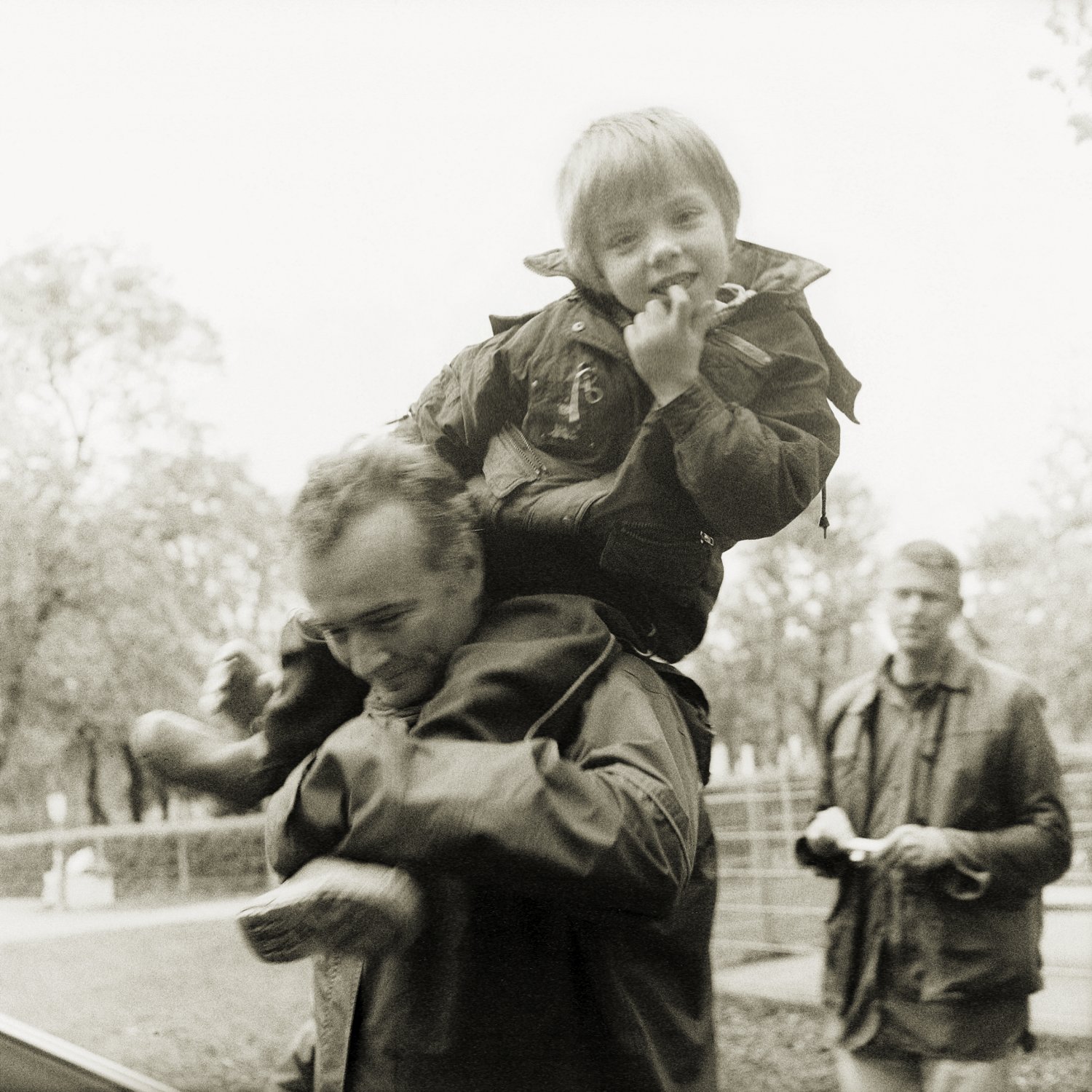
Photo by Ronnie Niedermeyer
8 syllables in every line, five trochaic lines, first syllable of every line stressed, then the third syllable, and so on. This is how the German version works, with an additional shorter seven-syllable verse that ends with a stressed syllable, so it’s six lines in all. And in the English version most lines only have seven syllables, except the two in the middle: “all among the loony people/ certainly the trees are blooming”.
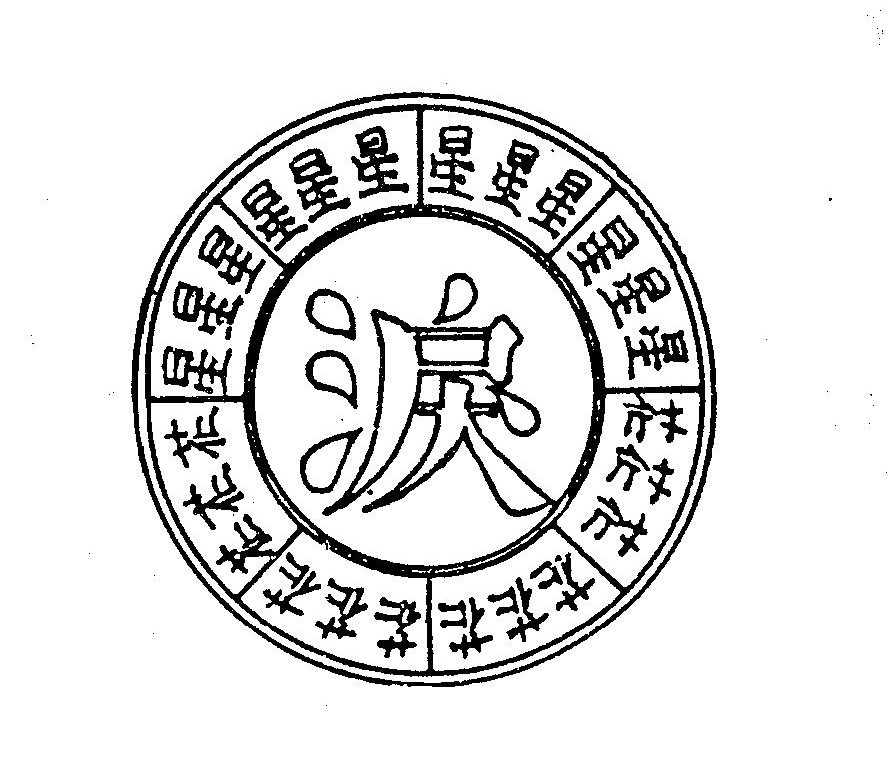
Zhan Bing 詹冰(綠血球 Taipei: 笠, 1965), from http://chinaavantgarde.com/
(quakes, tsunamis, nuclear threats …)
the days of the blossoms
the yellow the white
the shoots and the air
and the birds and the bees
the flies and the beetles
the earth and the trembling
the cars that come floating
the buildings come tumbling
the life that sprouts
MW March 2011
(fuer japan, yunnan, burma …)
die tage die blueten
die spitzen die gruenen
die weissen die gelben
die bienen die fliegen
die wogen die steigen
die wagen die treiben
die erde die bebt und
das leben das keimt
MW Maerz 2011
Reading in Taipei
2月 27, 2012
這几天都下雨,昨天還可以,不像前天晚上那麽大。昨天晚上觀眾不超過十五人。放假了到二月28日,所以有的人不在台北。開始有一點慢,介紹古詩和慢性的音 樂。不過氣氛越來越好,觀眾和朗讀者溝通很活潑。說道寫作和翻譯的背景、技巧、論點。也說到政治。讀了我在北京寫得反映北京大量拆遷和民工等等社會問題兩 首詩,還讀了李勤安為1987年台灣解嚴寫的那首。發現他說得現在依然很重要。台灣改變了,但也許不太想承認二十几年前的日常細節。而那些細節也很像現在 的中國大陸等等地方。念出一首詩仔細聽你才發現詩歌的作用和力量。朗讀以后在樓上吃飯、聊天到半夜。林維甫已經把2004年和2007年在北京寫得兩首譯成中文,准備發表。
德語詩、英語詩、漢語詩──維馬丁與彤雅立的翻譯雙聲 2012-02-26
Liao Yiwu in Taipei
2月 12, 2012
I went to a great reading/ concert/ political happening by Liao Yiwu in Taipei tonight. It was organized by Wang Dan’s New School for Democracy. First time Liao performed his legendary poem Massacre from the night before June 4th, 1989 in public for a Chinese-speaking audience. Very memorable experience. People wept and remembered the White Terror and the Feb. 28, 1947 massacre in Taiwan. The case of Zhu Yufu, who got 7 years for a poem in China, was mentioned several times. Liao Yiwu was asked for his opinions about the controversy around the boss of the Want Want conglomerate and media czar (China Times etc.) who recently denied there was a major massacre in 1989. Liao Yiwu reaffirmed the answer he had given at Taipei International Book Fair. He just said he wasn’t very interested what some merchant would have to say. They would say anything to please Beijing, and unfortunately they would get away with it very easily. Liao was also very critical of the book fair. Glossy and haphazard in many ways, that was his impression. No dignity for authors, no thorough organisation of readings. Well, I must say I liked all the events I saw or participated in. The show girls and the people walking around advertising discounts did not give the impression of a very cultured event, rather like some market selling everything aside from books, just like Liao said. But they certainly did have some well organized readings, and international highlights in French and German, for example. Anyway, Liao Yiwu’s performance tonight was a very exceptional event. I think they recorded it, and I heard it was broadcasted live on the Internet. Don’t know where exactly. Liao was asked what he thought about the relation of literature and politics. He spoke about reading Orwell’s 1984 in jail, and talked about the parts leading up to the end of the novel, how Winston is broken with the use of a rat and made to rat out his girlfriend, and how he loves Big Brother as he is taken away to be shot. Perfect example for his own aesthetics, Liao said. He still supports people doing ‘pure literature’, goes to poetry readings about the Full Moon Sound Magazine (http://fullmoonsoundmagazine.tumblr.com/) and stuff like that. He was not interested in politics until 1989, he said. The Hakka songstress Luo Sirong sung a very poignant lullaby at the end. This part would not have been forbidden in China. Liao’s performance was so intense it made you vary of police barging in. But the most precious thing was the whole event together, the songs and the music, the talks and discussions. The strong interaction made it all very special and rare.
Wir auf Kinmen – eine Wurzel
2月 11, 2012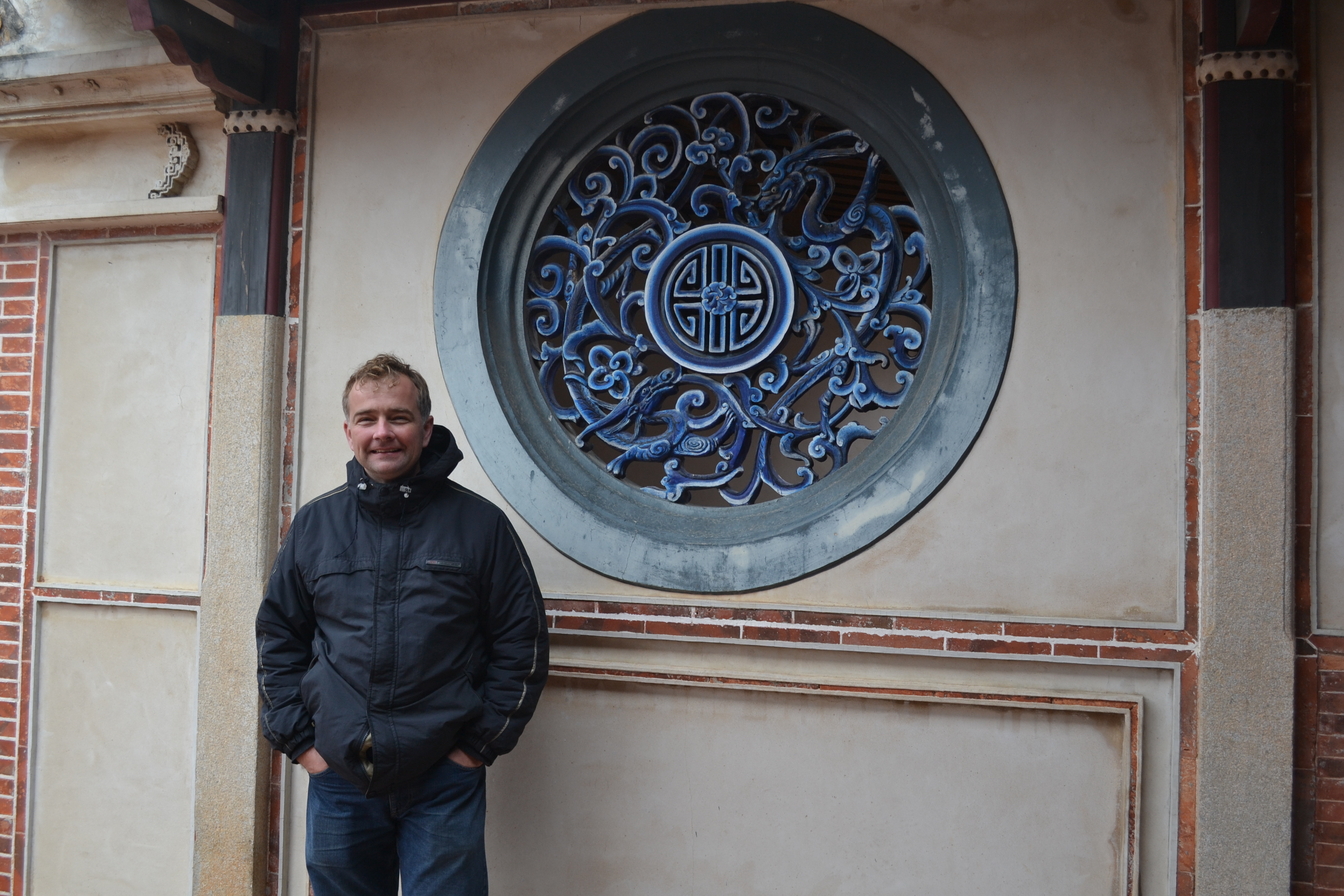
Qing Dynasty school in Qionglin, Kinmen. Photo: 蔡亦菱
viele, viele, viele farben
muschelsplitter, alte flaschen
ewigkeiten in spiralen
gelber sand und viel geschichte
in granaten, in den menschen
tunnel und gemuesemesser
aus granaten fuer jahrzehnte
fuer den frieden, fuer besucher
viele, viele, viele voegel
fliegen untertags aufs festland
kehren heim und ueberwintern
women kin-men kaiser-candy
我們金門一條根

Photo by Johannes Fiederling

Photo by Johannes Fiederling

Photo by Cai Yiling 蔡亦菱
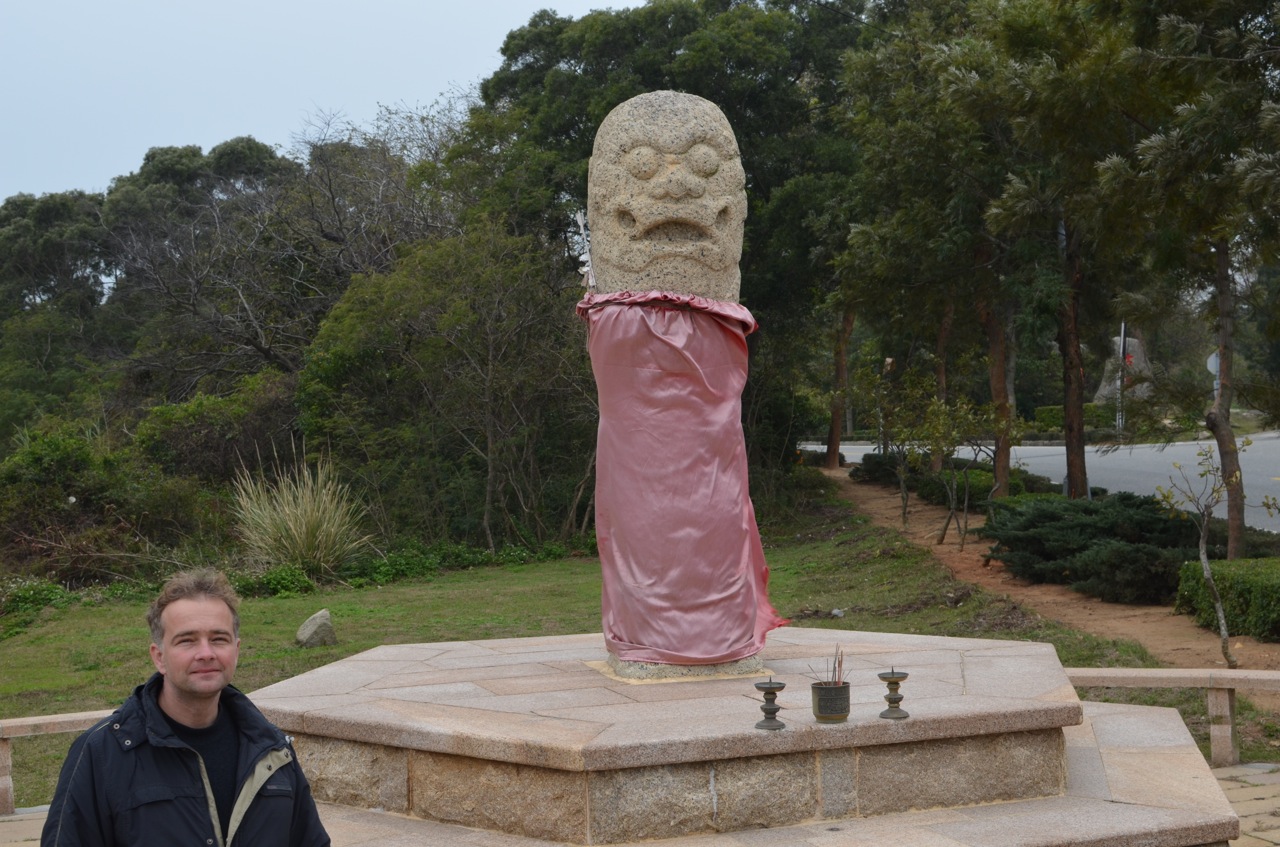
Photo: Johannes Fiederling

Photo: Johannes Fiederling
Happy Lanterns!
2月 7, 2012
Thanks to Ursula Wolte!
Lantern festival was today, or now it’s yesterday, Mon. 6th, 2012. All the best and many happy moons to all we love!
2 recent poems
vienna’s flat
frankfurt a mat
above the clouds.
a sea of wool.
flying is cool.
somewhere there’s a big bird
or another plane.
then we dive
through the mist
and arrive.
frankfurt is long.
i like hong kong.
MW Jan. 29/30, 2012
grosze rosa azaleen
schmetterlinge, blaetter fallen
geigenklaenge, bass, klavier
zeit der groszen stoerungen
endlich sonne ueber taipei
flohmarkt, festival der kuenste
blaetter wachsen in den himmel
MW Februar 2012
文學、翻譯等等
2月 6, 2012
未說出要害
今天六月四日下午翻譯討論會我們四個人都說了翻譯的使命、條件、樂趣、難點、技巧等等。主持人唐薇讓我們報告自己怎么選擇了中文、怎么來到了翻譯文學一行業。其實我們有一部分說出來根本不是選擇中文、選擇文學。一步一步地碰到了機會而已。自己從小對文學感興趣,從十一歲左右開始讀詩歌,一開始就讀不衕語言。八九歲以后父母對亞洲的食物,對打坐、太極拳等等很投入。一方面想保著身體健康、一方面尋找生命的意義。奧地利第二次世界大戰結束重新建立經濟以后在六十年代末、七十年代初開始尋找、開始重新反省國家、社會、藝朮等等在這個世界上的意義。其實一直都得反省,一直必須自問我們到底從哪里來,到哪里去。只是大部分人未說出,沒功夫說出、沒辦法說出我們從納罪制度、從倫理、宗教、道德根本跨了的世界上從未發現的巨大罪惡出來。柏林文學學會代表東格斯(Thorsten Dönges) 昨天在另外的、也是書展的場合簡單地介紹德語戰后和現在的文學,他說得很清楚,德國在二十世紀兩次想控制歐洲,結果是在全世界發動了戰爭。沒說日本在亞洲有衕樣的目的,衕樣地發動了第二世界大戰在亞洲的一面。東格斯代表說當代德語寫作非常重視曆史。在二戰以后第一代作家,像君特·格拉斯(Günther Grass)、海因里希·伯爾(Heinrich Böll)等等他們講戰爭和戰后的恐怖,講納罪德國軍隊和支持他們的人在東歐作出的災難、以后德語民族被驅除的后果。很多作家都講曆史,克里斯塔·沃尔夫(Christa Wolf)等等`民主德國』作家都是。那麽第二、第三代作家,他們就講自己的生活和他們一代的社會嗎?不,很多還是講曆史,講當代曆史,包括奧地利的艾芙烈‧葉利尼克(Elfriede Jelinek)和從羅馬尼亞來的赫塔.慕勒(Herta Müller)等等。而且很多年輕作家這几十年都講家庭的曆史,以講出家庭的曆史講整個社會的曆史。柏林代表沒說奧地利老作家多德勒爾(Heimito von Doderer,1896~1966)他也講曆史,不過主要不是講二戰和奧地利人的罪惡。他有自己的原因,他在三十年代曾經有點支持納罪黨,不過戰后支持進步的、積極的實驗文學,像恩斯特·揚德爾(Ernst Jandl)等等。反正東格斯代表講出了要害,人家作品里到處都是曆史,包括他介紹的新作家西蒙.吾邦(Simon Urban)。吾邦在他第一本長篇(德語叫Plan D)把最近二十几年的曆史改寫,好像1989、1990的變化從未發生,德國仍被分割,2011年秋天還有民主德意志共和國,兩個德國的秘密警察和間諜在仍然分割的柏林勾心斗角、殺人等等。
未說出要害,其實未說出要點。台北書展講中文和德語之間的文學翻譯和介紹工作很好。但不只是文學,根本沒有人只作文學翻譯。譯者衕樣也是學者、當老師、當口譯,做其他方面各種東西的筆譯。其實我們都說出,只是自己未說我研究最近二十年,尤其是2000年以后的中國文學。自己未說出要點,是沒說出要害,沒說出研究得不夠,不夠清楚。也應該包括當代台灣的文學。
唐薇念了周夢蝶的詩,我念了我的翻譯,以后也講了翻譯詩歌像演奏音樂,每個人有不衕的演奏方式和風格,也得看場合、觀眾、編輯的需求等等。台灣當代文學跟德語文學一樣帶著當代曆史沉重的負擔。想到台灣這几十年的社會,就很快想到本省人和外省人。不過台灣文學不只是有中國和台灣的問題、有台灣當日本殖民地的事實、有漢人各種文化和原住民文化的問題。台灣當代文學跟中國大陸進二十几年的詩歌一樣可以分學朮性寫作和民間寫作。當然實際上不那麽簡單,有很多混合,朦朧詩人不是學者,有很多直接從民間生活拿來的寫法。所以也不能說於堅發明了民間寫作。但畢竟中國大陸這几十年有民間寫作和所謂知識分子寫作的分割,而且翻譯進來詩歌也有支持民間寫作和支持學朮派寫作的分區。說知識分子寫作和民間寫作的區別其實不如說學朮寫作和民間寫作的分割,雖然不是那麽簡單、有很多混合等等。廖亦武肯定是民間寫作,但他也是知識分子,坐牢的知識分子,雖然他坐牢的條件比他的老朋友劉曉波更慘烈。聽到廖亦武的朗誦就是非常特殊的經驗,跨越音樂和文學,跨越舒展和民間街上小巷生活、市場等等,明明涉及到社會和政治。
廖亦武在朗誦會被問對旺旺集團董事長最近好像否定六四屠殺的看法。回答了很好,說他一般不估計商人對政治說一些什麽,因為按照需要很 快就會變。如果明天劉曉波當中國總統,商人都會贊美民主。政治家也一樣,包括目前你們的台灣總統,廖亦武說。人家問廖亦武以后屬於什麽國家,他回答屬於永 遠屬於四川,也引用了《三國》開頭。以后中國因為制度不行了而分開了,我們四川就關心對陝西、湖北等等的外交關系,不那麽注意台灣。
其實今天已經二月五日。這几天睡覺沒規律,這次根本沒有入睡,先是樓下現場音樂未結束,后來出汗,也想到上說的要害和要點。廖亦武的朗誦以后有作家在出版社展位簽字的機會。以后廖亦武去跟他的朋友楊曉斌見面,晚上要回新竹。廖亦武在他的書里面給我簽字以后我就有機會跟新竹的詩人倪國榮先生談話。倪國榮老師給我講他的太太翻譯愛蜜莉.狄金生(Emily Dickinson)几十年的經驗,還介紹他怎麽分學朮寫作和民間寫作。說周夢蝶、亞弦、七等生等等詩人都比較屬於民間寫作。而余光中、樣牧、王文興等等比較都是學朮的寫作。
鴻鴻和他編輯的雜志《衛生紙+》里那些年輕詩人多半該屬於民間寫作吧。夏宇呢?屬於宇宙吧。那彤雅立呢?其實我不清楚。兩種都有,可能是。她辦的《月照無眠》詩聲雜志里有布萊希特(Bertolt Brecht)、有魯迅、有周夢蝶、有不少宋詞。為了詩聲雜志,我給她把一些詩譯成英語,包括周夢蝶寫恆河的那首。是的,我詩歌寫作和翻譯的目的語言是英語和德語,兩種都是。
那麽要點的要害在哪里?翻譯是中間人。而有時候必須明明站在一邊。就這兩點而已。
不過最后什麽叫做文學、什麽叫做藝朮等等往往都是重新被討論的話題,永遠講不完。我自己屬於什麽? 待續。
照相:Benny Au (Hong Kong)
Moon again
12月 10, 2011song
the song the tree the moon the night
the streets the cars the moon is bright
the air is right one star is there
I hope we sleep all through the night
MW December 2011
 all among the loony people… today is the day the nobel peace prize gets awarded. this year it goes to three women in different places and positions in africa. maybe a little less pointless and pathetic than the prize-great big vain hope obama manunkind not. last year the prize went to loony old liu xiaobo. not very peaceful guy, doesn’t give the chinese government any peace with his charta 08. rather removed from most people in china for 11 years, locked away in the northeast. but instead they have ai weiwei. and we have liao yiwu. great loony poetry. thrown out of china. so it stays hole.

vielleicht
vielleicht has(s)t du noch einen tag
vielleicht hast du noch eine nacht
vielleicht liebst du noch eine nacht
vielleicht liebt dich jemand
auch nachher noch weiter
du spuerst es und du spuerst es nicht
MW Dezember 2011

reise, meise, licht & fair
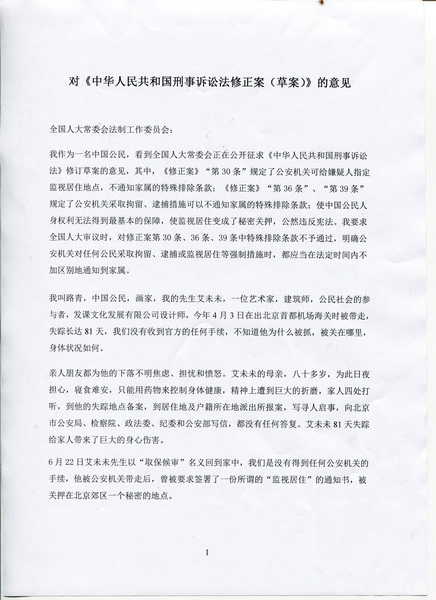
10月 21, 2011Ai Weiwei’s wife Lu Qing writes to National People’s Congress
9月 30, 2011Lu Qing’s letter to China’s National People’s Congress from Sept. 28 (working translation)
See the Reuters article
See the original Chinese text
Photos by Ai Weiwei, from Google+

杜甫
9月 9, 2011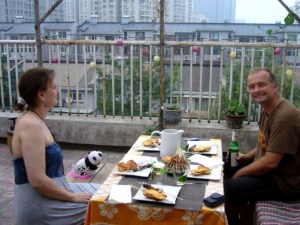
杜甫
絕句四首(選一)
三
兩個黄鹂鳴翠柳,
一行白鷺上青天。
窗含西岭千秋雪,
門泊東吴万里船。
Du Fu (712-770)
Short impressions (one of four poems, four lines each)
(three)
two orioles calling from willows,
one file of egrets up to the blue.
ranges of snow caught from my window,
docked at our gate is a passage to wu.
MW Tr. Sept. 2011
Photo by Angelika Burgsteiner
Ai Weiwei Poem
8月 8, 2011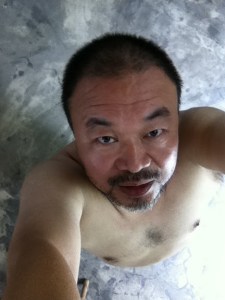
Translation
3月 12, 2011
Literature Nobel winner Elfriede Jelinek on Liu Xiaobo and the new biography now out in German
12月 10, 2010This is a book about an absent person, who is held in prison; who has won a Nobel Peace prize and is not allowed to collect it: Liu Xiaobo. His old friend Bei Ling writes about him. He draws a many-faceted picture – only a knowledgeable friend can do that. This book is concerned with manifestos, petitions, political actions, but also with self-doubt and guilt, stubbornness and ambition. The author Bei Ling, who was imprisoned himself before, sees his duty in painting a complicated picture of this civil rights activist, with many different shades and colors. Bei Ling knows that he can see Liu Xiaobo only from one side, he can only portray him in profile, not from the front. But even if it is only part of a bigger picture, this part shows us a whole cosmos of courage and repression, of labor camps and life outside watched by security agents, like the life that the wife of this civil rights activist is forced to lead. This book offers a lot of information, but it doesn’t explain everything, because it wants you to keep asking questions. This is why I think everybody should read it.
Elfriede Jelinek, Tr. MW
Liu Xiaobo biography published
 中国大好き
中国大好き 