Posts Tagged ‘virus’
3月 27, 2020

Zhang Xinxin
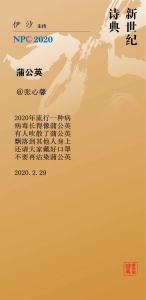
DANDELION
In 2020 we have a disease going round,
the virus looks like a dandelion.
Someone blows on a clock
and makes it land on other people
and asks everyone to wear masks
so they don’t get infected with dandelion.
2/29/20
Translated by MW, March 2020
Zhang Xinxin
LÖWENZAHN
2020 geht eine Krankheit herum,
der Virus schaut wie Löwenzahn aus.
Jemand bläst auf eine Pusteblume,
die landet auf anderen Menschen.
Und alle sollen Mundschutz tragen,
damit sie sich nicht mit Löwenzahn anstecken.
29. 2. 2020
Übersetzt von MW im März 2020

标签:disease, flower, infection, language, masks, NPC, people, poetry, virus, Zhang Xinxin, 张心馨, 新世纪詩典
发表在 2000s, 2020, 20th century, 21st century, December 2019, February 2020, January 2020, March 2020, Middle Ages, NPC, poetry, Translations, Uncategorized, 新世纪诗典 | Leave a Comment »
3月 25, 2020
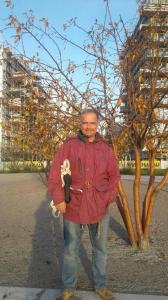
SIX
At six o’clock we come out on our balconies.
Not everyone,
some people still work outside,
not all are together,
but we come out,
and clapping starts,
right at six in the afternoon,
as if we have accomplished something.
And there are children,
and there is music,
someone starts to sing,
or play a flute and so on.
We wave, and from the balconies
we talk to each other.
In our building we have prepared songs,
lyrics and instruments.
Social distancing has brought us together.
You go up on the roof,
and everything is different,
or very much, like the planes,
no planes anymore.
At six o’clock we come out,
we’re all still alive,
those you see,
I guess we know we’re very fortunate.
We even shared a cake with our neighbours,
fresh from the oven,
set down with gloves
in front of the door.
Little things.
So we play and sing,
I am from Austria.
It’s in Austrian German,
rather sentimental,
never would have thought
we would be singing it from the
balconies.
It is anti-fascist, among other things,
and along with Blue Danube,
it is something you share,
we sing other things too.
And I guess we will remember,
when everything is different
again.
MW March 24, 2020
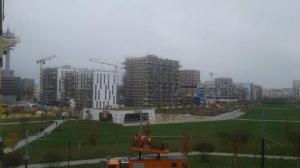
NO TOBOGGANING
It is rather cold outside,
freezing point, not much more,
colder at night.
On the whole it is warmer,
this year we didn’t get out the sleigh,
no tobogganing –
I wonder if there was enough snow now,
would we go up there?
We go by foot after all,
or by bicycle,
although we are very careful
not to get close to anyone
on the roads and on the paths
and to avoid the police.
So if there was enough snow now,
all among the blossoms –
no, let’s hope it gets warmer
and this whole thing,
this horrible spring thing
all over the earth
is over
or at least mostly over by summer.
MW March 24, 2020

JEDER TAG
jeder tag ist ein gedicht
wenn du zeit hast
im moment haben viele leute
viel mehr zeit als sonst,
wenn auch nicht unbedingt ruhe.
haben sie einen moment?
ist eine häufige frage
im moment haben viele viele millionen
in vielen erdteilen
etwas gemeinsam.
natürlich ist das auch sonst der fall
aber normalerweise sagt niemand
von dieser situation betroffene aller länder,
lasst uns einander helfen,
so gut wir nur können,
oder was glaubst du?
MW 21. März 2020

EVERY DAY
every day
is a poem
if you have time
at the moment there are many people
who have more time
although you still might not have peace and quiet enough.
do you have a moment?
is an everyday question.
at the moment many many millions
in many parts of the earth
have something in common.
actually that was the case long before,
but nobody said
affected people of all nations,
let’s help each other
as best as we can
or did they?
or did we?
MW March 21st, 2020
《每一天》
维马丁诗
伊沙、老G译
每一天
是一首诗
如果你有时间
在这个时刻有很多
人
有更多的时间
尽管你或许尚未拥有
足够的宁静。
你有一点时间吗?
是一个日常问题
在这个时刻全球
诸多地区的
亿万人民
共同拥有某种东西。
事实上那是很久以前的
情况,
但没有人说出
被影响的各国人民
让我们互相帮助
竭尽所能
还是他们已经说了?
还是我们已经说了?
2020.3.21

FIT MACH MIT
vorige woche ist noch einer durchgeturnt
so wie wir vorher fast jeden tag
durch den motorikpark
bevor sie ihn abgesperrt haben
ich hab ihn gesehen
vielleicht genau vor einer woche
am sonntag in der früh
heute gibt es wieder virtuellen
gottesdienst
nehm ich an
vielleicht mach ich eh mit
wir machen jeden tag ein gedicht
im literadio
mach mit wenn du willst
MW 22. März 2020
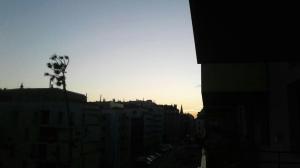
VÖGEL
vögel singen wie früher
wieder ein strahlender märztag
im vogelleben
kommt glaub ich unsere seuche nicht vor
vögel haben keine versicherung
vogelfrei
was hat das bedeutet
menschenfrei
manche straßen
ein paar wochen lang
in wien noch nicht wirklich
glaub ich
menschenfrei
wien war judenfrei
haben sie verkündet
als der himmel
frei für die bomben war
und vögel singen wie früher
und österreich ist frei
nicht wahr
MW 23. März 2020

FRÜHLING
In der Früh
wenn du noch den Frost spürst
und schon die Wärme
ist die beste Zeit
um das Leben zu spüren.
MW 19. März 2020

标签:art, austria, balcony, disease, distance, food, friends, life, meeting, moment, music, neighbors, neighbourhood, neighbours, poetry, politics, society, song, spring, time, Vienna, virus
发表在 2013, 2014, 2015, 2016, 2017, 2018, 2019, 2020, 20th century, 21st century, April 2020, February 2020, January 2020, Literadio, March 2020, Middle Ages, poetry, Translations, Uncategorized, Yi Sha, 伊沙 | Leave a Comment »
3月 23, 2020
Yan Yongmin
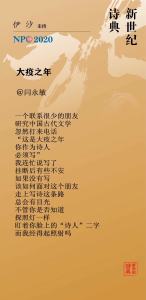
YEAR OF THE PANDEMIC
We haven’t had very much contact,
but then this friend who researches old Chinese literature
suddenly calls me.
„This is the year of a pandemic,
you are a poet,
you have to write about this.“
I hasten to say, I am writing,
but after the call I’m a little uneasy.
If I hadn’t been writing,
how could I face my friend?
You start on this road of writing poetry,
there will be people watching.
No matter if you know it or not,
it’s like they’re shining a light on your face,
looking for the four letters for “poet”,
so can I take that, to be on the spot?
Translated by MW, March 2020
标签:attention, characters, disaster, disease, expectations, 闫永敏, face, history, language, letters, life, literature, memory, NPC, pandemic, people, poetry, poets, society, virus, watching, world, writer, writing, Yan Yongmin, 新世纪詩典
发表在 2000s, 2003, 2010s, 2020, 20th century, 21st century, Antique times, February 2020, Middle Ages, NPC, poetry, Translations, Uncategorized, 新世纪诗典 | Leave a Comment »
3月 23, 2020
FRÜHLING
In der Früh
wenn du noch den Frost spürst
und schon die Wärme
ist die beste Zeit
um das Leben zu spüren.
MW 19. März 2020
JEDER TAG
jeder tag ist ein gedicht
wenn du zeit hast
im moment haben viele leute
viel mehr zeit als sonst,
wenn auch nicht unbedingt ruhe.
haben sie einen moment?
ist eine häufige frage
im moment haben viele viele millionen
in vielen erdteilen
etwas gemeinsam.
natürlich ist das auch sonst der fall
aber normalerweise sagt niemand
von dieser situation betroffene aller länder,
lasst uns einander helfen,
so gut wir nur können,
oder was glaubst du?
MW 21. März 2020
 POETRY IN CRISIS? 庄生访谈:十一问 – 11 QUESTIONS asked by Zhuang Sheng
EVERY DAY
every day
is a poem
if you have time
at the moment there are many people
who have more time
although you still might not have peace and quiet enough.
do you have a moment?
is an everyday question.
at the moment many many millions
in many parts of the earth
have something in common.
actually that was the case long before,
but nobody said
affected people of all nations,
let’s help each other
as best as we can
or did they?
or did we?
MW March 21st, 2020
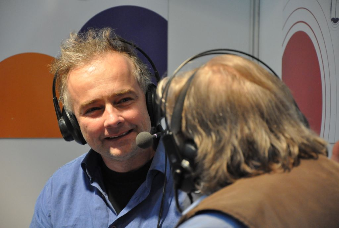 POETRY IN CRISIS? 庄生访谈:十一问 – 11 QUESTIONS asked by Zhuang Sheng
FIT MACH MIT
vorige woche ist noch einer durchgeturnt
so wie wir vorher fast jeden tag
durch den motorikpark
bevor sie ihn abgesperrt haben
ich hab ihn gesehen
vielleicht genau vor einer woche
am sonntag in der früh
heute gibt es wieder virtuellen
gottesdienst
nehm ich an
vielleicht mach ich eh mit
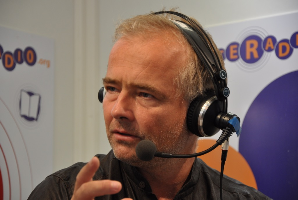
wir machen jeden tag ein gedicht
im literadio
mach mit wenn du willst
MW 22. März 2020
VÖGEL
vögel singen wie früher
wieder ein strahlender märztag
im vogelleben
kommt glaub ich unsere seuche nicht vor
vögel haben keine versicherung
vogelfrei
was hat das bedeutet
menschenfrei
manche straßen
ein paar wochen lang
in wien noch nicht wirklich
glaub ich
menschenfrei
wien war judenfrei
haben sie verkündet
als der himmel
frei für die bomben war
und vögel singen wie früher
und österreich ist frei
nicht wahr
MW 23. März 2020

„Der Raum erstarrt zu einem Netz von undurchlässigen Zellen. Jeder ist an seinen Platz gebunden. Wer sich rührt, riskiert sein Leben: Ansteckung oder Bestrafung. … Jeder ist in seinen Käfig eingesperrt, jeder an seinem Fenster, bei Nennung seines Namens antwortend und zeigend, worum man ihn fragt – das ist die große Parade der Lebenden und der Toten. … Dieser geschlossene, parzellierte, lückenlos überwachte Raum, innerhalb dessen die Individuen in feste Plätze eingespannt sind, die geringsten Bewegungen kontrolliert und sämtliche Ereignisse registriert werden, eine ununterbrochene Schreibarbeit das Zentrum mit der Peripherie verbindet, die Gewalt ohne Teilung in einer bruchlosen Hierarchie ausgeübt wird, jedes Individuum ständig erfaßt, geprüft und unter die Lebenden, die Kranken und die Toten aufgeteilt wird – dies ist das kompakte Modell einer Disziplinierungsanlage. Auf die Pest antwortet die Ordnung, die alle Verwirrungen zu entwirren hat: die Verwirrungen der Krankheit, welche sich überträgt, wenn sich die Körper mischen, und sich vervielfältigt, wenn Furcht und Tod die Verbote auslöschen. Die Ordnung schreibt jedem seinen Platz, jedem seinen Körper, jedem seine Krankheit und seinen Tod, jedem sein Gut vor: kraft einer allgegenwärtigen und allwissenden Macht, die sich einheitlich bis zur letzten Bestimmung des Individuums verzweigt – bis zur Bestimmung dessen, was das Individuum charakterisiert, was ihm gehört, was ihm geschieht. Gegen die Pest, die Vermischung ist, bringt die Disziplin ihre Macht, die Analyse ist, zur Geltung. Es gab um die Pest eine ganze Literatur, die ein Fest erträumte: die Aufhebung der Gesetze und Verbote; das Rasen der Zeit; die respektlose Vermischung der Körper; das Fallen der Masken und der Einsturz der festgelegten und anerkannten Identitäten, unter denen eine ganz andere Wahrheit der Individuen zum Vorschein kommt. Jedoch gab es auch einen entgegengesetzten, einen politischen Traum von der Pest: nicht das kollektive Fest, sondern das Eindringen des Reglements bis in die feinsten Details der Existenz vermittels einer perfekten Hierarchie, welche das Funktionieren der Macht bis in ihre letzten Verzweigungen sicherstellt. Hier geht es nicht um Masken, die man anlegt oder fallen lässt, sondern um den »wahren« Namen, den »wahren” Platz, den »wahren« Körper und die »wahre« Krankheit, die man einem jeden zuweist. Der Pest als zugleich wirklicher und erträumter Unordnung steht als medizinische und politische Antwort die Disziplin gegenüber. Hinter den Disziplinarmaßnahmen steckt die Angst vor den »Ansteckungen«, vor der Pest, vor den Aufständen, vor den Verbrechen, vor der Landstreicherei, vor den Desertionen, vor den Leuten, die ungeordnet auftauchen und verschwinden, leben und sterben.“
Überwachen und Strafen, S.251ff: http://www.ph-ludwigsburg.de/fileadmin/subsites/3b-asop-t-01/user_files/Kleinbach/Veranstaltungen/WS0506_Menschenbilder/Pestmodell.pdf
标签:animals, austria, beijing, birds, books, camps, china, crisis, Cultural Revolution, culture, discipline, discourse, disease, earth, Europe, Hubei, internet, Italy, jail, Jun Er, Jun'er, literature, media, nation, people, poetry, prison, radio, religion, social media, society, spring, Tianjin, translation, virus, world, Wuhan, Xinjiang, yi sha, 君儿, 君兒, 新世纪詩典, 伊沙
发表在 1940s, 1944, 1945, 1960s, 1966, 1969, 1970s, 1980s, 1990s, 2000s, 2003, 2010s, 20th century, 21st century, February 2020, January 2020, Literadio, Middle Ages, NPC, poetry, Translations, Uncategorized, Yi Sha, 新世纪诗典, 伊沙 | Leave a Comment »
3月 20, 2020
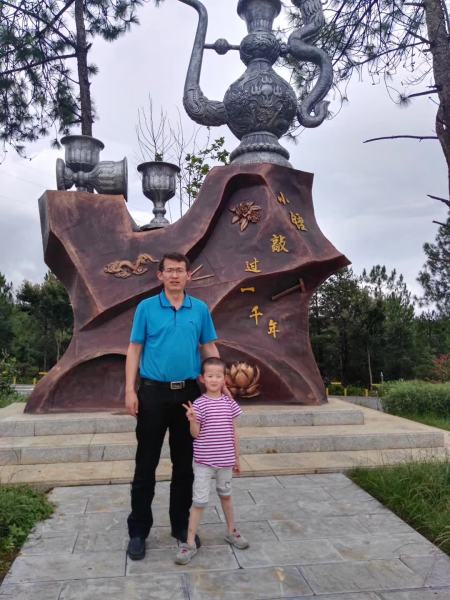
为病逝的人祈祷
韩敬源
那鸣叫的蛐蛐是谁的命
那枝头的蝉声是谁的魂
我从你们可能走过的路上走过
我在你们可能躺过的床上休息
2013年8月
Han Jingyuan
I PRAY FOR PEOPLE WHO DIED FROM DISEASE
Whose life is in the cricket I hear?
Whose soul is in the cicada who calls from that twig?
I walk on the path where you may have walked,
I rest on the bed where you may have lain.
August 2013
Translated by MW, March 2020
Han Jingyuan
ICH BETE FÜR DIE WEGEN KRANKHEIT VERSTORBENEN
Wessen Leben ist in der zirpenden Grille?
Wessen Seele ist in der Zikade dort auf dem Zweig?
Auf dem Weg wo ich gehe seid ihr vielleicht gegangen,
Auf dem Bett wo ich ruhe seid ihr vielleicht gelegen.
August 2013
Übersetzt von MW im März 2020

标签:animals, crickets, death, disease, 韩敬源, grass, Han Jingyuan, history, life, memory, prayer, religion, SARS, sickness, soul, souls, virus, 新世纪詩典
发表在 2013, 2020, 20th century, 21st century, Antique times, August 2013, December 2019, February 2020, January 2020, March 2020, Middle Ages, NPC, poetry, Translations, Uncategorized, 新世纪诗典 | Leave a Comment »
3月 20, 2020
Xiang Lianzi
53rd Day
Old Uncle, my mother’s brother
cancelled his ticket,
says last few days he dreamt of Big-Character-Posters
all over the earth and the sky.
So many people have the sky on their heads,
blue mask,
they catch them everywhere.
I
am an eighty-year-old,
guess I should
stay in America.
3/18/20
Translated by MW, 3/18/2020
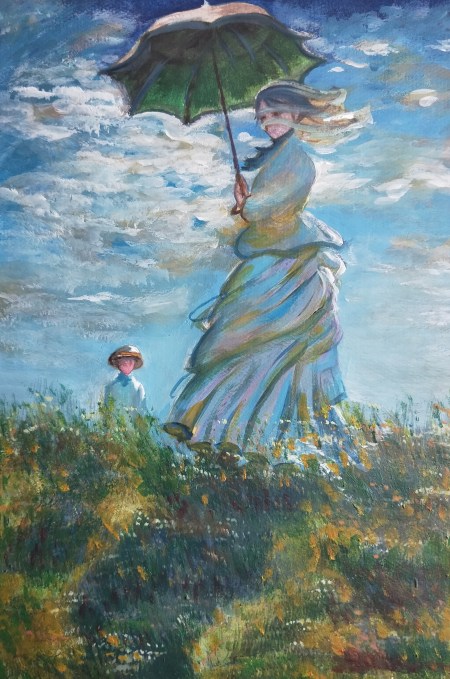
 《印象》
《印象》
维马丁
女诗人图雅
一直喜欢画画,
画得真好。
“我是TJ图雅,
正在参加美术临摹大赛,
快来给我投票吧”
噢,女子打伞,
画家的妻子带着小儿子。
想投票,但它不认得我的微信。
用新浪微博也不行,
去年八月已经被封了。
想说画得好,有个人风味。
看起来像戴口罩,
原画已经戴面纱,
现在看跟以前就不同。
2020.3
标签:age, art, Cultural Revolution, disease, dream, family, heaven, history, masks, memory, Monet, nation, painting, people, poetry, sky, Tu Ya, veil, virus, Xiang Lianzi, 图雅, 湘莲子
发表在 1940s, 1950s, 1960s, 1970s, 1980s, 1990s, 2003, 2010s, 2020, 20th century, 21st century, December 2019, February 2020, January 2020, Middle Ages, poetry, Translations, Uncategorized | Leave a Comment »
3月 19, 2020

11 QUESTIONS asked by Zhuang Sheng
1. Could you please introduce yourself?
Martin Winter, Chinese name 维马丁, poet and translator from Chinese into German and English.
2. Where did you spend this year’s Spring Festival?
At home in Vienna. Yi Sha 伊沙 and six other poets from China (Tu Ya 图雅, Jiang Huhai 江湖海, Xiang Lianzi 湘莲子, Pang Qiongzhen 庞琼珍, Bai Li 白立 and Chun Sue 春树) had just left, after spending over two weeks in Austria in January. You could also say we had Spring Festival together, in Innsbruck in Tyrol in the alps, with poets there, and in Vienna, also with friends. Bai Li was our best cook, and all of them made really good food, we made Jiaozi together, you know, Chinese dumplings, and many other dishes. Yi Sha likes to cook tomatoes and eggs, very simple dish, but very good. We celebrated together, and they went back one day before the lunar new year.
3. How has this virus crisis affected you?
Actually, here in Austria it has only just started to affect everyone. Schools are closed, also most shops. I have been working from home before already, so there is no big change. But I have to be afraid of both short-term and long-term effects in the publishing world, in China and in Europe.
4. How do you spend your time now?
I work from home, so the only big change is that my wife and my son are also home all day. My daughter already has her own apartment, but it is close by. She moved in February, when it was still normal. She was with us on the weekend, we are going to see her again tomorrow or so. People are supposed to stay at home, but you can go shopping for food, medicine, tobacco.
5. How is your mood these days?
Ok, maybe a little worried, but ok, not bad.
6. What are you most satisfied with from before this crisis? Can you give an impression of the efforts against the virus in your location?
My poems. My work. My family, friends, contacts, local and international. The measures against the virus here in Austria and in Vienna have only just started in earnest. There is some criticism that tourism was stopped too late in Tyrol. People who came to ski from all over Europe, and some got sick there, maybe a lot.
7. What is the best thing you have eaten during this crisis?
My wife is at home, so she cooks more. She likes to buy lamb and beef from the Muslim halal butcher at the vegetable market close by. Our vegetables are from there too. My son likes to help with cooking. Today they made lasagna, from scratch. Most food shops are open, even some restaurants for take out. Some Chinese shops have closed. Hope there are still one or two open in the city. But that’s just for spices and sauces like 老干妈.
8. What has worried your family and relations in this crisis?
My parents stay at home. My sister lives very close to them, and her sons help them. One of them is studying to be a doctor, he was working in a hospital. Hope he is ok.
9. In this global crisis, what do you think about poets writing poetry? Have you written poetry in this time?
This is a very good time for writing, reading, translating, even for distributing and discussing poetry, at least online. I have followed the situation in China. People compared the slogans warning you not to go out, some of these were very nasty and violent, to the writing on boxes sent from Japan, relief goods for Wuhan. There was Tang poetry on there, to remind people of their common heritage. Something about mountains and streams, 山川異域, 風月同天. Reminds me of Du Fu, mountains and rivers remain. So people compared this ancient culture to the crude slogans and said we should learn from the Japanese. Then one guy wrote an article in the Yangtze daily 长江日报 on February 12 and quoted Adorno who said poetry after Auschwitz was barbaric, so we don’t need poetry from Japan, because of what the Japanese did in the war. Any simple slogan was better, no poetry required, he said. But Tang poetry is very much what defines China, Chinese culture, also poetry in general. So everyone trashed this guy online. And people wrote even more poetry than before, a lot of it related to the crisis. Poems for Dr. Li Wenliang, the eye doctor from Wuhan who was one of the early whistle-blowers in late December 2019, and got reprimanded, and continued to work and died from the virus. That was world news, everyone knows this, also here in Austria. So in China on the whole there is a creative burst in this crisis, which is a very good thing, it gives hope. Some of these new poems are really very, very good. Yes, I have written a few poems myself. Some are related to China. I’ll see how it goes here in Europe. People have to stay at home, so they have more time for artistic pursuits, making music, for example. Singing from the balconies.
10. When the crisis is over, what are you most eager to do?
Don’t know yet, it has only just started here. Go out, meet people. My book is coming out in China, “Finally We Have Snow”, translated by Yi Sha. Should have come out in February. So I had planned to present the book in China this spring, at the Austrian embassy in Beijing, and at other places, maybe Xi’an etc. Anyway, my expertise is in intercultural, international contact with Chinese language, literature, poetry. So I am most eager to work in this field.
11. What do you think about the global situation?
It has brought people together. It is good for the climate, hopefully also for the social climate locally and internationally. There are always people who play us and them, but people do have a lot in common, much more than we realize. And now we have this one thing in common, globally. Everybody seems to agree on that.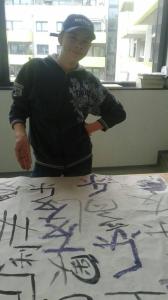
庄生访谈:十一问
1.请您做一下自我介绍?
2.您在哪里过的春节?
3.此次疫情对您产生了哪些影响?
4.您每天是如何打发时间的?
5.您目前的心境如何?
6.回顾疫情之前的岁月,什么让您最满意?您可以就您所在地的疫情及防控情况谈一谈您的感受吗?
7.疫情当中,您吃过最美味的东西是什么?
8.在这次大疫当中,有什么使您的家人很不安?
9.在这次全球流行病中,您对诗人写诗怎么看?您作为诗人写诗了吗?
10.疫情过后,您最想做什么?
11.您对当下,全球疫情形势怎么看?
(请被访问者尽量简洁回答,随稿附上一张生活照和50字以内的简介,感谢!)

标签:Bai Li, boxes, Chinese, Chun Sue, crisis, 白立, disease, family, Fascism, food, friends, help, history, Innsbruck, Japan, Jiang Huhai, Jiaozi, life, lunar calendar, memory, new year, NPC, Pang Qiongzhen, poetry, poets, spring, spring festival, spring.catastrophies, Tu Ya, Tyrol, virus, work, world, writing, Wuhan, Xiang Lianzi, yi sha, Zhuang Sheng, 图雅, 庄生, 庞琼珍, 春树, 江湖海, 湘莲子, 伊沙
发表在 2002, 2003, 2005, 2010s, 2020, 2081, 20th century, 21st century, December 2019, February 2020, January 2020, March 2020, Middle Ages, NPC, poetry, Translations, Uncategorized, Yi Sha, 新世纪诗典, 江湖海, 伊沙 | 2 Comments »
3月 16, 2020

Yi Sha
FACTS MAKE POETRY
EURO cup, empty stadium
still has poetry.
Valencia home game
and one spectatator
there in the stands!
It is a sculpture,
sits on a seat.
A middle-aged
blind person
who went on
to root for his team
in the last twenty years
of his life.
March 2020
Translated by MW, March 2020
《事实的诗意》
伊沙
欧冠空场
亦有诗
巴伦西亚主场
还是有一名
观众在看球
是一尊雕像
坐在座位上
那是一个
中年失明者
在其生命的
最后廿年
依然到现场
为主队加油
标签:age, disease, Europe, football, loyalty, people, poetry, sculpture, sight, soccer, Spain, sports, team, Valencia, virus, 伊沙
发表在 1990s, 2000, 2000s, 2010s, 2020, 20th century, 21st century, February 2020, January 2020, March 2020, Middle Ages, poetry, Translations, Uncategorized, Yi Sha, 伊沙 | Leave a Comment »
3月 15, 2020


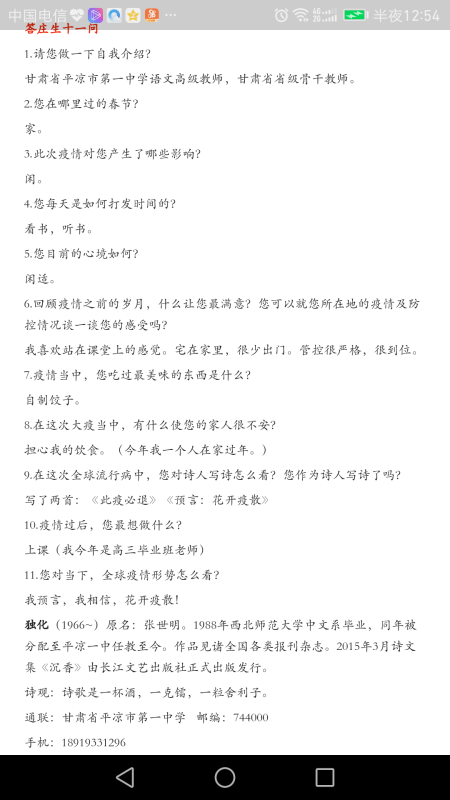
11 Fragen, gestellt von Zhuang Sheng
- Könnten Sie sich bitte vorstellen?
Ich bin Mittelschullehrer in der Stadt Pingliang, Provinz Gansu. “Anerkannter Pädagoge auf Provinzebene”.
- Wo haben Sie das Frühlingsfest verbracht?
Daheim.
- Welchen Einfluss hatte die Viruskrise auf Ihr Leben?
Ich hatte Zeit.
- Wie haben Sie jeden Tag Ihre Zeit verbracht?
Lesen und Hörbücher hören.
- Wie ist Ihre Stimmung im Moment?
Entspannt.
- Im Rückblick auf die Zeit vor der Krise, womit waren Sie am meisten zufrieden? Können Sie etwas über Ihren Eindruck von den Maßnahmen sagen, die an Ihrem Ort gegen das Virus ergriffen wurden?
Ich mag das Gefühl, vor der Klasse zu stehen. Jeder war in seiner Wohnung und ging kaum vor die Tür. Es wurde streng kontrolliert, das war richtig.
- Was war das Beste, was Sie in der Krise gegessen haben?
Selbstgemachte Jiaozi.
- Gibt es etwas in dieser Krise, was Ihre Familie sehr beunruhigt hat?
Ob ich genug zu essen und zu trinken bekomme. (Ich war zum Mondneujahr allein zuhause)
- In dieser globalen Viruskrise, was sagen Sie zu Dichtern, die jetzt Gedichte schreiben? Haben
Sie als Lyriker Gedichte geschrieben?
Ich habe zwei geschrieben. „Muss mich zurückziehen“ und „Vorraussage: Blüten gehen auf, Virus geht weg“.
- Was möchten Sie nach der Krise am liebsten machen?
Unterrichten! (Meine Klasse soll dieses Jahr die Oberstufe abschließen!)
- Was meinen Sie zur globalen Situation in der Viruskrise?
Ich sage voraus, ich glaube fest, so wie die Blüten aufgehen, wird das Virus vergehen!
Du Hua, Künstlername von Zhang Shiming. 1988 Abschluss der Northwest Normal University, im selben Jahr zugeteilt an die 1. Mittelschule der Stadt Pingliang, unterrichtet auch jetzt dort. Publiziert in vielen Zeitschriften in ganz China. Im März 2015 kam sein Gedichtband „Schwerer Duft“ im Verlag Changjiang Wenyi heraus.
Poesie ist ein Glas Wein, ein Gramm Radium, ein Körnchen Sarira [buddhistische Reliquienasche].

Du Hua
VORAUSSAGE: BLÜTEN GEHEN AUF, SEUCHE GEHT WEG
Kirschbäume in Japan
Hibiskus in Korea
Kamille in Italien
Rosensträucher im Iran
Sie blühen alle zur rechten Zeit,
ganz wie die Kirschbäume in Wuhan.
10. März 2020
Übersetzt von MW am 10. März 2020


标签:blossoms, cherry blossoms, crisis, 独化, disease, Du Hua, flowers, food, home, life, people, poetry, school, teaching, town, virus, Wuhan
发表在 2020, 20th century, 21st century, February 2020, January 2020, March 2020, Middle Ages, poetry, Translations, Uncategorized | Leave a Comment »
3月 12, 2020
Jun Er
CORONA
The virus sifts country by country.
Tests public trust & civilization,
tests civil spirit & responsibility,
tests dictatorship & democracy,
tests freedom and love.
This poison poised for destruction
should also belong to life.
March 10, 2020
Translated by MW, March 2020
Jun Er
CORONA
Das Virus siebt Land für Land,
prüft öffentliches Vertrauen, den Grad an Zivilisation,
das allgemeine Niveau, den Sinn für Verantwortung.
Es prüft Diktatur und Demokratie,
prüft Freiheit und Liebe.
Dieses Gift wird ausgelöscht werden
und sollte auch zum Leben gehören.
10. März 2020
Übersetzt von MW im März 2020
《冠状》
君儿
病毒一国一国地过筛子
检验公信力和文明程度
检验公民素质和责任心
检验专制与民主
检验自由与爱
这个注定将被消灭的毒
应该也属于生物
2020.3.10
Jun Er
TRIEB IN DER SCHACHTEL
Hab eine Schachtel Mandarinen bestellt
und einen Trieb bekommen.
Was soll ich tun?
Hab einen leeren Topf aufgetrieben,
den Trieb eingepflanzt,
Erde dazugetan und gegossen,
hab ein paar Muscheln und Steine hineingedrückt.
Keine Ahnung, ob er so leben kann,
muss mich auf seine Kraft verlassen.
Ob das ein Baum wird mit süßen Früchten,
daran trau ich mich noch nicht zu denken.
10. März 2020
Übersetzt von MW im März 2020
《打开丰巢收到树苗》
君儿
网上买一箱橘子
结果收到一棵橘树苗
这让我如何是好
我腾了一个闲置花盆
把它栽进去
填上土 浇足水
压了几块海螺和石头
完全不懂它的习性
能不能活下来
全靠它原始生命力
至于结不结沙糖橘
我连想也不敢想

标签:civilisation, countries, culture, disease, earth, Jun Er, Jun'er, life, mandarin orange, NPC, people, plant, poetry, pot, public, quality, rocks, society, tangerine, virus, world, 君儿, 君兒, 左右, 新世紀詩典
发表在 2003, 2020, 20th century, 21st century, February 2020, January 2020, March 2020, Middle Ages, NPC, poetry, Translations, Uncategorized, 新世纪诗典 | 2 Comments »
3月 10, 2020

Xiang Jiajie
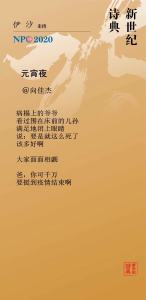
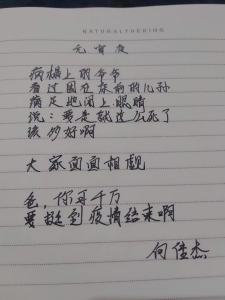
LATERNENFEST
Opa auf dem Krankenbett
sieht rundherum Kinder und Enkel,
schließt zufrieden die Augen,
sagt: Jetzt einfach sterben
wär wirklich nicht schlecht.
Alle schauen einander an.
Papa, du musst unbedingt
aushalten, bis die Virus-Krise vorbei ist!
Übersetzt von MW im März 2020
标签:bed, crisis, death, disease, family, grandparents, NPC, people, poetry, virus, Xiang Jiajie, 向佳洁, 新世纪詩典
发表在 2000s, 2010s, 2020, 20th century, 21st century, February 2020, January 2020, March 2020, Middle Ages, NPC, poetry, Translations, Uncategorized, 新世纪诗典 | Leave a Comment »
3月 9, 2020
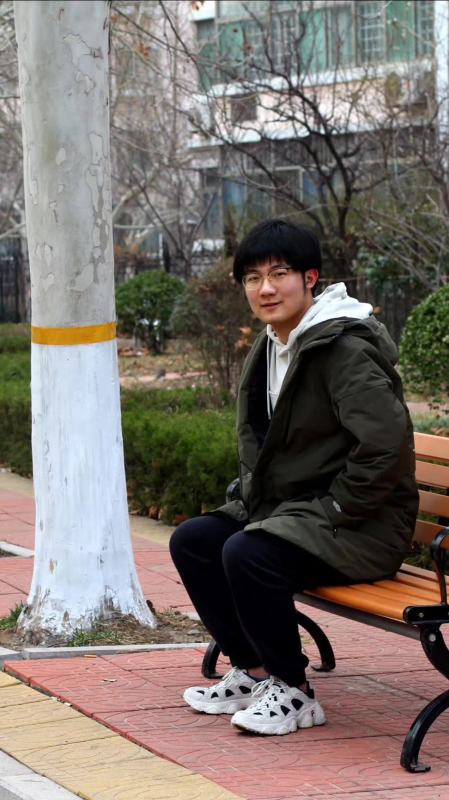
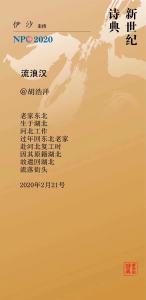
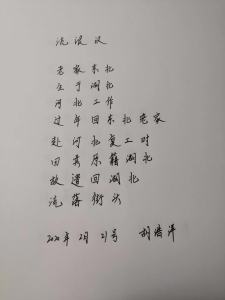
Hu Jieyang
LANDSTREICHER
Herkunft Dongbei, Mandschurei.
Geboren in Hubei,
Arbeit in Hebei.
Zum Mondneujahr in Dongbei, in der Mandschurei.
Bei der Rückkehr zur Arbeit in Hebei
wegen der Papiere aus Hubei
nach Hubei deportiert,
auf der Straße gelandet.
2020-02-21
Übersetzt von MW im März 2020
标签:birth, country, deportation, disease, Dongbei, 胡洁洋, family, health, Hebei, Hu Jieyang, Hubei, land, lunar calendar, Manchuria, new year, NPC, papers, people, province, rules, virus, work, Wuhan, 新世纪詩典
发表在 2000, 2000s, 2003, 2010s, 2020, 20th century, 21st century, February 2020, January 2020, March 2020, Middle Ages, NPC, poetry, Translations, Uncategorized, 新世纪诗典 | Leave a Comment »
3月 8, 2020

Li Suo
THEY
We need their wombs to be fertile
need their bodies to fight the virus
after abortion
We need their hair
We need their moving tears
when their heads are shaved
We need their soft smiles
in the face of brutal rules
but we don’t need their periods
We do need them to give their blood
But we don’t need
their blood down there
Don’t need to hand them sanitary pads
Don’t need to know how many they need
in a day
We need them to go on standing
Need them to cry
need them to laugh
need them to be there
to demonstrate
in the face of this catastrophe
they have achieved even more
equality
February 2020
Translated by MW, March 8, 2020
《她们》
里所
需要她们的子宫生育
需要她们流产后的
身体继续战疫
需要她们的头发
需要她们剃头时的
眼泪煽情
需要她们柔软的笑
衬托规则的蛮横
但不需要她们的月经
需要她们献出的血
不需要她们下面
流出的血
不需要给她们卫生巾
不需要知道她们一天
要换几次卫生巾
需要她们一直站着
需要她们哭
需要她们笑
需要她们存在
以证明灾难中
她们获得了超乎寻常
的平等
标签:blood, bodies, catastrophies, crying, disease, equality, 里所, gender, health, history, hospital, hygiene, laughter, Li Suo, memory, pads, people, rules, sacrifice, sanitation, sanity, smile, society, virus, women, work, Wuhan
发表在 2020, 20th century, 21st century, February 2020, January 2020, Middle Ages, poetry, Translations, Uncategorized | Leave a Comment »
3月 5, 2020
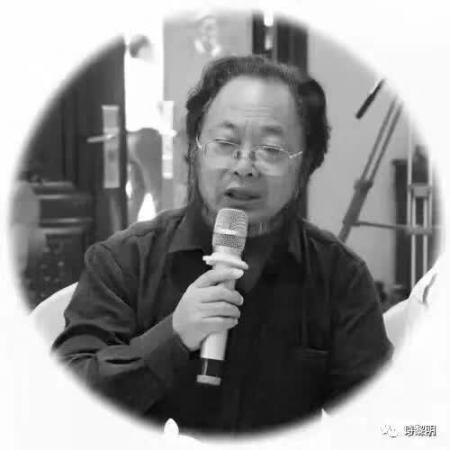
Youzi Xuesong
GRABSPRUCH
Bestätigte Nachricht aus meinem Heimatort –
derzeit kein einziger Fall von Coronavirus.
Das macht mich froh, das ist ein Trost. Tausend Meilen entfernt,
aber ich kann mich mein ganzes Leben nicht davon lösen.
Hier bin ich geboren und aufgewachsen, hier
wohnen meine Verwandten, Freunde, Bekannten,
Ziegelteich und Päonienhang, hier fließen Changhuai und Feishui.
In meinen Knochen sind Dialekt und Leberfleck.
Dieses Gedicht ist nicht lang, es muss nicht öffentlich werden,
Falls ich aus der Fremde diesen Frühling nicht wegkomm,
du klickst deinen Freundeskreis an, findest das ist mein
Grabspruch.
Übersetzt von MW im März 2020

标签:death, disease, family, friends, home, homesick, life, news, NPC, people, poetry, public, social media, society, virus, Youzi Xuesong, 新世纪詩典, 游子雪松
发表在 2020, 20th century, 21st century, February 2020, January 2020, March 2020, Middle Ages, NPC, poetry, Translations, Uncategorized, 新世纪诗典 | Leave a Comment »
3月 4, 2020
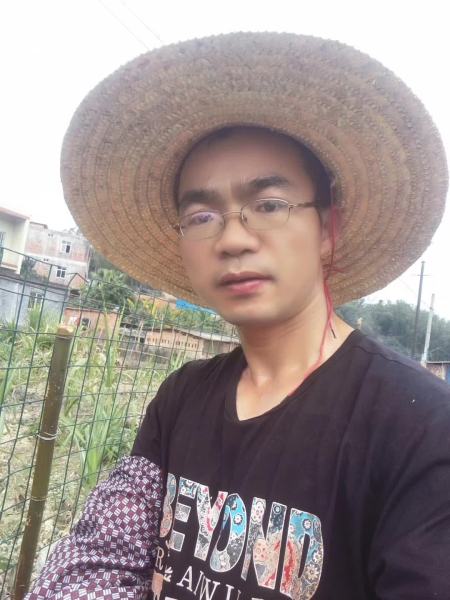
Lu Fuxiang
DRACHE HEBT SEINEN KOPF
Am Drachenrückenberg
gibts heuer keinen Drachentanz.
Wir bitten zwei Taoisten,
mit Mundschutz,
an der Kreuzung
lesen sie aus den heiligen Schriften,
mit dem Rücken
zur Lehmmauer mit der Viruswarnung.
Sie verbrennen Totenpapier
und Feuerwerk,
und die Bauern beginnen zu pflügen.
2020-02-24
Übersetzt von MW am 3. März 2020


标签:Daoism, dragon, 陆福祥, fireworks, Lu Fuxiang, NPC, people, spring, tradition, virus, 新世纪詩典
发表在 2020, 20th century, 21st century, February 2020, January 2020, Middle Ages, NPC, poetry, Translations, Uncategorized, 新世纪诗典 | Leave a Comment »
2月 20, 2020
Han Jingyuan
MUTTERLIEBE
In all den Dokumenten
der Freiwilligen
die in den Kampf ziehen
in den Briefen die sich auftürmen wie Lawinen
wie ein Lauffeuer
mit blutroten Daumenabdrücken
hab ich ein Detail bemerkt.
In der Zeit als man noch nichts gewusst hat
über den Corona-Virus in Wuhan
als mehr und mehr Menschen angesteckt wurden
haben Ärzte an einem Wuhaner Krankenhaus
wegen fehlender Schutzkleidung gestreikt
und eine Ärztin
hat gesagt sie kündige
weil sie Angst habe.
Sie hat gerade erst ein Kind geboren.
Januar 2020
Übersetzt von MW im Februar 2020
标签:child, children, disease, doctor, 韩敬源, Han Jingyuan, health, hospital, infection, medicine, mother, news, NPC, people, protection, safety, strike, virus, volunteers, work, Wuhan, 新世纪詩典
发表在 2003, 2020, 20th century, 21st century, February 2020, January 2020, NPC, poetry, Translations, Uncategorized, 新世纪诗典 | Leave a Comment »
2月 15, 2020
Yi Sha
NICHT VERBRENNEN
Ihr dürft die Handys
der Toten nicht mit verbrennen!
Das sind ihre Namen,
ihre Registrierung
ihre Usernames
ihre Passwörter
ihre Bar codes
ihre Tagebücher
ihre Fotos
ihre Spuren
ihre Freundeskreise
ihre Beziehungen
ihre Angehörigen
ihre Bankverbindungen
ihr Geld
ihre Bibliotheken
ihre Restaurants
ihre Internetshops
ihre Supermärkte
ihre Pizzaboten
ihre Privatsachen
ihre Geheimnisse.
Das ist ihr Umgang mit ihrer Welt,
das sind die Belege
für ihren Lebenskreis.
Da drin sind ihr Schicksal,
ihr Atem,
ihre Hinterlassenschaft,
ihre letzten Worte,
ihre Liebe,
ihr Hass,
ihr Sex,
ihre Gedichte.
Ihr dürft die Handys
der Toten
nicht alle verbrennen!
14. Februar 2020
Übersetzt von MW am 14. Februar 2020
《不能烧》
伊沙
你们不能
把逝者的手机
一把火烧掉
那是他们的姓名
他们的注册
他们的域名
他们的密码
他们的二维码
他们的日志
他们的照片
他们的足迹
他们的朋友圈
他们的关系网
他们的亲人
他们的银行
他们的钱
他们的图书馆
他们的饭馆
他们的网店
他们的超市
他们的送餐小哥
他们的稳私
他们的秘密
他们与世界的交流
他们活过一场的
核心证据
他们的生命
他们的呼吸
他们的遗物
他们的遗言
他们的爱
他们的恨
他们的性
他们的诗
你们不能
把逝者的手机
一把火烧掉
2020、2、14
标签:burn, death, disease, life, people, phone, poetry, society, virus, Wuhan, yi sha, 伊沙
发表在 2020, 20th century, 21st century, February 2020, January 2020, Middle Ages, poetry, Translations, Uncategorized, Yi Sha, 伊沙 | Leave a Comment »
 中国大好き
中国大好き 