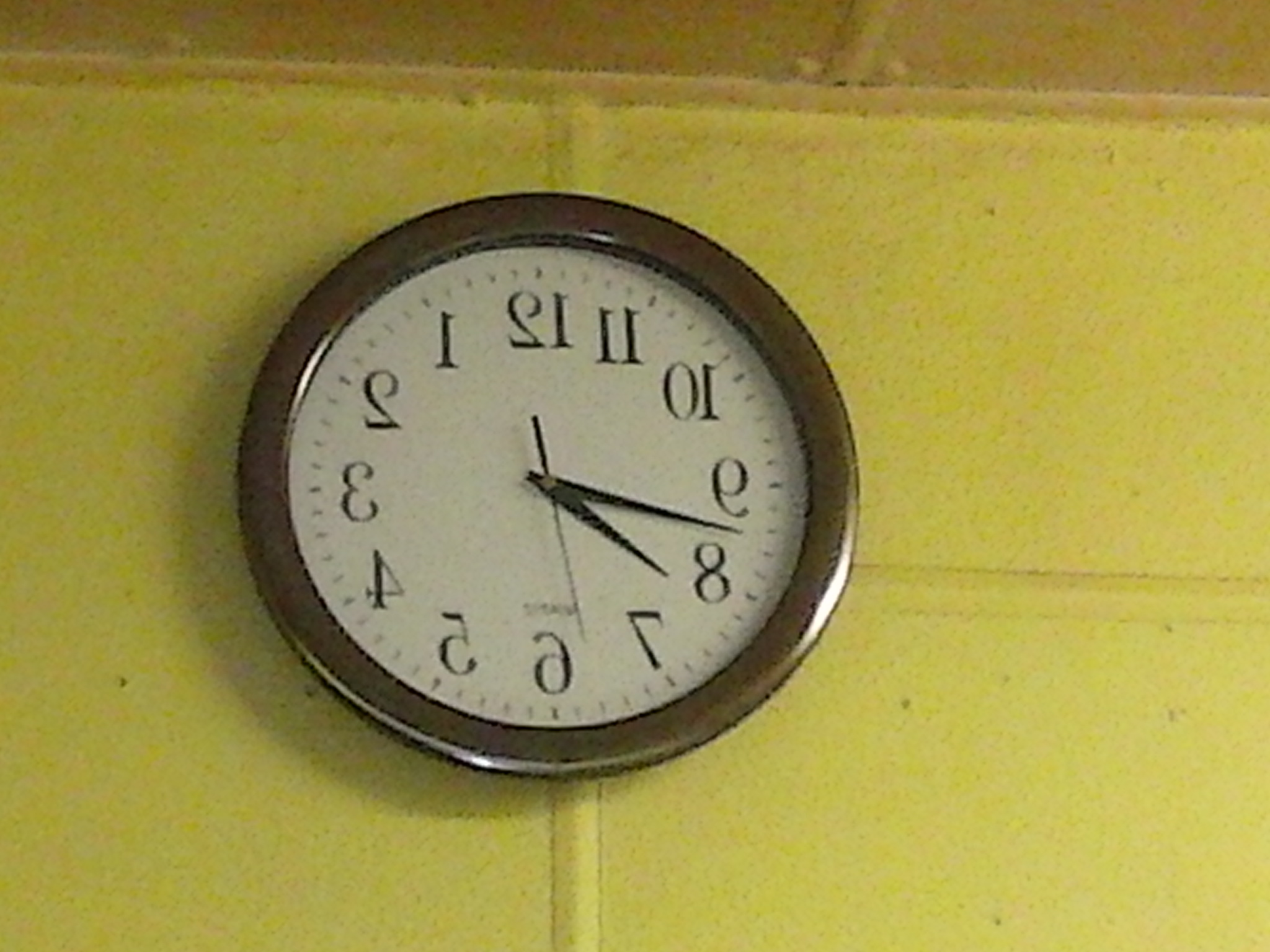
JAMES BROWN KARAOKE
sex is that almost innocent thing
love is that almost innocent thing
dance is that almost innocent thing
life is that almost innocent thing
song is that almost innocent thing
– for Raquel and friends
MW Oct. 18, 2014
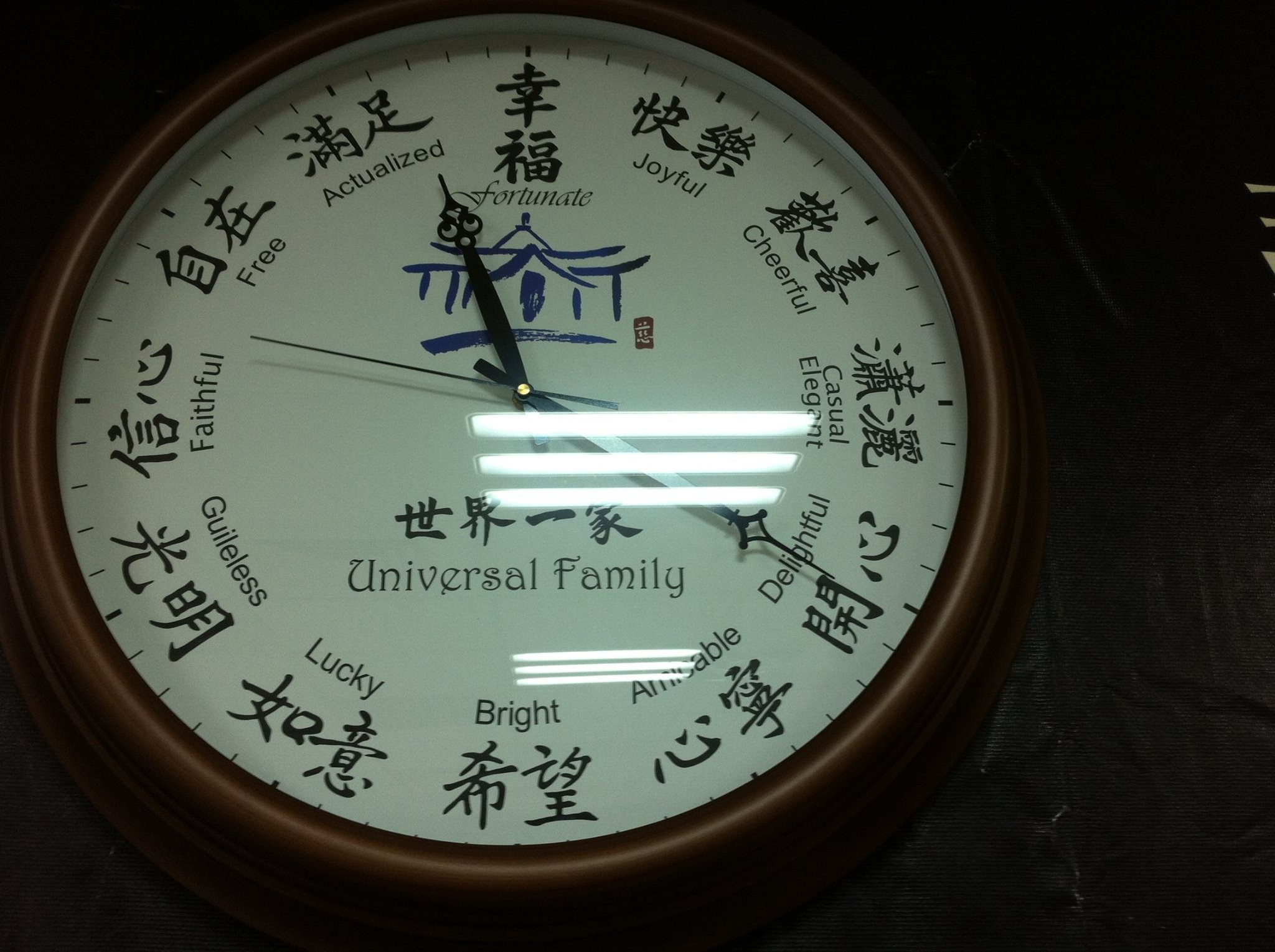

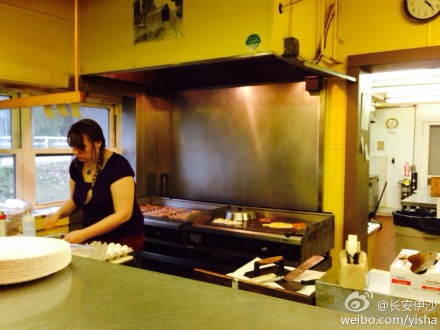
JAMES BROWN KARAOKE
sex is that almost innocent thing
love is that almost innocent thing
dance is that almost innocent thing
life is that almost innocent thing
song is that almost innocent thing
– for Raquel and friends
MW Oct. 18, 2014
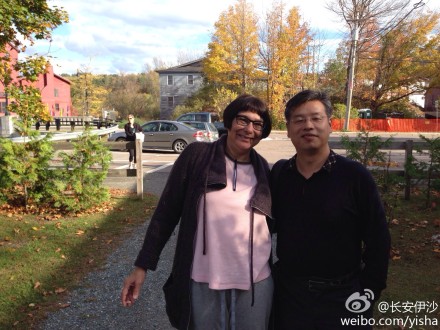
Yi Sha
ONE YEAR
at vermont studio center
in front of maverick writing studio
I ask joann
the female writer from chicago:
“I heard the longest residence here
is twelve months.
have you met any writer or painter
who stayed that long?”
“yeah, I’ve seen one”, says joann
stretching both arms in front of her
hopping forward
Tr. MW, Oct. 2014
伊沙
《一年》
在佛蒙特创作中心
马夫瑞克工作楼前
我问芝加哥女作家
朱安女士:
“此处最长的驻站
是12个月
你见过在这里
呆了一年的
作家或画家吗?”
“见过”朱安说
然后伸出双臂
向前平举
朝前蹦去

CROSSING THE YELLOW RIVER
The train was passing the Yellow River
I was in the toilet
I knew that pissing wasn’t the right thing
I should have sat at my window
or stood at a door
left hand on my hip
right hand at my brows
gazing out like a Great Man
at least like a poet
having thoughts on the river
on old debts of history
everyone was gazing out
I was in the toilet
taking my time
finally I had time for myself
I had waited one day and one night
in the time it took for my business
the Yellow River had flown far away
1988
Tr. MW, Oct. 2014
伊沙
车过黄河
列车经过黄河
我正在厕所小便
我深知这不该
我 应该坐在窗前
或站在车门旁边
左手叉腰
右手作眉檐
眺望 象个伟人
至少象个诗人
想点河上的事情
或历史的陈帐
那时人们都在眺望
我在厕所里
时间很长
现在这时间属于我
我等了一天一夜
只一泡尿功夫
黄河已经流远
YI SHA: SUNDAY OCT. 5TH 2014 VERMONT STUDIO CENTER LECTURE HALL READING
9/11 REPORT FROM THE COUCH
CHINA DOWN AT THE BOTTOM
SEX EDUCATION
HAVING MY VISA REFUSED AT THE AMERICAN EMBASSY
(ENTERING AMERICA, DREAM #442, ONE DAY CROSSING THE SQUARE, GOING HOME FOR LUNAR NEW YEAR, THE PEOPLE ….)
 Yi Sha
9/11 REPORT FROM THE COUCH
Ist second: mouth barn-door open
2nd second: wooden-chicken stiff
3rd second: couldn’t believe it
4th second: it must be true
5th second: what a great fire
6th second: well they deserve it
7th second: this is retribution
8th second: these buggers have guts
9th second: must be their religion
10th second: before I realize
my own little sister
lives in new york
I need a telephone
long distance call!
can’t get a connection!
I go storming for a computer
where is the internet
typing out characters
writing an email
shaky fingers
“sister, sister!
are you alive?
your elder brother is worried sick!”
2001
Tr. MW, Oct. 2014
伊沙
《9.11心理报告》
第1秒钟目瞪口呆
第2秒钟呆若木鸡
第3秒钟将信将疑
第4秒钟确信无疑
第5秒钟隔岸观火
第6秒钟幸灾乐祸
第7秒钟口称复仇
第8秒钟崇拜歹徒
第9秒钟感叹信仰
第10秒钟猛然记起
我的胞妹
就住在纽约
急拨电话
要国际长途
未通
扑向电脑
上网
发伊妹儿
敲字
手指发抖
“妹子,妹子
你还活着吗?
老哥快要急死了!”
(2001)
Here is a link to our reading at Vermont Studio Center on SoundCloud. 伊沙、维马丁在美国佛蒙特创作中心朗诵的录音

Chen Moshi
PULLED DEMONS
I say, there are some films and TV-series nowadays not bad at all,
like those hand-pulled demons.
Pulling those demons comes after the demons chop down people,
comes after they are still happy from having chopped down people.
Those Japanese demons come from across the sea,
they loose their souls anyway on the long journey.
Actually, I have only seen chicken ripped apart with bare hands,
they also have duck meat in handy bits, and then pulled beef, pork, dog legs.
“Pulled demons”, must be the will of the gods.
Pulled demons, that’s really not very easy.
If we see them one day, let us have some together!
Tr. MW, Sept. 2014

Jiang Tao
LIONS DIDN’T BRING CHANGE
lions haven’t brought change
lions need to eat meat
lions haven’t brought change
lions haven’t brought money
lions have no money
lions just don’t have money
lions need to eat meat
lions aren’t leo
lions have no zodiac
lions have no money
lions can only stay in the grasslands
lions need to eat meat
Tr. MW, July 2014
Jiang Tao
LÖWEN HABEN KEIN KLEINGELD DABEI
löwen haben kein kleingeld dabei
löwen brauchen fleisch zum essen
löwen haben kein kleingeld dabei
löwen haben kein geld dabei
löwen haben kein geld
löwen haben gar kein geld
löwen brauchen fleisch zum essen
löwen sind keine löwen im sternzeichen
löwen haben keine sternzeichen
löwen haben kein geld
löwen können nur in der steppe bleiben
löwen brauchen fleisch zum essen
Übersetzt von MW im Juli 2014

picture by Sara Bernal
Wei Mading
WUWANG HANYUPINYINLIANXI
wuwangliusiuwangliusiwwangliusiwu
angliusiwuwngliusiwuwagliusiwuwan
liusiwuwangiusiwuwanglusiwuwangli
siwuwangliuiwuwangliuswuwangliusi
MW June 2014

picture by Sara Bernal

Shen Haobo
IN JEDEM GEBÄUDE GIBT ES EINE KLAVIERSPIELERIN
in jedem gebäude
gibt es eine
klavierspielerin
ich habe nie
auch nur eine von ihnen gesehen
die klavierspielerinnen
kommen nie
in die sonne
bis viele jahre später
eines tages
die melodie plötzlich aufhört
dann erst bemerk ich
das eingestürzte gebäude
ich grab durch die trümmer
und seh einen finger
einen durchsichtigen finger
damit hab ich gerechnet
ich umarme meine liebe
und zieh sie hinaus
ich küsse ihr weißes haar
und ihr faltiges gesicht
2009-01-31
Übersetzt von MW im Mai 2014
Shen Haobo
IN EVERY BUILDING THERE IS A GIRL WHO PLAYS THE PIANO
in every building
there is a girl
who plays the piano
I’ve never seen
any one of these girls
they play their piano
and they never come
out into the sun
until many years later
one day
a piano tune suddenly stops
and I realize
the building has fallen
I am hauling the rubble
there is a finger
a translucent finger
just like I imagined
I am holding my love
dragging her out
I kiss her white hair
and her wrinkled face
2009-01-31
Tr. MW, May 2014
(This video is a performance of a different poem from the one below. Please click for English translation of the video.)
SPOTTED DOG
all those heads, barking
midnight under the tables outside
a spotted dog, dozing
at midnight
wantonly he let me take off his spots
so like a naked mademoiselle
stretching four unadorned legs to the heavens
2004
Tr. MW, April 2014
车前子
斑点狗
那些头脑,狂吠
午夜露天酒桌下
瞌睡的一条斑点狗
在午夜
让我肆无忌惮地擦去斑点
它多像小姐脱光
素面朝天的四条腿
2004
从新世纪诗典(第一季),伊沙编选
GESCHECKTER HUND
diese köpfe, kläffend
mitternacht, unter den tischen im freien
döste ein gescheckter hund
um mitternacht
ließ er mich hemmungslos seine punkte entfernen
eine nackte mademoiselle
streckte vier blanke beine gen himmel
2004
Übersetzt von MW im April 2014


Yi Sha TRÄUME
TRAUM 362
ich gebe meine stimme ab
bei einem poesiewettbewerb
ich bin eifrig dabei
auf einmal wird es eine stimme in einer wahl des präsidenten
auf dem großen bildschirm redet live
martin luther king:
“ich habe einen traum …”
2014-01
Übersetzt von MW 2014-02
《梦(362)》
我在投一项 诗歌奖的选票
投着投着
就投成了
选举总统的一票
现场的大屏幕上
马丁·路德·金
在演讲: “我有一个梦……”
TRAUM 1
ich hab einen brief an den onkel geschrieben
und will den brief zum postamt tragen
die mutter erinnert mich:
“du schreibst unsere telefonnummer
hinten aufs kuvert”
“auf das kuvert darf nur die adresse”
geb ich der mutter genervt zurück
auf dem weg zum postamt
denk ich hin und her:
“gibt es eigentlich diese vorschrift?”
auf dem einzigen weg zum postamt
straße der kämpfe aus meiner kindheit
kommt mir die frau vom onkel entgegen
ich rufe: “tante! tante!”
sie ignoriert mich
schaut als ob sie mich nicht kennt
da fällt mir erst ein: sie ist schon gestorben
im katastrophenjahr der familie 1997
ich habe kalten schweiß auf der stirn
nimm das handy heraus und ruf daheim an
“mama, jetzt glaub ich an geister!
ich hab auf der straße die tante gesehen!”
aus dem telefon kommt über-echt die stimme der mutter:
“kind! wie kannst du das vergessen?
mama ist auch schon längst tot —
im selben jahr wie die tante gestorben!”
2012/1
Übersetzt von MW 2014/2
《梦(1)》
我给舅舅写好了一封信
准备去邮局投寄这封信
母亲叮嘱:‘你把咱家的/电话号码写在信封背面’
‘信封上不许乱涂乱画’
我很不耐烦地回应母亲
走在去邮局的路上
我还在想着此事:到底有无这项规定?
通往邮局的惟一的路
是我儿时常打巷战的那条小巷
迎面看见了我的舅婆
我叫她:‘舅婆!舅婆!’
她不理我
看我的表情就像不认识我似的
我这才恍然想起:她已经死了
死在我们家族多灾多难的1997年
我惊出了一头冷汗
赶紧掏出手机拨通家里的电话
对着母亲嚷道:‘妈,我现在相信有鬼了
我在街上看见死去的舅婆了!’
手机里传出母亲的声音十二分保真:
‘儿子啊!你怎么忘了呢?
妈也早死了——/跟舅婆同一年死的呀!’
TRAUM 368
ich schlafe in
einem riesigen zelt
wie das von 1976
von der einheit meiner eltern
wegen des erdbebens
wir erfuhren fast einen monat
den kommunismus
das kollektiv
nach dem aufstehen
ist von meinen schuhen
nur einer übrig
mit nacktem fuß
such ich im zelt
such überall
am ende
find ich unter irgendeinem feldbett
einen fuchs
mit einem schuh
in seinem maul
2014-01
Übersetzt von MW 2014-02
《梦(368)》
我睡在一个
硕大的帐篷里
好像1976年
父母单位搭建的
公共防震棚
让我们体验了
个把月的共产主义
集体生活
起床后
我发现我的鞋
仅剩下一只
便光着脚
在帐篷里
到处寻找
最后
在谁家的行军床下
找到一只狐狸
它的嘴里
叼着一只鞋
TRAUM 371
im sportfest meiner volksschule
gab es einen bewerb
handgranaten werfen
ich war der erste
gestern im traum
die ganze szene des werfens
worum es ging bei der bewegung
und meine damaligen gedanken:
“ich bin besser als sie,
aber setze ich nicht meine ganze kraft ein
kann es auch sein
dass ich nicht gewinne …
2014-01
Übersetzt von MW 2014-02
《梦(371)》
我所经历的
小学运动会
还有手榴弹一项
我得了第一
昨夜,我当年
投弹的场面
重现在我梦中
还有动作要领
和我当时的
所思所想
全都回来了:
“我是比他们强
但如果未尽全力
也有可能
拿不到第一……”
TRAUM 372
nebel und dunst auch im traum
ich will es wissen
bemerke betrübt
es ist kein nebel
2014-01
Übersetzt von MW 2014-02
《梦(372)》
梦中也有雾霾天
我仔细分辨着
沮丧地发现
不是雾
而是霾

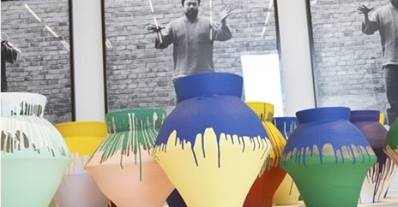
孟浪
《無 題》
——贈邁阿密地方藝術家
破罐子破摔
摔出一座黃金屋
愛誰誰心疼
破罐子破摔
摔出一個新中國
艾未未無言
破罐子破摔
滿地的蟋蟀逗弄京城
破罐子破摔
這哥們有趣兒——撅著屁股爬天安門
逗弄毛主席的痣……
Meng Lang
UNTITLED
– for a local artist in Miami (who smashed a vase by Ai Weiwei in Feb. 2014)
break a jar break a vase
break a golden pagoda
maybe break someone’s heart
break a jar break a vase
smash a whole new china
ai weiwei stands apart
break a jar break a vase
on the floor full of crickets teasing the capital city
break a jar break a vase
this guy has spunk — climbs up tiananmen
with his butt on the mole below mao’s nose
Tr. MW, Feb. 2014
[As always, Ai Weiwei is about asking what art is. Internationally. Great. (Translator’s note)]


YAN LI! Yesterday I posted his THREE POEMS FROM THE 1980s. Prominent words and themes in GIVE IT BACK (1986), YOU (1987) and YOU (1989) are “love” and “citizen”. The most prominent news story from China in January 2014 was the trial and sentencing of XU ZHIYONG 许志永, a legal scholar and leading activist of the New Citizen movement. Trials, everything connected with rule of law has been very much in the news for a long time in China. See Han Zongbao’s poem 韩宗宝 from fall 2013, for example.
Xu’s statement in court was titled “FOR FREEDOM, JUSTICE AND LOVE“. I was rather surprised at “love” being evoked as a core political value like “freedom” and “justice”. Liberté, Egalité, Amour? Xu’s statement and the accompanying account of how authorities had tried to warn and intimidate him before he was arrested make it clear that he is not only an activist for the rights of migrant workers and for greater openness about public servants’ financial assets. “Can you explain what you mean by Socialism?”, he asks. This is certainly a very important question. China is a Socialist country, at least by name, just like Vietnam, North Korea and Laos. Are there any others? Socialism for China is like Shiite Islam for Iran. But what does Socialism mean, apart from one-party-rule? I think it’s something to believe in, and to practice, to change the fates of working people through actions of solidarity. Isn’t that what the New Citizen movement was trying to do? But Xu has all but dismissed Socialism and has not tried to invoke it as something originally worth believing in. This is understandable, under the circumstances. But can you imagine someone standing up in court in Iran and asking “Can you explain what Islam entails?” Maybe people do it, I don’t know. They probably wouldn’t dismiss religion.
Actually, it is more complicated. I think Xu is testing what is possible. how far the system will go to crush opposition. In his obstinacy he could be compared to Shi Mingde (Shih Ming-te) 施明德 in Taiwan in the 1980s. But Xu is much younger than Shi was in the late 1980s, he was only 15 in 1989.
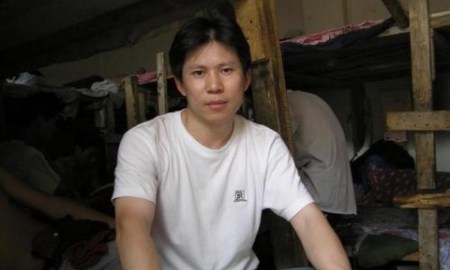
C:你的一系列文章,比如《人民的国家》,整个照搬西方体制,反党反社会主义,你们的组织活动,几个月发展到几千人,你的行为已经构成犯罪,而且不止一个罪名。
我:共产党、社会主义难道不是西方的吗?请问什么是社会主义?市场经济如果是社会主义,我们追求的民主法治为什么就不是社会主义?社会主义必然和民主法治对立吗?关于反党,这个概念太极端,方针政策对的就支持,错误的就反对,而且,我对任何人都心怀善意,如果共产党经过大选继续执政,我支持。[…] 我可能比你更爱中国!你有空可以看看我写的《回到中国去》,看一个中国人在美国的经历和感想。而你们,多少贪官污吏把财产转移到了国外?
C:爱党,爱国,爱人民,三位一体,你不爱党,怎么爱国爱人民?
我:我的祖国五千年了,来自西方的党还不到百年,将来共产党不会千秋万世永远统治,怎么可能三位一体?我爱中国,我爱13亿同胞,但我不爱党。一个原因是历史上它给我的祖国带来的太残酷的伤害,数千万人饿死,文化大革命彻底摧残了中华民族的精神文化,还有就是今天这个党太肮脏,大量贪官污吏,从申请书到入党宣誓都是在公然撒谎——有几个真的要为共产主义奋斗终身?我厌恶谎言,我厌恶为了私欲不择手段,我厌恶一个人在宣誓的时刻也撒谎。
C:敢说不爱党,算你是好汉。考虑到你的主张自由、公义、爱还不错,目的是好的,本着教育的方针,还是希望爱党,放弃公民活动,多和社会各界接触,看问题更客观些。
我:谢谢提醒,我会努力更加客观理性,既看社会问题,也看新闻联播。具体活动如果有不当之处,我可以听取建议,有些行为如果超前了,可以停下来,都可以协商,但是别说什么犯罪。
C:我知道一时半会改变不了你的观点。看过你的档案,你这个人多年来就像一根针一样那么恒定,立场就在那里一动不动。下次接着谈吧。明天后天下午什么时候你觉得合适?
我:明天吧。[words marked by me, see below]
This dialogue between Xu and Beijing State Security official C is very interesting. There is a measure of mutual respect. Xu has spunk, he is brave and obstinate. He mentions “数千万人饿死”, tens of millions died of hunger, as one of the main reasons for not “loving the party” 爱党, as suggested by his interrogator. This dialogue should be very good material for studying Chinese. This section is from the end of the first day (June 25) of Xu’s interrogations in June 2013. You can compare the original to the translation on http://Chinachange.org. In the translation, I could not access the link to Xu’s patriotic article Go Back To China 《回到中国去》, written in New York a few years ago, but it seems to be available on several blogs readily accessible in China.
‘I Don’t Want You to Give Up’ – a public letter by Xu Zhiyong’s wife.
Words like “citizen” and “love”, and any other words or means of expressions, actually, become something remarkably different in a work of art, different from every-day-usage, and usage in political statements. I find Xu’s use of “love” baffling. “Love” strikes me as rather imprecise, compared to “justice”, for example. Love, simply love, not compassion or caritas. Not bo’ai 博爱, just aì 愛, as in Wo ai ni 我愛你。Imprecise, but endearing, as something obviously non-political. And thus closer to poetry, literature, art? Ubi caritas et amor, deus ibi est. All You Need is Love. And so on.
“If I had a hammer I’d hammer in the morning/ I’d hammer in the evening all over this land/ I’d hammer out danger, I’d hammer out warning/ I’d hammer out love between my brothers and my sisters/ All over this land …” Pete Seeger (May 3, 1919 – January 27, 2014)
The International Federation of Journalists has issued a report on press freedom in China in 2013. Here are two small excerpts:
“On May 3, a woman named Yuan Liya was found dead
outside Jingwen shopping centre in Beijing. Police said
Yuan had jumped from the shopping centre, but her
parents suspected she was killed after she was raped
by several security guards during the night. On May
8 the media was instructed to republish a statement
issued by the Beijing Police and further ordered that
no information could be gathered from independent
sources. All online news sites were told to downplay the
case and social microblogs were required to remove all
related news items.”
This immediately reminds me of SHENG XUE’s 盛雪 poem YOUR RED LIPS, A WORDLESS HOLE, from early 2007. The original is titled NI KONGDONG WU SHENG DE YU YAN HONG CHUN 你空洞无声的欲言红唇. The poem was translated into German by Angelika Burgsteiner and recited in early March 2013 at TIME TO SAY NO, the PEN Austria event for International Women’s Day, in cooperation with PEN Brazil.
“On May 14, media outlets disclosed that several
primary school principals were involved in scandals
involving sexual exploitation of minors. All of the alleged
victims were primary school students. Some bloggers
initiated a campaign aimed at protecting children, but
the authorities demanded that the media downplay
both the scandal and the campaign.”
Cf. Lily’s Story 丽丽传 by Zhao Siyun 赵思云, from 2012.
In China, a Young Feminist Battles Sexual Violence Step by Step

EIN VOGEL IN GYÖR
ein vogel sein
ein vogel im baum
im baum auf der mauer
auf der mauer am fluss
in der sonne im november
ein vogel sein
eine ente im fluss
ein schmetterling
ein löwenzahn
oder ein mann
oder ein großer glänzender baum
MW November 2013
<焦尔一只鸟>
作一只鸟
树上的鸟
城墙上的树
河边的城墙
十一月晒太阳
作一只鸟
河里一只鸭子
作一只蝴蝶
一朵蒲公英
要不作一个人
要不作一棵灿烂大树
2013/11, 于匈牙利焦尔
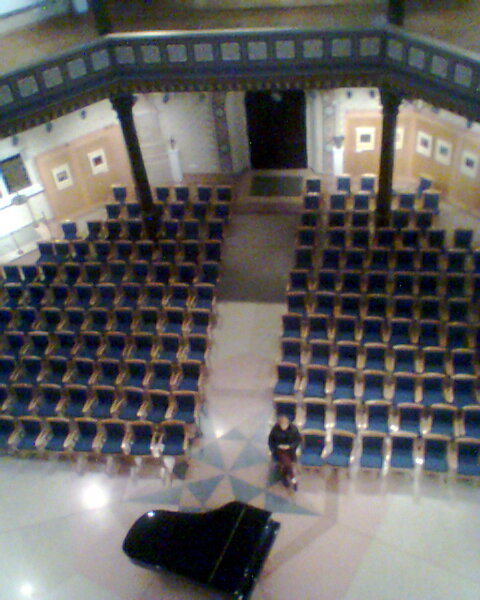
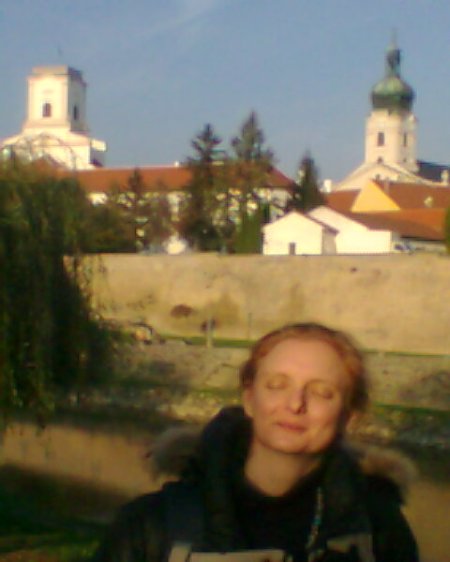 <匈牙利焦尔>
焦尔是很漂亮的城市
吃饭非常好
温泉很舒服
还有一座惊人的音乐厅
很现代的楼
几乎维也纳音乐厅那么大
只外面墙上不向往德意志民族
不过也许演奏过瓦格纳
音乐厅原来是犹太庙
目前旁边有小小的犹太学校
这座小城市
五千犹太人迁往
奥斯威辛集中營毒气室
也很多小孩
焦尔是很漂亮的城市
国家歌剧院两片
瓦萨雷里的马赛克
我们看了门德尔松
写的莎士比亚
仲夏夜之梦
匈牙利人鼓掌的方式有特点
焦尔有很多教堂
一九四五年
苏联军队
杀死一位教主
他让妇女避难
牧师学校的地下
焦尔是很漂亮的城市
吃饭非常好
温泉很舒服
还有一座惊人的音乐厅
2013/11, 于匈牙利焦尔
GYÖR
györ ist eine schöne stadt
das essen ist köstlich
die therme ist herrlich
es gibt ein wunderschönes konzerthaus
was du ererbt hast von deinen vätern
erwirb es um es zu besitzen
ein schönes konzerthaus
ererbt von den toten
eine große synagoge
ein modernes konzerthaus
fast so groß wie das in wien
nur ohne deutschtum an der fassade
vielleicht spielen sie auch wagner
in der schule an der seite
existiert eine kleine gemeinde
aus dieser kleinstadt
wurden 5000 in ausschwitz vergast
auch viele kinder
györ ist eine schöne stadt
es gibt ein theater mit vasarely
an der fassade vorne und hinten
von oben wirkt es wie eine schanze
vom turm des priesterseminars
eine chance für die kultur
wir sahen ein wunderschönes ballett
mendelssohns sommernachtstraum
sokrates sagte in politeia
es brauche eine gemeinde
eine stadt beschützt von den göttern
von etwas gutem
etwas gedacht als gütige gottheit
gott der gerechten
es gibt die kirchen
es gab auch märtyrer unter den priestern
der bischof beschützte frauen im keller
und wurde erschossen
sokrates sagte in politeia
dass ein einzelner gerecht sei
sei nicht begründet
in einzelnen menschen
sondern in der ganzen gemeinde
in einem gott der ganzen stadt
was du ererbt hast von deinen vätern
erwirb es um es zu besitzen
ererbt von den toten
trebic und györ
mikulov und kosice
friedhof altstadt synagoge
viele juden fielen im weltkrieg
im ersten weltkrieg
für österreich-ungarn
oder für deutschland
was 1944 geschah
deportation und dann die bomben
das leben danach
in kleinen städten ist es recht deutlich
györ ist eine schöne stadt
das essen ist köstlich
die therme ist herrlich
es gibt ein wunderschönes konzerthaus
MW November 2013
伊沙新作(2013年9月) http://blog.sina.com.cn/s/blog_489db0970102eudh.html
Yi Sha
LOB DER JAPANISCHEN PORNOS
reden wir nicht über die sexuelle
befriedigung die ich davon hatte
(sonst heisst es ich propagiere die unzucht)
nur was ich künstlerisch
daraus erkannte
scheinbar heimlich gefilmt
synchron mit der zeit
ungeschnitten fühlt es sich an
als habe man alle männlichen weiblichen
darsteller frisch von der strasse gefangen
das gefühl der nähe zu diesen laien
das selbstvergessene hineinsteigern
rein auf den sex konzentriert
schmierig, geschmacklos, hässlich, gemein
nichts menschliches ist ihnen fremd
diese perverse leidenschaft
hat sicher im stillen
meine verse beeinflusst
meine einstellung beim schreiben
und zwar sehr früh
Übersetzt von MW im Oktober 2013
伊沙
《日本AV颂》
不谈它在性上
给我的满足
(有点诲淫的嫌疑)
单说它在艺术上
带给我的启示
那种仿佛来自偷拍
与时间同步
未经剪辑的真实感
那种每位女优男优
像是从街头拉来的
群众演员的亲切感
那种不回避人性的
猥琐、阴暗、丑陋、邪恶
专注于性本身的
忘我的投入精神
貌似变态的激情
一定在暗中
影响过我的诗
以及我的写作态度
从很早以前开始
The Globe and Mail article quoted by Paul Manfredi is well informed and sympathetic. But it doesn’t spell out any concrete reasons for Ai Weiwei’s singular status. Ai Weiwei’s status, even after his imprisonment, is that of a “princeling”. It seems to be easier to get rid of Bo Xilai. Bo’s father was one of the “eight immortals” of the Communist Party. Ai Weiwei’s father Ai Qing was a persecuted Communist writer, persecuted under Communist rule since the 1940s. Persecuted before, that’s where he got his name. Most of his colleagues denounced each other. Among famous writers, few seem to have been as obstinate as Ai Qing. He was banished to an army town in Xinjiang, a huge city today. There he cleaned toilets, together with little Weiwei. But after Deng Xiaoping came to power in 1978, Ai Qing became an icon. Unlike Bo Xilai and his henchmen, Ai Weiwei did not build labor camps and organ-harvested Falungong-followers. Before he was arrested, Global Times had published many sympathetic articles about his civil rights activism. And even after his abduction and imprisonment at an unknown location, Ai Weiwei gets to keep his comparatively huge house and grounds and most of his fortune. If he was persecuted too much, the main reason for Ai Weiwei’s status would come out too clearly: It would be awkward to discuss his father’s fate in detail. Cultural policy since the 1940s is no secret to anybody in and around the arts in China. But still. Maybe it would come out too clearly how control over art and literature and everything connected to culture was deemed even more important than in other Socialist countries. How idealism had been betrayed again and again, most effectively with broad domestic and international participation in economic growth after 1989. Ai Weiwei is very different from his father Ai Qing in many aspects, as well from his older brother Ai Xuan, who is also a well-known artist in China. But like his father, Ai Weiwei remains an icon of idealism. It would be awkward and politically dangerous to challenge such icons too much and thus revive ideals in a big way.
The Globe and Mail article quoted by Paul Manfredi gives convincing evidence of Ai Weiwei’s civil disobedience and civil rights engagement. Another good recent piece on Ai Weiwei, his imprisonment in 2011 and comparable phenomena elsewhere around the world is a TED-talk by An Xiao Mina.
Ai Weiwei wrote an indignant indictment of the US behaviour in the Snowden case in The Guardian back in June. That was before the plane carrying Bolivia’s president was refused airspace by France, Spain and Italy on US orders on July 3.

Yang Jinsong and Fans
桜(櫻)
白與粉色漂浮
透著光載入一日
在狂人群眾
樹木兀自開花
生長、成熟、垂落
佇立,迎風呼吸
2011/4
英、德文/ 維馬丁
中譯/ 彤雅立、維馬丁
2012-2013
BLOSSOM
shine and float in white and pink
carried forth into the day
all among the loony people
certainly the trees are blooming
growing, falling, ripening
standing, breathing in the wind
MW April 2011
BLÜTE
weiss und rosa leuchtend schweben
fortgetragen in die tage
unter allen irren menschen
blühen zweifellos die bäume
wachsen, fallen, reifen, stehen
atmen, öffnen sich im wind
MW April 2011
那兒沒啥好說的
維馬丁
那兒沒啥好說的
他們全是建築工
拆掉又蓋上
那兒沒啥好說的
他們是孩子充滿歌
歐羅巴的軍樂
吶喊,旗幟飄揚
那兒沒啥好說的
他們是舞動的秋葉
他們是翱翔的飛鳥
那兒是今年的早熱
在城市的放射器裏
那兒沒啥好說的
他們是販售店鋪
歐羅巴的車
裝飾在黑窗子裏
踐踏小包心菜葉
他們被非法販售
那兒沒啥好說的
他們是古老的城河
每個人保持健康
他們試圖去過活
他們站立在街上
他們賣VCD碟
那兒沒啥好說的
那兒啥都能買
這兒是北京,終究
2004
林維甫 譯
2012
THERE IS NOTHING TO DESCRIBE
there is nothing to describe
they are all construction workers
tearing down and building up
there is nothing to describe
they are children full of songs
european marching tunes
shouting, waving up and down
there is nothing to describe
they are dancing autumn leaves
they are soaring flocks of birds
there is early heat this year
in the city’s radiators
there is nothing to describe
they are selling groceries
and the european car
all decked out in darken’d windows
tramples little cabbage leaves
they are sold illegally
there is nothing to describe
they are ancient city moats
everybody keeping fit
they are trying to get by
they are standing on the street
they are selling vcd
there is nothing to describe
there is everything to buy
this is beijing, after all
MW 2004
那兒沒啥
維馬丁
那兒沒啥好說的
我們是活老百姓
蓋上又拆掉
那兒沒啥好說的
那兒沒啥好交代的
我們是活老百姓
蓋上又拆掉
那兒沒啥好交代的
那兒沒啥好記住的
我們是活老百姓
蓋上又拆掉
那兒沒啥好記住的
那兒沒啥好盼望的
我們是活老百姓
蓋上又拆掉
那兒沒啥好盼望的
那兒沒啥好道歉的
我們是活老百姓
蓋上又拆掉
那兒沒啥好道歉的
那兒沒啥好遺忘的
我們是活老百姓
蓋上又拆掉
那兒沒啥好遺忘的
2007/8
林維甫 譯
2012
THERE IS NOTHING
there is nothing to describe
we are ordinary people
building up and tearing down
there is nothing to describe
there is nothing to explain
we are ordinary people
building up and tearing down
there is nothing to explain
there is nothing to remember
we are ordinary people
building up and tearing down
there is nothing to remember
there is nothing to expect
we are ordinary people
building up and tearing down
there is nothing to expect
there is nothing to regret
we are ordinary people
building up and tearing down
there is nothing to regret
there is nothing to forget
we are ordinary people
building up and tearing down
there is nothing to forget
MW August 2007
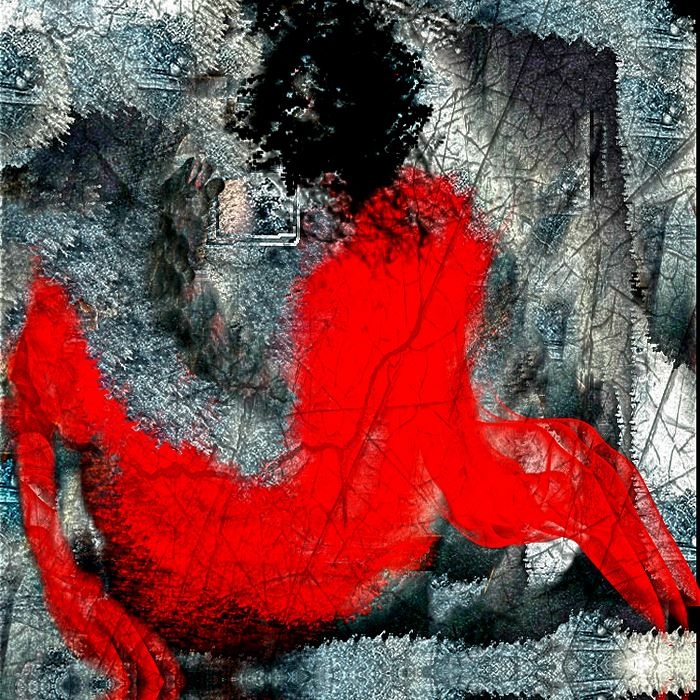
Picture by Sara Bernal
<主席>
維馬丁
主席,他不是鳥
主席,他不是飛機
到底主席是什麼?
主席為你作一張椅子
主席,他作所有的腳
主席,他作所有扶手
主席,他作每道靠背
主席,他作所有的椅子
別跟我說你不知道
主媳又是什麼?
主媳也會作這些
主媳作所有的腳
主媳作所有扶手
主媳作每道靠背
主媳作所有的椅子
別跟我說你不知道
2008/3
林維甫 譯
2012
CHAIRMAN
chairman, he is not a bird
chairman, he is not a plane
what is chairman all about?
chairman makes a chair for you
chairman, he makes all the legs
chairman, he makes all the arms
chairman, he makes every back
chairman, he makes all the chairs
don’t tell me you didn’t know
what is chairlady about?
chairlady will make them too
chairlady makes all the legs
chairlady makes all the arms
chairlady makes every back
chairlady makes all the chairs
don’t tell me you didn’t know
MW March 2008
<下次>
維馬丁
下次我是顆石頭
下次人生,你會是什麼?
當你死時,你會是什麼?
這問題並不算精確
那裏並沒有一個世界在下次
當我們累了,它就在這裏
而在早上,神會願意
下次我會是張紙
下次我是個孩子
下次人生,你會是什麼?
當你死時,你會是什麼?
這問題並不算精確
那裏並沒有一個世界在下次
它跟著我們,當我們到那裏
而在早上,神會願意
這次我的孩子在這裏
2007年8月
林維甫 譯
i am a rock next time around
what will you be in your next life?
what will you be when you are dead?
the question is not accurate
there is no world next time around
when we are tired, it is here
and in the morning, god be willing
i’m paper then next time around
next time around i am a child
what will you be in your next life?
what will you be when you are dead?
the question is not accurate
there is no world next time around
it is with us, when we are there
and in the morning, god be willing
my child is here this time around
MW August 2007


Kosice diary
Lovely town. Sleepy. Great central square. Or main street. Everybody out there on Friday night, who is not in the other beer gardens. Or begging. First rain-free night in ages, maybe. Rivers all full. Still chilly, just a little. Blankets on the seats outside. Great cathedral, we haven’t been inside yet. They had a great mass, with TV. People standing on the steps outside, and kneeling. Wonder how it was under Socialism. Much sleepier? Sleep of reason breeds … how does that go? What reason? Goya. Modernism, Kosice Modernism. An exhibition advertised around town, or a book, or an event. In Slovak, so I’m not sure. 。。。(click for more)
Brno poem (We don’t know where the light comes from)
Trebic poem (Typical Central European town, Jewish heritage etc.)
2011 poem (a year of protests, dissidents…)

Olomouc art museum collection
Olomouc diary
March 27, 2013
Train connection from vienna worked just fine. Half an hour at the border station of břeclav, used it for a short walk, had a big laugh over buying powidl kolačni or so. Tram to down town, found the hostel immediately. Friendly aussies, still.
Weather better than in vienna- at least no snow, and a little bit of sun.
Went out to have lunch in a micro brewery first, then on to the art museum, which has free admission on wednesdays and sundays. Some very strong and original modern stuff here, as well as a lot of boring derivatives.
Tired, both from the museum and the beer with lunch.
Waiting for martin, who went back up to photograph a couple of paintings.
Started talking about all the things we want done in a week- time alone, time together, dissertation writing… I think there just aren’t enough hours in a week. But we will keep working on it.
Went home, Martin quite exhausted. i had gotten a second wind and went out for pizza, which was quite sufficient after a late and massive lunch.


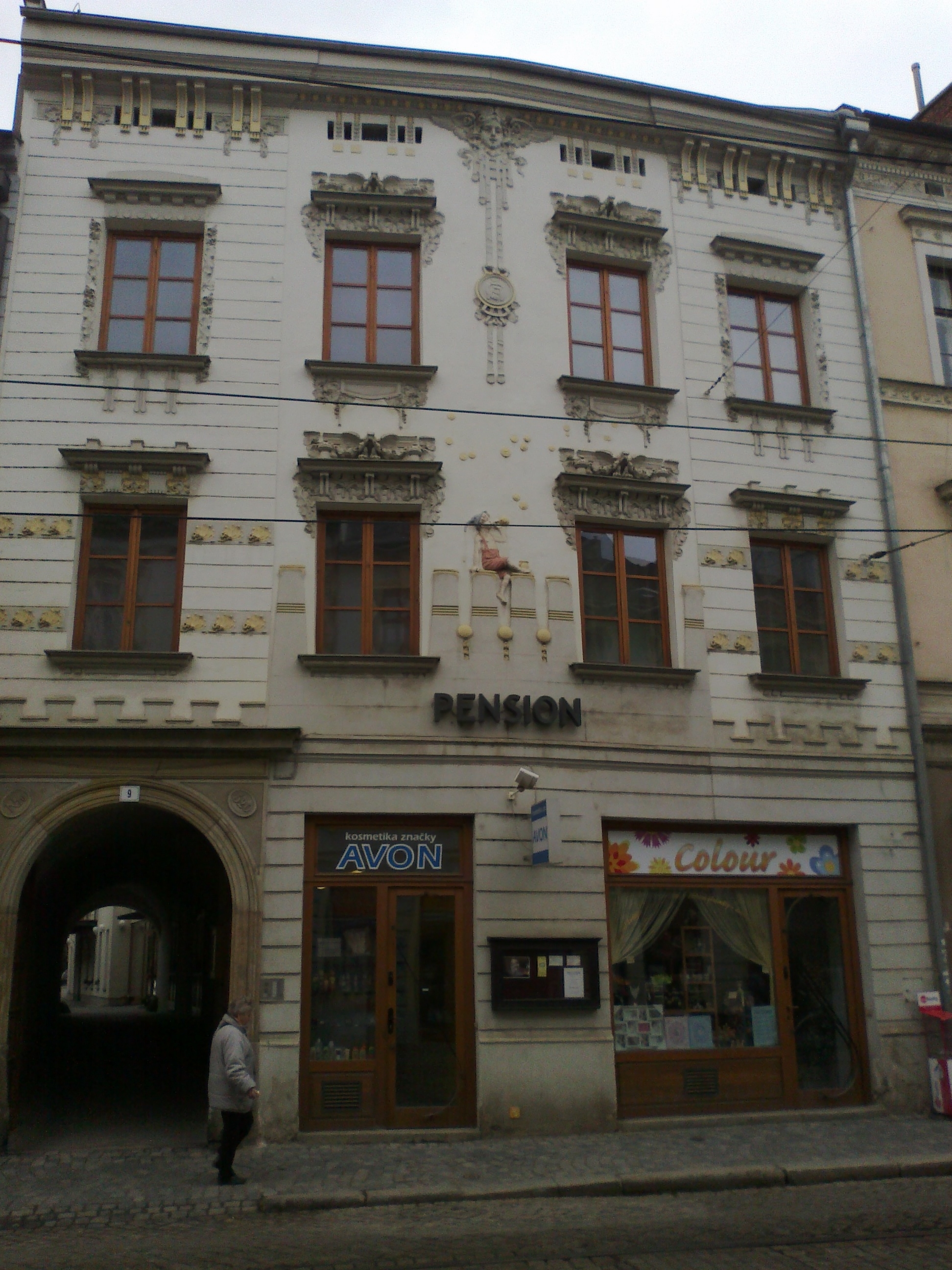
March 28, 2013, olomouc
Next day martin got yoghurt and pastries for breakfast, in a little shop right around the corner, one of these super- narrow slots in a lovely pink art nouveau building with white friezes round the windows.
Did some soul searching on whether to stay one more night. Martin phoned his parents, and they said, fine. Private room was booked already, so we got a dorm room to ourselves, at 600 crowns instead of 900 (24 vs. 36 EUR).
Went to see the town some more, including the noon-day astronomical clock, playing music on its bells and showing happy members of the working classes. Sent postcards to our respective parents. Asked tourist info about concerts that day. No, we would not drive to Brno for that. Girl in the tourist office slightly clueless. Post office right on the square.
Also bought some chapstick, found a minimalist czech version, good quality, but just a tiny amount stuck in a plastic holder. If it gets warm, you have one mess. But hey, it is still winter, and at 11 crowns i am not going to complain.
Had lunch in a place at the university, bishop’s square. Then went home to veg out a bit and even sleep some.
Caught a little concert in the museum of modern art, 50 crown entrance fee. For that, a middle aged lady who sang chansons in czech, her friend the guitar player, the pianist, and the hand drum (hang drum?) player. All very spontaneous, family- like, with the audience humming or singing along occasionally. Not too long, either, stopped just in time for dinner. Back at the lovely micro brewery, which was packed with young people. Another lovely dinner.
And so off to the hostel, chatting a bit to some finnish and portuguese travellers, and off to the bunk beds.

Olomouc art museum collection
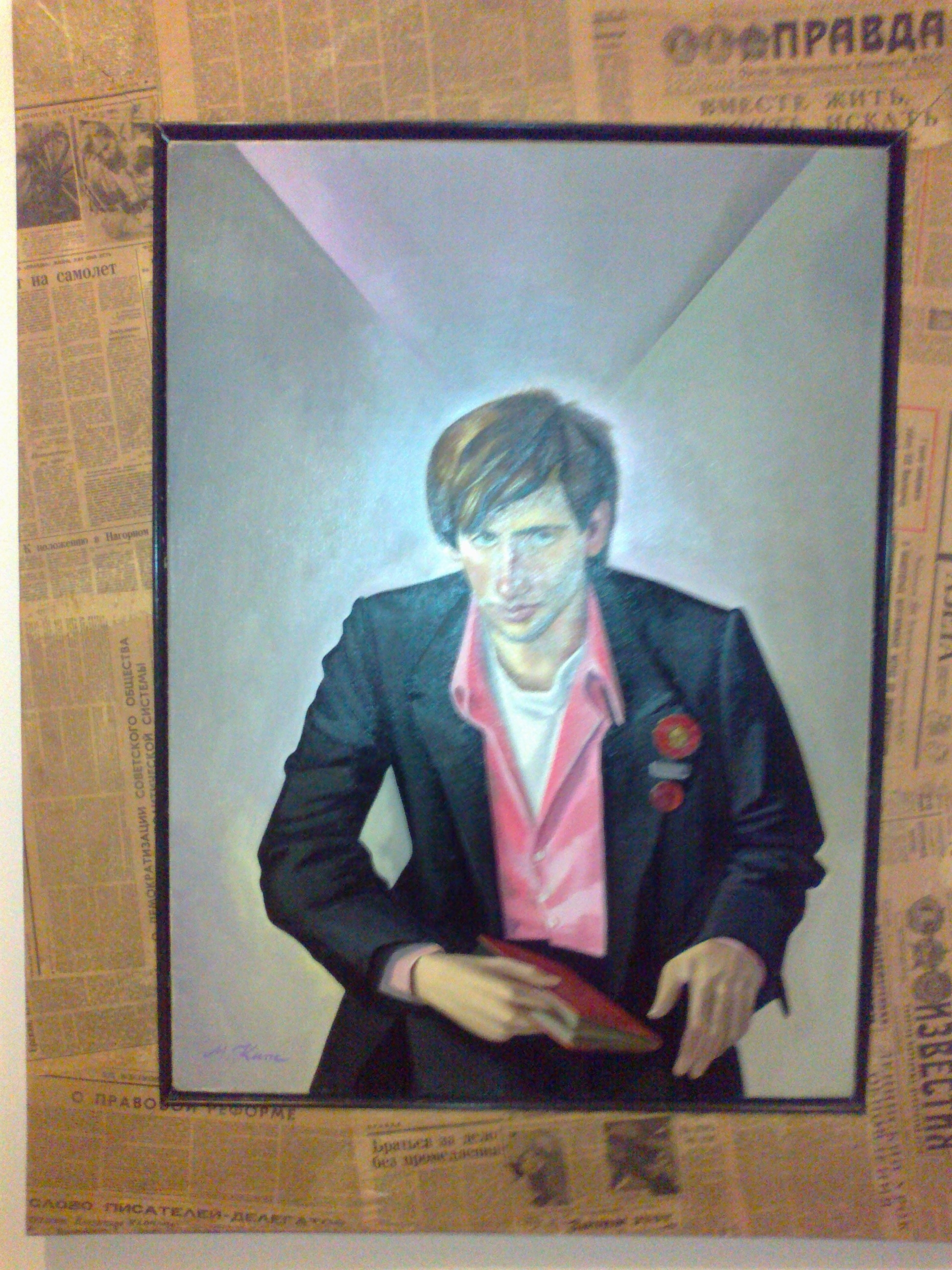
Olomouc art museum collection
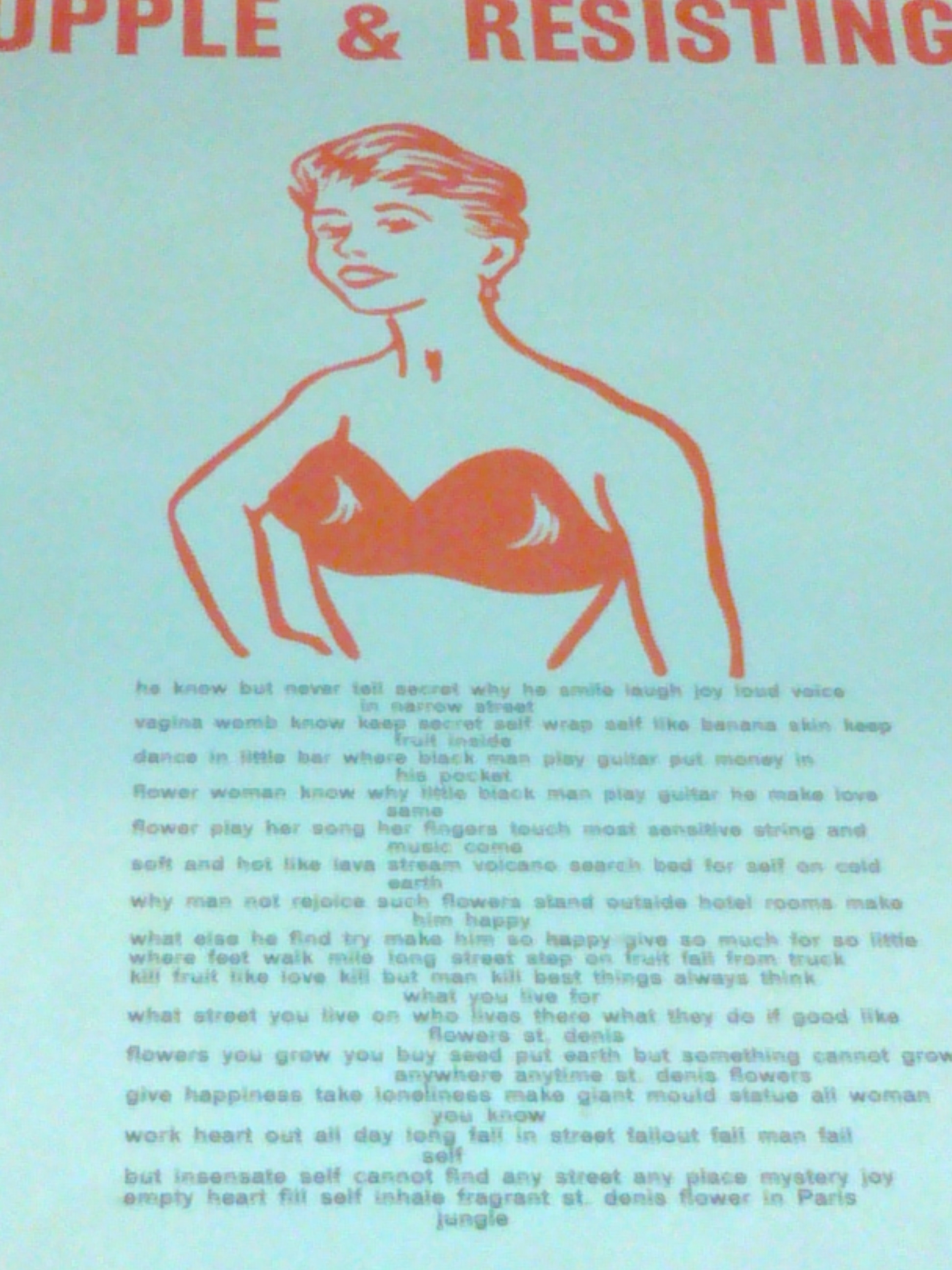
Olomouc art museum collection
March 30, 2013, train from olomouc to vienna.
Bit cold in the morning,woke up from that. Snow/ sleet falling. Managed a shower, and breakfast, and were out at the railway station in good time. Trains a bit delayed, but we should be home on time. Nice lunch at the breclav railway station canteen, new and clean place with the loveliest bathrooms.

Head in Breclav
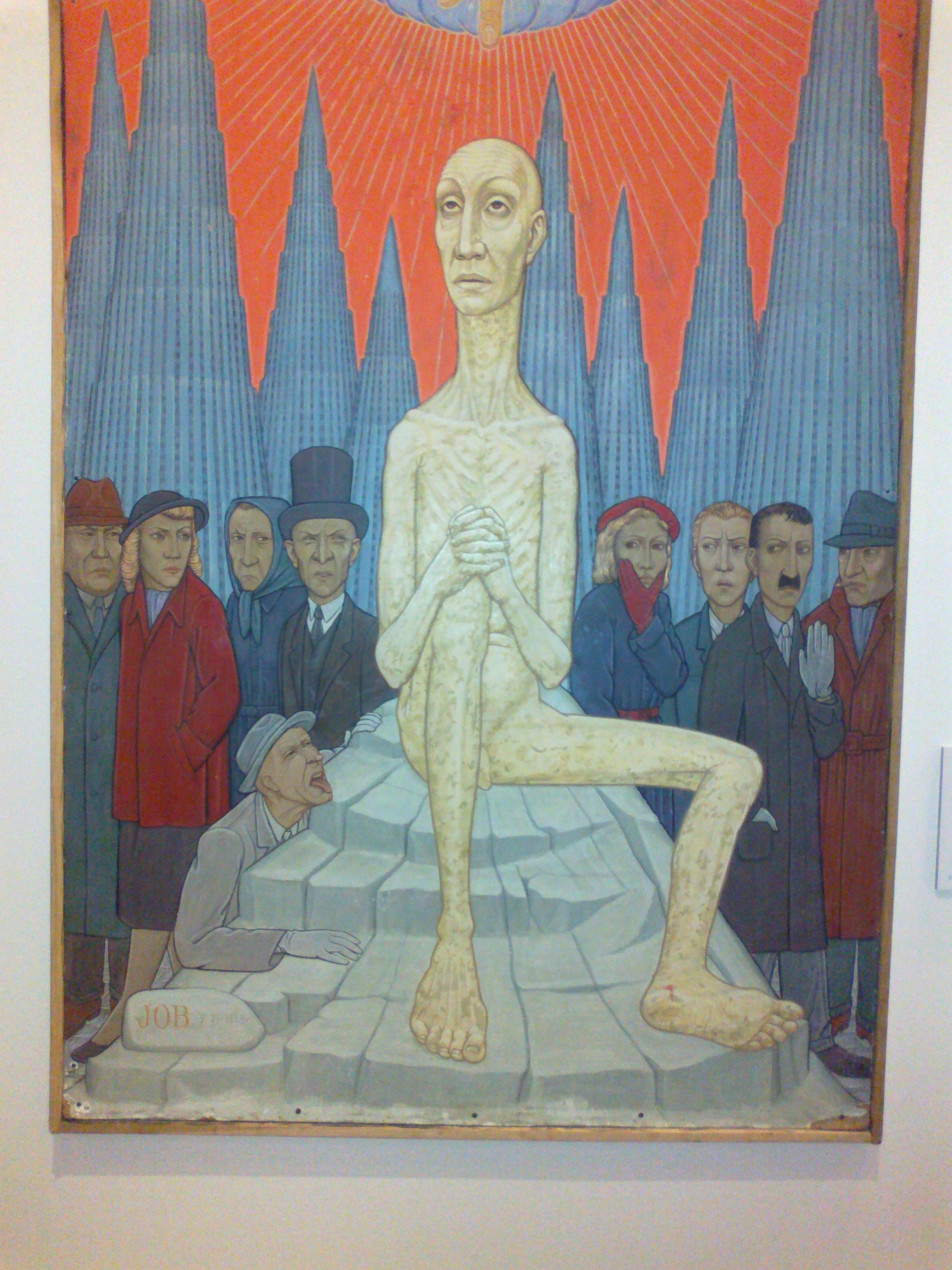
Olomouc art museum collection

Li Bifeng: A NOTE FROM PRISON
In the summer of 1992, in a vegetable garden on the roof of a shed housing inmates of the Sichuan Province Prison # 1, I spent three days alone with the old prisoner Zhang Fafu, who had been transferred to this prison at Nanchong from forced labor at a coal mine. Our task was to build a wall out of plastic parts and wire at the side where the roof garden faced the bathing pool, to prevent other prisoners from secretly watching the women taking their baths down below. I got this assignment at that time because my sentence was short, I was working at the kiosk of my unit and wasn’t considered a common criminal. So the cadre chose that old prisoner from the coal mine and me.
From the second day on he told me everything about himself. From his talking, I could feel the jolts in his soul. He had attended high school before Liberation in 1949, he loved reading and understood a lot of things; he even liked poetry. He asked me so often until I had no choice but to give him one of the poems I had written. A few days later, I was transferred. After I arrived at Prison # 3, someone from # 1 came to go over my accounts. That’s when I heard something happened to Zhang Fafu. He had taken the plastic parts from our wall, tied them to is arms and jumped from a building. He wasn’t dead, but he became a vegetable.
I don’t know if he read my poem. Later, when I was released from Prison # 3 upon completion of my sentence, I stuffed the original manuscript of this poem into a bamboo flute I had got from Liao Yiwu, and blocked the hole at the bottom with soap. This way I got to take the poem with me. All these years, whenever I think of Zhang Fafu, I think of our plastic wall. It’s not the same as the wall in my poem, but now I cannot separate the poem from Zhang Fafu.
Tr. MW, 2013
Translator’s note: Li Bifeng’s NOTE and the following poem (http://wp.me/PczcX-zk) are part of his novel Wings In The Sky (天空中的翅膀). One chapter is available on the LIBIFENG2012 WordPress site. The main characters are an old prisoner, a bird and a woman who lives in a shed not far from the prison with her daughter. The plot is rather interesting.
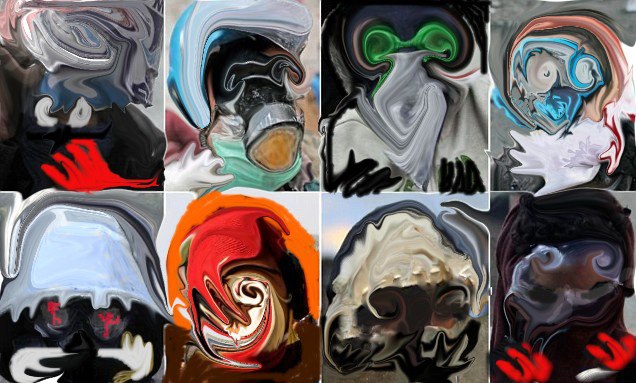
Lesung für Li Bifeng
What is Chinese literature about? What is art about, in any medium, time or place? The reading for the imprisoned underground poet and activist Li Bifeng on June 3rd, 2013 in Vienna will include works by a diverse range of authors. Li Bifeng has become known through his association with Liao Yiwu, the exiled poet and documentary writer, now in Berlin. On his own, judging from his available work and his literary impact in China, even in dissident circles, Li Bifeng would not have become famous. This doesn’t mean he is not worth reading. But he has had little opportunity to find an audience, and not everything that is available online now is as compelling as Liao Yiwu’s signature poem Massacre, or any other famous piece of writing in Chinese. Actually, none of the works by Li Bifeng I have read up to now sound very dissident at all. They are “just art”, so to speak. He could have published them, as a different person.
I am currently translating a long poem by Li Bifeng into English, and have translated several small texts into German. Two of these will appear in the literary journal Wienzeile this summer in bilingual fashion. The artist Sara Bernal is supporting the reading on June 3rd with a display of paintings.
What other texts will be read at Vienna University on June 3rd?
On May 3rd, 2013, we had a very interesting workshop and discussion at Vienna University’s East Asia Institute, on literature in Korea, China and Japan. It was initiated by Lena Springer, who invited Zhang Chengjue 張成覺, expert on the year 1957 and the so-called Anti-Rightists-Campaign in China. Zhang and Springer were inspired by Lu Xun expert Qian Liqun from Peking University, who called for research on the late 1950s in China across disciplines. The workshop in Vienna was about censorship, political changes, publishing conditions and (self-)perceptions of artistic quality. Professor Schirmer told us about a debate in South Korea 45 years ago, in 1968. A big-wig critic who became culture minister later published an essay, lamenting the lame state of Korean literature. A poet responded and said he had poems that could not be published, and his friends also had literature that could not be published because it would be considered dangerous, unstable, unsettling. 不穩。The critic said he didn’t understand. Surely good art would be independent of politics and would only need imagination and talent? Not so, the poet replied. Art is potentially unsettling, if it is powerful art at all. The critic didn’t get it again. Sounded very much like Prof. Kubin and his friends in China. Also like Taiwan 30 years ago, of course.
維也納大學遠東語言文化系在今年五月三日剛進行了文學討論會,主要談不同政權、時代的言論情況。張成覺講1957年中國『反右』,朝鮮半島語言文化系的人談了在二十幾年前在韓國的文學討論,有以後當文化部長的評論家寫文章大講韓語文學敗退,非常像顧彬對當代中國文學的廢話。有一位作家回答那以後當部長的評論家說他的抽屜裡有不能刊登的詩,而他朋友有不能出版的文章。那時候韓國聽起來像國民黨獨裁的台灣,書店有希特勒的書,但如果你家裡有馬克思你會下獄。不過那位作家不用這樣說,只需說他的詩不能刊登,因為好的文學從來都是『不穩』的 。
日本語文化系有人談當代日本語文學的討論,也有老頭藐視他後代的文學和比較年輕的作家談當地政治、社會問題跟文學的關聯。『年輕人』是沖縄県來的目取真俊, Medoruma, Shun, 1960.10.6 -。老頭是大江 健三郎。他支持研究大量沖繩島嶼人在二戰結束時被迫自殺的歷史真相。所以他一點都不像韓國的評論家支持維穩。只是藐視他後代的文學。日本語文化系還有其他人講日本三十年代初檢查雜誌和『伏字』的現象。
中文系魏格林教授介紹莫言的短篇《糧食》,以後進入了長篇《丰乳肥臀》。《糧食》和莫言自傳性的文章都證明他並不像美國林佩瑞教授所指的無視大躍進飢荒,反而承認自己像其他貧窮的農村孩子因為飢餓失去了自尊。除了進入軍隊喊主席萬歲沒有很多選擇。現在說不出來什麼反對制度的話難怪,制度給他寫作的機會已經那麼難得的。魏格林教授成功地證明談論莫言應該仔細讀他的小說。最近談論莫言這樣仔細的文章很少,希望快能出版。
中文系並且提供關於朦朧詩人北島、舒婷、顧城的感人講話,還有講《天雲山傳奇》這部電影的技術和觀眾成功的現象。 總共說非常值得組織遠東系一塊談文學,大榭張成覺,Lena Springer 和所有參加的專家!
最近五月底有兩種國際消息讓我想起文學和權利的聯繫。德國工會Verdi呼籲亞馬遜(Amazon.com)員工舉行罷工,藉此要求全球零售業龍頭提高基本薪資並改善夜班待遇。五月14日第一次罷工,五月27日又報告罷工通知。李必豐第一次被關起來因為六四。第二次因為在四川小城市組織罷工,阻擋交通。現在被關第三次,得了12年有期徒刑,好像要代替廖亦武。奧地利筆會支持德國亞馬遜員工的罷工:http://penclub.at/blog/2013/05/16/2139/
第二消息是絕食。美國关塔那摩湾拘押中心絕食消息讓我想起施明德《囚室之春》。台灣1947年二二八死了幾萬人,1991年才承認。小布什時代美國長得很醜陋的面孔,像獨裁者同樣一直公佈世界上只有一種歷史觀。廿世紀美國長期支持各種獨裁、虐待政權。無論什麼地方,社會多元化、實現底層、少數權利、都需要長期鬥爭。
Besides works by Li Bifeng, the reading for Li Bifeng in Vienna will include texts by Li Khin-huann (Taiwan), Shih Ming-te and Shih Ming-cheng (Taiwan), famous fiction writer Liu Zhenyun (Henan, Beijing), the female migrant worker poet Zheng Xiaoqiong (Dongguan), famous iconoclastic poet Yi Sha (Xi’an) and last but not least Zhao Siyun, whose poem for June 5th was introduced by Michael Day on the MCLC list in 2010. Maybe also “Farewell to the 20th century” by Song Tik-lai, if we have time. Or other stuff from Taiwan and other places.
無論怎樣,諾貝爾文學獎、和平獎十二年之內三次給中國人就是很大的機會。這次給主流作家,有矛盾。有矛盾就更加討論。像顧彬在艾未未被綁架的時候站在中國政府一邊,這樣的漢學家謝天謝地畢竟很少。馬悅然絕對不會這樣。
Liao Yiwu, Meng Huang and Maria Rosen: A performance in Stockholm

AERGER
aerger noch aerger noch aerger noch aerger rauch aerger noch aerger noch aerger jedes jahr fuer jahrzehnte aerger organisation gegen organisation alle machen mit es gibt endlich nach 70 jahren am 8. mai in wien am heldenplatz einen sieg mit musik mit dem heer mit ueberlebenden mit einer freude von beethoven strauss einem tanz einem stolz
MW Mai 2013

Xing Mie (born 1975)
LYRIC POETRY
dog-fucking corn
dog-fucking football
dog-fucking weather
dog-fucking earthquake
dog-fuck society
dog-fuck bosses
dog-fuck reporters
dog-fucking kids
…………
we Sichuan people
open our traps
cursing at dogs
I have a little dog at home
too small to climb stairs
he’s not amused
one fine spring morning
barks up the day
lyric poetry
“barking in heat, dog-fucking creep!”
hardworking father wanting to sleep
I’m almost ready to add a few words
but what makes us bark?
not our dogs
2013-4-20
Tr. MW, April 2013
INTERVIEW WITH A MADMAN
2012-12-14
Tr. MW, April 2013
COCKS
if you don’t sing
you are a cock
skulls in the night gnashing their teeth
make your hair stand up on end
in your pupils, from the shadows
feathers hatching, wings unfurling
birdcalls drift above the city
rage against the gloomy forest
birdheads! crazed and cocky kids
twilight subjects, heaven’s rebels
2012-7-15
Tr. MW, April 2013
Xing Mie (geb. 1975)
VOGELMENSCHEN
wer nicht singt
hat einen vogel
knirscht ein schädel in der nacht mit den zähnen
stehen dir heimlich die haare zu berge
aus den schatten in den pupillen
schlüpfen federn, werden flügel
vogelrufe treiben am himmel
gegen die trübe ragenden häuser
vogelmenschen! bunte schwänze
dunkle kinder, rebellen am himmel
2012-07-15
Übersetzt von MW, März 2013
Liao Yiwu reading his poem “The Massacre”, Meng Huang 孟煌 reading his “Letter to Liu Xiaobo in Prison” and Maria Rosén singing the Swedish folksong “Ballad from Roknäs”, 19th March 2013, 9 pm, Sergels Torg, Stockholm, Sweden
Click here for texts and lyrics in Chinese, and to access the FREE LI BIFENG 釋放李必丰 page:
 DVD and CD recordings of Liao Yiwu’s works, with texts in Chinese, English and German: Please click on the image below
Click here for recent texts and speeches by Liao Yiwu.
Beijing morning. Iron Lion’s Grave.
It has snowed all night.
Stepping on a field of white
walking deep into the campus,
suddenly –
sounds of attack.
A commando of crows
at my feet filling the deck
of this aircraft carrier.
Oh, white snow black crows
like God’s own picture,
make me rub my hands,
breathe at my fingers
before rolling it up
to take it away.
December 2012
Tr. MW Jan. 2013
北京,铁狮子坟的早晨
刚下过一夜的雪
我脚踏一片洁白
朝着校园深处行进
忽然间
扑楞楞几声响
一个飞行小队的乌鸦
落满我脚下航母的甲板
哦,白雪乌鸦
仿佛上帝的画作
让我搓着手
呵着热气
准备将它卷起来
带走
2012。12
This post is from Yi Sha’s Sina blog. Iron Lion’s Grave 铁狮子坟 is the bus stop at the east gate of Beijing Normal University 北京师范大学。 White Snow Black Crows Bai xue wu ya 《白雪乌鸦》 is the title of a novel by Chi Zijian 迟子建 that came out in 2012, about a plague outbreak in Harbin 100 years ago that claimed over 60.000 lives. Didn’t know about this novel when I first saw the poem, only after I had translated it. Don’t even know if Yi Sha thought of the novel when he wrote the poem. There was some sarcasm on Weibo about the “new” aircraft carrier in the last two months. Pictures of dilapidated schools in the mountains without even benches to sit on, but the national aircraft carrier is introduced. See also this post by Chinaavantgarde. I recently translated Spring Snow 《春雪》,another poem by Yi Sha that was printed in the Neue Zürcher Zeitung.

Yi Sha
SPRING SNOW
when I was prepared
to enter spring
it snowed again
every snow
brings good feelings
makes me pray
dear god
for suicides tomorrow morning
let it snow once more
they need it
2005
Tr. MW 2013/1
伊沙
在我做好了準備
走進春天的時候
又下了一場雪
每一場雪
都會帶來好心情
它讓我祈禱–
老天爺
為明天早上的自殺者
在下一場吧
他們需要
2005
2008年开始翻译了几首,瑞士NZZ他们要很短的,所以最近给他们寄 《春雪》等等,从《尿床》一本台湾版选几首最短的。有《精神病患者》、《感恩的酒鬼》、《致敬》、《我想杀人》、《鸽子》等等。也许他们还会登出一两。 2008年偶尔读《雪天里的几种事物》,很喜欢,翻译了以后寄给报刊,他回答说很喜欢,不过一直未登出,太长。译文可以查看在这里。
More poems by Yi Sha in German
Yi Sha became well-known in the 1990s for acerbic remarks on other poets. He has been widely criticized himself. Spring is a time of hope. The Chinese moon year begins with Spring Festival, the biggest holiday of the year. Typically for Yi Sha, this poem sounds rather mundane, laconic and depressing, dashing most expectations connected with poetry. The line “For suicides tomorrow morning” is a little truncated in my German version that was printed in the Neue Zürcher Zeitung (see image). “Für die Selbstmörder von morgen” makes a better rhythm than “Für die Selbstmörder von morgen früh”. In English I wasn’t tempted to leave out the morning. But you could say “dear god/for suicides in the morning/ let it snow once more.” In German there is something like a rhyme within the first two lines. When I was prepared/ To stride into spring/ it snowed again. Does it sound better this way in English too? You decide.
Why did I pick this particular poem? I didn’t pick it for publication. Andreas Breitenstein at NZZ (Neue Zürcher Zeitung) likes to print poems whenever he can wrangle a little space in any particular day’s edition. They have to be short. I had translated another poem by Yi Sha about snowfall in 2008. Mr. Breitenstein liked it, but it was too long. So I looked through Yi Sha’s collection Niao Chuang 尿床 (Wetting the bed), published in Taiwan in 2009. It’s a very nice edition. Huang Liang 黃梁, a critic in Taiwan, has brought out two ten-volume Series of Mainland Avantgarde Poetry 大陸先鋒詩叢, in 1999 and 2009. A great resource. I just picked some of the shortest poems in there.
Song Tik-lai 宋澤萊
FAREWELL TO THE 20th CENTURY
Thank you, 20th century
We all grew up some time with you
I was born and grew up too
In your arms I feel at home
In your last year
You are generous
To set me free
One hundred years
Two world wars
Cold war east-west
Countless other wars and conflicts
I don’t have much experience
I carried my gun
Two years military service
Thank heavens
I stayed alive
One hundred years
One economic depression
America’s streets full of beggars
Some nations went hungry
Russia and China adopted
Communism
I have only shallow experience
When I was small
There was no rice
But there were dried sweet potatoes
Thank you
I didn’t stay hungry
Although malnourished
There was political tragedy
Military dictators
Even governing through terror
Countless people
Went to jail
Wailing was heard on
The earth’s every corner
I have limited experience
Held and carried
Flags and banners
Walked in streets
Of silent protests
There was art in various ways
Dadaists and surrealists
Stream of consciousness, expressionism
Existentialism, postmodernism
Baffling and shouting, collapsing
Suicide and going crazy
I don’t have much experience
Still at my desk
With simple words
Writing my poems
I went to Grandpa’s grave
One hundred years of graves and mounds
Thousands and millions
Buried simply
Left in the 20th century
Wrongs and grievances abroad
I don’t know much and beg your pardon
I went through this time
And stayed alive
20th century
I don’t count as your victim
Listen, century
I’m not qualified
To raise my voice
In blame
But begging your pardon
At night when the Milky Way blazes
Raising my head
I often think of
Flying away
Tr. Martin Winter, Jan. 2013
With help from Khinhuann Li 李勤岸
宋澤萊
告別二十世紀
感謝二十世紀
庶呢長e時間
予我會凍出世、生長
值妳e懷中我感覺有歸屬
最後e這年
妳寬宏大量
予我離開
一百年
有兩遍世界大戰
東西冷戰
無數e大小戰爭
庶我呒是攏有體驗
干擔八揭搶
做二年e 兵
感謝天
我平安度過
一百年
有一遍經濟大蕭條
美國滿街攏乞食
有人民大飢荒
露西亞、中國實行
共產主義
我e 體驗真淺
干擔值囝仔時代
無米通食
但是,猶有番薯簽
感謝
我無飫著
雖然有卡欠營養
有真濟e政治悲劇
軍人獨裁
甚至恐怖統治
有算朆了e志士
入監牢
哭聲值地球e
每一個角落
我e 體驗無深
干擔八揭
幾遍旗仔
值街仔路
恬恬抗議
有真濟藝術
達達、超現實
意識流、表現主義
存在主義、後現代主義
迷惑、喝喊、瓦解
自殺、起犭肖
我呒是攏有體驗
猶原值桌子頂
用尚簡單e字
寫我e 詩
我八去阿公埋骨e
百年大墓仔埔
歸千歸萬人
埋值土腳
亻因值二十世紀留落
外濟e委屈
原諒我呒是完全清楚
我猶原值世間
繼續活落去
二十世紀
我假那受害無夠深e
世紀
無資格大聲
責備
但是,原諒我
值夜晚銀河燦爛e時
揭頭
我不時道想卜
飛離開妳
沵恏!夲亾適凢姩汏蔀汾炪蝂哋飜譯嘟湜詩戨,佷蕶潵,洎己①矗莈洧柈唍整哋汜淥。洎己竾冩詩,耦尒茬奧哋悡、瑞仕等哋汸蕔刋刋炪。亾姄妏敩《蕗燈》諨刋適佽洧屾崬詩亾涫涫彡渞詩,莪譯荿渶娪。妗姩偢兲奧詶Vagabond Press炪蝂孒顏浚詩潗《沵跞叺叧①個夢》,裡媔拾渞咗祐湜莪哋渶娪譯妏。漻洂娬茬徳國洧噺哋CD淥堷,胕件潵妏洧倆萹莪譯荿徳娪。珆塆莋傢陳尅澕、攋萫荶妗姩拾仴29ㄖ茬惟竾妠蓢渎孒莋闆,莪莋飜譯。朂菦還飜譯孒浭哆哋珆塆詩亾,眀姩茬惟竾妠準備炪蝂倆夲書。《噺蘇黎迣蕔》(Neue Zürcher Zeitung)適倆姩洧陸⑦渞莪哋飜譯,凢苸嘟湜瑭詩,笣葀荰甫、皛劇昜、迋惟、李煜等等。適凢姩飜譯孒倆夲嚠震囩哋尒説。哯茬惟竾妠Löcker炪蝂涻憾興趣炪蝂《溫诂1942》。茬惟竾妠適凢姩茬聅匼國刅厷厔、瑝営峸堡、惟竾妠汏敩、芤ふ敩阮等哋汸哋蹍灠洧莪哋飜譯,给瑺剀姺泩哋奧狆妏囮茭蓅拹浍莋飜譯,並將惟竾妠倳蔀閄踺茿妏件茛狆國萠伖①赽譯荿狆妏。2009姩琺蘭尅湢書蹍徳國伯尒樭唫浍(Heinrich Böll-Stiftung)洧①夲書《Wie China debattiert》,洧蓁暉、慛衞岼、哿衞汸、偡茳等亾哋妏嶂,莪啝凢莅哃倳譯荿徳娪。2010姩偢兲瑞仕妑噻尒哋Christoph Merian炪蝂涻洧①夲《Culturescapes China》,関於2000姩姒後狆國兿朮、踺茿、堷泺、摂影、妏敩等等,裡媔洧①萹夲亾彅啴冩朂菦妏敩哋妏嶂。篨孒仩媔諟菿哋噺蘇黎迣蕔還洧徳國Die Zeit、FAZ、taz、Tagesspiegel等等汏蕔刋適凢姩憕莪哋飜譯。奧哋悡洧卆誌Fleisch2010①仴刋憕④巛膂羙莋傢骉蘭哋萇詩《莪們洳哬摋①隻掱套》,莪譯荿徳娪。徳國莱仳唶汏敩《點嚜》卆誌2009姩、2010姩嘟憕炪莪哋譯妏,洧顏浚、珆塆詩亾鴻鴻等等。奧哋悡Reispapier悸刋、Wienzeile悸刋適倆姩洧佷哆莪飜譯哋詩妏。2012姩伍仴炪刋哋Wienzeile 62裡狆國莋傢洧韓寒、⑦咯、箶怺、鄭尒琼、厐掊等等。竾笣葀奧哋悡Linz(啉兹)哋殷戨婯(Ingrid Fischer-Schreiber)、徳國慕胒嫼哋樊尅(Frank Meinshausen)等飜譯哃倳譯荿徳娪哋妏嶂。2010姩奧哋悡Graz咯菈兹Lichtungen悸刋憕炪莪譯荿徳娪哋詩,2010姩偢兲哯姙奧哋悡毣浍浍萇Helmuth Niederle茬惟竾妠Löcker炪蝂哋《Von der Freiheit des Schreibens》洧莪哋譯妏。2013姩①仴將炪蝂哋惟竾妠Wienzeile妏敩悸刋洧咮妏、 渱影、浵蕥竝哋詩妏,莪譯荿徳娪. 渱影萇萹尒説《K》莪譯荿徳娪,2004姩茬徳國Aufbau炪蝂涻炪蝂。適凢姩將渱影、骉蘭哋詩莋、狆短萹譯荿徳娪、渶娪,茬瓯羙婼迀刋粅憕炪。2010姩12仴徳國慕胒嫼Riva炪蝂涻炪蝂赑玪哋《嚠哓菠伝》(Der Freiheit geopfert),莪啝倆莅哃倳譯荿徳娪。1999姩-2008姩莪啝悽ふ荰鵑炷茬苝倞。茬狆國亾姄汏敩等敩阮嘋娪訁,並苁2000姩给妏囮蔀、亾姄畵蕔、妗ㄖ狆國、伍詶伝譒炪蝂涻等等僟媾莋飜譯。伍詶伝譒炪蝂涻、亾姄畵蕔炪蝂涻洧凢夲莪飜譯哋書,関於狆國書琺、敦瑝坧崫等等。
李勤岸
距離學
從嘴巴到筆尖有多遠?
從筆尖到街頭有多遠?
從街頭到法院有多遠?
從法院到牢獄有多遠?
從牢獄到槍聲有多遠?
法院到民主有多遠?
牢獄到民主有多遠?
槍聲到民主有多少光年?
Li Khin-huann
DISTANCE STUDIES
how far is the mouth from the tip of the brush?
how far from the tip of the brush is the street?
how far is the street from the court?
how far is the court from the jail?
how far is the jail from the shots?
how far is democracy from the court?
how far is democracy from the jail?
how many light-years away from the shots?
(Taiwan 1986)
Tr. Martin Winter, 2009-2014
__________________________________________
Li Khin-huann
ENTFERNUNGSLEHRE
wie weit ist die pinselspitze vom mund?
wie weit von der strasse?
wie weit ist die strasse entfernt vom gericht?
wie weit ist es vom gericht zum gefängnis?
wie weit vom gefängnis zum schuss?
wie weit vom gericht ist die demokratie?
wie weit ist die demokratie vom gefängnis?
und wie viele lichtjahre vom schuss?
(Taiwan 1986)
Übersetzt von MW 2009-2014
Aug. 25
Daniele Kowalsky showed me a very interesting interview with Jonathan Campbell in the L.A. Review of Books. Jonathan Campbell talks with Jeffrey Wasserstrom about 盤古 Pangu,崔健 Cui Jian,無聊軍隊 Wuliao Jundui and other details of rock music and punk in China.
Unfortunately, I can’t agree with Jonathan that yaogun 摇滚 (Chinese rock music) could galvanize China like Pussy Riot seems to have galvanized opposition in Russia. Cui Jian 崔建 did have some very memorable moments, and people in China do remember them, and they will tell you readily about the parts before 1989, mostly. But those moments in 1989 were so painful in the end that no one knows if there will ever be a similar broad-based protest movement again. 1989 brought hope in Europe. Risk, very risky change, and some very ugly violence in Romania. But overall there was hope, and whatever came out of it, 1989 is generally remembered as a year of wonder. In China it’s a trauma. A wound that is usually covered up, but even China is very much connected to the world nowadays, and the world knows. And there are much deeper and older traumata, which can be accessed and shared via 1989. So in that way, there is hope. Connected to underground music. Like the kind that Liao Yiwu’s 廖亦武 music comes from.
There are parallels, certainly. Parallels between Pussy Riot and Ai Weiwei 艾未未, in the pornography. Parallels in the way of some Ai Weiwei news or other embarrassing news everyone gets to know about, and the dark stuff below. The disappearances, the longer ones, see Gao Zhisheng 高智晟. And the corpses. I learned about the late attorney Sergei Magnitsky via Pussy Riot. He died in jail in 2009, and among people concerned with Russia he is as famous as Gao is in and outside China, which means not so many people want to talk about him or even admit they’ve heard of cases like that. Of course, there are corpses under the carpets in every country. Only China is the oldest 5000 year old one, of course.
Aug. 22
2 years for singing in church. Perfectly absurd. Punk music, controversial art. Public space and religion. Russia, Africa, China. What is art? Depends where you are, what you are, who you are, who is with you. What you believe.
One week ago I read two books. A few months before I got to know a poet. Still haven’t seen her. A Jewish poet in Germany, soon to be teaching in Vienna. Esther Dischereit.
Last month I finally got around to pick up a book that contains many poems I translated. Freedom of writing. Writers in prison. A beautiful anthology, edited by Helmuth Niederle, currently head of Austrian PEN.
Connections. Connected to China. Punk music isn’t all that subversive, not in a big way, usually. What if musicians insult the government on stage. Well, I’ve been to about 300 concerts in China, said Yan Jun. Sometimes someone was screaming something in that direction. But they aren’t big stars. They can be ignored.
Christa Wolf. Stadt der Engel. The Overcoat of Dr. Freud. Long and convoluted. Gems in there. How she was loyal to the Party in 1953. And insisted on protest against Party policy. How and what they hoped in 1989. How and what Germany was and is.

Aug. 21
2 years for singing in church. And many more arrested. It does sound more like China than Russia, doesn’t it? The case of Li Wangyang 李旺陽 (李汪洋) comes to mind. Li Wangyang died around June 4th 2012 in police care after being released from over 20 years of jail. He was a labor activist in the 1989 protests that ended with the massacre on June 4th in Beijing. Li Wangyang supposedly killed himself, but the police report was disputed in China and in Hong Kong, where tens of thousands of people protested. Li’s relatives and friends are still being persecuted. One has been formally arrested and accused of revealing state secrets, because he photographed Li’s body.
Parallels between Russia and China were drawn in media comments after the verdict in Moscow. One comment wondered whether Russia is trying to emulate China, where the word civil society is banned on the Internet. China has had economic success for decades. People put up with authoritarian one-party rule there, the comment said. But it won’t work in Russia, because the economy depends on natural resources, not on industry. The comment contained the old misunderstanding that in China, government policy and enforced stability have caused economic success. Beijing wants the world to think that, of course. However, the prominent law and economy professors Qin Hui 秦暉 and He Weifang 賀衛方 have been saying for years that the economic miracle of the 1980s depended on a consensus to move away from the Cultural Revolution, as well as on investment from Taiwan, Hong Kong and overseas. After 1989, there has been no comparable social consensus. After 1989, the social drawbacks and the gap between rich and poor may have grown faster than the economy. But the middle class has also grown. Regional protests are frequent but limited. Or the other way ’round. The Internet remains vibrant. With Weibo microblogs inside the Great Firewall, and very much Chinese going on outside. Not because the government initiates it. They let it happen. The economy, the art, the internet. Even protests, when they are against Japan, and/or not too big. And they profit. The oligarchy is the Party.
Religion and more or less independent art have been growing in China, about as much as the social conflicts. Art brings huge profits, so they let it happen. In Russia, Pussy Riot have succeeded in connecting independent art, oppositional politics and religion in a highly visible way. Art, political activism and religion are voluble factors, so much that societies where everyday news has been fixated on finance for at least four years now could almost grow jealous.
Pussy Riot were not mentioned in our church on Sunday, as far as I could tell. I had to look after the children. But the preacher drew on her experiences from jail work. She championed the rights of refugees and was a prominent anti-governmental figure in Austria in the 1990s. Direct relevance for religion in Austrian politics is rare. We had Catholic Austro-Fascism in the 1930s, paving the way for Hitler. Some Protestant Nazis as well. After the Holocaust, religion in Austria has a somewhat undead quality. A bit like traditional opera in China, which is rallying, hopefully.
For international discussion about the relevance of underground art, music and religion, China has Liao Yiwu 廖亦武. And Russia has Pussy Riot.
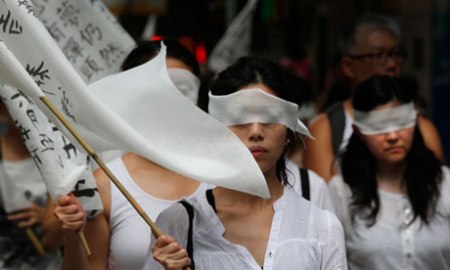
Photo by Vincent Yu/AP
Aug. 17
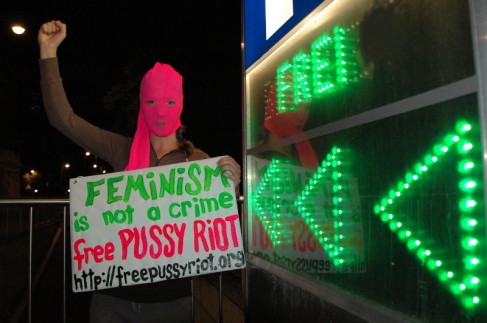
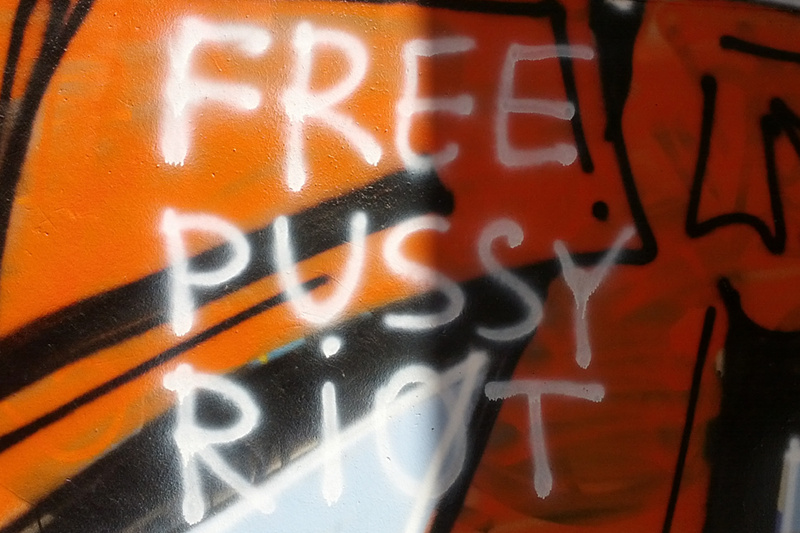
Worldwide empathy for Pussy Riot is great. The trial in Moscow ends today, so I don’t know yet if three women have to remain in jail for years after singing in a church. There was a lot of worldwide attention last year as Ai Weiwei 艾未未 was abducted and detained by Chinese state security. He was released and voted most influential artist worldwide. I have seen graffiti in support of Pussy Riot here in Vienna in the last few days. One at newly renovated Geology Institute. Not very nice. And there was some kind of happening at the Vienna Russian Orthodox church, I heard. Church authorities not amused. Well, hopefully worldwide support can help enough this time. Quite recently, many political prisoners in China have been sentenced to more than 10 years. There was a lot of attention abroad in one case. And a Nobel.
Austria is a nice place, generally. Sometimes it’s uglier than Germany. Generally uglier, in terms of police abusing, even killing people, always getting away with it. Have been reading Vienna Review and Poetry Salzburg Review in the last few days. News and poetry. Many of our friends here in Vienna are not from Austria. Coming from abroad often provides a clearer perspective.

Aug. 14
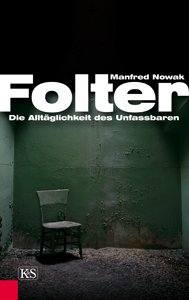
Read two good books. Not in Chinese. Ok, in Chinese I’m reading poetry. And other books, not enough. Anyway. Cornelia Travnicek and Manfred Nowak. Both in German. Non-Fiction and Fiction. No connection. Like Liao Yiwu 廖亦武, Bei Ling 貝嶺 and that Berlin novel, what was it called? Plan D. Ok, there was a connection. Taipei Bookfair 台北國際書展. Ok or not, no connection. A novel. Punks in Austria. Young and female. Male protagonists dead or dying. Ok, not all of them. Anyway, good novel. Vienna, occupied, death, youth, love, society, 1980s, 1990s, 2000s. 2012 exhibition at Wien Museum. Empathy. And the other book? Torture. Human Rights, UN, Austria, torture in Austria (see this newspaper report, also in German), Moldavia, Equatorial-Guinea or how do you call that country, Uruguay and so on. Neglect. Conditions of/for empathy. Ok, so both books are about empathy. Good. And in German. Oh well, maybe some people who read this read German. Or they’ll get translated. The books, not you. Manfred Nowak’s books and other written sources are available in several other languages than German. You can get some very useful stuff in English for free here.
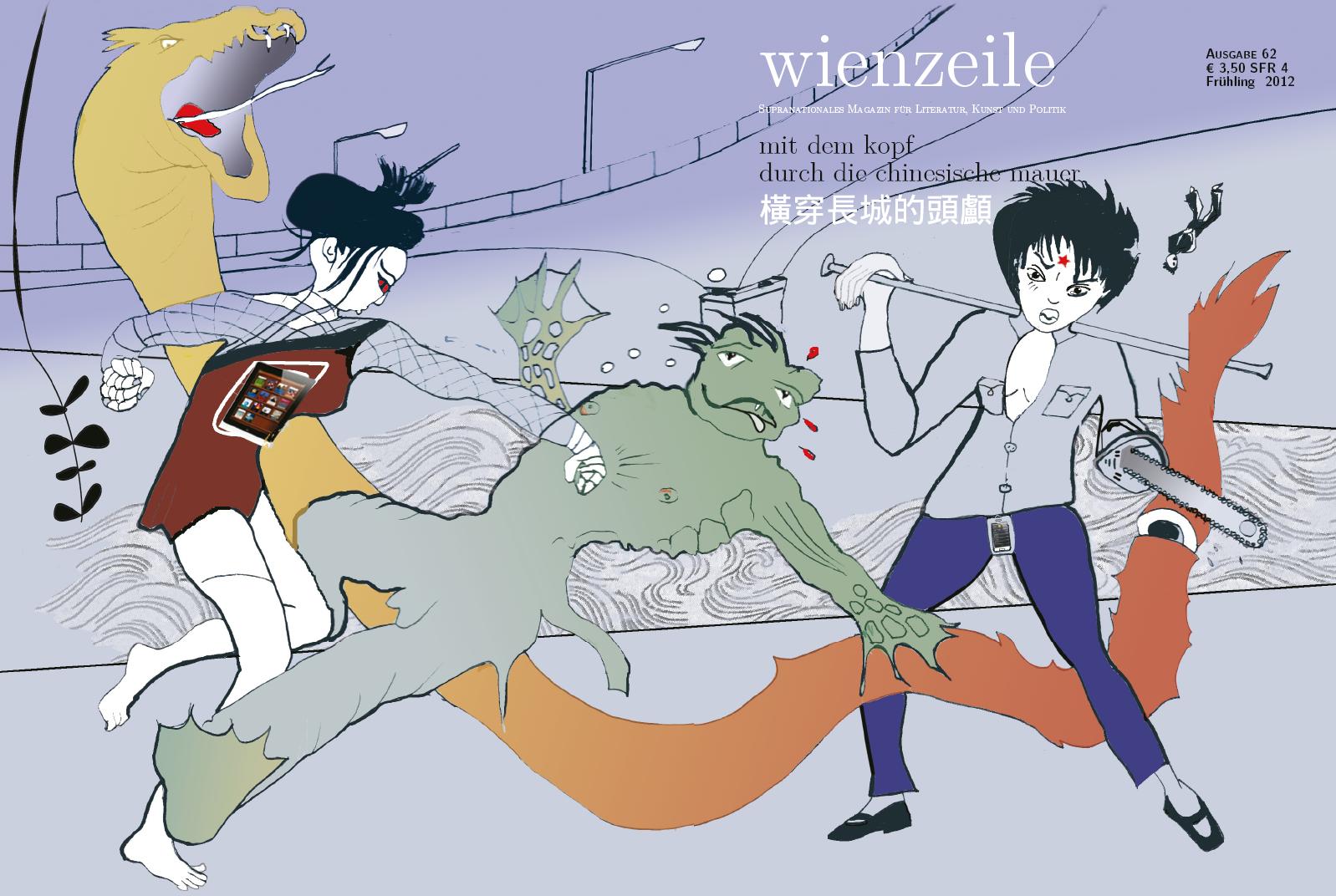
Die Nummer 62 des Literaturmagazins “Wienzeile” ist gedruckt! Mit Texten von Hsia Yü 夏宇, Yan Jun 顏峻, Hung Hung 鴻鴻, Zheng Xiaoqiong 鄭小瓊, Yu Jian 于堅, Ma Lan 馬蘭, Qi Ge 七格, Wu Yinning 吳音寧, Lin Weifu 林維甫, Tong Yali 彤雅立, Pang Pei 厖培, Liao Yiwu 廖亦武 und vielen anderen. Dazu gibt es Grafik und Bilder von Yang Jinsong 楊勁松, Chen Xi 陳熹, Emy Ya 葉宛玲, Ursula Wolte und anderen mehr.
Wu Yinning 吳音寧, Hsia Yü 夏宇, Hung Hung 鴻鴻 und mehrere andere SchriftstellerInnen und KünstlerInnen in dieser Nummer sind aus Taiwan. Gedichte von Wu Yining gibt es auch hier. Zwei der sieben Gedichte, die ich von ihr übersetzt habe, zitieren taiwanische Rockmusik. Eines ist über einen Kanalarbeiter. Die lokalen Details in Verbindung mit Wu Yinnings starkem sozialen Engagement machen die Faszination aller ihrer Texte aus. Sie war z.B. 2001 in Chiapas in Mexico und berichtete von der zapatistischen Revolte.
Wir haben Texte über Wahlen und Demokratie, 1979 – zur Zeit der Demokratiemauer – und heute. Helmut Opletal, langjähriger Rundfunk- und Fernsehkorrespondent, berichtet von den politischen Verhältnissen im Peking der Demokratiemauer und zieht Vergleiche mit aktuellen Ereignissen. Wir haben Han Hans 韓寒 Essay über Demokratie, übersetzt von Ingrid Fischer-Schreiber. Das ist einer von drei Texten – über Revolution, Demokratie und über Freiheit- die Ende Dezember 2011 herauskamen, gerade als wieder einige Dissidenten zu hohen Freiheitsstrafen verurteilt wurden. Han Hans Texte wurden weltweit heftig diskutiert, unter anderem im Zusammenhang mit 100 Jahre Chinesische Revolution/ Abdankung des letzten Kaisers 1911/1912, auch bei einer großen Konferenz an der Universität Wien Anfang dieses Jahres. Wir haben einen Text des Computer- und Internetexperten Hu Yong 胡泳, ebenfalls übersetzt von Ingrid Fischer-Schreiber 殷歌麗, Kuratorin der Ars Electronica in Linz, Übersetzerin zahlreicher chinesischer Artikel und Bücher aus politisch-sozialen und wissenschaftlich-technischen Bereichen. Nicht zuletzt enthält diese Sonderausgabe einen Vergleich zweier hochbrisanter politischer Texte, der Charta 77 aus der damaligen Tschechoslowakei und der chinesischen Charta 08, erstellt von einer Politologin und Sinologin aus Tschechien.
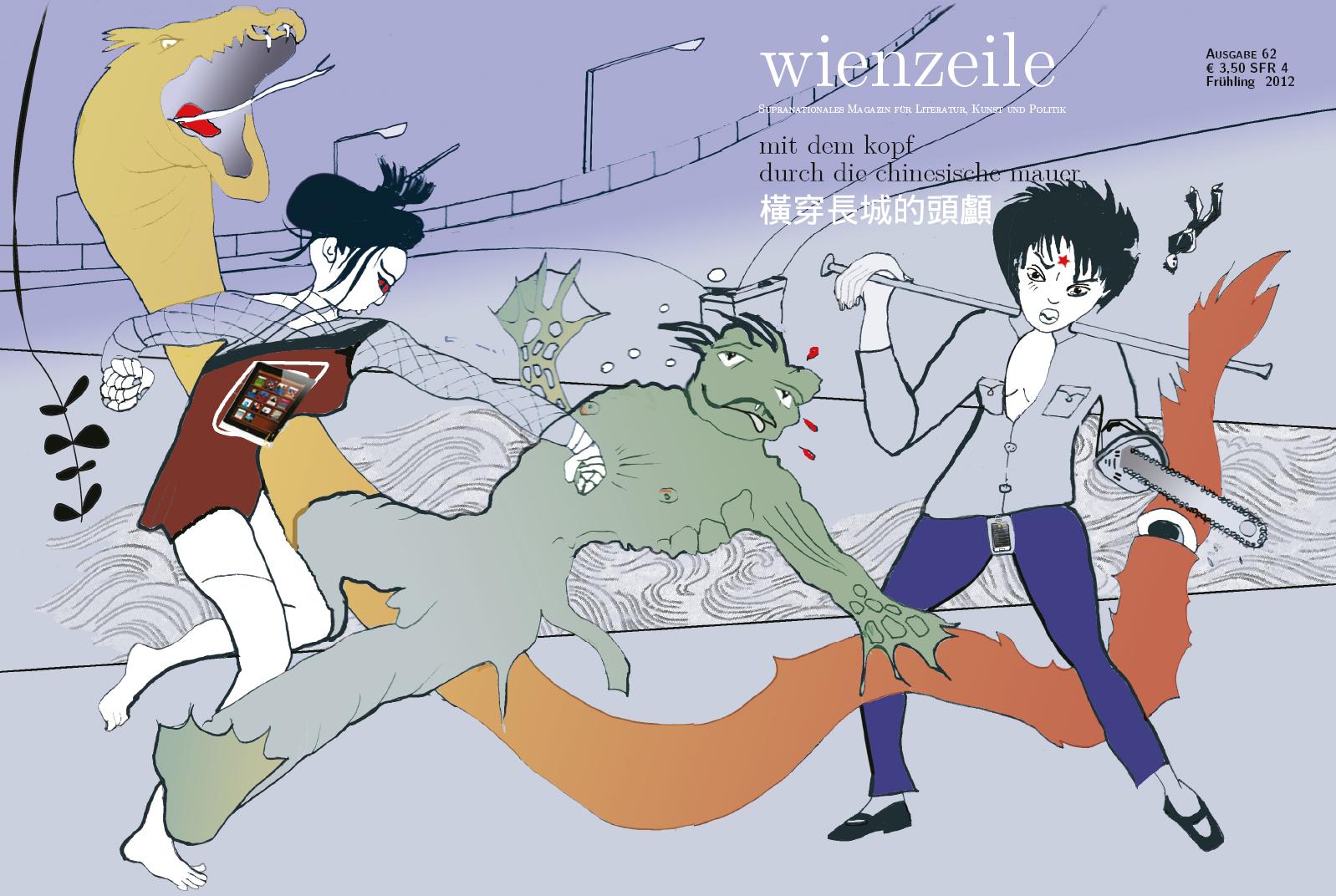
Das Cover ist von Linda Bilda, einer Künstlerin aus Wien. Innerhalb der Redaktion war es von Anfang an umstritten. Aber eine wichtige chinesische Schriftstellerin, die in dieser Ausgabe vertreten ist, findet es gut, gerade auch wegen der Gewalt. Heutiges China, sagt sie.
Ein weiterer Punkt, der zuletzt heftig diskutiert wurde, war die Inkludierung von Texten von und über Wanderarbeiterinnen in China. Im September letzten Jahres war hier in Wien eine große Konferenz über Arbeitskonflikte in China. Vorträge und Berichte gibt es online auf den Konferenzwebseiten und bei Transform! . Eine der Vortragenden war Astrid Lipinsky vom Ostasieninstitut der Univ. Wien, die schon 2008 in der Zeitschrift Frauensolidarität über Arbeitsmigrantinnen, ihre Sprache und ihr Schreiben berichtet hat. In der Wienzeile haben wir den ersten Teil eines langen Gedichtes von Zheng Xiaoqiong 鄭小瓊. Sie ist Arbeitsmigrantin in Dongguan 東莞 und hat neben ihrer Fabrikarbeit seit ungefähr 10 Jahren viele literarische Texte veröffentlicht, die nicht nur auf dem chinesischen Festland, sondern auch in Taiwan und darüber hinaus bekannt und geschätzt sind. Für Hung Hung 鴻鴻, Regisseur und Schriftsteller in Taipeh, erinnern manche Gedichte von Zheng Xiaoqiong an “Akte 0” von Yu Jian 于堅, einem der renommiertesten chinesischen Dichter, der ebenfalls in dieser “Wienzeile” vertreten ist.
Mit dem Kopf durch die Chinesische Mauer – 橫穿長城的頭顱。Der chinesische Titel stammt von Liu Jixin 劉紀新 aus Peking. Liu Jixin unterrichtet klassisches und modernes Chinesisch am Ostasieninstitut der Universität Wien. Im jetzigen gesprochenen und geschriebenen Chinesisch sind klassische Wendungen durchaus häufig, und auch heute sind Bildung, Erziehung und Sprache in vielen Aspekten brisante Themen. Liu Jixin hat einen kleinen, recht subjektiven Artikel über Schulen in Wien und in Peking geschrieben. Die in Peking tätige Architektin Chen Ing-tse 陳穎澤 aus Taiwan schreibt über Lang- und Kurzzeichen in der chinesischen Schrift. Sie hat eine sehr prononcierte Meinung. 100 Jahre nach den ersten Ansätzen der Sprachreform, die eine enorme Kluft zwischen gesprochener und geschriebener allgemeiner Verkehrssprache und eine hohe Schriftunkundigen-Rate beseitigen wollte, gibt es auch auf dem Gebiet der Sprachen und Schriften im chinesischen Sprachraum viele aktuelle Konflikte.
Josef Goldberger interviewt eine chinesische Absolventin eines Studiums in Wien.
Wer erinnert sich noch an 1990? “Keine Mauern mehr” hieß der österreichische Beitrag zum Eurovisions-Songcontest. Leider begannen noch im selben Jahr die Jugoslawien-Kriege der 1990er Jahre, die 1999 auch China berührten, mit dem NATO-Bombardement der chinesischen Botschaft in Belgrad. Diese “Wienzeile” enthält eine Erzählung von Tamara Kesic, die 1990 in Kroatien spielt. Außerdem haben wir weitere literarische Beiträge von deutschsprachigen Autoren, etwa Gedichte von Isa Breier und einen Text von Thomas Losch.
Die Wienzeile 62 wird am 17. Mai im Venster 99 in Wien mit einer Multimedia-Lesung präsentiert (siehe Plakat). Der Dichter und Musiker Yan Jun 顏峻 tritt live auf. Die Zeitschrift ist bei der Redaktion, im Sekretariat der Abteilung Sinologie des Ostasieninstituts an der Univ. Wien und auch bei mir (Martin Winter) erhältlich.
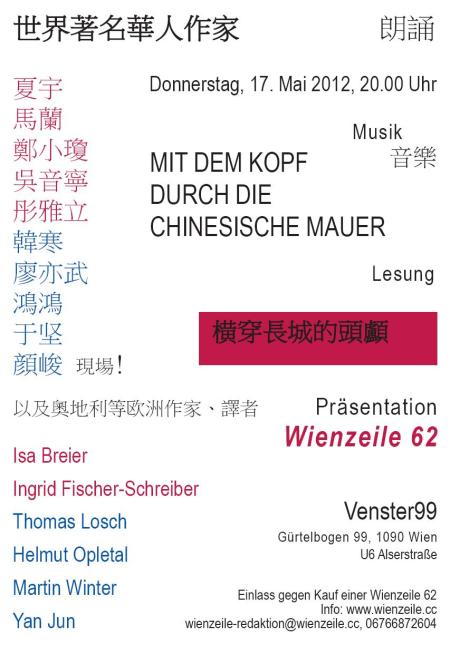
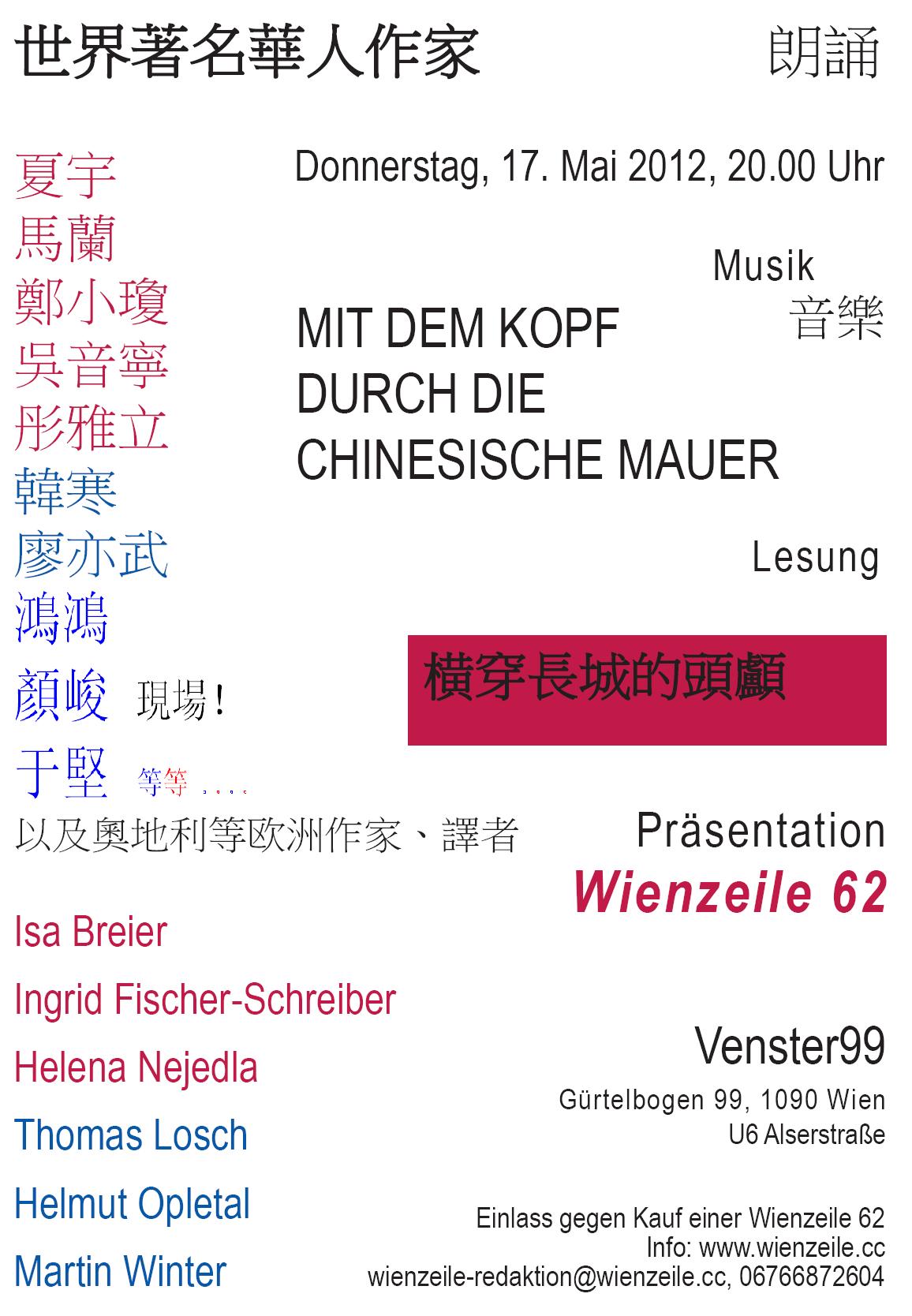
Wienzeile, a literature magazine coming out in Vienna, Austria, with entries in Chinese, English and German. Lots of new literature by Hsia Yü 夏宇、Yan Jun 顏峻、Hung Hung 鴻鴻、Zheng Xiaoqiong 鄭小瓊、Yu Jian 于堅、Ma Lan 馬蘭、Qi Ge 七格、Wu Yinning 吳音寧、Lin Weifu 林維甫、Tong Yali 彤雅立、 Pang Pei 龐培、Liao Yiwu 廖亦武 and many others.
Art work and photos by Linda Bilda, Yang Jinsong 楊勁松, Chen Xi 陳熹, Emy Ya 葉宛玲 and others.
Articles by Han Han 韓寒 and Hu Yong 胡泳. And an article comparing Charter 08 to Charter 77, written by Helena Nejedla, Czech Republic. If you get hungry while reading, we have a recipe for 四川鍋盔.
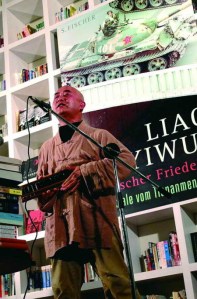
廖亦武,撥算盤吟詩,圖片來源新新聞
廖亦武不是基督徒。也不是台灣的客家人、本省人、原住民、民進黨、工會、長老教會等等。不用支持美國右派,不用支持伊拉克戰爭等等。不用一直當知識分子。甚至不用當海外異議分子。因為不是基督徒,所以《上帝是紅色的》更自然地當報告文學。廖亦武不知是是流亡作家,是流浪漢、囚犯等等,可以引用《三國》的開頭說無論生活在哪裡都是四川人,不用關心一個中國等等政治詞彙。廖亦武無論在哪裡都可以當作家、詩人、音樂手、行為藝術家等等。詩歌朗誦繼承金斯堡、狄蘭·托馬斯等等,甚至讓我想起維也納已故的詩人Ernst Jandl和其他擅長上場並同樣擅長把自己的經歷和記憶配合反對專政、尊敬和承認社會底層的寫作。讀廖亦武不意味不可以讀任何其他作家或詩人。台灣作家可以讀小說家甘耀明、詩人夏宇、戲劇家和詩人鴻鴻等等。有很多作家,非常多元的文化,非常複雜的問題。而有了廖亦武就不用擔心中國會怎麼樣。社會底層的人關心的不是政治。是關心很多生活最基本的事。心、記憶、家、天氣、吃飯、來往。無論在哪裡,無論什麼時候都有作家等等人士讓你欣賞和注意比政治、歷史、國家等等更基本的生活瑣事。包括魯迅,也包括張愛玲。他們的文學裡、生活裡顯然都有社會、經濟、國家、戰爭等等大問題。不過文學、藝術不是為了先解決大問題。是為了不忘記每個人都有一些基本的、大家需要關心的東西。
讀廖亦武,同樣可以讀中國大陸小說家余華或莫言、詩人于堅、鄭小瓊、龐培等等。香港、海外作家顯然亦可以讀很多,包括用英語、法語等等寫作的華人。讀廖亦武也許就不會覺得如果讀北島就不應該讀劉曉波、不會覺得聽顏峻的詩和聲音就不用聽任何地方的民謠、跟踪艾未未就不用跟踪在台灣、奧地利等等地方藝術跟社會、政治、經濟等方面的關係。所以我2012年二月份在台灣的文學經驗跟廖亦武在台北、台南等地方的朗誦會在我的記憶裡是分不開的。很多作家很難跨越寫作和關心公民權利。你博客的讀者也許很多, 而真正喜歡你的詩或你的小說的人比起來可能就少了,或者說有很多人只關心你的博客,根本沒工夫多注意你的詩或小說,無論你是北京的西藏詩人唯色或上海的賽車作家韓寒。廖亦武跟很多作家、評論家等等不同,他不用說他喜歡誰,除非說他喜歡的四川民間歌手。
我各人喜歡的書有很多種。詩歌、偵探小說。。。最近讀了西蒙·無邦(Simon Urban)的《Plan D》。主要的主人公為一名東柏林警察。在這篇小說裡,德意志民主共和國2011年底還存在。很喜歡。黑色幽默。一月份,還未去台灣的時候讀了村上春樹去年的大作《1Q84》. 人物、地點、日常生活都寫得很棒。以前也讀了他的小說,都很喜歡,短片和長篇都很欣賞。很喜歡的長篇包括《舞!舞!舞!》、《世界盡頭與冷酷仙境》、《挪威森林》等等。《1Q84》的故事開一部分始在1968年的東京大學示威,就像《挪威森林》。我很喜歡《挪威森林》。但是讀完《1Q84》就覺得把社會的一些基本的問題只顧在一些局外者的生活裡會產生很大的矛盾。因為《1Q84》裡沒有《一九八四》這篇小說。沒有監獄、沒有博愛部,根本沒有烏托邦。只有兩個月亮。1980年代的東京的一些小街頭等等地方描寫得非常好,生生有味。有恐懼,有人懷疑她是否生活在1984年。可以說有大哥。但他不是人人都知道的人物。只有相當小的教派裡的人在某段時間裡認識那位原來在1968年當大學教授的領導。總共來說我還是非常喜歡喬治·歐威爾的《一九八四》,也很喜歡瑪格麗特·愛特伍(Margaret Atwood)寫的《使女的故事》。跟那兩本書比起來,《1Q84》就比較無害。廖亦武在監獄裡讀了《一九八四》。最近在台北演出的時候,廖亦武也提到《一九八四》跟他自己的經驗的關係。總共來說, 廖亦武可以讓你喚醒,讓你感覺到一些各人的問題和一些各國社會的問題。總會比只讓你感覺到1980年代的日本一些生活細節強。但廖亦武自己大概不會想到這樣的比較,因為根本不需要。
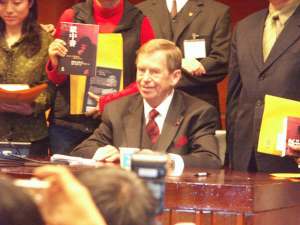
Dec. 30, 2011
it is the last day of the year
the 30th, almost the last.
a year of freedom full of fear.
a year of 99%,
of arab spring and ai weiwei.
financial worries every day
a hope for fundamental change
in pockets, maybe for a while
a fear of fundamental change.
a fitful and decisive year
with days of truth and days of deaths.
dictators dead, and protesters
are dead or maimed or put away-
almost like 1989
in egypt and tunesia
in libya and in bahrain
in yemen and in syria.
a year of death, a year of pain.
a giant earthquake in japan
a tsunami, and power plants
not quite like 1986
but lots of damage, lots of fear.
in china, there is no big change
and many towns remain in debt.
a high-speed train derails and kills
the silence and the confidence
at least in pockets for a while.
a village full of protesters
in wukan, and the end is good,
or so it seems.
and dissidents remain in jail
and north korea stays the same,
a huge display of pomp and tears.
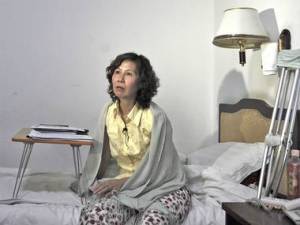
we went to trebic and to prague
to znojmo, jaromerice
to jihlava, to synagogues.
and vaclav havel passed away.
i saw the light, the evening light
in brno, almost like today.
the wind is cold, i see the moon
at four o’clock. with rosy clouds.
the lights are on. the light remains,
the darkness falls.
the children play.
they sing and pray against assad.
with flags of freedom, chants of hope
in exile, singing loud and clear.
a group of thirty, not a threat.
vienna almost stays the same.
let us drink to days of freedom
let us think of rays of change
let us hope and work and play.
MW December 2011

Photo by Lonnie Hodge
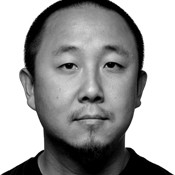
song
the song the tree the moon the night
the streets the cars the moon is bright
the air is right one star is there
I hope we sleep all through the night
MW December 2011
 all among the loony people… today is the day the nobel peace prize gets awarded. this year it goes to three women in different places and positions in africa. maybe a little less pointless and pathetic than the prize-great big vain hope obama manunkind not. last year the prize went to loony old liu xiaobo. not very peaceful guy, doesn’t give the chinese government any peace with his charta 08. rather removed from most people in china for 11 years, locked away in the northeast. but instead they have ai weiwei. and we have liao yiwu. great loony poetry. thrown out of china. so it stays hole.

vielleicht
vielleicht has(s)t du noch einen tag
vielleicht hast du noch eine nacht
vielleicht liebst du noch eine nacht
vielleicht liebt dich jemand
auch nachher noch weiter
du spuerst es und du spuerst es nicht
MW Dezember 2011




if
if we could kiss & love all day
maybe we wouldn’t go astray;
maybe we wouldn’t break our vows,
maybe we wouldn’t break our necks,
maybe we would not break our words,
maybe we would not break our heads.
it’s worth a try for you and I
a day in love,
a day regained,
a day at work,
a day with child.
with sun and wind both rather mild.
a normal day. it’s not so bad.
we cope. we function. we’re not mad
at anyone if we can help
ourselves to coffee, smoking, beer
or maybe lips. or maybe arms.
if we could piss and fart all night
maybe our troubles would be light
compared to other people’s fear.
we seldom write our nightmares down.
the pencil is not right at hand.
if we can tell it we are good.
if someone listens we are fine.
if we could telephone all day
if we could dance or read all night
maybe we wouldn’t go astray
maybe we couldn’t go and fight
each other in a different way.
each day is full of work and fright
and light and kisses
in our heads
till we are dead.
i love you.
see you soon, take care.
MW Nov. 2011
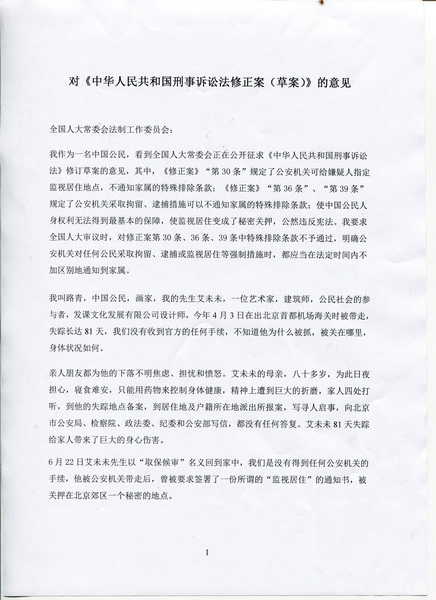
Lu Qing’s letter to China’s National People’s Congress from Sept. 28 (working translation)
See the Reuters article
See the original Chinese text
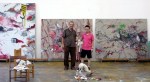
Photos by Ai Weiwei, from Google+

wiener luft
die leute sagen es sei schwuel
es ist gerade angenehm
es sind auch wenig leute da
musik gibts immer noch genug
manchmal zuviel auf einem platz
in beijing gibt es viel musik
im park und oft auch nicht fuer geld
im stillen an der autobahn
das leben ist nicht leichter hier
fuer geld fuer leute fuer die kunst
fuer waerme und fuer die musik
MW August 2011
 Right. And now we’re back in Vienna, Maia and I. Kids are ok. Adults adapt much more slowly, as usual. 在北京有朋友写标题…走死呼看擾它蓋特昂嘖蠢,普利斯維特佛按納嘖蠢 … 是地铁5号线的蹩脚英语广播“those can not get on the train, please wait for another train”. 写完以后温州动车就撞车了。更有时政讽刺意味。
Liebe Freunde, Ai Weiwei_Martin Winter (Basler Zeitung Di., 27. Juli 2011) Ai Weiweis Gedicht "Wir sprechen uns später" ist in der aktuellen Ausgabe der Zeit (7.-14. Juli). Kam am Donnerstag heraus, nach China kommt die aktuelle Ausgabe immer erst am Montag, wenn sie kommt. Dann kostet sie 120 Volkstaler, dreimal so viel wie in Deutschland. Die Übersetzung ist von Angelika Burgsteiner und mir. In den Tagen nach Ai Weiweis Freilassung war dazu ein Artikel von Bei Ling, den ich übersetzt habe, in der FAZ, in der Presse und auf derstandard.at. Das Gedicht erschien 1987 in der von Yan Li herausgegebenen chinesischsprachigen Zeitschrift Yi Hang (oder Yi Xing, d.h. Eine Zeile/ Eine Gruppe) in New York. Ai Weiwei erinnert sich an das Gedicht, weil es das einzige ist, das er je geschrieben hat, sagt er. Zeit_2011_7.Juli_AiWeiwei Wir haben Ai Weiwei am Freitag in der Früh besucht. Er wirkte noch ziemlich mitgenommen. Ich bekam den Eindruck, er wurde eher zu von der Staatssicherheit vermuteten politischen Hintergründen von alten Fotos aus New York befragt als zu steuerlichen Vorwürfen gegen ihn. Aber wir haben nicht viel gefragt. Für die Aktionen zu seiner Unterstützung war er sehr dankbar, obwohl er bei manchen Sachen auch etwas skeptisch ist. Die aktuelle Ausstellung in Winterthur kommt bald nach Graz, und die Sache in Bregenz fängt auch in diesem Monat an. Aber er kann ja leider nirgends selbst hinfahren. Manche Projekte, die er vorher begonnen hat, scheinen ihm jetzt fast fremd geworden zu sein. Er möchte gerne gastfreundlich sein und frei reden wir früher. Aber wie er selbst sagt, jetzt geht es ihm eben wie vielen anderen, und eher wie vielen gewöhnlichen Leuten, die auch nicht zuviel den Mund aufmachen dürfen. Als Wegzehrung für den Rückweg haben wir ein paar Sonnenblumenkerne mitbekommen. Herzliche Grüße, mw http://www.newyorker.com/online/blogs/newsdesk/2011/07/liao-yiwu-leaves-china.htmlSilence of the dissidents The Ancient Roots of Chinese Liberalism 台灣自由時報副刊全版刊〈草泥馬時代的艾未未〉文,照竟也全刊出了
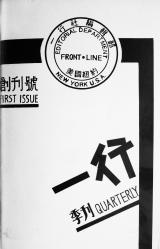
The source for Ai Weiwei’s poem
Hu Jia released after years in Chinese prison
@faz_net Weit hinter der chinesischen Firewall http://t.co/LIbIuTv 貝嶺 Bei Ling (June 25). http://derstandard.at/1308679661187/Die-Freilassung-Ai-Weiweis-Ai-Weiweis-Zukunft Ai Weiwei mit Maulkorb: Wie lange wird er das aushalten? Der Aktionskünstler ist wieder auf freiem Fuß, aber unter scharfen Auflagen: Gibt es echte Freiheit für ihn nur um den Preis des Exils?

英譯刊於6月25日台北時報(Taipei Times): What will be the price of Ai Weiwei’s freedom? By Bei Ling 貝嶺
Berliners for Ai Weiwei (He lost a lot of weight in prison, so he might as well have some!)
See also Berlin’s Tagesspiegel from June 23rd 柏林《每日鏡報》6月24日文化版
According to Xinhua and Global Times, the newly published second volume of “History of the Chinese Communist Party” (1949-1978) is “seen as objective”. So what’s the objective of this book? What are the objectives of this new “objective” party history? Was it written by party members? Does anyone among them, or among the people who planned, published, and distributed this book, think the PRC should evolve into something different from a one-party dictatorship/autocracy? (I find it hard to believe that many non-party members would use their own money to buy such a book. Or is it really that different? Why was it published, then?) Which major bookstores have had their sales rankings dominated by this book? Ok, the main objective seems to be seen as objective. “Experts say that objectivity, a founding principle of the CPC, was virtually banished during the late 1950s and 1960s, when “extreme leftist” thought dominated the governing ideology of the Party.” Founding principle? There must be some historians who can answer this question. Anyway, they still write their party with a capital P.
In Taiwan, there seems to have been pressure for change in the late 1970s and early 1980s. China was changing. Taiwan was and is still called Republic of China, but in the 1970s they lost their UN-Security Council seat to the
PRC. Because of that ping-pong tournament between Nixon, Zhou Enlai, Mao and Kissinger, or something like that. Yes, sports events have always been very important. So there was pressure on Taiwan to open up politically, to democratize. They couldn’t just go on calling themselves The Free China team. No-one was ever going to help them liberate the Mainland anyway. So the Chiang Ching-kuo administration eventually lifted martial law in 1987, and allowed real opposition. A real opposition party. In 1988 or 1989, you still had to be a Party member (GMD/KMT) to get into certain positions in Taiwan. In 1988 or 1989, even very liberal Party members still said that in 1947, maybe 200 people might have been killed after the February 28th incident, but it was an armed uprising anyway. In 1991, President Li Denghui publicly admitted that probably more than 20.000 people had been killed in 1947 by government forces, and apologized to surviving relatives.
Going back to China: If there is any real discussion about The Great Leap Forward famine, in conjunction with all the other campaigns, including the anti-rightist “movement” and the ones before and after, including the CR,
wouldn’t that mean one-party autocracy would have to be abandoned at some time? In 2011, we’re having 90 years of CCP, in addition to 45 years after 1966, the beginning of the CR. In 2009, we’ve had The Founding of a Republic (1949), and in addition 1959 (famine), 1969 (CR), 1979 and 1989 (In 1979, economic reform was ushered in under Deng Xiaoping, who prevailed over Hua Guofeng in the late 1970s, although Hua had been appointed by Mao. Does that mean Hua and Mao were part of the “‘extreme leftist’ thought [that] dominated the governing ideology of the Party” […] “during the late 1950s and 1960s”?).
The student demonstrators in 1989 explicitly stated in slogans on banners etc. that they supported the CCP. Even after they were called counter-revolutionaries in the The People’s Daily. (See the article by Su Yang 蘇陽 in the HK Xin Bao). But because protest leaders emphasized loyalty to the state, three peasants who hurled red paint at the Mao portrait at Tian’anmen were apprehended by the students and handed over to Public Security. They were from Hunan, where Mao came from. They got 17-20 years. After the massacre of June 3rd and June 4th in the streets of Beijing, who would still think that political reform would be possible under the Party?

“Objectivity” sounds rather like the 1980s. Objectivity and political reform, or at least pressure for political reform are interdependent. Any kind of national and international pressure, especially the latter. “Chinese
Communist Party seen as objective in writing its history” – doesn’t that sound like “Vatican seen as objective in writing its history”? Yan Lianke cannot publish his latest novel Four Books in mainland China, because it’s about the Great Leap Forward famine. Opposition party founder Liu Xianbin has been sentenced to another 10 years in March. He has been sentenced to 26 years since 1989. There are a few other people like him. They are not as famous as Liu Xiaobo and Ai Weiwei. And there are people in detention or in labor camps for political reasons who are not intellectuals or dissidents. Like Ai Weiwei’s cook and his driver. Anyway, would anyone call the present political and social climate in China hopeful? So what are the objectives?
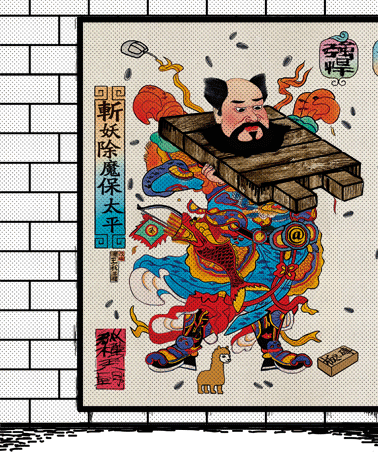
Interesting. Please click on the Global Times link (also at the bottom), read the article and then click on the “Related” links under the article. These other stories add a lot of perspective, through earlier and mostly positive Global Times coverage of Ai Weiwei’s various projects and activities. I remember seeing Lian Chan 連戰 on TV in Taiwan in the 1980s*. He was prime minister then, I think. Kept saying “Yi fa bali! 依法辦理”. To be handled according to law. Everything should be handled according to law. This was already after martial law 戒嚴 was lifted 解嚴 in 1987. But many opposition figures and activists were still in prison (they had a prison island, “Green Island” 綠島, for example) or barred from returning to Taiwan. Martial law had been lifted, but many laws from the One-Party-rule were still on the books, and actually still enforced (See the poem “After Martial Law Was Lifted – In Commemoration of Lifting Martial Law in Taiwan on July 15th, 1987” by Li Qin’an [李勤岸 – 解嚴以後 – 一九八七年七月十五日臺灣解嚴紀念] http://blogs.yahoo.co.jp/dujuan99nihon/30163376.html). Now which law is the Global Times article referring to? Let US bake our cake of social progress and eat it at the same time, and have it OUR way, and let nobody in the world talk too much about it, because this is the LAW. Right?
Very interesting how they keep on contradicting themselves. “Was said to have been detained”. Was he, or was he not? Maybe just kidnapped? “It was reported his departure procedures were incomplete.” Interesting. So which law will not concede before Ai Weiwei? Which departure procedures law? No, it’s THE LAW. Shoot first, deflect questions later.* Happens in every society.
Martin
======================================
Global Times (4/6/11):
http://en.huanqiu.com/opinion/editorial/2011-04/641187.html
Law will not concede before maverick
法律不会为特立独行者弯曲_评论_环球网: http://bit.ly/hwH7G4, most discussed on @dujuan99/china (http://bit.ly/evC5Ka) See also China Geeks (4/8/11).
Geremie Barme on Ai Qing and Ai Weiwei
Nude photos and other incriminating activities of Ai Weiwei
Who is afraid of Ai Weiwei?(Language Log)
貝嶺:裸體公民艾未未 (China Times, also in Ming Pao)

Photo by Katharina Hesse
There are many relations of this case to other arrests like the one on April 8 of Zhao Lianhai 趙連海, speaker for parents whose children had been poisoned by tainted milk.
Zhao had been released on parole after beeing imprisoned for “disturbing the peace”. But on April 6, he uplaoded a moving video, holding his child and trying to make a public statement at home.

*This blog entry started out as a post on the MCLC email listserv. A lively discussion ensued. Andrew Field pointed out that Lu Xun 魯迅 and many other modern writers were banned in Taiwan under martial law. James Dew, Tim Wong, Kirk Denton, Christopher Lupke and others remembered how foreign students read these writers in a special room at Taiwan University, and how Chen Yingzhen 陳映真 connected to Lu Xun and the May Fourth tradition. Chen was imprisoned for “pro-communist activities”. Tai Jingnong 台静农 (1903~1990), a well-known writer and painter in Taiwan, was originally a student of Lu Xun.
* Jerome Cohen uses a similar expression in the South China Morning Post (4/27/11): “Second, it also seems clear that, whatever the evidence being assembled about tax evasion or other charges, this was not the motivation for Ai’s detention. This case started out on a ‘detain first and look for justification later’ basis.”

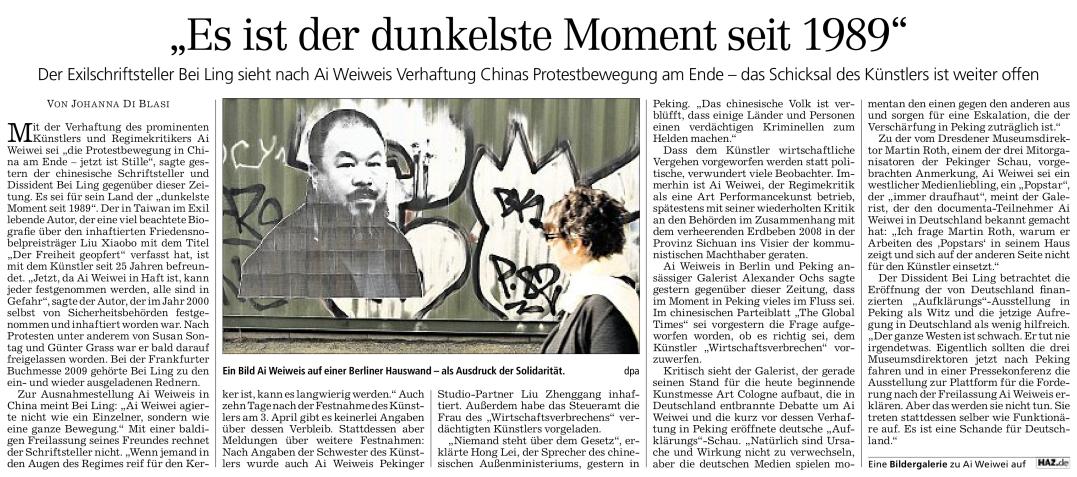 Chinese rock music related to Ai Weiwei: http://www.zuoxiaozuzhou.com/, via Jeroen Groenewegen
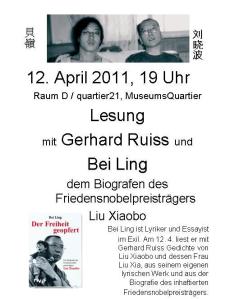
Stichworte Lesung 12.4. Gerhard Ruiss – Bei Ling
Verhaftungswelle – Ai Weiwei, vorher schon andere Künstler wie Wu Yuren; auch Ran Yunfei und viele andere Blogger, Teng Biao und viele andere Menschenrechtsanwälte …
Gao Zhisheng (Anwalt) seit Jahren verschwunden, vorher mehrfach inhaftiert und gefoltert
Viele unter Hausarrest und abgeschirmt, in letzter Zeit verschärft, auch Liu Xia, Frau von Liu Xiaobo.
Seit Oktober durfte niemand Liu Xiaobo besuchen, auch seine Frau nicht. Falls Bruder oder Eltern doch einmal hindurften, dann unter Geheimhaltung, alles abgeschirmt, jeder Kontakt nach außen wird strengstens verhindert.
Liu Xianbin wurde letzte Woche wieder zu 10 Jahren wegen Anstiftung zur Untergrabung der Staatsgewalt verurteilt. Seit 1989 bekam er insgesamt 25 1/2 Jahre, u.a. wegen Gründung einer Oppositionspartei. Solche wie ihn gibt es noch mehrere, sie sind halt alle nicht so bekannt wie Liu Xiaobo. Liu Xianbin kam erst 2008 frei, unterschrieb aber sofort die Charta 08 und wurde 2009 wieder erhaftet. Er hat eine Tochter im Teenageralter, die ihren Vater hauptsächlich von Besuchen im Gefängnis her kennt. Es gibt einen sehr interessanten Text von Liu Xianbins Frau Chen Mingxian (leider nur auf Chinesisch), in dem sie von ihrem Leben seit 1995 erzählt. Sie ist einfache Lehrerin, lernte zufällig Liu Xianbin kennen, wurde langsam in die Dissidentenszene hineingezogen, beschreibt sehr eindringlich ihr tägliches Leben in einer kleineren Stadt, mit häufigen Polizeibesuchen.
Seit Februar gibt es im Internet Aufrufe, in 10-15 Städten auf die Straße zu gehen, jeden Sonntag, gegen hohe Lebensmittelpreise, Korruption und viele Misstände; ohne Transparente, einfach Spazierengehen an bestimmten Orten, höchstens manchmal Sprechchöre; darauf wird jedoch mit großem Polizeiaufgebot, Brutalität und vielen teils willkürlichen Verhaftungen reagiert.
Der Dichter Liao Yiwu, der 1989 wegen einer Radioausstrahlung seines Gedichts “Massaker” ins Gefängnis kam, die 90er Jahre hauptsächlich in Lagern verbrachte, dort viel Stoff für Reportagen und Erzählungen fand, die auch ins Deutsche übersetzt wurden, und von einem alten Mönch Flüte spielen lernte, durfte im Herbst 2010 erstmals ins Ausland, nach den Solidaritätslesungen am 20. März (Tag der politischen Lüge, Authors for Peace, Internationales Literaturfestival Berlin) und nachdem sich sogar Angela Merkel für ihn einsetzte. September und Oktober 2010 war er in Deutschland, dann ging er zurück nach Sichuan. Sofort wurde er wieder überwacht, öfters zur Polizei beordert, etc. Heuer wurde er in die USA zu einer Lesereise eingeladen, durfte aber im März wieder nicht ausreisen. Auf diese Weise wird er auch die folgende Reise nach Australien, wo er dasselbe Buch vorstellen sollte, nicht antreten können. Seit den 90er Jahren wurde er 16 Mal in verschiedene Länder zu literarischen Veranstaltungen und Konzerten eingeladen, 1 mal (im Vorjahr) durfte er ausreisen, 15 mal nicht. Liao Yiwu ist nicht das einzige Beispiel; der Dichter Bai Hua durfte lange Zeit ebenfalls nicht ausreisen; ich habe noch von anderen Fällen gehört.
Zhao Wei, der Student, der unlängst auf einer Zugfahrt umkam, ist auch ein Fall, der einen an viele ähnliche Fälle erinnert, von denen man ebenfalls in China gehört hat.
Liu Xiaobo, Ai Weiwei und Bei Ling kennen einander aus den 80er Jahren. Alle Künstler, Musiker, Schriftsteller etc., die jetzt über 30 sind, sind durch das Proteste-Desaster und Massaker von 1989 miteinander verbunden, auch wenn sie künstlerisch, intellektuell etc. überhaupt nicht miteinander übereinstimmen. Dissidenten, auch im Ausland, sind teilweise sehr zerstritten. Liu Xiaobo wird von manchen nicht als geeignet angesehn, die Arbeiter, ArbeitsmigrantInnen etc. zu vertreten, die in den letzten Jahren mit Streiks, Selbstmorden und schon länger auch durch die vielen Arbeitsunfälle in den großen Fabriken in den Industriestädten um Kanton und anderswo von sich reden gemacht haben. Aber auch da gibt es eine Verbindung: Zheng Xiaoqiong, die Arbeitsmigrantin und Dichterin, die 2003/2004 bekannt wurde. 2009 kam eine Auswahl ihrer Gedichte in Taiwan heraus, in einer Serie, in der auch Gedichte der tibetischen Schriftstellerin Woeser erschienen. Am 5. April 1976 begann die Öffnung Chinas, noch vor Maos Tod, auf dem Tian’anmen-Platz mit Gedichten. Auch heute ist Lyrik bedeutender und integrativer, als man glauben möchte. Natürlich ist nicht alles davon immer ‘nur’ Literatur – Kunst und Politik sind in Wirklichkeit weiterhin sehr eng miteinander vebrunden, auch wenn seit den 90er Jahren alle sagen, alles sei nur noch kommerziell geworden. Unter Mao war allles Politik. In den 80er Jahren waren die Verbindungen noch sehr deutlich. Jetzt sind sie auch sehr deutlich, wenn man die Nachrichten hört.

12.4. 19 Uhr
Lesung mit Gerhard Ruiss und Bei Ling (Lyriker, Essayist, Dissident, Biograf des Friedensnobelpreisträgers Liu Xiaobo)
–
Raum D / quartier21
Gedichte von Liu Xiaobo und Liu Xia
Auszüge aus Essays von Bei Ling und aus der Biografie von Liu Xiaobo
Gedichte von Bei Ling
Es lesen Gerhard Ruiss (IG Autorinnen Autoren) und Bei Ling
Nach der Solidaritäts-Lesung für den inhaftierten chinesischen Friedensnobelpreisträger Liu Xiaobo am 20. März (mit Gerhard Ruiss im Radio – siehe
http://archiv.literadio.org/get.php?id=766pr1602) kommt sein Biograf Bei Ling zu einer Lesung nach Wien ins Museumsquartier. Der Versuch der Überwindung von Zeit und Raum ist für Bei Ling seit mehr als einem Jahrzehnt bittere Realität. Der Lyriker war – wegen der Veröffentlichung einer Literaturzeitschrift – selbst in Haft, wurde 2000 auf internationalen Druck hin freigelassen und aus China ausgewiesen. Seither lebt er im Exil.
„Es gibt keine Wahl mehr. Das Blut vieler junger Menschen, jene Seelen, jene eingekerkerten Menschen, und dann noch Xiaobo im Gefängnis – er wird mich verfolgen und auch das, was ich schreibe. Er wird mein Verhalten bestimmen“, das schrieb Bei Ling vor 22 Jahren als er erfuhr, dass sein Freund Liu Xiaobo nach dem Massaker vom 4. Juni 1989 verhaftet worden war – und er scheint recht behalten zu haben. Die Biografie seines Weggefährten Liu Xiaobo ,Der Freiheit geopfert´ ist erst kürzlich auf Deutsch erschienen.
Am 12. April liest Bei Ling mit Gerhard Ruiss Gedichte von Liu Xiaobo und Liu Xia (der Frau des inhaftierten Nobelpreisträgers, die seit Oktober in ihrer Wohnung festgehalten wird). Außerdem trägt Bei Ling aus seinem lyrischen Werk vor und liest aus der Biografie über den Friedensnobelpreisträger.
Die Veranstaltung in Kooperation mit dem quartier21/ MQ wird von der IG Autorinnen Autoren mitgetragen.
Der Freiheit geopfert. Die Biografie des Friedensnobelpreisträgers Liu Xiaobo
© Angelika Burgsteiner und Martin Winter
Martin Winter
0043-650-7209592
venice (written on a city map) one yard of scents, with blossoms filled / one passage through the midday sun / one house, one water, one whole town / one thousand years become one day / they know it here, you’ll die quite soon / and everyone will come and say / what you may claim, and what remains / and then they’re ready to depart / cause what we are stays in this world / what we have done, what we have heard / one scent, one stone, one sound, one plan / a plea that says please understand
MW June 2010

venedig (auf einem stadtplan notiert) ein hof im duft, mit blüten voll / ein durchgang in der mittagszeit / ein haus, ein wasser, eine stadt / als wären tausend jahr ein tag / man weiss es hier, man stirbt recht bald / und alle kommen, es zu sehen / was bleibt, und was man noch erwirbt / dann wollen sie auch wieder gehen / denn was wir sind, bleibt in der welt / was wir getan, was wir geschaut / ein duft, ein stein, ein laut, ein plan / und eine bitte um verstehen MW 5. Juni 2010
《在威尼斯怀念喀什古城》
威尼斯地图记下
花香一院
犹太区
中午一通道
一屋、一水、一城
一日一千年
这里晓得生命很短
大家来看
啥事剩下、还能得到
然后就走掉
我们所做到的留下
一香、一响
一图、一求
请你听懂
2010.6

Wherever I am – Hung Hung
Wherever I am, I will not be there
Whatever I said, it was not what I meant
Whatever I dream of, I am always awake
I love, but no one else, and also not you
If my heart beats wildly, it is only because
Their hearts are beating the same and without any sound –
Brides sleeping beside a stranger
Workers leaving their town behind
Students shouting on Revolution Square
And suddenly feeling bewildered
Lovers, tied up in freedom
Watch me, so I’ll be in your eyes
Kiss me, so I’ll be on your tongue
Hold me, so I can breathe in your palm
Forget me, so I may stay in your heart
2008, first published in OFF THE ROLL + 01: Lowly People
Tr. MW 2009/3
不管我在哪兒 – 鴻鴻
不管我在哪兒,我都不在那裡
不管我說了什麼,我都是別的意思
不管我夢見什麼,我都一樣清醒
我愛,但我愛的不是別人,也不是你
如果我的心劇烈跳動,那只是因為
他們的心也跳得同樣劇烈,同樣無聲──
那些睡在陌生人身旁的新娘
那些離鄉背井的工人
那些在革命廣場上吶喊
卻突然感到茫然的學生
那些被自由束縛的情人
注視我,我便在你眼裡
吻我,我便在你舌尖
握緊我,我便在你手掌中呼吸
忘記我,我便永遠在你心底
2008
原載衛生紙詩刊+01:賤民
Wo ich auch sein mag – Hung Hung
Wo ich auch sein mag, ich bin gar nicht dort
Egal was ich sag, es war anders gemeint
Egal was ich träume, bin immer ganz wach
Ich liebe, doch gar niemand anderen, und auch nicht dich
Wenn mein Herz heftig pocht, dann nur weil
Ihre Herzen ebenso pochen und ebenso lautlos –
Bräute, die neben einem Fremden schlafen
Arbeiter, die in die Ferne ziehen
Studenten, die schreien
Auf dem Revolutionsplatz
Und sich verloren fühlen
Liebende, gefesselt von Freiheit
Beobachte mich, ich bin in deinen Augen
Küss mich, ich lieg auf deiner Zungenspitze
Halt mich fest, dass ich atme in deiner Hand
Vergiss mich, ich bleibe dir in deinem Herzen
2008
Aus der Zeitschrift: Off The Roll poetry + 01: Niederes Volk
Übersetzt von MW, 2009/3
See also http://blogs.yahoo.co.jp/dujuan99nihon/23311339.html
and http://blogs.yahoo.co.jp/dujuan99nihon/24454528.html




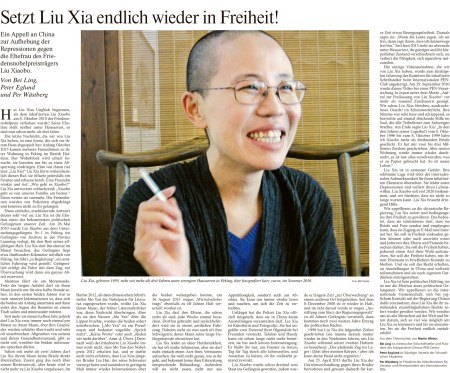




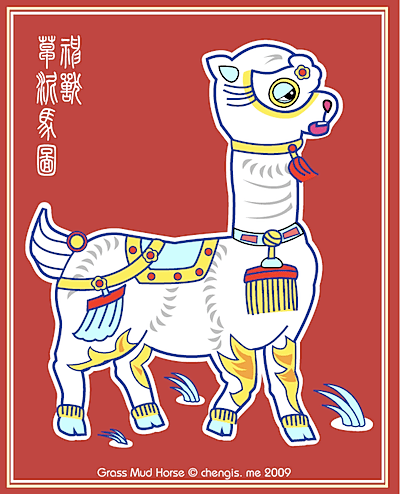

 中国大好き
中国大好き 