the moon is a white bean
at the tv tower
maybe it’s only
a cell phone tower
it’s for the army
and for the refugees
e.t. phone home
MW Oct. 1st, 2015
E.T. IM ARSENAL
der mond ist eine weisse bohne
neben dem fernsehturm
vielleicht ist es nur
ein handyturm
und etwas fürs bundesheer
und für die flüchtlinge
e.t. nach hause telefonieren
how many idiots in carinthia?
how many in styria?
how many fools in burgenland?
30% idiots in upper austria
a party for cheating old women
a party creating bad banks
a party more cheeky than any other
in taking their shares
the neo-nazis’ party of choice
30 percent in upper austria
how many idiots in old vienna?
wieviele idioten hat kärnten?
die steiermark?
das burgenland?
oberösterreich hat 30 % idioten
eine erbschleicherpartei
eine bankenbetrügerpartei
eine provisionenpartei
eine partei der neonazis
oberösterreich hat 30 % idioten
wieviele idioten hat wien?
wieviele idioten hat kärnten?
die steiermark?
das burgenland?
oberösterreich hat 30 %
eine erbschleicherpartei
eine bankenbetrügerpartei
eine provisionenpartei
eine partei der neonazis
oberösterreich hat 30 % idioten
wieviele idioten hat wien?
die pischen uns überall hin!
die pischen am hauptbahnhof überall auf die wände.
ich habs doch gesehen!
freiräume.
das muss man reinschreiben in den vertrag.
noch etwas?
in der wohnhausanlage von uns gegenüber
gibt es ein notquartier.
hat irgend jemand etwas bemerkt?
ich hab was bemerkt.
wir haben schon was bemerkt.
wie haben sie’s bemerkt?
naja, wir haben’s bemerkt.
wie haben sie’s bemerkt?
wir gehen am abend raus mit dem hund.
da haben wir manchmal etwas bemerkt.
was haben sie da bemerkt?
da stehen manchmal mehr flüchtlinge ‘rum.
ich bin dagegen.
das ist doch alles organisiert.
die kriegen 15.000 euro damit sie flüchten.
das machen die ölscheichs.
dann gehen die nicht nach saudiarabien.
hahaha! hahaha!
naja sie lachen!
sie werden schon sehen!
ich weiß wovon ich rede.
die gehen nicht weg.
die regierung soll sich darum kümmern.
wir geben jeder fünf euro
und mieten einen container.
dort haben sie alles duschen und klos.
das kostet 500 euro im monat.
aber nicht hier bei uns.
irgendwo dort am hauptbahnhof.
ich bin dagegen.
aber vielleicht sind einige hier dafür.
dann kann ich nichts machen.
ich möchte wissen von wem geht das aus?
wir haben hier viel geld investiert.
es ist eine genossenschaft.
jeder von uns zahlt einen genossenschaftsanteil.
wir sind keine mieter.
aber wir leben hier in geförderten wohnungen.
alle steuerzahler auch die nicht so schöne wohnungen haben,
die haben alle gezahlt dass diese häuser gebaut werden.
die gehen doch alle nie wieder weg!
das sind notquartiere. nur für den winter. bis april oder so.
das steht alles drin in dem vertrag mit der ngo.
und wie wissen sie was dann passiert?
ich habe erfahrung.
ich komme aus serbien.
ich war in traiskirchen.
meine eltern sind flüchtlinge.
wenn es schon sein muss dann nur familien.
die brauchen das doch am allermeisten.
sonst trau ich mich nicht zu denen hin.
wenn das lauter junge männer sind.
wieviele sind es? da gibt es doch nur ein klo und ein waschbecken.
nein, es gibt zwei.
das wird doch alles organisiert.
wenn sie zum hauptbahnhof gehen
und genau hinsehen
dann löst das etwas aus
dann denkt man anders.
die pischen uns doch überall hin!
die kastanien sind bald reif
so viele kastanienbäume in wien
die kastanien sind bald reif
und so viele flüchtlinge
die kastanien sind bald reif
wir haben hier keine schweine
die kastanien sind bald reif
so viele leute helfen den flüchtlingen
die kastanien sind bald reif
wir haben so viele schweine in wien
die kastanien sind bald reif
so viele wählen die fpö
die kastanien sind bald reif
vielleicht heißt mehr flüchtlinge weniger nazis
So., 6. Sept. 2015
CHESTNUTS ARE NEARLY RIPE
chestnuts are nearly ripe
so many chestnut trees in vienna
chestnuts are nearly ripe
so many refugees
chestnuts are nearly ripe
we don’t have pigs
chestnuts are nearly ripe
so many people helping refugees
chestnuts are nearly ripe
we have so many swine
chestnuts are nearly ripe
so many people vote fpö
chestnuts are nearly ripe
maybe more refugees means less for the nazis
ich heiße schreck
ich bin ein idiot
ich grinse
ich hab keine antwort
hast du auch keine antwort?
warum denn?
wer sind wir?
wohin gehen wir?
ins ams
aber warum denn?
wer sind wir?
wir sind österreicher
wir können wählen
aber warum denn?
und ganz große söhne
aber warum denn?
ich heiße schreck
aber warum denn?
hast du auch keine antwort?
ich bin ein idiot
und woher kommen wir?
aus dem ams
aber warum denn?
ich grinse
aber warum denn?
wir haben zuviele flüchtlinge
hast du auch keine antwort?
ich heiße schreck
ich war in einer funktion hier
als demonstrant
und als konzertgeher
am tag der befreiung
dürfen die rechten
nicht mehr marschieren
am abend spielen symphoniker
noch nicht so lang
unfertig, verloren
vom heldenplatz sieht man den flakturm.
so endet simon winders danubia
das beste buch über europa
und über österreich
sie wollten ihn kleiden
ein flakturm in italienischem marmor
weiß nicht ob das stimmt. aus dem inneren tor
bevor du hinauskommst, siehst du den turm
wenn du aufblickst, vielleicht auf dem fahrrad. jedenfalls auf der straße.
nicht wenn du auf dem platz bist. war winder auf dem balkon?
er hat leider recht. am turm erkennt man uns.
ebenso hässlich wie mao in peking
hoch auf dem turm hoch über dem platz.
nur viel viel schlimmer.
hässlich ist alles was toleriert wird
oder nur übersehen
obwohl es terror repräsentiert.
der platz ist ok. kinder spielen.
der platz ist verloren. wie tiananmen.
ball der verbindungen. rechte studenten.
gebt ihnen allen ganz schnelle wagen. einsame landstraßen.
die polizei darf alles absperren. die ganze innenstadt.
jedenfalls wo protestiert werden könnte.
einkesseln. jagen. mitnehmen. anklagen.
landfriedensbruch. auch wenn li peng kommt.
kroch hitler aus den ruinen von habsburg?
welche ruinen? besuchszeiten sind
alles ist wunderbar renoviert
das völkerkundemuseum
heißt jetzt irgendwie anders. etwas von welt.
der glanze heldenplatz zirka.
Hinter dem Bahnhof das Hotel Fuchs.
Fuchsgasse hat meine Oma gewohnt.
Die Wohnung war von einem Juden.
Ihr Mann war im Krieg.
Ist im Krieg geblieben.
Eine Wohnung mit Wasser draußen am Gang.
Meine Oma mit Kind.
Sie ist fast verhungert gleich nach dem Krieg.
Läuft nackt aus dem Haus und kommt nach Steinhof.
Steinhof war ein Ort des Schreckens in Wien.
Eine schöne Kirche von Otto Wagner.
Meine Oma hat viel gearbeitet.
Der Jude ist lange noch dort gestanden.
Mariahilferstraße.
Hat hingeschaut zu seiner Wohnung.
Noch mehrere Tage.
Meine Oma wars nicht hat sie gesagt.
Niemand in der Familie.
Niemand den sie gekannt hat.
Der Jude ist tagelang noch dortgestanden.
Meine Oma hat Maria geheißen.
MW 1. August 2015
KATASTROPHE
maia gibt leo eine schallende ohrfeige
ich gebe maia eine schallende ohrfeige
alle weinen
MW Juli/August 2015
DAS WICHTIGSTE
– für Daniel
das wichtigste war nicht das klo
das klo war wichtig und interessant
es ging um gerechtigkeit
ich hab das gedicht dann ganz übersetzt
wir haben es diskutiert
am lcb in berlin
ein workshop für übersetzer
das wichtigste war die gretchenfrage
wie hältst du es mit der religion
ich sing gerne mit
beim abendmahl bin ich gern dabei
aber ich bin nicht in der kirche
es hat sich so ergeben
ich glaube gern an die revolution
in china glaub ich nicht an die linke
an den widerstand ja
aber nicht an die linken
bevor sie nicht kacken
auf den vorsitzenden
wie hält es yi sha
mit der religion?
er glaubt an poesie
poesie macht dich zu einem besseren menschen
stimmt leider nicht immer
hab ich ihm gesagt
schau dir nur deinen papiertiger an
MW 2. August 2015
OSTERN
Christus starb 1944.
Christus starb 1943.
Christus starb 1942.
Christus starb 1941.
Leider auch früher
und später.
Christus starb im Holocaust.
Marc Chagall hat es gemalt.
Glaubst du, du bist eine Intellektuelle?
Glaubst du, du bist eine Existenzialistin?
Glaubst du, du magst Zhajiang-Nudeln?
Glaubst du, du sammelst Antiquitäten?
Glaubst du, du gehst mit der Zeit?
Glaubst du, du bist vorwärts gekommen?
Glaubst du, du hast deine Ideale verwirklicht?
Glaubst du, du liebst dein Land?
Glaubst, du liebst die Wahrheit?
Glaubst du, du wagst es, die Wahrheit zu sagen?
Glaubst du, du fürchtest keine Vergeltung?
Glaubst du, du bist eine gute Schriftstellerin?
Glaubst, du bist eine Dichterin?
Glaubst du, du bist eine gute Mutter?
Glaubst du, du bist ein guter Vater?
Glaubst du, du hast schon mal geliebt?
Glaubst du, du hast Anstand?
Glaubst du, Microblogging bringt China voran?
Frage, Frage, Fragezeichen
Glaubst du, man sollte sie anbeten?
Glaubst du, du bist ein Fangirl?
Glaubst du, es gibt Sachen, die darf man nicht sagen?
Glaubst du, manche Leute darf man nicht provozieren?
Glaubst du, deine Romane sind deine Memoiren?
Glaubst du, du bist begabt?
Glaubst du, deine Dinge werden bleiben?
Glaubst du, du hast ein Geheimnis?
Glaubst du, du hast ein großes Herz?
Glaubst du, du bist jedem gerecht geworden?
Glaubst du, du hast Verantwortung übernommen?
Glaubst du, du hast nach den Regeln gehandelt?
Glaubst du, du findest keine Scham in deinem Herzen?
Glaubst du, du hältst dich für unfehlbar?
Glaubst du, du möchtest dich rächen?
Glaubst du, du fürchtest den Tod?
Glaubst du, du kannst sie um den Finger wickeln?
Glaubst du, du wirst ihnen lästig?
Glaubst du, du hast noch ein Morgen?
Glaubst du, du bist schon zurückgeblieben?
Glaubst du, du bist allein?
Glaubst du, was du da schreibst, ist ein Gedicht?
Der Mensch macht einen verrückt
Lass sie sich doch
selber fragen
2012
Übersetzt von Cornelia Travnicek und Martin Winter im Jänner 2015
untertags bilder schießen
und nachts schlaflos sein
im traum mit einem feind
von liebe sprechen
mit einem spion
mit jemandem gleichen geschlechts
zusammen mit dem, der mich streichelt
zusammen mit dem, der mich grapscht
in einem traum da kann kein großes feuer sein
kein schwerer schnee
gefühle besprechen, menschen morden
manchmal stolpert das herz, manchmal bricht‘s
kleider in schreienden farben tragen
schäumender überschwang
und heißes blut
2012
Übersetzt von Cornelia Travnicek & Martin Winter im Jänner 2015
Chun Sue
DREAMING OF LIVING INSIDE A DREAM
taking pictures by day
then sleepless at night
in a dream with a foe
talking love
with a spy
talking love
in a dream, same-sex love
in a dream with the one who caressed me
in a dream with the one who harassed me
talking love, can’t be no big fire
can’t be no great snow
in a dream, making love, shoot to kill
panicking, heart-broken
showing colourful clothes
going round gushing feelings
or gushing blood
2012
Tr. MW, 2014-2015
Chun Sue MORGENS ÜBER DIE CHANG‘AN-STRASSE
Mein kleiner Bruder sagt: Vater, wir sind auf der Chang’an
schau sie dir gut an
Das ist genau die Chang‘an, die du über zwanzig Jahre lang gegangen bist
Ich sitze beim Vater, beim kleinen Bruder
Fast beginn ich zu weinen
Jetzt erst weiß ich
warum ich diese Straße des ewigen Friedens mag
Langsam, langsam fährt das Auto am Militärmuseum vorbei
an den roten Mauern von Zhongnanhai
am Xinhuamen
Papa ist klein jetzt, er ist eine Urne
die steht zwischen uns
die braucht nicht viel Platz
Das Auto fährt am Tian’anmen vorbei
und ich sehe
wie er auf dem Platz steht
und uns zusieht, wie wir vorbei fahren
Wie soll ich nur über dich schreiben
Du Sohn eines Bauern
Auch ich bin in einem Dorf geboren
Auch ich bin das Kind eines Bauern
Ich lege für dich eine Nacht lang Armeelieder auf
schluchzend und schreiend –
das mag ich auch.
2012
Übersetzt von Cornelia Travnicek & Martin Winter im Jänner 2015
I n-need t-to b-b-break out
f-f-from y-y-your s-sp-pout-ting s-song
b-break o-out o-of y-your h-house
m-m-my sh-shoot-t-ting t-t-tongue
m-m-mach-chine g-g-gunn f-fire
it feels so good
i-in m-m-my s-st-tut-t-ter-ring l-life
the-there a-are n-no g-ghosts
ju-just l-llook at-t m-my f-face
I d-d-don’t c-care!
1991
Tr. MW, 2015
Yi Sha 《结结巴巴》 ST-STO-TO-TT-TERN
m-mein st-sto-to-tt-ternd-der m-mund
b-b-behind-dderter schschlund
b-b-bei-sst- s-ich wund
an m-meinem r-rasenden hirn
und m-meine b-beine –
euer t-trief-fend-der,
schschimmliger schschleim
m-meine l-lunge
i-ist m-müd’ und hin
i-ich w-will r-r-aus
aus eurem g-gross-a-artiggen rh-rhythmus
a-aus eurem h-haus
m-m-meine
sch-schp-prache
m-masch-schinengewehr-s-salven
es tut so gut
in m-meinem st-stott-ttoterndem r-reim
auf m-mein l-leben g-gibt es k-keine l-leich-chen
s-s-seht m-mich a-an
m-m-mir i-ist all-les g-gleich!
1991
Übersetzt von MW im April 2013
<結結巴巴>
結結巴巴我的嘴
二二二等殘廢
咬不住我狂狂狂奔的思維
還有我的腿
你們四處流流流淌的口水
散著霉味
我我我的肺
多麼勞累
我要突突突圍
你們莫莫莫名其妙
的節奏
急待突圍
我我我的
我的機槍點點點射般
的語言
充滿快慰
結結巴巴我的命
我的命裡沒沒沒有鬼
你們瞧瞧瞧我
一臉無所謂
1991
Photos and videos by Beate Maria Wörz
Yi Sha 《精神病患者》 GEISTESKRANKE
theoretisch
weiß ich nicht
wie es sich äußert
wenn eine geisteskrankheit ausbricht
ich hab nur gesehen
in diesem land
in dieser stadt
wenn ein geisteskranker loslegt
streckt er den arm hoch und bricht aus
in parolen
der revolution
theoretically
I don’t know
how it should be
when a mental patient
suffers an outbreak
but what I have seen
in this country
in this city –
a mental patient suffers an outbreak:
up goes his arm
out come the slogans of revolution
1994
Tr. MW, 2013-2014
Photos and videos by Beate Maria Wörz
Yi Sha 《我想杀人》 ICH MÖCHTE JEMANDEN UMBRINGEN
ich fühle mich etwas komisch
ich will jemanden töten
oh! das war letztes jahr
herbst kroch über das laub
zwanzig todeskandidaten
am flussufer nördlich der stadt
“peng! peng!”
einer wurde aufgeschnitten
in der folgenden operation
erhielten WIR eine niere
I am feeling a little strange
– I want to kill someone
Oh! It was last year
autumn crept over the leaves
twenty death candidates lined up
at the river north of the city
„Peng! peng!“
One of them was cut open
and in the following operation
We got a kidney
1994
Tr. MW, 2015
Yi Sha 《9/11心理报告》 9/11 AUF DER COUCH
erste sekunde mund offen scheunentor
zweite sekunde stumm wie ein holzhuhn
dritte sekunde das ist nicht wahr
vierte sekunde kein zweifel mehr da
fünfte sekunde das brennt nicht schlecht
sechste sekunde geschieht ihnen recht
siebte sekunde das ist die rache
achte sekunde sie verstehen ihre sache
neunte sekunde die sind sehr fromm
zehnte sekunde bis ich drauf komm
meine schwester
wohnt in new york
wo ist das telefon
bitte ein ferngespräch
komme nicht durch
spring zum computer
bitte ins internet
email ans mädl
zitternde finger
wo sind die tasten
mädl, schwester!
lebst du noch?
in sorge, dein bruder!
2001
Übersetzt 2013 von Martin Winter
Yi Sha 9.11 REPORT FROM THE COUCH
Ist second: mouth barn-door open
2nd second: wooden-chicken stiff
3rd second: couldn’t believe it
4th second: it must be true
5th second: what a great fire
6th second: well they deserve it
7th second: this is retribution
8th second: these buggers have guts
9th second: must be their religion
10th second: before I realize
my own little sister
lives in new york
I need a telephone
long distance call!
can’t get a connection!
I go storming for a computer
where is the internet
typing out characters
writing an email
shaky fingers
“sister, sister!
are you alive?
your elder brother is worried sick!”
sie huschen wie wandelnde seelen am bahnhof
an der maschine in der industriezone im schmutzigen mietquartier
ihre gestalten sind dünn wie messer, weisses papier,
haarsträhnen, luft. mit ihren fingern schneiden sie
eisen. filme. plastik … müde und taub sind sie
wandelnde seelen verpackt in maschinen
arbeitskleidung fließband ihre blitzenden augen
jugendlich huschen sie in ihrem
graudunklen strom ich kann sie nicht unterscheiden
steh ich unter ihnen sind wir auch nicht unterscheidbar
hautsäcke glieder bewegungen unbestimmte blicke lauter
unschuldige gesichter ständig werden sie aufgestellt organisiert
strukturiert ameisenvolk der elektronik bienen der spielzeugfabrik
sie lächeln stehen rennen bücken krümmen sich
werden verkürzt ein paar hände schenkel
sie werden festgedrehte schrauben abgetrennte metallflächen
gepresstes plastik gebogenes aluminium geschnittener stoff
ihr enttäuschter zufriedener erschöpfter glücklicher
aufgelöster hilfloser einsamer … ausdruck
sie kommen aus dörfern weilern gruppen ihre
intelligenten ungeschickten zaghaften feigen …
heute knien sie vor all den hohen hellblitzenden fenstern und türen
wachleute in schwarz glänzende autos grüne mandarinenbäumchen
das goldene fabriksschild gleißt in der sonne
sie knien vor dem fabrikstor halten ein stück karton
mit ungelenker schrift “gebt uns mit schweiß und blut verdientes geld”
furchtlos knien sie zu viert vor dem fabrikstor
die leute um sie herum vor ein paar tagen ihre kolleginnen
aus denselben dörfern freundinnen chefinnen mitarbeiterinnen
ausdruckslos betrachten sie diese vier arbeiterinnen
schauen zu wie die vier kolleginnen von wachleuten weggeschleift werden
wie eine einen schuh verliert wie einer anderen
die hose aufreißt schweigend schauen sie zu wie die
vier knienden arbeiterinnen weggebracht werden in ihren augen
steht weder freude noch leid … ausdruckslos gehen sie in die fabrik
ihr unglück macht mich traurig niedergeschlagen was soll ich sagen
2012
Übersetzt von MW, 2015
Photos and video recording: Beate Maria Wörz
郑小琼
《跪着的讨薪者》
她们如同幽灵闪过 在车站
在机台 在工业区 在肮脏的出租房
她们薄薄的身体 像刀片 像白纸
像发丝 像空气 她们用手指切过
铁 胶片 塑料 … … 她们疲倦而麻木
幽灵一样的神色 她们被装进机台
工衣 流水线 她们鲜亮的眼神
青春的年龄 她们闪进由自己构成的
幽暗的潮流中 我无法再分辨她们
就像我站在他们之中无法分辨 剩下皮囊
肢体 动作 面目模糊 一张张
无辜的脸孔 她们被不停地组合 排列
构成电子厂的蚁穴 玩具厂的蜂窝 她们
笑着 站着 跑着 弯曲着 卷缩着
她们被简化成为一双手指 大腿
她们成为被拧紧的螺丝 被切割的铁片
被压缩的塑料 被弯曲的铝线 被剪裁的布匹
她们失意的 得意的 疲惫的 幸福的
散乱的 无助的 孤独的 。。。表情
她们来自村 屯 坳 组 她们聪明的
笨拙的 她们胆怯的 懦弱的 。。。
如今 她们跪着 对面是高大明亮的玻璃门窗
黑色制服的保安 锃亮的车辆 绿色的年桔
金灿灿的厂名招牌在阳光下散发着光亮
她们跪在厂门口 举着一块硬纸牌
上面笨拙地写着 “给我血汗钱”
她们四个毫无惧色地跪在工厂门口
她们周围是一群观众 数天前 她们是老乡
工友 朋友 或者上下工位的同事
她们面无表情地看着四个跪下的女工
她们目睹四个工友被保安拖走 她们目睹
一个女工的鞋子掉了 她们目睹另一个女工
挣扎时裤子破了 她们沉默地看着
下跪的四个女工被拖到远方 她们眼神里
没有悲伤 没有喜悦 。。。 她们目无表情地走进厂房
她们深深的不幸让我悲伤或者沮丧
Zheng Xiaoqiong
KNEELING, DEMANDING THEIR WAGES
they scurry across like wandering souls at the train station
at the machines the industrial zone squalid rented rooms
their thin female bodies like knifeblades like paper
hair fibres air their fingers cut
iron plastic film etc they’re numb and exhausted
like wandering souls packed into machine tables
work clothes assembly lines their glowing eyes
in the bloom of their youth scurrying into the shadowy stream
they created themselves I can’t tell them apart
I am standing among them no one knows who I am a sack of skin
limbs movement vague expressions one harmless
face after another they are always assembled lined up
forming electronics factory anthill toy factory beehive females
smiling standing running bending curling
each simplified into one pair of hands thies
fastened screws cut iron sheets
compressed plastic curved aluminum cut fabric
their frustrated satisfied weary happy
tangled up helpless lonely expressions
they come from villages hamlets valleys teams they’re intelligent
awkward they are weak timid
today they are kneeling before the shining glass windows doors
black-clad security polished limousines green tangerines
gold-emblazoned factory name shining in sunlight
kneeling at the factory gate holding up a cardboard sign
awkward charakters “give us sweat-and-blood-money”
they look quite fearless as they kneel at the factory gate
surrounded by a crowd days ago they were colleagues
from the same province friends coworkers above or below
women without any expression watching four kneeling women workers
watching four colleagues dragged away by security watching
one of the four losing a shoe watching another worker
getting her pants torn in the struggle silently watching
four kneeling women dragged far away in their eyes
there is no sadness no joy without any expression they enter the factory
their tragedy leaving me sad or depressed
OUR WOMEN
– for the women detained in China around March 8
they cannot speak for our women
nobody can speak for our women
anyone who is not from our women
is against our women
they’re not legitimate
how could anyone speak
for our women?
only our women
speak for our women
MW April 2015
AUSTRIA 1%
about austria
about major major
a bout a bout
of mozartkugel
about 1 percent of the earth
we are a gated community
in a gated community
in a gated community
have you watched our new year’s concert?
have you seen our spanish horses?
have you read our serbian writers?
milo dor was a good one
99 percent of us are not rich
relatively speaking
vienna, austria
two o’clock in the morning
yi sha from chang’an
my chinese dream
let’s go for a walk
get lost in the woods
two protected species
two or three
chinese european rare deer
and from chicago
gestern war ich wieder bei martin
hab mit leo gespielt
seinem zehnjährigen sohn
in der nacht im traum
war ich sein kleiner spielkamerad
zehn jahre alt
sollte in österreich noch einmal aufwachsen
alles frühere ausradiert
unglaublich kompliziertes
gefühl
völlig durcheinander
martin und ich
kommen zum tiergarten
er hält ein kind
in windeln gewickelt
vor uns erscheint
eine riesige schlange
hebt ihren kopf
will das baby verschlingen
ich versteck mich hinter martin,
sag ihm: “schnell, gib mir das kind,
ich renn zuerst …”
Am liebsten würde ich ein ganzes Heft gestalten. Das Cover. Malala gewinnt den Friedensnobelpreis. Apple Daily in Hongkong. Malalas Kopf, rundherum alles Chinesisch.
“Ich möchte weder Rache an den Taliban, noch an irgendeiner anderen Organisation. Ich möchte meine Stimme nur dafür erheben, dass jedes Kind ein Recht auf Unterricht hat. Mein Traum ist, dass alle Kinder, auch die Söhne und Töchter der Terroristen und Radikalen, in die Schule gehen können und Bildung bekommen. Ein Kind, ein Lehrer, ein Buch, ein Stift – kann die Welt verändern.” Hat sie das wirklich gesagt? Ich habe mir ihre Rede angeschaut, auf Youtube. Englisch, Urdu, Pashto. Auf der Bühne mit ihrer Familie. Ihr Bruder, ihre Eltern. Der Bruder wird neidisch sein. Sie bemüht sich sehr um Harmonie, ist wirklich froh, dass auch jemand aus Indien gewonnen hat, der für Kinderrechte einsteht.
Dieses Cover. Nur das Bild. Foto: Apple Daily. Das ist auch schon ein Hinweis auf die Proteste in Hongkong von August bis Dezember 2014. In den USA gab es auch Proteste, für Bürgerrechte, in der Nachfolge von Martin Luther King. Und in Österreich meldet wenigstens das Gratisblatt “Österreich” wieder einmal, dass Strache als Neo-Nazi im Gefängnis war. Strache heißt Furcht und Schrecken. Graz heißt Stadt. Eine wichtige Stadt für die Literatur. Eine gar nicht so heimliche Hauptstadt, zu manchen Zeiten. Für den Schrecken. Für die Literatur, etwas später. Yi Sha 伊沙, der am 17. März in Graz seine Texte vorstellt, die in manchem an Ernst Jandl erinnern, kommt aus Xi’an 西安. Hauptstadt schon vor über 2000 Jahren. Terrakottakrieger. Tang-Gedichte. Von daher kommt Gustav Mahlers Lied von der Erde.
Eine wilde Mischung. Sich der Gewalt stellen. Respekt geben, zeigen, und damit auch fordern. Haben sie das gemeinsam? Yang Lian 楊煉, ein großer Dichter, aktiv und engagiert seit den 1970er Jahren. Liu Zhenyun 刘震云, bis vor zwei Jahren vielleicht bekannter als Mo Yan, auf jeden Fall unterhaltsamer. Richard Claydermann und die Trommeln in den Bergen. Klingt vielleicht eskapistisch. Aber Liu Zhenyun geht es um Aufarbeitung, und um Respekt für die kleinen Leute. Er kommt aus einem armen Dorf und ging zur Armee, um schreiben zu können – wie auch Mo Yan 莫言 und manche andere.
Respekt zeigen, und damit einfordern. Zheng Xiaoqiong 郑小琼 tritt auch am 17. März in Graz auf. Ihre Texte kommen aus den Fabriken in Dongguan. Das ist im Perlflussdelta, nicht weit von Kanton 広州, Hongkong 香港 und Shenzhen 深圳. Xu Lizhi 许立志 sprang in Shenzhen in seinen Tod. Bei Foxconn 富士康, wo sich schon viele Arbeiter und Arbeiterinnen umgebracht haben. Foxconn fertigt Computer und Telefone für Apple. Xu Lizhi war ein sehr begabter Dichter. Bei Zheng Xiaoqiong kommen viele Kolleginnen vor, die nicht mehr am Leben sind. Oft wegen Unfällen. Viele sind auch verschwunden.
Respekt zeigen, und Hoffnung geben. Wie Malala. Viele Frauen sind in diesem Dossier, verglichen mit anderen Kunstsammlungen, nicht nur chinesischen. Fünf Frauen, von elf Autorinnen. Zwei mit Prosatexten. Zheng Xiaoqiong hat sehr gute Reportagen geschrieben, leider habe ich bis zum Redaktionsschluss noch keine fertig übersetzt. Aber von Zheng Xiaoqiong kommt bald ein Buch in Österreich heraus, mit Reportagen und Gedichten. Bei FabrikTransit. Und in Wien gibt es am 20 März am Ostasieninstitut der Universität Wien einen Workshop mit Zheng Xiaoqiong, auf der Grundlage von einer Reportage und anderen Texten. Und eine Lesung gibt es, veranstaltet vom Institut für Sprachkunst der Universität für Angewandte Kunst.
Hao Jingfangs 郝景芳 Science-Fiction-Geschichte ist der längste Text in diesem Dossier. Widerstand. Wie ist Widerstand möglich, wenn aller Widerstand gegen den Staat längst gebrochen wurde?
Kaufen Sie das Heft, lesen Sie, wie es geht. Oder lesen Sie von Ma Lans 马兰 ”Doppeluterus“, und unerklärlichen Spuren im Schnee. Von Liu Xias 刘霞 Charlotte Salomon. Soll noch einer sagen, chinesische Literatur sei nur über China. Alle Beiträge reden über Respekt, und über Rechte. Sehr allgemein.
the leaves are often just like over there
one week ago I was on the road.
this is a city. sometimes it is fair
sometimes in the morning it’s great to behold
the railway line past central station
rose-colored sky and a few birds
trains and some motorcar lights in the distance
nothing much in between –
overgrown earth, maybe some gravel,
and a few rabbits. if I went down there
maybe I’d see one. they are big hares.
most of it will be a park in the end.
but even now there’s only sky
shot through with traces of planes
slowly unravelling on all saint’s day
today I’m going to see her grave.
viennese is the ugliest language
I cannot really tell it apart
vienna was the city of hitler
the city of schirach
vienna was once a city of jews
I am from vienna
viennese is the most beautiful language
vienna was the city of freud
a city of music
I know exactly how it should sound
der mond ist groß und hell hinterm haus gegenüber
nicht sehr weit oben, gleich über den kränen
der erste sommer im neuen haus
der erste winter, der erste frühling
der war nass und kühl
jetzt ist es richtig sommer geworden
so viele mohnblumen
so viele lichter
so viele neue wohnungen
und ein besetztes haus in der nähe
wahrscheinlich kommen die schmierer von dort
die unsere neuen häuser verschönern
ein sechzehnjähriger liegt noch im koma
nach einer ubahn-graffitti aktion
die polizei war offenbar gründlich
und die security der wiener linien
der mond ist rund und hell hinter wolken
gleich dort hinterm haus
There were demonstrations in Vienna yesterday. I went during the day, but in the evening I was too tired. It was important in the evening, of course. They let far-right organizations march through the city, canvass at universities and so on, aggressively protected by police. Anti-fascist protesters have a hard stand. Police brutality is fatal sometimes. A young subway sprayer was beaten into a coma by Wiener Linien public transport security and police in early April, and has not woken up since then. In the evening of June 3rd, the East Asian Studies department at Vienna university held an open discussion. The most interesting thing was three young female students who had interviewed Fang Zheng 方政 via Skype. He was that athlete whose legs were severed by a tank when he helped a female student get out of the way in the morning of June 4th, 1989. He became a disabled athlete and set records. But they were always worried he would get too much publicity, so he was barred from some international events. He kept quiet during the Olympics in 2008, so that he would get his passport and could leave in 2009. Lives in San Francisco, chairs an exile organization there. That presentation was great. The North Korea specialist made some interesting remarks, and in the end a Chinese professor finally made a brief personal statement. Vienna University vice president Prof. Weigelin-Schwiedrzik asked the students present what they would have done, if they would have stayed on the square under the threat of martial law. It is a romantic question – the protests in 1989 are always romanticized, as if it had been one great student party. Students took the lead, but the most important thing about any nationwide protest is popular participation, workers and many common people, not elites. Same with Taiwan’s recent Sunflower Movement. Anyway, I raised my hand and said I could not know what I would have done. Several people said so. I said I was in Taiwan in 1989, they also had demonstrations, with different aims. The February 28th, 1947 massacre in Taiwan had not yet been acknowledged. What I should have said when I raised my hand was that everyone present should think about taking part in the anti-fascist protests the next day in Vienna, on June 4th, 2014.
just a bit of relaxing
just a bit of the sun
gleaming on every spire
just a bit of the world
settling down for the evening
and the birds sing for springtime
just like they did when I was a kid
although everything’s new
all the shiny new buildings
in this new part of town
though we’re close to the center
you can see every ridge
it’s a beautiful city
beethoven walked here,
and schubert and brahms
and vivaldi was buried
unmarked, just like mozart
it’s a beautiful evening
of a beautiful sunday
they had eu elections
there is hope for the future
this city is fortunate
this city was worse
the worst on the planet
they voted for hitler
and killed all the jews
and then it was bombed
and then our parents
came here and we grew
and moved elsewhere and now
we are here in this building
in this town on this world.
the city is growing
it is still rather small
it was big and growing
in 1914
now we have the eu
there is privatization and deprivation
all over the continent
still it is springtime
let us build something new.
MW May 25, 2014
Picture by Juliane AdlerTrain station in Liesing, Vienna
Hung Hung
MARTIAL LAW ERA – AFTER HEARING THAT SUN YAT-SEN’S STATUE AT THNG TEK-CHIONG PARK IN TAINAN HAD BEEN TORN DOWN
all those bronze statues
are busy at night
patrolling the streets
lest people get drunk and say the wrong thing or kiss in the alleys
or play mahjong at home
statues will check at the newspaper press
is there a piece on the chief like last year?
is there a space for respect at the top?
has someone scribbled in the blank spot?
bronze statues are busy
they are scared of too many things
scared stamps could bear other portraits
scared streets and squares, schools, libraries
would all change their names
no more school kids saluting
no more chatting with sparrows
scared that one day
there’d be a rope
to pull them down
“mama, why is the statue green in the face?”
“no finger-pointing, your fingers fall off!”
“mama, the statue hides for a smoke at the fire brigade!”
“he just takes a break, he got burned in the sun every day.”
those statues have long forgotten the killings
of another generation
forgotten how they are still being used
they only remember the heat of the forge
it was hard to bear
and once you cool down, then come the years
standing empty and cold
Written on the eve of Febr. 28th, 2014,
67 years after the Febr. 28th, 1947 massacre.
Tr. MW, May 2014
I was very astonished when I first saw the picture. It does look like violence, the statue is smeared red. The poem is a revelation. Why would people have something against Sun Yat-sen? Nice guy, compared to what came later. Late retribution, for the killing of Thng Tek-Chiong, governor of Tainan in 1947, one of the first dead in the February 28 massacre? Sun Yat-sen is rather far from home in Tainan, far from his home base. I remember that small park near the train station in Taipei, where Sun Yat-sen lived when he visited Taiwan, it was a Japanese hotel back then. Small garden, very peaceful. A little forlorn and frail among the hustle and bustle around Taipei train station. Why would anyone be angry at a statue of Sun Yat-sen? In 2011 and early 2012, there were many conferences around the world in memory of the 1911 辛亥革命. People talked about many interesting things, but something like this? Without this poem, I would never have thought people would think that way about these statues. Not that much. So many killings back then, so much White Terror in decades, and no retribution. And the KMT still in power. There is repressed violence in people’s hearts, and everybody can count there lucky stars if they take it out only on statues.
Taiwan is a very peaceful and safe place, all in all. One-party dictatorship does create a sense of security for some, at least in retrospect. The world gets more complicated in those new-fangled pluralist societies. So there are people who blame the subway knife attack of a deranged student on May 21 on the student-led protests in March and early April this year. In Austria, the shameless tabloid that is much bigger than Murdoch and Berlusconi in their countries, still says things like all demonstrations and protest are leftist, and cost a lot of public money. When there are anti-foreigner rightists marching in Vienna, and the police need to protect them, it is not their fault, right? And if they want to have a ball in the emperor’s palace and parade on the square where Hitler proclaimed the Anschluss in 1938, it is their right and they should be protected, and if the whole city center is full of police barricades, it is the fault of those leftists.
It’s the other way around! In a more open society, there is much less repressed violence. Look at the recent bloody clashes and attacks in many cities in China. That won’t get less, probably. Taiwan people should be very proud of that big, peaceful demonstration on March 30. Their country has become a much better place through the changes of the last 25 years. The KMT could and should be proud of that, too. But they are the 中國國民黨, so they have to think about stability in a much bigger way, don’t they?
es hat lange gedauert
warum erst jetzt
am ball ist jetzt
die öffentlichkeit
am 8. mai
sind sie schon weg
die schlagenden
beispiele
argumente gründe beweise
sind sie schon weg
es hat lange gedauert
warum erst jetzt
am ball sind jetzt
die öffentlichkeit
alle anderen parteien
jeder aufrechte mensch
jede kämpferin für dieses land
der duft der blueten
erinnert an omi
es ist lange her
gar nicht so lang
sie kann bald in den garten
gut eingepackt
anfang februar kommen die blueten
von weitem wie die baeume in taiwan
die baeume in japan
rosa blueten, manchmal weisse
am donaukanal ist auch ein strauch
in zwei tagen ist valentin
Olomouc diary
March 27, 2013
Train connection from vienna worked just fine. Half an hour at the border station of břeclav, used it for a short walk, had a big laugh over buying powidl kolačni or so. Tram to down town, found the hostel immediately. Friendly aussies, still.
Weather better than in vienna- at least no snow, and a little bit of sun.
Went out to have lunch in a micro brewery first, then on to the art museum, which has free admission on wednesdays and sundays. Some very strong and original modern stuff here, as well as a lot of boring derivatives.
Tired, both from the museum and the beer with lunch.
Waiting for martin, who went back up to photograph a couple of paintings.
Started talking about all the things we want done in a week- time alone, time together, dissertation writing… I think there just aren’t enough hours in a week. But we will keep working on it.
Went home, Martin quite exhausted. i had gotten a second wind and went out for pizza, which was quite sufficient after a late and massive lunch.
March 28, 2013, olomouc
Next day martin got yoghurt and pastries for breakfast, in a little shop right around the corner, one of these super- narrow slots in a lovely pink art nouveau building with white friezes round the windows.
Did some soul searching on whether to stay one more night. Martin phoned his parents, and they said, fine. Private room was booked already, so we got a dorm room to ourselves, at 600 crowns instead of 900 (24 vs. 36 EUR).
Went to see the town some more, including the noon-day astronomical clock, playing music on its bells and showing happy members of the working classes. Sent postcards to our respective parents. Asked tourist info about concerts that day. No, we would not drive to Brno for that. Girl in the tourist office slightly clueless. Post office right on the square.
Also bought some chapstick, found a minimalist czech version, good quality, but just a tiny amount stuck in a plastic holder. If it gets warm, you have one mess. But hey, it is still winter, and at 11 crowns i am not going to complain.
Had lunch in a place at the university, bishop’s square. Then went home to veg out a bit and even sleep some.
Caught a little concert in the museum of modern art, 50 crown entrance fee. For that, a middle aged lady who sang chansons in czech, her friend the guitar player, the pianist, and the hand drum (hang drum?) player. All very spontaneous, family- like, with the audience humming or singing along occasionally. Not too long, either, stopped just in time for dinner. Back at the lovely micro brewery, which was packed with young people. Another lovely dinner.
And so off to the hostel, chatting a bit to some finnish and portuguese travellers, and off to the bunk beds.
Olomouc art museum collection
Olomouc art museum collection
Olomouc art museum collection
March 30, 2013, train from olomouc to vienna.
Bit cold in the morning,woke up from that. Snow/ sleet falling. Managed a shower, and breakfast, and were out at the railway station in good time. Trains a bit delayed, but we should be home on time. Nice lunch at the breclav railway station canteen, new and clean place with the loveliest bathrooms.
In the summer of 1992, in a vegetable garden on the roof of a shed housing inmates of the Sichuan Province Prison # 1, I spent three days alone with the old prisoner Zhang Fafu, who had been transferred to this prison at Nanchong from forced labor at a coal mine. Our task was to build a wall out of plastic parts and wire at the side where the roof garden faced the bathing pool, to prevent other prisoners from secretly watching the women taking their baths down below. I got this assignment at that time because my sentence was short, I was working at the kiosk of my unit and wasn’t considered a common criminal. So the cadre chose that old prisoner from the coal mine and me.
From the second day on he told me everything about himself. From his talking, I could feel the jolts in his soul. He had attended high school before Liberation in 1949, he loved reading and understood a lot of things; he even liked poetry. He asked me so often until I had no choice but to give him one of the poems I had written. A few days later, I was transferred. After I arrived at Prison # 3, someone from # 1 came to go over my accounts. That’s when I heard something happened to Zhang Fafu. He had taken the plastic parts from our wall, tied them to is arms and jumped from a building. He wasn’t dead, but he became a vegetable.
I don’t know if he read my poem. Later, when I was released from Prison # 3 upon completion of my sentence, I stuffed the original manuscript of this poem into a bamboo flute I had got from Liao Yiwu, and blocked the hole at the bottom with soap. This way I got to take the poem with me. All these years, whenever I think of Zhang Fafu, I think of our plastic wall. It’s not the same as the wall in my poem, but now I cannot separate the poem from Zhang Fafu.
Tr. MW, 2013
Translator’s note: Li Bifeng’s NOTE and the following poem (http://wp.me/PczcX-zk) are part of his novel Wings In The Sky (天空中的翅膀). One chapter is available on the LIBIFENG2012 WordPress site. The main characters are an old prisoner, a bird and a woman who lives in a shed not far from the prison with her daughter. The plot is rather interesting.
AERGER
aerger noch aerger noch aerger noch aerger rauch aerger noch aerger noch aerger jedes jahr fuer jahrzehnte aerger organisation gegen organisation alle machen mit es gibt endlich nach 70 jahren am 8. mai in wien am heldenplatz einen sieg mit musik mit dem heer mit ueberlebenden mit einer freude von beethoven strauss einem tanz einem stolz
ostermontag ist schön.
man kann die autos zählen
man geht nach emmaus
klingt gar nicht hebräisch.
die meisten sind weg.
ich mein’ nicht die hebräer.
es gibt wirklich nicht viele.
da gibt es den schönberg.
das zentrum dort oben.
ostermontag ist schön.
am schwarzenbergplatz
den stalin umrunden
per roller, zu fuß.
der brunnen geht wieder.
und jemand spielt auf.
das kino spielt das paradies.
das kino kommt weg.
wir geh’n eh viel zu selten.
paradies hat drei teile.
sie heißen glaube, liebe, hoffnung.
ostermontag ist schön.
sie haben den baum vorm fenster gefällt
ich weiss nicht warum
er liegt noch herum
sie standen beisammen im hof und sprachen
von polizei und so sachen
ich fragte nicht nach
wir sind nachbarn im anderen haus
es geht uns nichts an
es war nur der baum
unlängst haben sie sträucher gerodet
da ist eine gesprungen
und eine weile liegengeblieben
hat man dann erfahren
sie haben den baum vorm fenster gefällt
es steht noch ein kleiner gestutzter
und bald kommt der efeu der wilde wein
und was rotes das klettert
und noch weisse sträucher
der baum war alt
er hat halt geblüht
von uns aus gesehen das schönste im hof
jetzt gibt es mehr licht
man sieht in der richtung die serbische kirche
und weniger nester vielleicht
der mond ist ungeheuer oben.
der drache ist bald nicht mehr da.
am spielplatz sehen wir noch den mond.
es war ein schoener nachmittag
mit kleinem bob im belvedere.
der schnee ist jetzt schon laenger da.
die rampe bei den stufen rechts
wenn man hinaufgeht. leo fuhr
auf maias kleinem leichtem bob
vom schiurlaub in kaernten noch.
es war ein schoener ruhiger platz
und niemand stoerte sich an uns.
und eine mexikanerin.
der erste schnee, ganz frisch in wien
mit ihrem freund. der kann gut deutsch
er wohnt auch hier. sie fragten uns
und leo liess sie einmal fahren
und sogar beide je einmal.
der mond ist ungeheuer oben
ein bisschen hoeher als im herbst.
der letzte mond im drachenjahr
das fruehlingsfest ist heuer spaet
es kommt am zehnten februar
der mond ist ungeheuer oben
ein bisschen hoeher als im herbst.
das drachenjahr war ganz ok
mehr wasser als beim letzten mal
es rannte damals jiang zemin
mit fackel in die neue zeit
auf dem milleniumsmonument
jetzt gibt es schon den xi jinping
viel wichtiger: es gibt mo yan
man ahnte beides lang davor
beim letzten mal wars gao xingjian
das war im letzten drachenjahr
recht lang ists her. 12 jahre frueher
da war ich in taiwan
die 80er jahre
das letzte jahr vor 89
hat da shen congwen noch gelebt?
der haett es auch noch fast gekriegt
in stockholm, aus des koenigs hand
fuer literatur aus den vierziger jahren
und dreissiger jahren. vor 49.
jetzt gibts in deutschland liao yiwu
aus taiwan kamen lai hsiangyin
und chen kohua unlaengst nach wien
in taiwan ist viel hoffnung da
in china ist die luft recht dick
der mond ist ungeheuer oben
ein bisschen hoeher als im herbst
das drachenjahr war ganz ok
mehr wasser als beim letzten mal
in peking wars sogar zuviel
im juli, mit ertrunkenen.
zum abschluss wurde es sehr kalt
am ende kam ein schlimmer smog.
war es ein gutes drachenjahr?
ich weiss es nicht. wir sind in wien
in wien gibts haeupl weiterhin
und bundesheer. an seinem platz
und wenigstens nicht fuer den krieg.
der mond ist ungeheuer oben
den fluechtlingen ist ziemlich kalt
vor 20 jahren: lichtermeer
ich war in china. doch davor
nach 89 bald danach
war ich in wien. da war der loeschnak an der macht.
der cap war auch schon funktionaer.
das boot war voll. das sagte wer.
es gab die plakate
gesetze statt hetze
als auslaenderhetze.
das als das das statt war
das wollte ich kleben
auf alle plakate. in einer nacht.
ein bisschen wie bei ai weiwei.
ich hatte nicht genuegend freunde.
dann kam der krieg. jugoslawienkriege.
und ich war in shanghai.
dann war ich zivildiener, lehrer
fuer fluechtlinge aus bosnien.
doch nur weil ich wollte.
der grissemann hat nichts getan.
vielleicht aber spaeter.
es gibt nichts gutes. man tut es.
von kaestner. wie war das?
dann ging ich nach wuhan.
und spaeter nach chongqing.
dazwischen war rumaenien.
wir lernten und lehrten.
wir kamen nach peking.
und jackie ging zum militaer.
militaer in der botschaft.
und alles ganz friedlich.
und ich uebersetzte
dann waren schon die kinder da.
der mond ist ungeheuer oben
ein bisschen hoeher als im herbst
der letzte mond im drachenjahr.
ich muss jetzt endlich schlafen gehen.
Für Zivildienst. Und ein Bundesheer mit breiter Bevölkerungsbasis. Wenn überhaupt ein Heer. Aber zur Polizei hab ich kaum Vertrauen. Wir sind neutral. Nicht bei der NATO. Vertrau ich der Polizei? Warum soll ich einem Berufsheer vertrauen? Wir gehen jetzt zur Flüchtlingsdemo. 13:30 beim Volkstheater. Bis dann, alles Gute. Martin
We had a vote about our military in Austria on the weekend. And a demonstration for refugees on hunger strike. Complete with a huge Sachertorte. For the protesters. In commemoration of the “Lichtermeer” against racism and xenophobia in Vienna 20 years ago. I didn’t know if I was going to vote, on Sunday morning. So I got Jackie to call our old friend, Gen. A., her employer in Beijing. The Social Democrats wanted to abolish the draft. But some prominent Social Democrats wanted to keep it, incl. the president. General A. is Social Democrat. But he said if the draft is abolished, they will only get certain segments of the population as recruits. You can do all sorts of other things instead of going to the army. Work in a hospital, teach German to refugees (what I did), even go to Qiqiha’er 齊齊哈爾 for a year. (Here is another report in German, translated from 齊齊哈爾日報)。 It’s not that bad if every healthy young man is required to do something for the community. That was my reasoning. When I did that alternative community service thing, we had to do some training at first for being able to help in case of floods, storms etc. That boat thing was fun. The guy in our group whose parents were in the far-right Freedom Party volunteered and was the first to try and row to an island in the icy Danube. Boat leaked. He didn’t get very far. They sent him to hospital. He was ok. Later on he had to teach German to refugees, helping me. He wasn’t bad, they liked him. He really tried, and I’m quite sure his attitude to refugees etc. changed.
irgendwann beisst die kaelte zu
wenn du draussen wohnst
kennst du die wege
unten am bach, wo das licht nicht hinkommt
koennen enten im wasser schlafen?
enten stecken den kopf in die federn
im schilf in den straeuchern im haus auf der insel
obdachlose schlafen am spielplatz
jedesmal wenn sie ein spielzeug verliert
einen kleinen drachen eine matrioschka
ist meine tochter traurig.
manchmal singt sie dem spielzeug ein lied.
one day or another you feel the jaws
when you live out there
you know the paths
by the stream where the light can’t enter.
are they sleeping on the water?
ducks tuck their head in their feathers
in the reeds in the growth in their house on the island
sometimes the homeless sleep on the playground
each time she looses a toy
a little dragon a matryoshka
my daughter is sad.
sometimes she’ll sing her plaything a song.
It was great. Lai Hsiangyin 賴香吟 read part of her story about a member of a former underground movement who has to confront his own weakness when his divorced wife needs his attention. I read Julia Buddeberg’s translation. Chen Kohua 陳克華 read three poems. First came Nothing 無, very Buddhist. Then a couple of last things. The last café 最後的咖啡館. The last motel 最後的汽車旅館. Very Taiwanese kind of motel dive. Secrete details, medical details, scientific details included in all three poems. Questions and answers. Audience members asked a few questions, and we had an interesting discussion. How and why did Ms. Lai write the story? What comes first, life or politics? And so on. Students, immigrants, veterans maybe, of Taiwan politics. Chinese Studies, East Asian Studies Institute, Vienna University 維也納大學東亞文化系. Austrian PEN. Two days in Vienna. Two nights. 維也納卌八小時左右。Arriving, getting lost on the airport. Translator’s fault. Translator’s idea, the whole thing. Not lucrative. I am sorry. Not smooth. Interesting, yes. Freezing. Exhausting. Fun. Fruitful, hopefully. Thanks very much! To the organizers. Thank you! Everyone who helped us. But above all 賴香吟、陳克華多謝!辛苦你們!Liebe. Liebe und Erinnerung. 愛和記憶。Love and memory. 賴香吟小說的主要題材。維也納很適合你們。柏林也是。柏林比較像現在的台北,相當開放、國際化的。柏林非常重視記憶。維也納的過去其實比柏林可怕,因為沒有柏林那麼公開的重視記憶。
So we had Q&A. Then the encore. We had Vienna in the café, in my translation. Apocalypse. Pouring coffee, to the last. Tabori. Hitler and Freud. Is there a Freud statue? There is his private clinic. Oh well. Statues of Strauss, Beethoven. Vivaldi, very recent. With his orphan students, all girls. Musicians, composers. When Aids broke out in Taiwan, the government forbade intercourse with foreigners. As well as doing it from behind. That’s how Chen Kohua thought of the poem. As a medical man. And risk group member. No intercourse with foreigners, no sex from behind, and we’ll be fine. Right. That’s where the quotation marks in the title come from. Freud and Jelinek. Dreams of Vienna. Love and memory.
陳克華 今生
我清楚看見你由前生向我走近
走入我的來世
再走入來世的來世
可是我只有現在。每當我
無夢地醒來
便擔心要永久地錯過
錯過你,啊–
我想走回到錯誤發生的那一瞬
將畫面停格
讓時間靜止:
你永遠是起身離去的姿勢。
我永遠伸手向你。
1985
Chen Kohua
DIESES LEBEN
Du näherst dich aus meinem früheren Leben.
Ich seh’ dich ganz klar, du gehst in meine Zukunft.
In die Zukunft der Zukunft.
Aber ich hab’ nur die Gegenwart. Wenn ich
traumlos aufwache,
hab’ ich jedesmal die Sorge,
dass ich dich verpasse, für immer —
Ich möchte zurück in den Augenblick des Fehlers,
den Film anhalten,
die Zeit und das Bild:
Für immer stehst du auf, um zu gehen.
Ich streck’ dabei die Arme aus.
the sun is streaming
against the mosaic.
the fountain’s broken,
turned off.
the people are busy, most of them.
it’s 9 am.
shopping, smoking.
high heels. maybe productive.
in jackets and scarves.
it’s chilly compared with a few days ago.
for a moment, the sun.
the warm morning sun.
MW August 2012
From August 28. 周二,8月28日。 The sun was on the door at eight or nine. In the afternoon it’s around the corner. The door to the street is over 100 years old, like the house. Military officer’s quarters, originally. Our apartment is downstairs, ground floor. Still expensive, inner city. The picture is from May. The pictures below are from Beijing. Click on them and get to a song of healthy food.
the moon was very big at first
the moon at first was hardly there
we saw it rising from the train
one strip above, one strip below
must be the moon, it will come out
they say it’s very full and round
it doesn’t look a quarter full
the moon comes out, the train moves on
the train is full and rather short
the tired people on the train
the air is bad, the bathroom’s blocked
and then the moon comes out again
the train has crossed the danube bridge
the hiking day was beautiful
the fields, the woods, the paths, the wine
the day was fine, the moon is gone
I hope our friends across the world
are feeling well around the moon.
Daniele Kowalsky showed me a very interesting interview with Jonathan Campbell in the L.A. Review of Books. Jonathan Campbell talks with Jeffrey Wasserstrom about 盤古 Pangu,崔健 Cui Jian,無聊軍隊 Wuliao Jundui and other details of rock music and punk in China.
Unfortunately, I can’t agree with Jonathan that yaogun 摇滚 (Chinese rock music) could galvanize China like Pussy Riot seems to have galvanized opposition in Russia. Cui Jian 崔建 did have some very memorable moments, and people in China do remember them, and they will tell you readily about the parts before 1989, mostly. But those moments in 1989 were so painful in the end that no one knows if there will ever be a similar broad-based protest movement again. 1989 brought hope in Europe. Risk, very risky change, and some very ugly violence in Romania. But overall there was hope, and whatever came out of it, 1989 is generally remembered as a year of wonder. In China it’s a trauma. A wound that is usually covered up, but even China is very much connected to the world nowadays, and the world knows. And there are much deeper and older traumata, which can be accessed and shared via 1989. So in that way, there is hope. Connected to underground music. Like the kind that Liao Yiwu’s 廖亦武 music comes from.
There are parallels, certainly. Parallels between Pussy Riot and Ai Weiwei 艾未未, in the pornography. Parallels in the way of some Ai Weiwei news or other embarrassing news everyone gets to know about, and the dark stuff below. The disappearances, the longer ones, see Gao Zhisheng 高智晟. And the corpses. I learned about the late attorney Sergei Magnitsky via Pussy Riot. He died in jail in 2009, and among people concerned with Russia he is as famous as Gao is in and outside China, which means not so many people want to talk about him or even admit they’ve heard of cases like that. Of course, there are corpses under the carpets in every country. Only China is the oldest 5000 year old one, of course.
Aug. 22
2 years for singing in church. Perfectly absurd. Punk music, controversial art. Public space and religion. Russia, Africa, China. What is art? Depends where you are, what you are, who you are, who is with you. What you believe.
One week ago I read two books. A few months before I got to know a poet. Still haven’t seen her. A Jewish poet in Germany, soon to be teaching in Vienna. Esther Dischereit.
Last month I finally got around to pick up a book that contains many poems I translated. Freedom of writing. Writers in prison. A beautiful anthology, edited by Helmuth Niederle, currently head of Austrian PEN.
Connections. Connected to China. Punk music isn’t all that subversive, not in a big way, usually. What if musicians insult the government on stage. Well, I’ve been to about 300 concerts in China, said Yan Jun. Sometimes someone was screaming something in that direction. But they aren’t big stars. They can be ignored.
Christa Wolf. Stadt der Engel. The Overcoat of Dr. Freud. Long and convoluted. Gems in there. How she was loyal to the Party in 1953. And insisted on protest against Party policy. How and what they hoped in 1989. How and what Germany was and is.
Aug. 21
2 years for singing in church. And many more arrested. It does sound more like China than Russia, doesn’t it? The case of Li Wangyang李旺陽 (李汪洋) comes to mind. Li Wangyang died around June 4th 2012 in police care after being released from over 20 years of jail. He was a labor activist in the 1989 protests that ended with the massacre on June 4th in Beijing. Li Wangyang supposedly killed himself, but the police report was disputed in China and in Hong Kong, where tens of thousands of people protested. Li’s relatives and friends are still being persecuted. One has been formally arrested and accused of revealing state secrets, because he photographed Li’s body.
Parallels between Russia and China were drawn in media comments after the verdict in Moscow. One comment wondered whether Russia is trying to emulate China, where the word civil society is banned on the Internet. China has had economic success for decades. People put up with authoritarian one-party rule there, the comment said. But it won’t work in Russia, because the economy depends on natural resources, not on industry. The comment contained the old misunderstanding that in China, government policy and enforced stability have caused economic success. Beijing wants the world to think that, of course. However, the prominent law and economy professors Qin Hui 秦暉 and He Weifang 賀衛方 have been saying for years that the economic miracle of the 1980s depended on a consensus to move away from the Cultural Revolution, as well as on investment from Taiwan, Hong Kong and overseas. After 1989, there has been no comparable social consensus. After 1989, the social drawbacks and the gap between rich and poor may have grown faster than the economy. But the middle class has also grown. Regional protests are frequent but limited. Or the other way ’round. The Internet remains vibrant. With Weibo microblogs inside the Great Firewall, and very much Chinese going on outside. Not because the government initiates it. They let it happen. The economy, the art, the internet. Even protests, when they are against Japan, and/or not too big. And they profit. The oligarchy is the Party.
Religion and more or less independent art have been growing in China, about as much as the social conflicts. Art brings huge profits, so they let it happen. In Russia, Pussy Riot have succeeded in connecting independent art, oppositional politics and religion in a highly visible way. Art, political activism and religion are voluble factors, so much that societies where everyday news has been fixated on finance for at least four years now could almost grow jealous.
Pussy Riot were not mentioned in our church on Sunday, as far as I could tell. I had to look after the children. But the preacher drew on her experiences from jail work. She championed the rights of refugees and was a prominent anti-governmental figure in Austria in the 1990s. Direct relevance for religion in Austrian politics is rare. We had Catholic Austro-Fascism in the 1930s, paving the way for Hitler. Some Protestant Nazis as well. After the Holocaust, religion in Austria has a somewhat undead quality. A bit like traditional opera in China, which is rallying, hopefully.
For international discussion about the relevance of underground art, music and religion, China has Liao Yiwu 廖亦武. And Russia has Pussy Riot.
Photo by Vincent Yu/AP
Aug. 17
Worldwide empathy for Pussy Riot is great. The trial in Moscow ends today, so I don’t know yet if three women have to remain in jail for years after singing in a church. There was a lot of worldwide attention last year as Ai Weiwei 艾未未 was abducted and detained by Chinese state security. He was released and voted most influential artist worldwide. I have seen graffiti in support of Pussy Riot here in Vienna in the last few days. One at newly renovated Geology Institute. Not very nice. And there was some kind of happening at the Vienna Russian Orthodox church, I heard. Church authorities not amused. Well, hopefully worldwide support can help enough this time. Quite recently, many political prisoners in China have been sentenced to more than 10 years. There was a lot of attention abroad in one case. And a Nobel.
Austria is a nice place, generally. Sometimes it’s uglier than Germany. Generally uglier, in terms of police abusing, even killing people, always getting away with it. Have been reading Vienna Review and Poetry Salzburg Review in the last few days. News and poetry. Many of our friends here in Vienna are not from Austria. Coming from abroad often provides a clearer perspective.
Aug. 14
Read two good books. Not in Chinese. Ok, in Chinese I’m reading poetry. And other books, not enough. Anyway. Cornelia Travnicek and Manfred Nowak. Both in German. Non-Fiction and Fiction. No connection. Like Liao Yiwu 廖亦武, Bei Ling 貝嶺 and that Berlin novel, what was it called? Plan D. Ok, there was a connection. Taipei Bookfair 台北國際書展. Ok or not, no connection. A novel. Punks in Austria. Young and female. Male protagonists dead or dying. Ok, not all of them. Anyway, good novel. Vienna, occupied, death, youth, love, society, 1980s, 1990s, 2000s. 2012 exhibition at Wien Museum. Empathy. And the other book? Torture. Human Rights, UN, Austria, torture in Austria (see this newspaper report, also in German), Moldavia, Equatorial-Guinea or how do you call that country, Uruguay and so on. Neglect. Conditions of/for empathy. Ok, so both books are about empathy. Good. And in German. Oh well, maybe some people who read this read German. Or they’ll get translated. The books, not you. Manfred Nowak’s books and other written sources are available in several other languages than German. You can get some very useful stuff in English for free here.
knowing doesn’t make you better,
reading doesn’t make you good.
discipline can make you stronger,
make you breathe a little longer,
teach you how to wear your hood.
you would think that’s understood.
the organ and the choir begin
the people on the house are dead
the people at the bank are dead
the people at the post are dead
the houses in the town are old
the alleys and the streets are old
the organ and the choir begin
the children from the town are dead
the old ones from the town are dead
the women from the town are dead
the menfolk from the town are dead
the organ and the choir begin
the angels in the church are dead
the figures in the light are dead
the figures in the dark are dead
the alleys and the streets are old
the houses in the town are old
die leute auf dem haus sind tot
die leute auf der bank sind tot
die leute auf der post sind tot
die haeuser in der stadt sind alt
die strassen in der stadt sind alt
gesang und orgel heben an
die kinder aus der stadt sind tot
die alten aus der stadt sind tot
die frauen aus der stadt sind tot
die maenner aus der stadt sind tot
die strassen in der stadt sind alt
die haeuser in der stadt sind alt
gesang und orgel heben an
die engel am altar sind tot
gesichter sind im licht und tot
gesichter nicht im licht und tot
die haeuser in der stadt sind alt
die strassen in der stadt sind alt
gesang und orgel heben an
MW 30. Okt. 2011, Prag
晚报 wan bao
wan bao, wan bao!
晚报,晚报
zao you zao bao
早有早报
wan you wan bao
晚有晚报
bu shi bu bao
不是不报
shijian wei dao
时间未到
wan bao, wan bao!
晚報,晚報!
shan you shan bao
善有善報
e you e bao
惡有惡報
bu shi bu bao
不是不報
shijian wei dao
時間未到
late news, late news!
good deeds bringing good returns
evil deeds bring retribution
not that there’s no karma coming
maybe time’s not ripe for you
Späte Nachricht, späte Nachricht!
Gute Tat bringt gutes Karma,
böse Tat bringt bösen Lohn.
Nicht dass nicht gerichtet wird,
nur die Zeit ist noch nicht reif.
wan bao, wan bao!
晚報,晚報!
zao you zao bao
早有早報
wan you wan bao
晚有晚報
bu shi bu bao
不是不報
shijian wei dao
時間未到
late news, late news!
morning bringing morning news
evening bringing evening news
it’s not that there is no news
maybe time’s not ripe for you
Späte Nachricht, späte Nachricht!
Frühnachrichten, späte Rache!
Nicht dass nicht berichtet wird,
nur die Zeit ist noch nicht reif.
Gute Nacht, Mond
Die Straße geht den Berg hinauf.
Dort steht ein Baum.
Vom Baum aus ist der Platz nicht weit.
Man überquert den Platz und kommt
Zum Karlsplatz. Die Kirche und der Teich davor,
Die Spielplätze sind auch nicht schlecht.
Gute Nacht, Mond. Der Wind ist kalt.
Heut geh ich nicht den Berg hinauf.
Du gehst ins Bett. Ich sing ein Lied.
Ich sag schlaf gut. Ich leg mich hin.
Der Kleine schläft. Die Frau ist müd.
Gute Nacht, Mond.
MW Ende Mai 2012
Holunderblüten
Wären gut in der Pfanne
So viele, vom Zug
MW Juni 2012
Ein Mädchen erzählt in einer neuen Wohnung. Der Mond ist fast voll.
Die Nummer 62 des Literaturmagazins “Wienzeile” ist gedruckt! Mit Texten von Hsia Yü 夏宇, Yan Jun 顏峻, Hung Hung 鴻鴻, Zheng Xiaoqiong 鄭小瓊, Yu Jian 于堅, Ma Lan 馬蘭, Qi Ge 七格, Wu Yinning 吳音寧, Lin Weifu 林維甫, Tong Yali 彤雅立, Pang Pei 厖培, Liao Yiwu 廖亦武 und vielen anderen. Dazu gibt es Grafik und Bilder von Yang Jinsong 楊勁松, Chen Xi 陳熹, Emy Ya 葉宛玲, Ursula Wolte und anderen mehr.
Wu Yinning 吳音寧, Hsia Yü 夏宇, Hung Hung 鴻鴻 und mehrere andere SchriftstellerInnen und KünstlerInnen in dieser Nummer sind aus Taiwan. Gedichte von Wu Yining gibt es auch hier. Zwei der sieben Gedichte, die ich von ihr übersetzt habe, zitieren taiwanische Rockmusik. Eines ist über einen Kanalarbeiter. Die lokalen Details in Verbindung mit Wu Yinnings starkem sozialen Engagement machen die Faszination aller ihrer Texte aus. Sie war z.B. 2001 in Chiapas in Mexico und berichtete von der zapatistischen Revolte.
Wir haben Texte über Wahlen und Demokratie, 1979 – zur Zeit der Demokratiemauer – und heute. Helmut Opletal, langjähriger Rundfunk- und Fernsehkorrespondent, berichtet von den politischen Verhältnissen im Peking der Demokratiemauer und zieht Vergleiche mit aktuellen Ereignissen. Wir haben Han Hans 韓寒 Essay über Demokratie, übersetzt von Ingrid Fischer-Schreiber. Das ist einer von drei Texten – über Revolution, Demokratie und über Freiheit- die Ende Dezember 2011 herauskamen, gerade als wieder einige Dissidenten zu hohen Freiheitsstrafen verurteilt wurden. Han Hans Texte wurden weltweit heftig diskutiert, unter anderem im Zusammenhang mit 100 Jahre Chinesische Revolution/ Abdankung des letzten Kaisers 1911/1912, auch bei einer großen Konferenz an der Universität Wien Anfang dieses Jahres. Wir haben einen Text des Computer- und Internetexperten Hu Yong 胡泳, ebenfalls übersetzt von Ingrid Fischer-Schreiber 殷歌麗, Kuratorin der Ars Electronica in Linz, Übersetzerin zahlreicher chinesischer Artikel und Bücher aus politisch-sozialen und wissenschaftlich-technischen Bereichen. Nicht zuletzt enthält diese Sonderausgabe einen Vergleich zweier hochbrisanter politischer Texte, der Charta 77 aus der damaligen Tschechoslowakei und der chinesischen Charta 08, erstellt von einer Politologin und Sinologin aus Tschechien.
Das Cover ist von Linda Bilda, einer Künstlerin aus Wien. Innerhalb der Redaktion war es von Anfang an umstritten. Aber eine wichtige chinesische Schriftstellerin, die in dieser Ausgabe vertreten ist, findet es gut, gerade auch wegen der Gewalt. Heutiges China, sagt sie.
Ein weiterer Punkt, der zuletzt heftig diskutiert wurde, war die Inkludierung von Texten von und über Wanderarbeiterinnen in China. Im September letzten Jahres war hier in Wien eine große Konferenz über Arbeitskonflikte in China. Vorträge und Berichte gibt es online auf den Konferenzwebseiten und bei Transform! . Eine der Vortragenden war Astrid Lipinsky vom Ostasieninstitut der Univ. Wien, die schon 2008 in der Zeitschrift Frauensolidarität über Arbeitsmigrantinnen, ihre Sprache und ihr Schreiben berichtet hat. In der Wienzeile haben wir den ersten Teil eines langen Gedichtes von Zheng Xiaoqiong 鄭小瓊. Sie ist Arbeitsmigrantin in Dongguan 東莞 und hat neben ihrer Fabrikarbeit seit ungefähr 10 Jahren viele literarische Texte veröffentlicht, die nicht nur auf dem chinesischen Festland, sondern auch in Taiwan und darüber hinaus bekannt und geschätzt sind. Für Hung Hung 鴻鴻, Regisseur und Schriftsteller in Taipeh, erinnern manche Gedichte von Zheng Xiaoqiong an “Akte 0” von Yu Jian 于堅, einem der renommiertesten chinesischen Dichter, der ebenfalls in dieser “Wienzeile” vertreten ist.
Mit dem Kopf durch die Chinesische Mauer – 橫穿長城的頭顱。Der chinesische Titel stammt von Liu Jixin 劉紀新 aus Peking. Liu Jixin unterrichtet klassisches und modernes Chinesisch am Ostasieninstitut der Universität Wien. Im jetzigen gesprochenen und geschriebenen Chinesisch sind klassische Wendungen durchaus häufig, und auch heute sind Bildung, Erziehung und Sprache in vielen Aspekten brisante Themen. Liu Jixin hat einen kleinen, recht subjektiven Artikel über Schulen in Wien und in Peking geschrieben. Die in Peking tätige Architektin Chen Ing-tse 陳穎澤 aus Taiwan schreibt über Lang- und Kurzzeichen in der chinesischen Schrift. Sie hat eine sehr prononcierte Meinung. 100 Jahre nach den ersten Ansätzen der Sprachreform, die eine enorme Kluft zwischen gesprochener und geschriebener allgemeiner Verkehrssprache und eine hohe Schriftunkundigen-Rate beseitigen wollte, gibt es auch auf dem Gebiet der Sprachen und Schriften im chinesischen Sprachraum viele aktuelle Konflikte.
Josef Goldberger interviewt eine chinesische Absolventin eines Studiums in Wien.
Wer erinnert sich noch an 1990? “Keine Mauern mehr” hieß der österreichische Beitrag zum Eurovisions-Songcontest. Leider begannen noch im selben Jahr die Jugoslawien-Kriege der 1990er Jahre, die 1999 auch China berührten, mit dem NATO-Bombardement der chinesischen Botschaft in Belgrad. Diese “Wienzeile” enthält eine Erzählung von Tamara Kesic, die 1990 in Kroatien spielt. Außerdem haben wir weitere literarische Beiträge von deutschsprachigen Autoren, etwa Gedichte von Isa Breier und einen Text von Thomas Losch.
Die Wienzeile 62 wird am 17. Mai im Venster 99 in Wien mit einer Multimedia-Lesung präsentiert (siehe Plakat). Der Dichter und Musiker Yan Jun 顏峻 tritt live auf. Die Zeitschrift ist bei der Redaktion, im Sekretariat der Abteilung Sinologie des Ostasieninstituts an der Univ. Wien und auch bei mir (Martin Winter) erhältlich.
Wienzeile, a literature magazine coming out in Vienna, Austria, with entries in Chinese, English and German. Lots of new literature by Hsia Yü 夏宇、Yan Jun 顏峻、Hung Hung 鴻鴻、Zheng Xiaoqiong 鄭小瓊、Yu Jian 于堅、Ma Lan 馬蘭、Qi Ge 七格、Wu Yinning 吳音寧、Lin Weifu 林維甫、Tong Yali 彤雅立、 Pang Pei 龐培、Liao Yiwu 廖亦武 and many others.
Art work and photos by Linda Bilda, Yang Jinsong 楊勁松, Chen Xi 陳熹, Emy Ya 葉宛玲 and others.
Articles by Han Han 韓寒 and Hu Yong 胡泳. And an article comparing Charter 08 to Charter 77, written by Helena Nejedla, Czech Republic. If you get hungry while reading, we have a recipe for 四川鍋盔.
6 on the beach near the northern tip of the island in the danube at vienna, march 20, 2012
island
the danube flows
vienna starts
somewhere downstream.
the island goes
a couple miles
or maybe four.
they have an ice-cream stand today
with buttermilk and radio.
i came to see the cherry trees.
they’re fast asleep.
they need another month or so.
in april we may still have snow.
the cherry trees are from japan.
i went there 19 years ago.
it was before i knew my wife.
i went by boat.
it took two days.
and almost everyone was sick
except the crew.
a boat from china to japan
in january, in ’93.
the plum trees bloomed among the snow.
in february, when i was there.
it’s nice and warm.
the danube flows.
a month ago the cherry trees
and rhododendrons were in bloom
in taiwan, just a month ago.
it was quite warm. we even swam
in mountain streams.
and austria had lots of snow.
today they read for liu xiaobo
they have a day for poetry
when spring begins, from the un
the 18th was for prisoners
in china and america.
for prisoners of politcs.
they have a day for everyone.
the danube flows.
i brought my son to therapy.
he goes to school. there’s progress now.
he speaks much more.
our daughter doesn’t read a lot
but on the whole we’re doing fine.
the danube flows.
this city is a crying shame.
they say it’s very beautiful.
a neonazi gets a third,
a little less.
a rightist. just like hungary.
a little bit more affluent.
祝大家2012龍年一切順利,願比2000年更好!
這幾天記得2000年,那時候我們第一年一直住在北京,住靜安裡,挨著左家莊。2000年天氣特別壞,到六月份才下雨。元旦電視上記得那时候的主席帶火把跑上世紀壇台階。也許有點像去年在台灣慶祝辛亥革命100年的奢侈。台灣聽說費用非常大,很多人大概不覺得記住1911年的一些象徵值得花他們交稅的錢。
那時候在北京很多民房可以看到支持那時候流行的氣功教會、詛咒那时候的主席和执政黨的塗鴉。不只是小區裡牆上樓梯裡等等,也有三環的地下通道等地方。那時候北京還禁止放炮,但越來越多人不管,包括警察。給他們這樣一點的自由就是很好的活門。2000 war auch ein Drachenjahr. In Beijing hat es im Juni zum ersten Mal richtig geregnet, die Sandstürme waren dementsprechend. Jiang Zemin lief am Neujahrstag mit einer Fackel das brandneue Milleniumsmonument hinauf. An vielen Hauswänden, in Stiegenhäusern, aber auch in Unterführungen unter den größten Straßen gab es Graffiti gegen Jiang und die KP, und für Falungong. Feuerwerk in der Stadt war noch nicht wieder erlaubt, wurde aber immer mehr toleriert. Die Blockfrauen fuhren mit einem VW-Bus durch den Hof und kämpften mit einem Megaphon gegen die Knaller. Sie wurden völlig eingenebelt und kamen kaum durch. Aber vielleicht war das 2002, 2000 wohnten wir noch in einem kleineren Hof.
大陸慶祝2000年的費用比起來也許不算多。共產黨慶祝2000年,因為馬恩主義肯定19世紀的西方發展,西方日曆就是共用的日曆。所有國家和地區都要跟著西方發展,並盡量超過西方。只是把黑格爾的歷史觀變成為無產階級當基本的社會制度。其實物產階級都是基本,每有便宜的工人無論什麼社會都不能發展很快。中國大陸改革開放的經濟模式肯定西方19世紀的一些經驗。因為有很多便宜的工人,經濟上到現在一直發展讓人嫉妒。只是價值上還一直停止在19世紀的西方。馬克思、恩格斯講的造反真的有理,可以說就是實現人類最基本的權利,而且馬克思、恩格斯關心整個世界,比現在德國、奧地利等等地方差不多到了週末都是說我們的社會怎樣那樣,所講的“我們”必定是歐盟最富裕的小組,哪怕說窮人,用“我們”這個詞彙就是奧地利說德語看講究的報紙的“我們”,要不就是歐盟裡有功夫搞理想的青年和有錢的大人,還有那兩種之間的一些讀者。馬克思、恩格斯在一百五十年前已經有很開放的世界觀,比現在很多人都開放。那時候馬克思、恩格斯的價值跟2011年在世界各地講革命、講更換社會制度有很基本的共識。他們那時候知道那時候歐美經濟制度的一些短處和限制。2011年、2012年的思想,至少在大部分媒體所看到、聽到的思想,大部分都肯定西方19世紀的想法。很少有人像馬克思、恩格斯挑戰經濟、社會的體制。中國大陸在天安門有世界人民團結起來的標語,是19世紀理想主義者的回音,包括馬克思、恩格斯等等。從現在看到他們是理想主義者,不像20世紀的革命家主要實現自己利益集團小組的權利,順便也講究思想。思想當實現小組的權利的工具。所以天安門二十多年來國際上都當悲劇的象徵。
中國大陸繼續肯定一些西方19世紀的經濟和價值,肯定不是理想的價值。歐洲媒體都比較自由,都報到去年阿拉伯之春、“我們是99%”等等運動都很興奮。但他們有一些基本的限制。2009年奧地利警察故意射死一個14歲的孩子,另一個孩子重傷。他們在超級市場偷東西,沒有武器。奧地利大部分報刊都站在警察的一邊。最後法官雖然判斷追獵和從後面殺死孩子做得不對,但還是讓的那位射手繼續工作,持續帶槍。在經濟方面,奧地利媒體和社會體制同樣顯得很限制。2012年一月份美國 Standard & Poor (名字直接翻譯就是“標準和貧窮”)財政顧問組織判定歐洲很多國家不是最好的投資對象。像他們那樣的財政顧問集團還有Moody’s、Finch等等,都在美國。他們在2011年一直說歐洲很多國家,包括最大的和最富裕的經濟當投資對象都不如美國。同時在無論什麼地區的媒體,無論美國、歐洲、亞洲等等都沒聽說過美國經濟和財政很健康,比法國等等健康的道理。但歐洲各地還是都繼續跟美國財政顧問組織合作,很缺乏講體制問題的討論。
不願意討論自己社會的體制問題,所以每次因為阿拉伯之春、因為艾未未、劉賢斌,因為2011年12月和2011年一月份中國大陸判重刑的知識分子有或大或小一點的新聞,有的讀者也許一時很興奮,但總編輯每次很快都健忘。反正有經濟問題。MIT DEM KOPF DURCH DIE CHINESISCHE MAUER lautet der Titel der Ausgabe 62. Bitte Beiträge (Prosa, Lyrik, Drama, Essay, Foto, Grafik, Kunst) als Openoffice-Dokument (zur Not MS-DOC, maximal circa 10.000 Zeichen/Text) beziehungsweise *.JPG / *.TIFF per email an wienzeile-redaktion@wienzeile.cc Wir können kein Honorar zahlen, die ausgewählten Autoren erhalten Belegexemplare. Das Copyright bliebt wie immer bei den Autoren. Einsendeschluss ist der 25.3.2012
跟你們說過,維也納文學雜誌 Wienzeile 在2012年春天有中華專輯。我們對中華文化涉及的所有地區的問題都感興趣,包括中國大陸和台灣的異族,等於不是漢人或不是漢語、不倡導國語的文化,也包括本人或家族從中國等地區來的,在世界各地生存的文化,只要在某種方面跟中華文化、歷史等等有關係的。德語題名為 Mit dem Kopf durch die Chinesische Mauer。直接翻譯就是人頭穿長城。低頭撞牆本來不是很健康的做法吧。但這幾年來無論中國大陸的官方或歐洲等地方的限制都沒辦法完全活埋社會的一些討論,包括所謂新媒體,像中國的微博。我們編輯這份雜誌請大家提供自己做的文章和圖案。投稿可以用中文或英語,我們會譯成德語。目前我們不能給稿酬,但每位作者會收到幾分雜誌。
而且請你們提供你們想這分專輯也許能收容的作家和信息的線索,多謝!
Ni hao, hope this finds you well. We are fine, the kids are in school. The new issue of the magazine Wienzeile has come out in Vienna, with a few of my poems. Die Zeitschrift Wienzeile ist gerade erschienen, inkl. einer Doppelseite mit Gedichten von mir. In den letzten Monaten sind Übersetzungen von mir in vielen Zeitungen und Zeitschriften in Hongkong, Deutschland, in der Schweiz und in Österreich erschienen, inkl. FAZ, Die Zeit, Neue Zürcher Zeitung, South China Morning Post, Lichtungen, Dianmo. Am Montag, 17.10 um 13 Uhr war ich im Radio. (39:08-49:08)
Am Freitag 21. Oktober 19:30 war die Lesung. 10月21日有朗誦會,請看圖。保重,有空請跟我們聯絡一下!
There is a China issue planned for spring. Could be titled Die Chinesische Mauer. Please start thinking of contributions!
die leute sagen es sei schwuel
es ist gerade angenehm
es sind auch wenig leute da
musik gibts immer noch genug
manchmal zuviel auf einem platz
in beijing gibt es viel musik
im park und oft auch nicht fuer geld
im stillen an der autobahn
das leben ist nicht leichter hier
fuer geld fuer leute fuer die kunst
fuer waerme und fuer die musik
many stars are out tonight
many clouds around the moon
i can’t see her from this house
she must be around the corner
must be round the neighborhood
it is pentecost today
and we heard a lovely sermon
dorothea’s going soon
there is too much distance here
people cannot feel the spirit
god vibrating on the water
jewish men from different countries
like it says there in the bible
can we understand each other
although we don’t speak the language
many men from different places
many people in vienna
are we very far from jesus
everything looks very nice
and the weather has been lovely
are we safe here in vienna
can we feel the holy spirit
dorothea preached a sermon
and we felt at home a little
some of them don’t come to church
but they are for renovation
dorothea is a priestess
and christine is a priestess
and they have a lot of spirit
so they even made us welcome
i don’t understand the people
those who dominate the churches
i don’t care for them at all
we come for the weekly service
for the singing, for the organ
for a certain tolerance
it was better for the children
when it looked a little shabby
it’s a little bit like china
there’s not much democracy
and not very much religion
god is in the organ music
the vibration on the water
it is pentecost this weekend
lovely little holiday
so we’re going to the water
at the danube, for the children
we meet friends and we meet strangers
kari astrid jennifer
dorothea babtized maia
pentecost one year ago
leo’s doing better now
we had many languages
for vienna’s night of churches
it was dorothea’s project
we will have the taiwan choir
it’s an ordinary church
we are strangers in vienna
although we belong here now
Herta Müller’s speech on March 20 in Berlin was published in the FAZ on March 26. Very good speech. She has read the biography. Maybe a little too fast. The labour camp didn’t come immediately after the first prison term. He wrote the confession in prison at the end of 1990 and went free in January 1991. Everything else is correct. The episode with his father, who wanted him to give in. And the labour camp. She does take a side, very emphatically. The last sentence is the most important one. “More and more supporters of Charter 08 are disappearing in jail.” Liu Xianbin was sentenced to 10 years a few days ago. Altogether he has been sentenced for more than 25 years since 1989. His most serious crime seems to have been one of the founders of an opposition party at the end of the 1990s. Liu Xianbin’s wife Chen Mingxian chronicles her life in the last 20 years in this account: http://08charterbbs.blogspot.com/2010/10/blog-post_23.html
Teng Biao has disappeared, Ran Yunfei has been detained for a while, and now Liu Xianbin has been sentenced to 10 years, to name but a few. The situation is very clear. No progress, just the opposite.
MuseumsQuartier Wien, Raum D / quartier21 - Photo by Pernille Koldbech Fich
Any discussion on forbidden topics is worthwhile. And this topic seems to be at least semi-forbidden on websites easily accessible in China. Social unrest is widespread and continues to grow. China is built on denial. Not on the Nile. There is no river in Beijing. I wonder if there has been any precipitation by now since fall. It was pretty bad in 2000, I remember. They dug huge canals all the way from around Nanjing and Wuhan to bring water for Beijing and Tianjin. Imagine a new canal dug through a city center, 100 meter down. That’s what I saw somewhere in Henan in 2007 or so. Maybe most people don’t take part in uprisings yet. As anywhere, people are concerned with their family and their livelihood. Not with the government. Unless something bad enough happens, you don’t need to take action. Maybe you’ll discuss something, like Premier Wen visiting the Beijing Petition Bureau. They do seem to feel the need to address some problems publicly, and not only through suppression. They continue to suppress many words, such as eleven or civil society. Actually I’m not sure if eleven is still sensitive, but it wouldn’t surprise me, since a certain dissident who was sentenced to eleven years on Dec. 25, 2009, got a lot of publicity lately. Any comparison of China with countries in volatile situations is worthwhile. It’s important not to end up in the Nile, or in denial. That’s a nice little joke I heard from our friend Liam, very nice if you’re far away, I guess. To a very large extent, China is built on denial. The same could be said about other societies, like Austria. But maybe at least there is less denial now than 30 or 40 or 50 years ago. In Austria, maybe. It’s a dialectical process, maybe. There is still a lot of denial. But in China denial is at the base of the system. In private talk, if you’re a friend, people will tell you what they went through in the 1950s, -60s, -70s and so on, or what they are doing now, even if it’s against official policy. But is there enough public discussion of past and present grievances and problems? This is already very close to the question Adam (see below) has put in his post. Adam is right, saying that China is very special and very stable and so on often gets very obnoxious. I am very wary of any big-time supportive international collaboration with institutions in China. Just look at what happened at the Frankfurt Book Fair 2009. The organizers cooperated with China’s GAPP, the general administration of pressure and prodding to toe the government line in publishing. The Ministry of Truth. Maybe they had to, to stage a China-themed fair. And the ensuing scandal was good, except for a few officials. Any kind of discussion is good, any kind of publicity, if there is a lot of denial. I wonder if the Robert Bosch trust fund and other Western sources of funding for cooperation with China learned anything. In December there was a discussion in Germany and Austria, after an article in the Sueddeutsche Zeitung suggested that Chinese Studies institutions staid away from the topic of the Nobel Peace Prize award for a Chinese dissident. Maybe some of them do, if the people in charge are too closely affiliated with the Confucius Institutes situated right inside the Chinese Studies department, as it is usually the case now. In Vienna, this wasn’t a problem. There was a big discussion on January 11 at the Sinology department of the East Asian Institute, one of the most engaged and open events at Vienna University in a while, probably. Bei Ling, author of the Liu Xiaobo biography was there, reading and talking to an enthusiastic crowd, in a very interesting discussion about the roles of intellectuals and public institutions. Professor Weigelin was fully in her element. Prof. Findeisen and Dr. Wemheuer contributed important points on literature and society. Who would have thought that in January, people around the world would spontaneously think of 1989? At least for me it feels like back then, very sudden change sweeping through several countries. So of course there are many comparisons. It is nice to live in exciting times, and important not to end up in the Nile. May they have peace and better times in Egypt soon!
 Thursday, 8th of October 2015



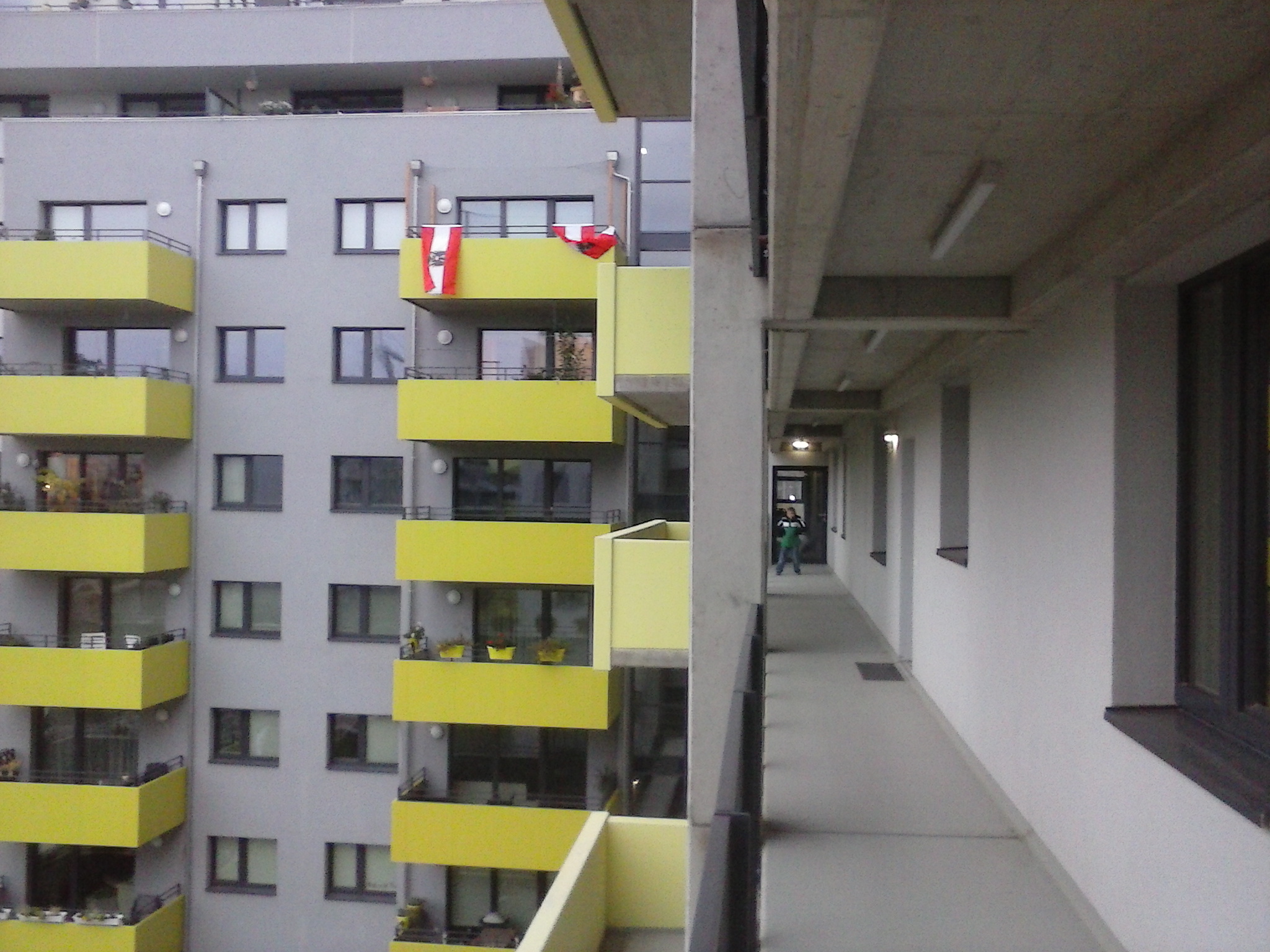

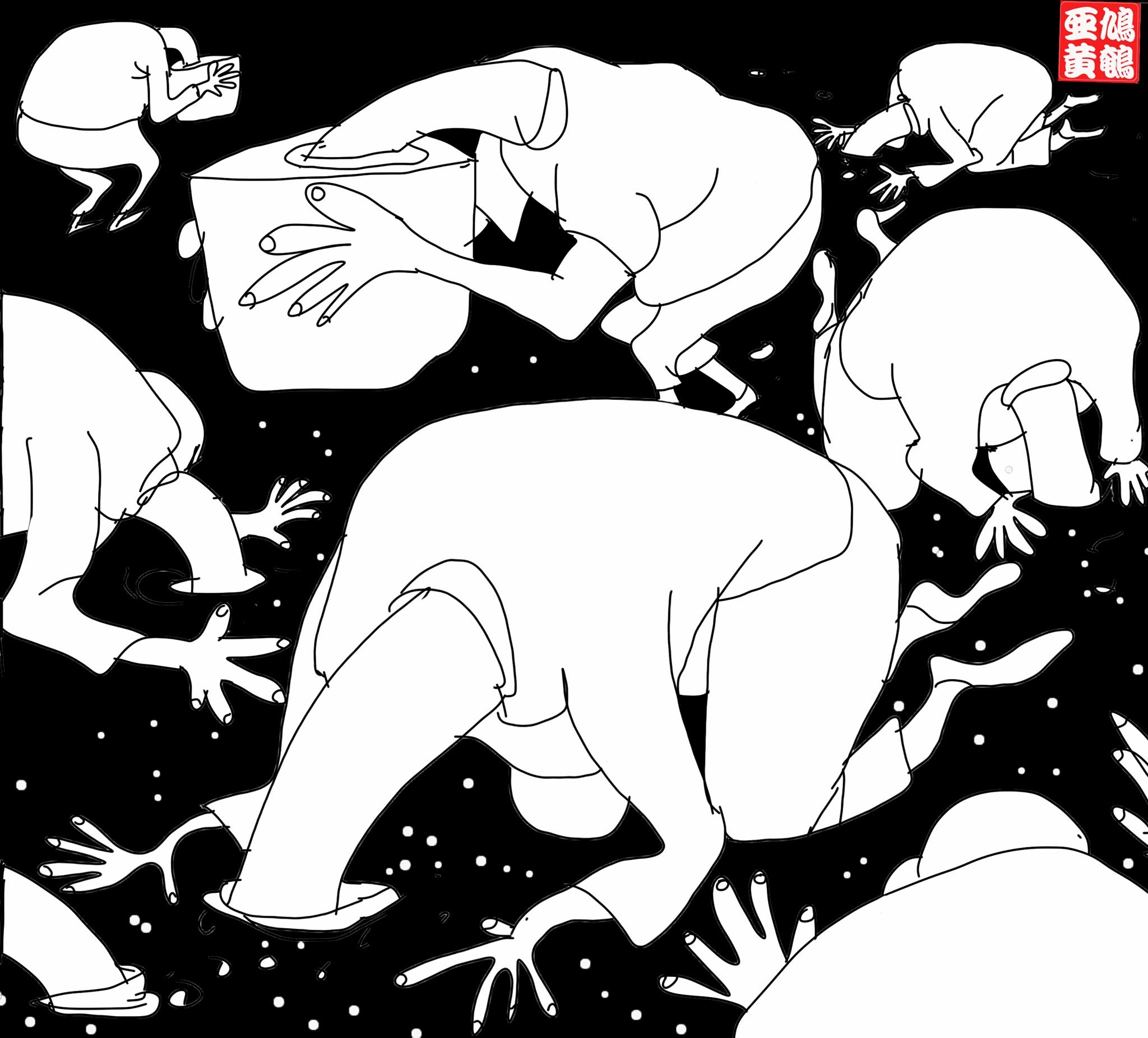

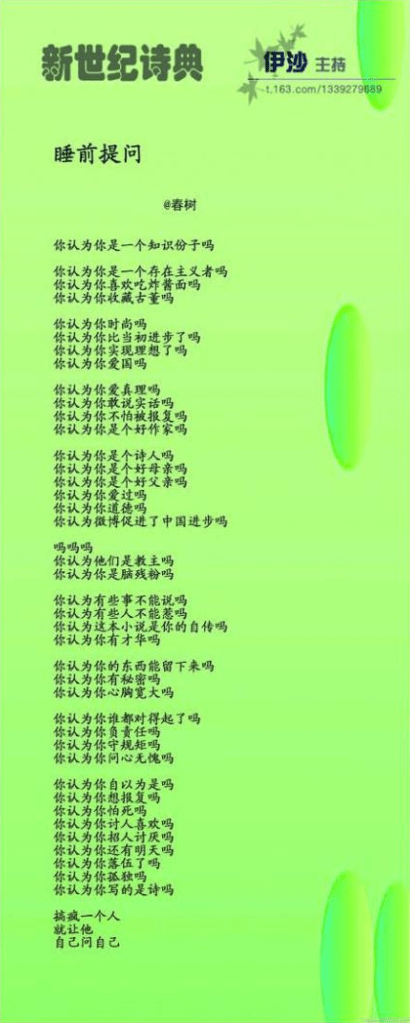
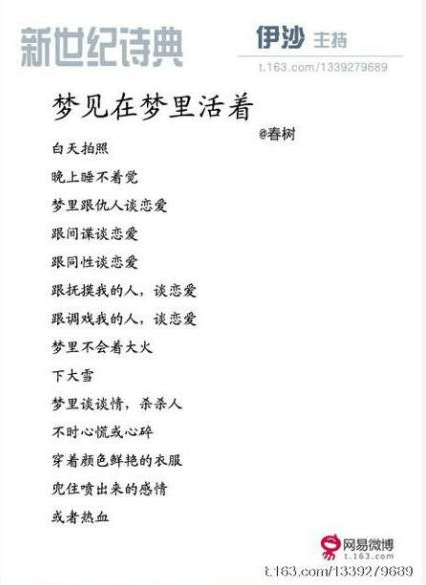
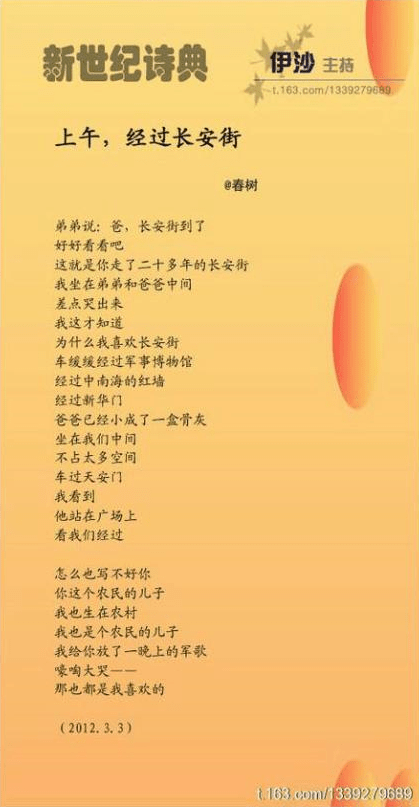
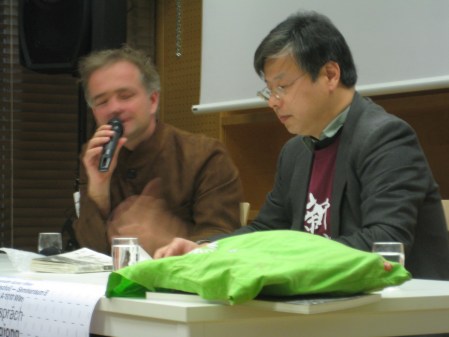
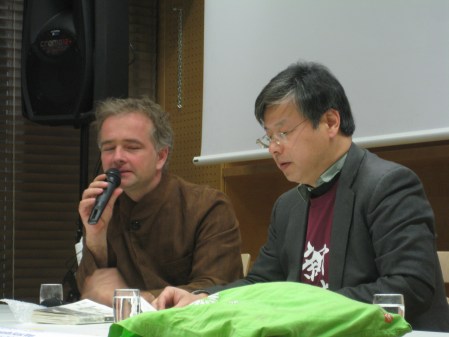
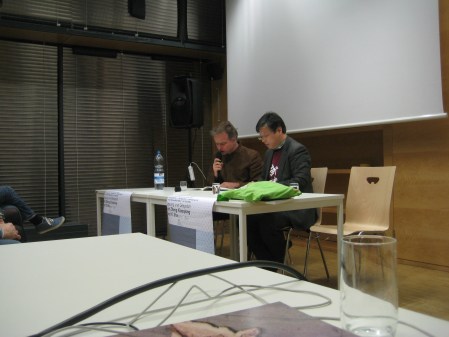
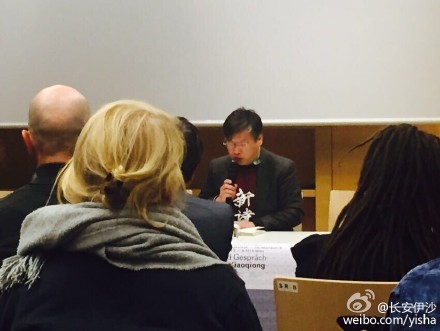
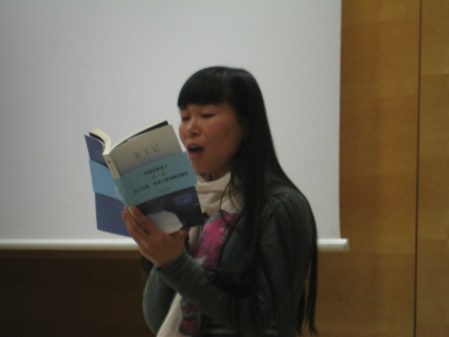
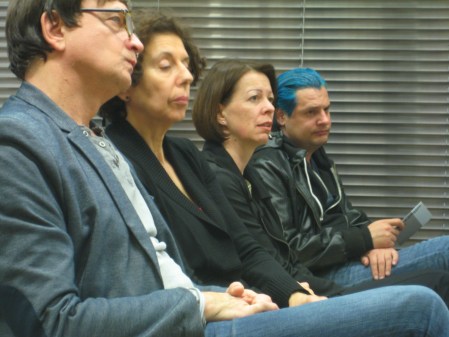
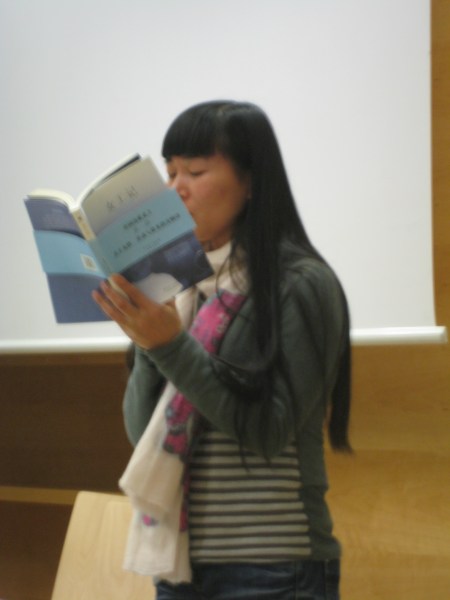
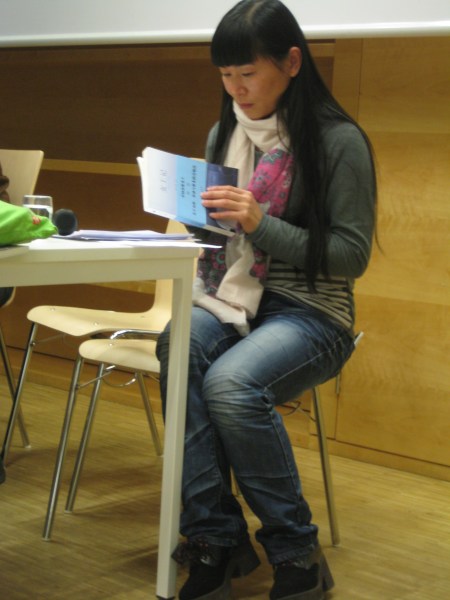
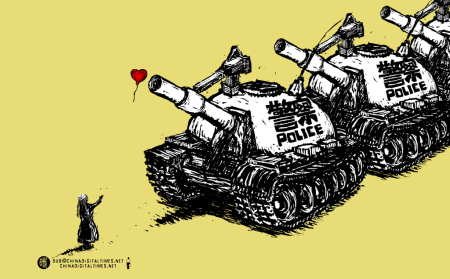

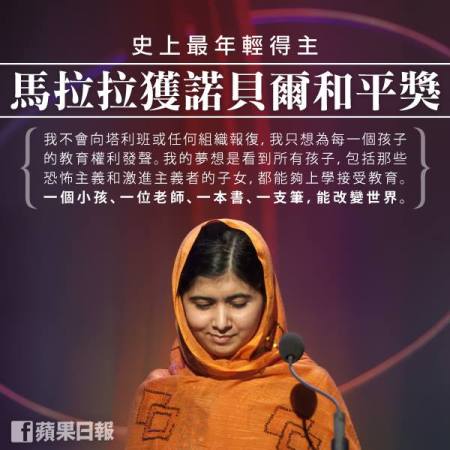






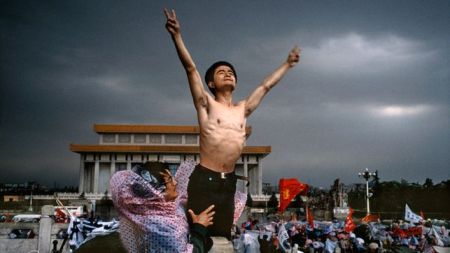


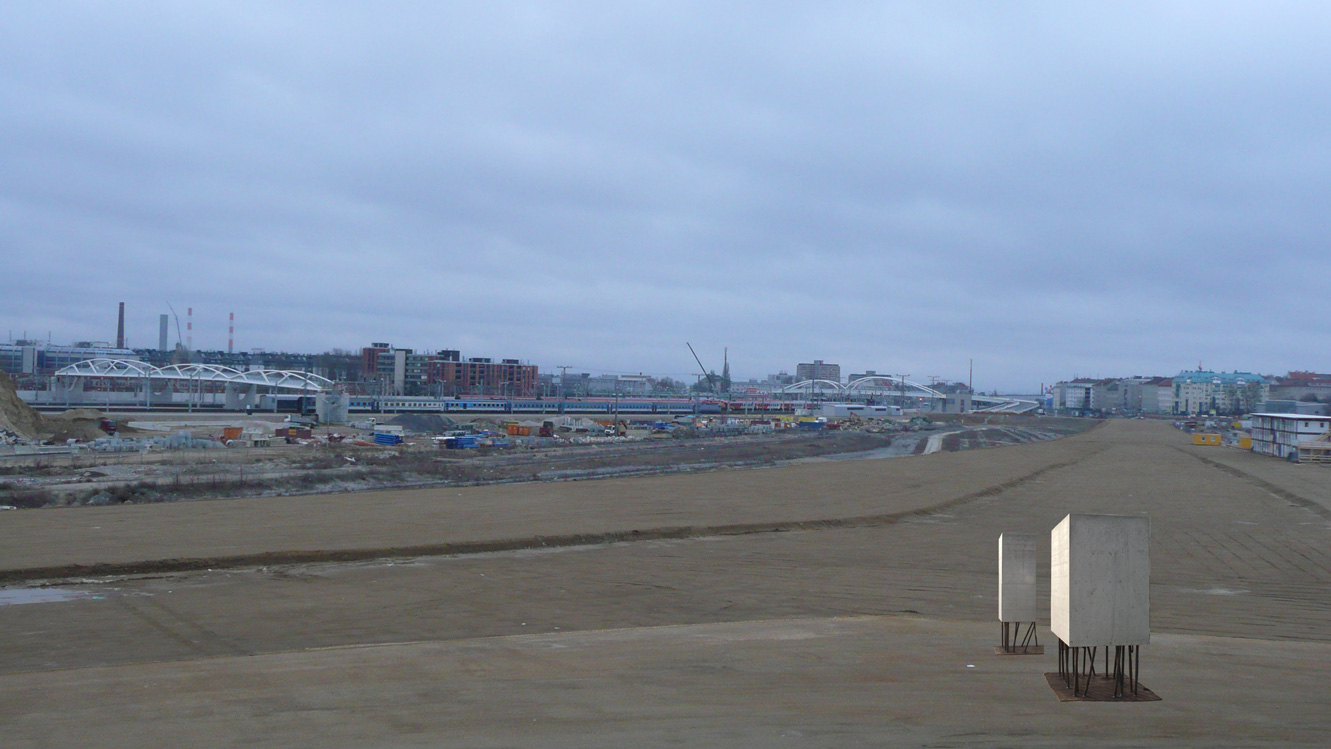





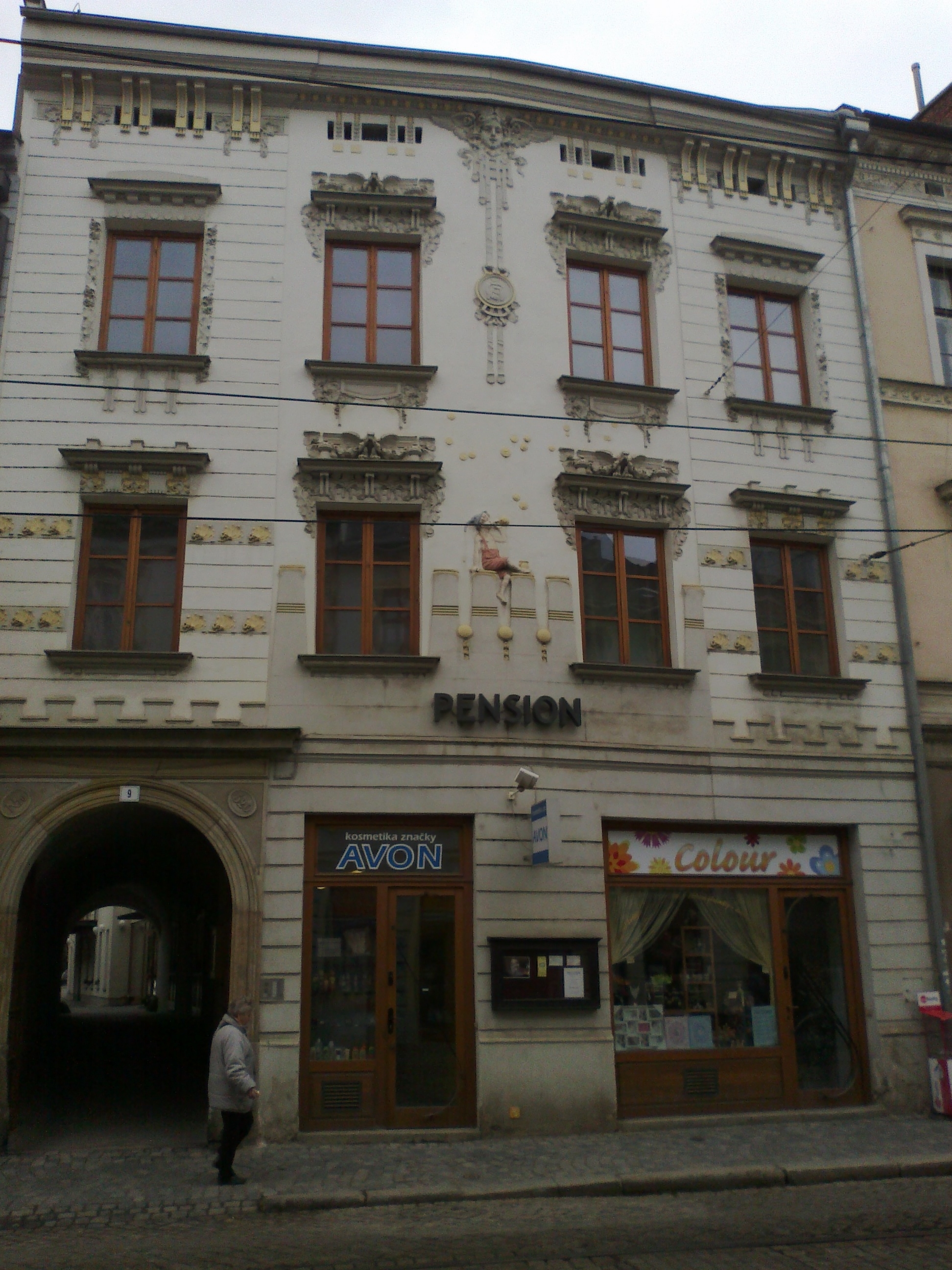

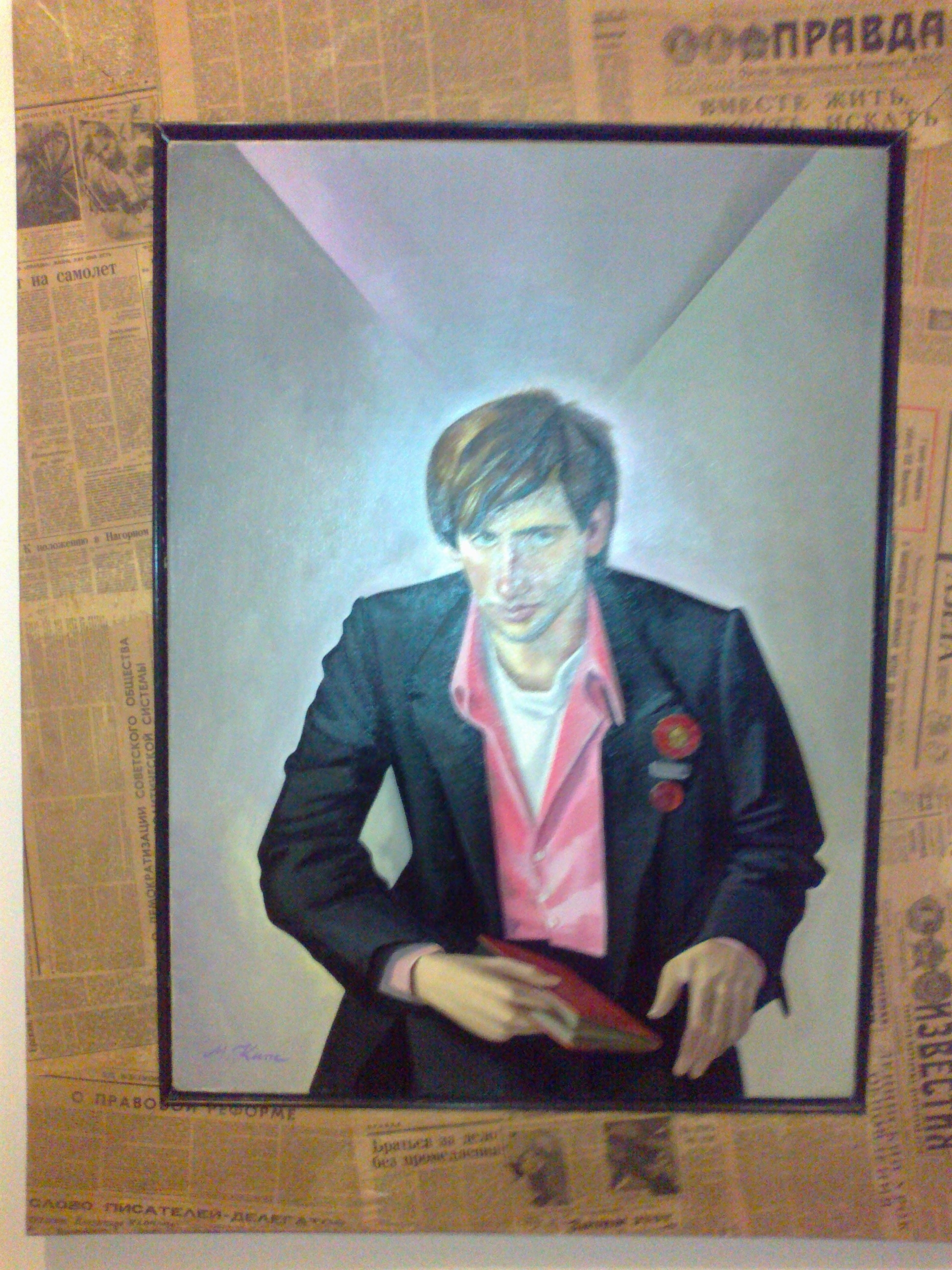
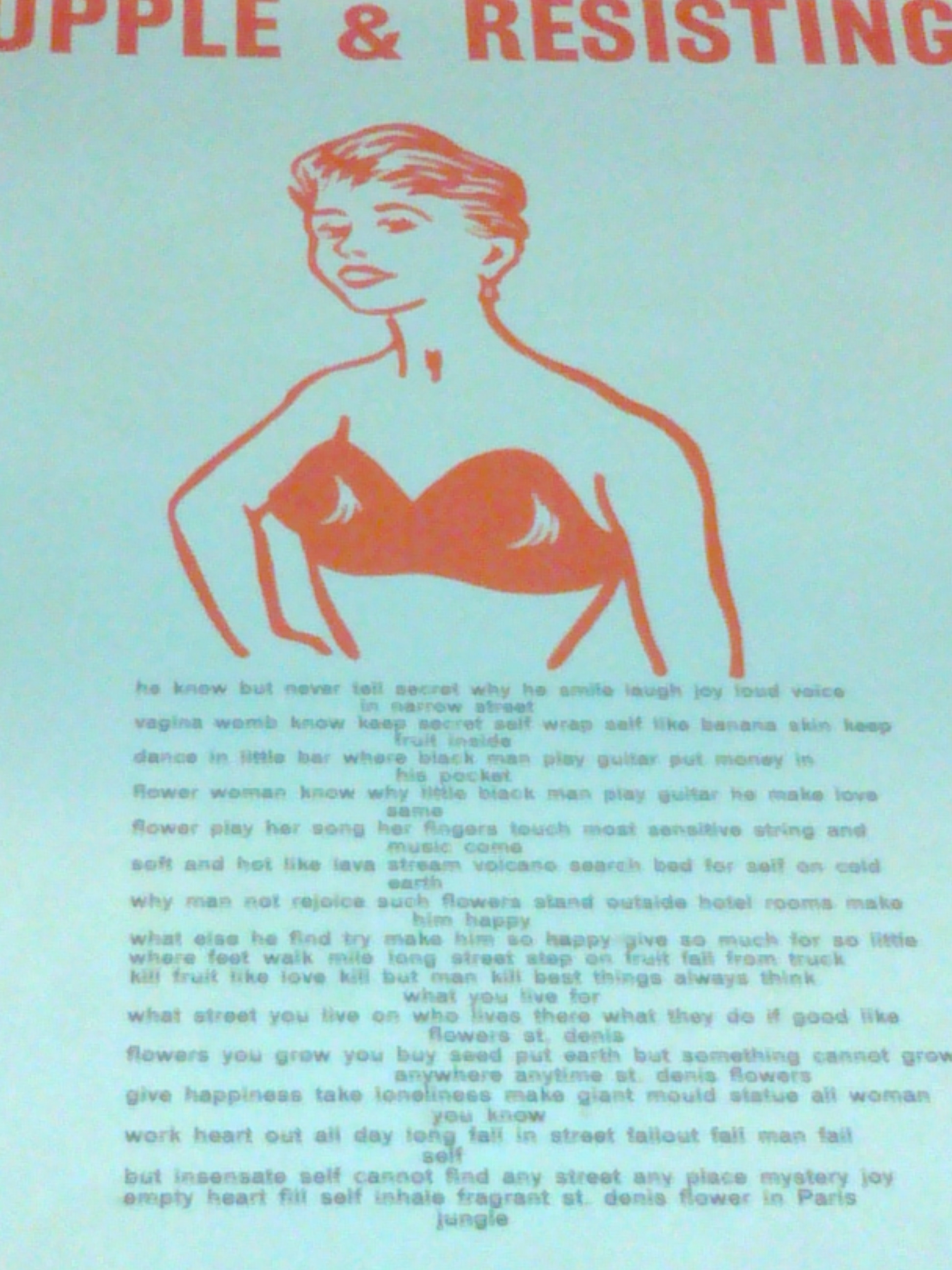

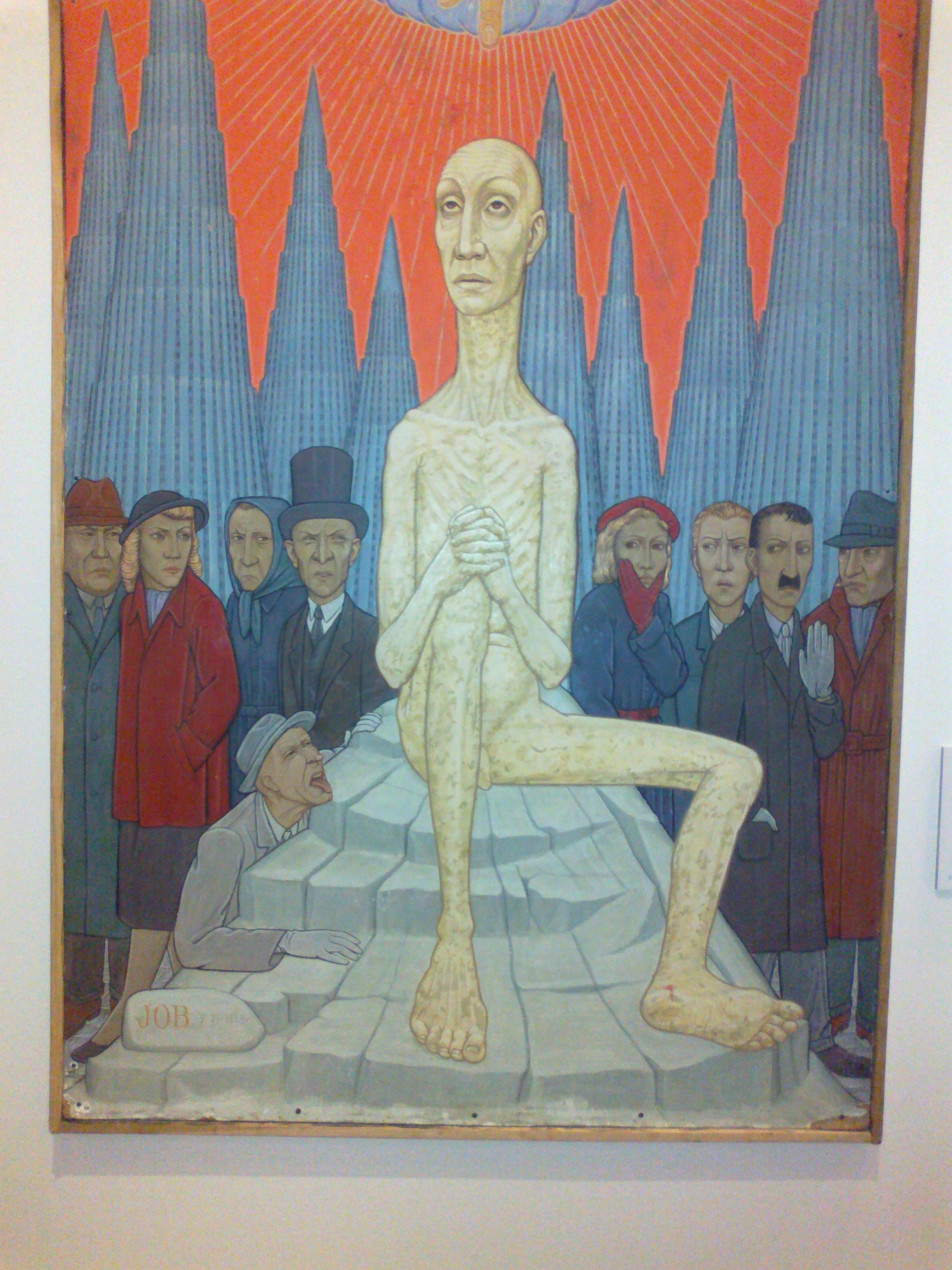




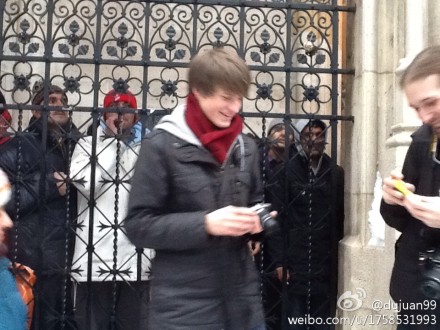

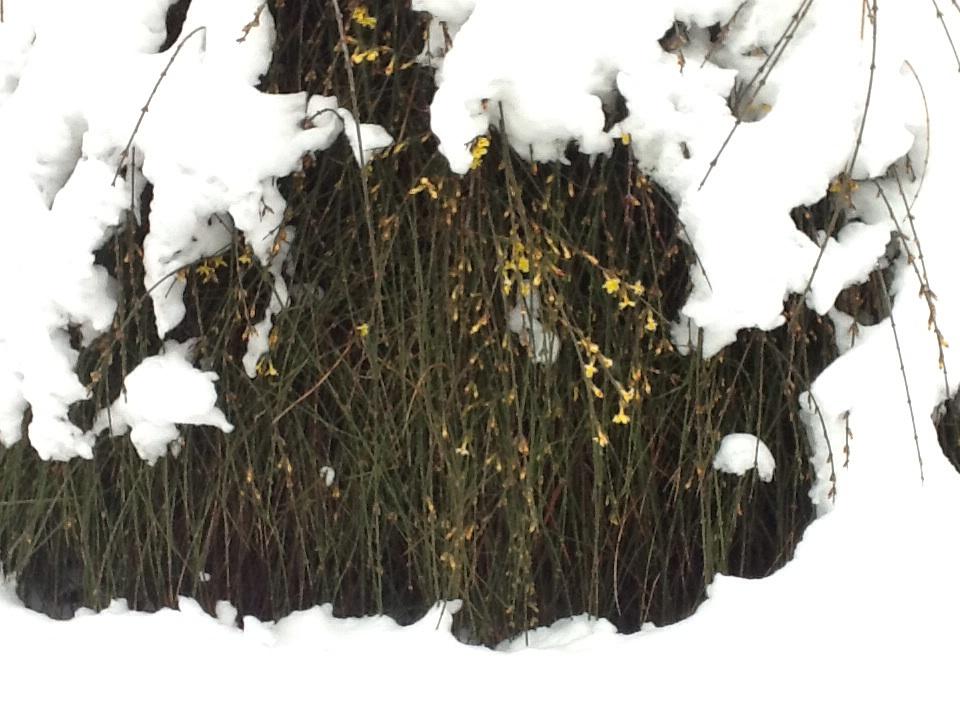
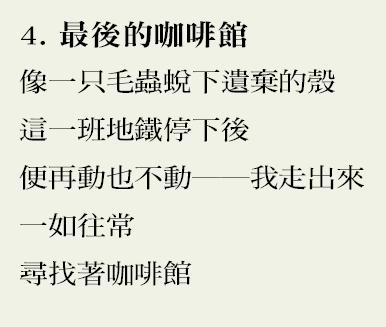




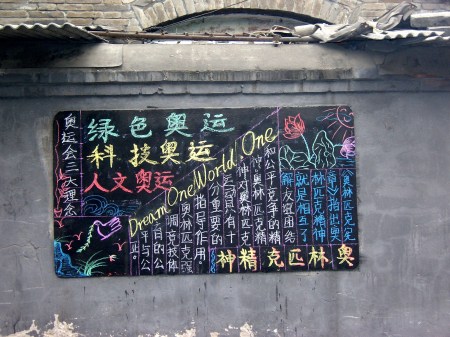
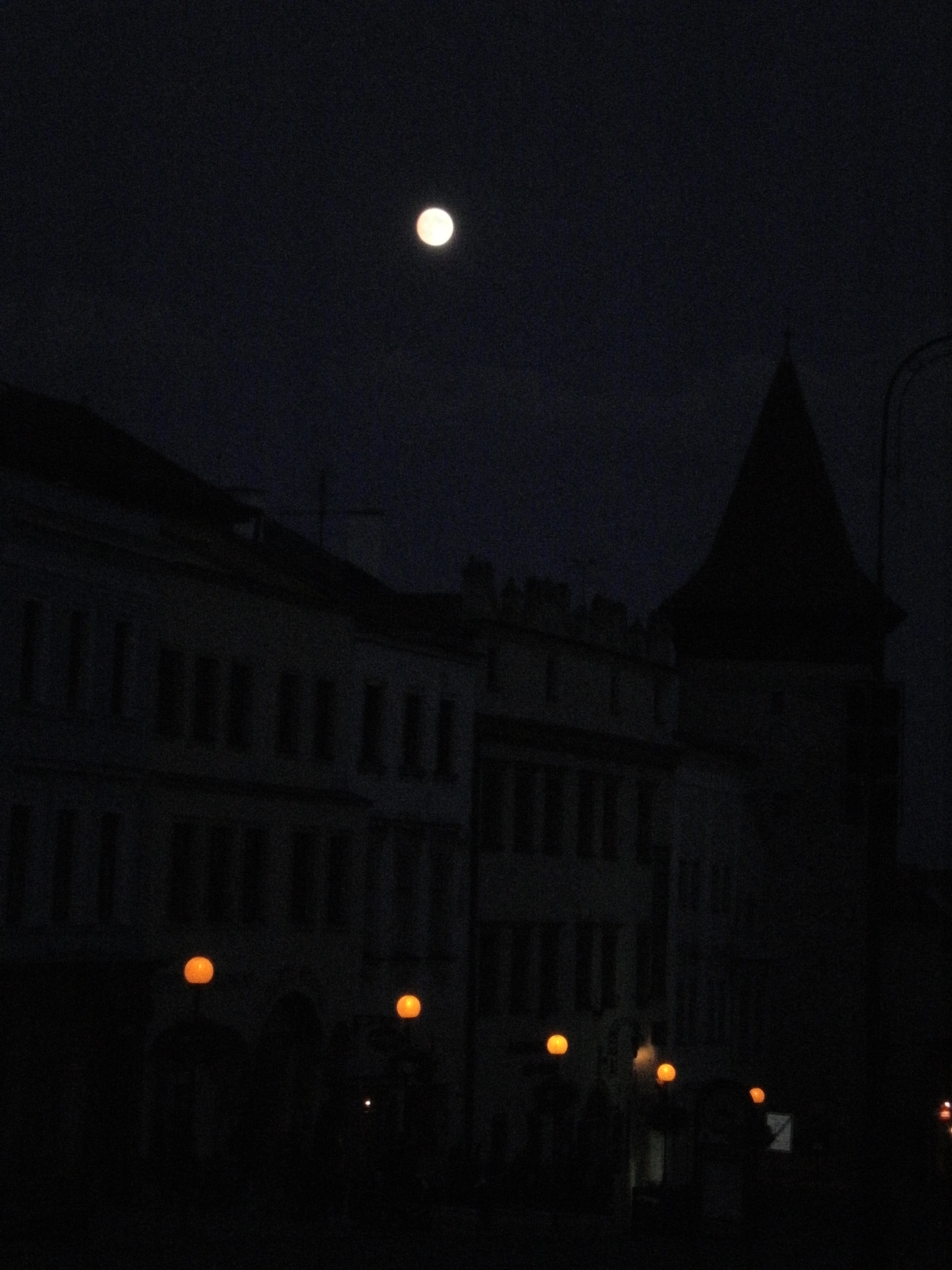

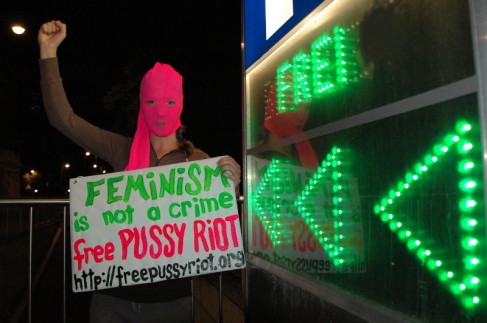

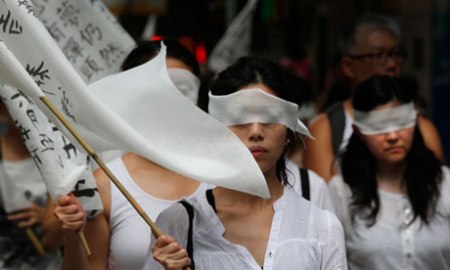

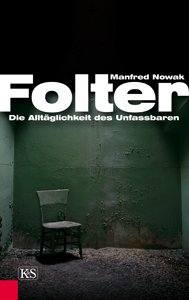
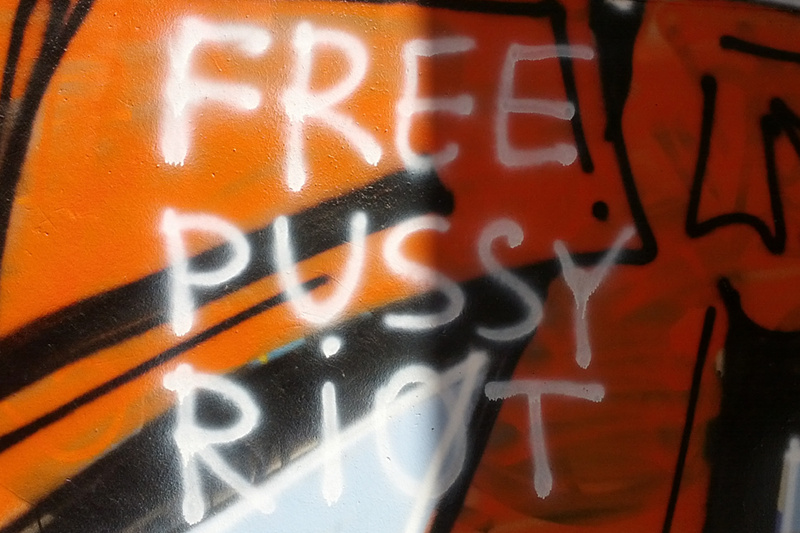


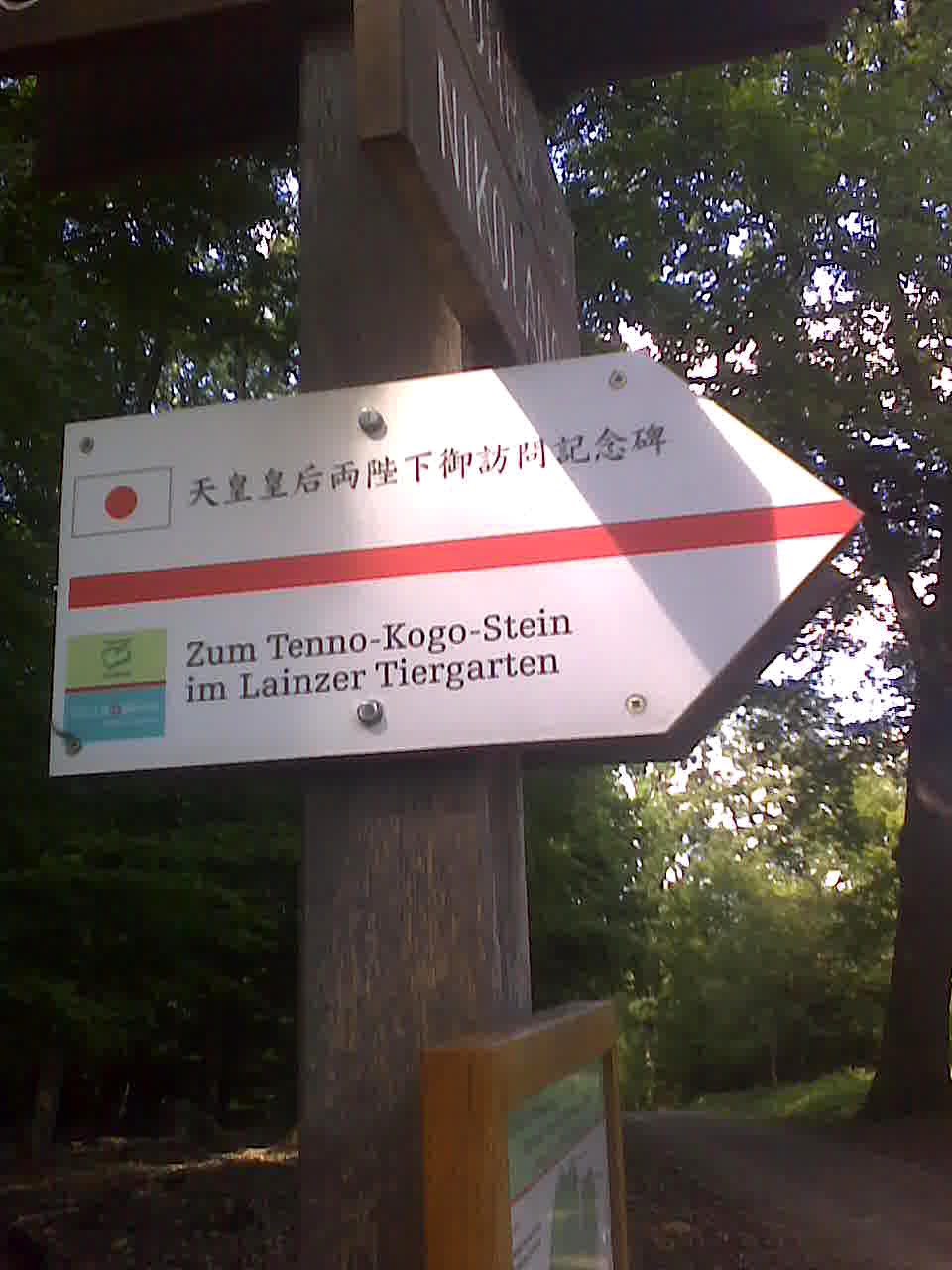




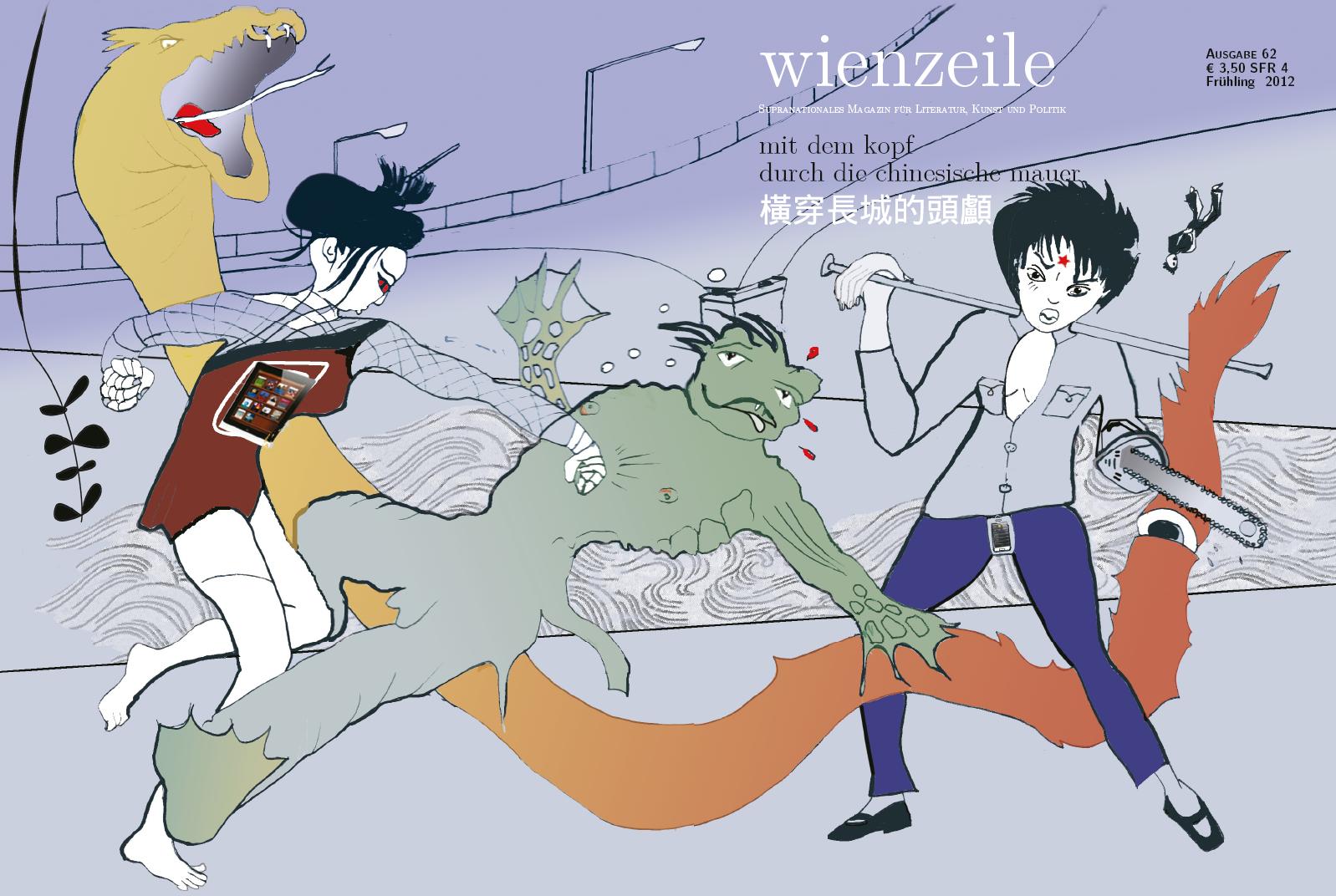


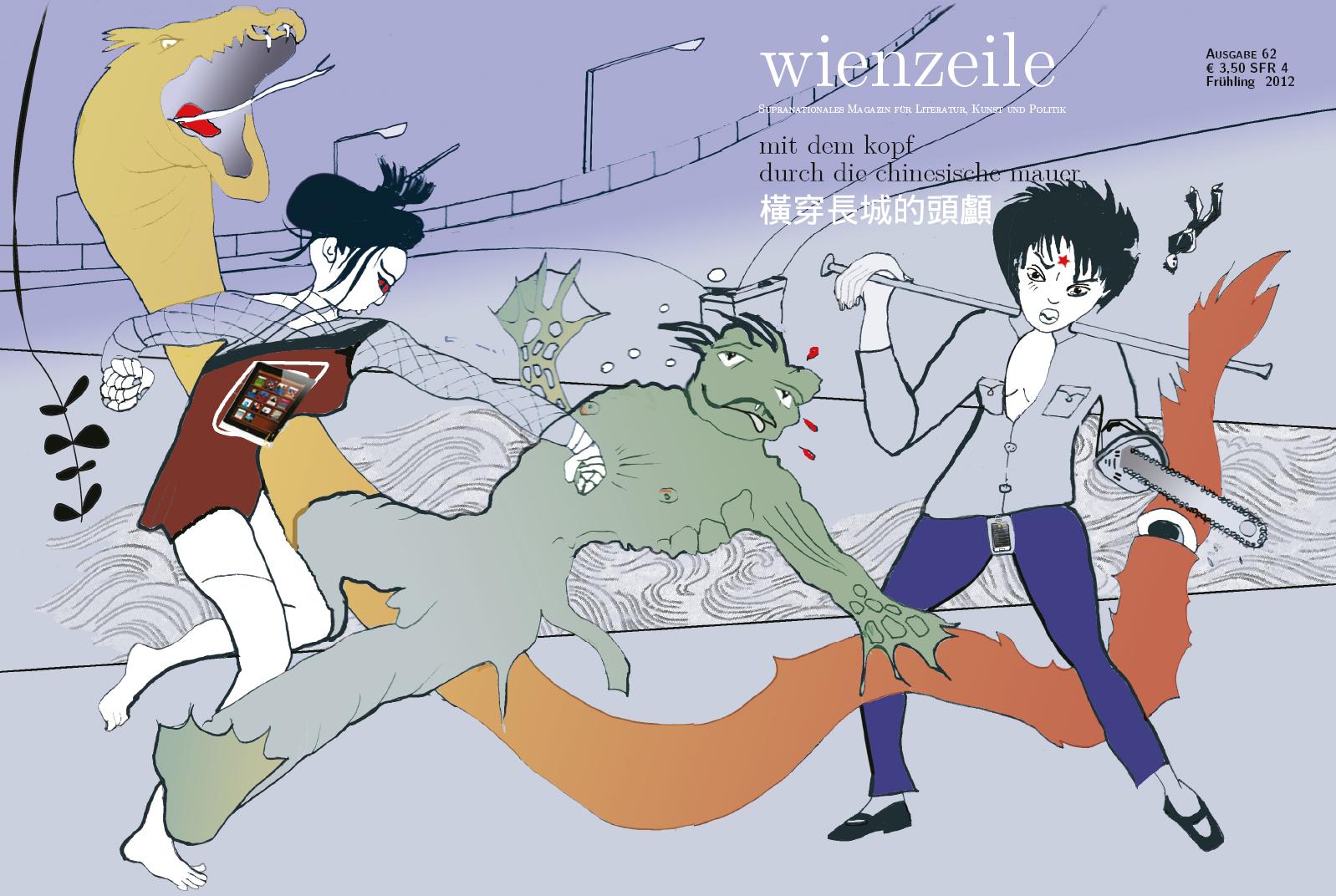
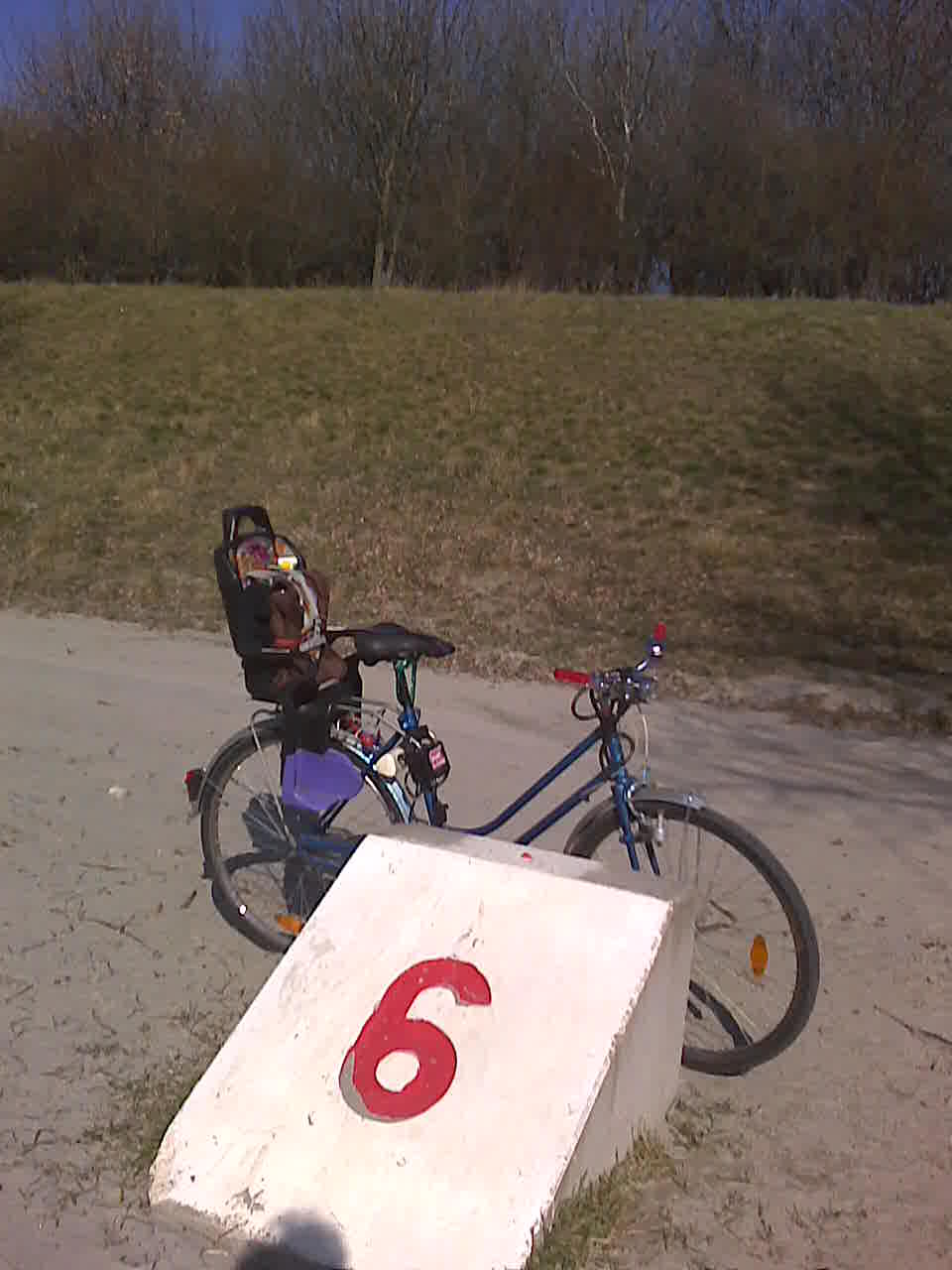
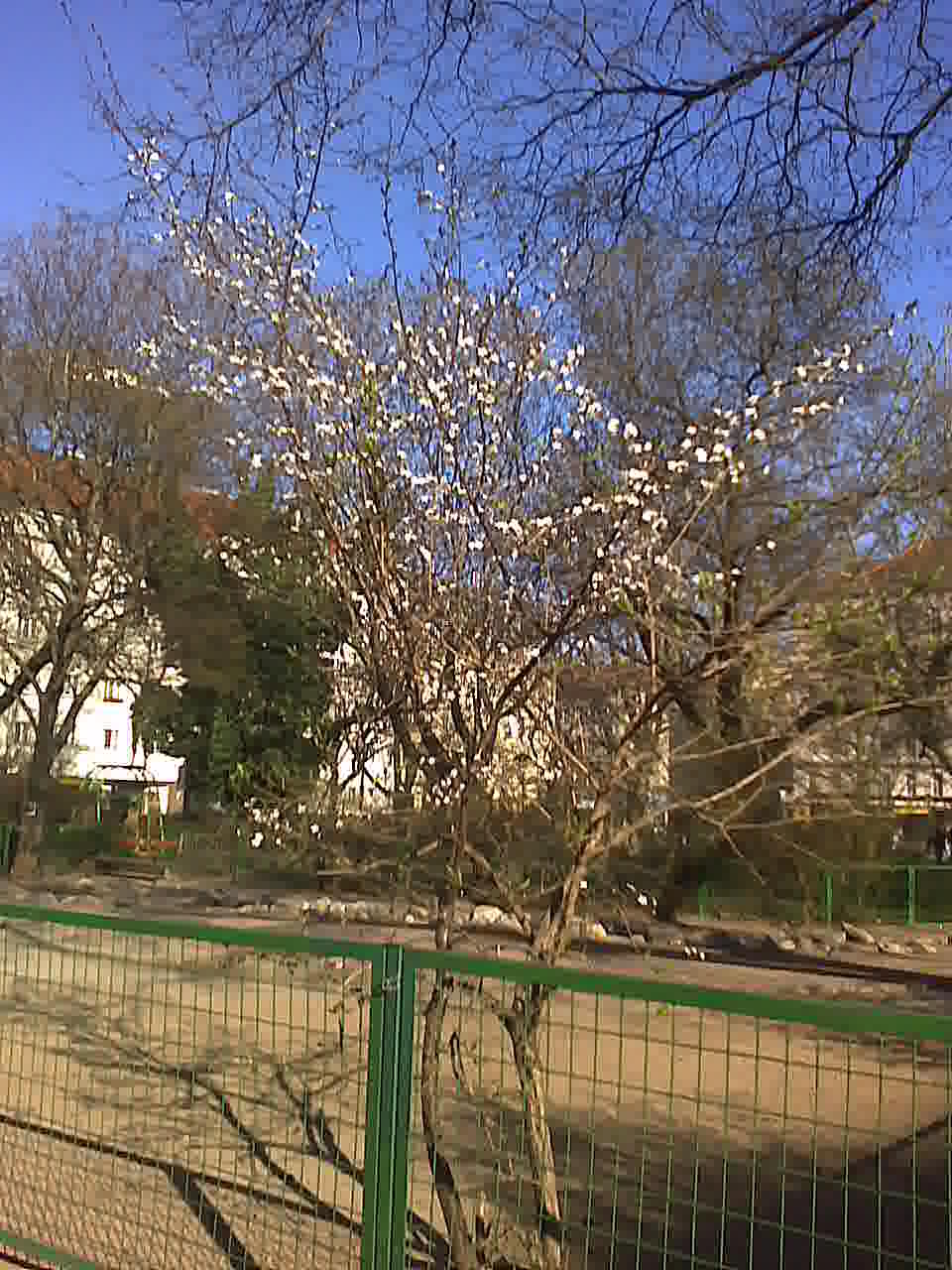






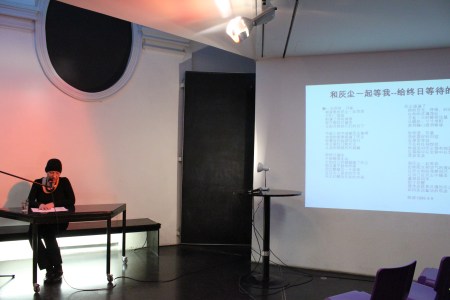
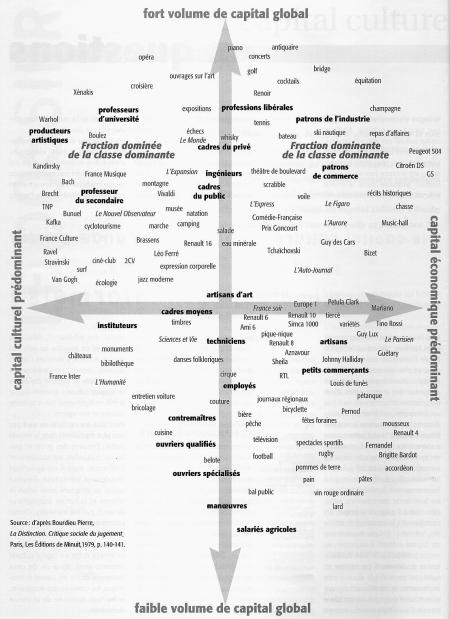

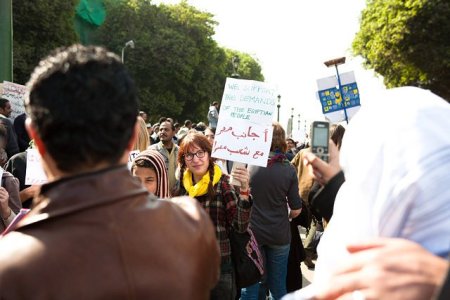

 中国大好き
中国大好き 