ich denke immer noch sehr viel an dich
bevor du gestorben bist
hab ich dich kaum gesehen
ich hab dich nur einmal zweimal besucht
in deinen letzten monaten
ich hab geglaubt wir gehn in den garten
wie die jahre davor sobald es wärmer wird
du wirst vielleicht glauben dass du bei uns bist
dass wir bei dir sind dass deine familie
ich erinnere mich sehr gut an den garten
es gab auch ein zimmer
einen raum der frei war jedenfalls manchmal
dort war etwas wie ein klavier
etwas altes da hab ich geklimpert
wir haben manchmal ein bisschen gesungen
einander erkennen geht nicht sofort
nur dass jemand da ist von der familie
meine mutter war dort, meine mutter mein onkel
mein vater meine tante cousinen cousins
meine schwester meine neffen
zivildienst rotkreuz die beiden mädchen
sozialdienst du warst immer noch
du warst die familie
der garten
die himbeeren brombeeren ribisel
das gras und die wege die bäume die rosen
die anderen leute ich frag mich oft
was aus dem geworden ist
der erwin? den hat man von weitem gehört
am ende ist er sehr schnell gealtert
woher kommen die leute
wer wem etwas sagen darf und was herauskommt
die anderen leute die schwestern die pfleger
manche waren ein segen
die verbindung war da der stadtrand die liesing
der autobus geht alle zwanzig minuten
oder auch nicht. mit dem fahrrad am bach entlang
gehen am bach entlang
es ist auch nicht weit vom lainzer tiergarten
die verbindung war da du warst die verbindung
die stimme wie früher am telefon
deine welt deine wohnung deine erinnerung
einander erkennen geht nicht sofort
unlängst war ich am friedhof
solang du da warst war etwas da
es wird immer da sein solang wir da sind
wir sind in der nähe
wir sind nicht in china
nur leider sehen wir uns nicht sehr oft
österreich liegt im tiefsten frieden
paris war im krieg gestern abend
und taumelt noch
die flüchtlinge sind zu uns gekommen
man merkt es nicht überall
manche engagieren sich sehr
es hat sich etwas großes verändert
mit offenen grenzen
es gibt ein gefühl der hilflosigkeit
es gibt einen namen für dieses gefühl
T-I-N-A, so hat es die thatcher genannt
“There Is No Alternative”
aber es hat sich etwas getan
man kann etwas tun gegen thatcher und orban
und ihre gehilfen
gegen pinochet gegen
die furcht rechts und links
die herrschaft der furcht
ss-trach, furcht und schrecken
aber es hat sich etwas getan
es ist etwas offen
wer weiß wie lange noch
wer will dass die welt so bleibt wie sie war
wie es die innenminister und innen
glauben wollen zu müssen
der will dass nichts offen bleibt
keine chance
keine chancen für uns
für die welt
MW 14. November 2015
There is everything wrong with a flag as a symbol of nationalism. Every time I see a fucking rightist with an Austrian flag I want to do something against them. But this is because I do identify with Austria, even though I feel ashamed of my country almost every day. France has a bloody colonial history. Were and are the massacres after the fall of the Paris Commune and the massacre against Algerians in Paris in 1961 connected with the tri-color flag? I don’t know. It’s good to bring up history. I don’t know much about any flag. Is the Union Jack more of a symbol of empire than the French tricolore, as one commentator suggested? I don’t know. When I see the British flag, I think of Mods and The Who. The flag of China represents a one-party dictatorship, even if it has more than one star on it. But if something that awful happened in Beijing or in Xi’an, maybe I would find nothing wrong with using the current flag of China to show solidarity. Yes, there were massacres in Kenya and in Beirut and people dying from state terror in Xinjiang in China, as far as I’ve heard, and people dying from some sort of terror in Colombia or other places around the world and so on. Yes, Facebook is not all that multicultural in origin, and it’s not always a tool of social change. Big surprise. Anyway, more discussion and more awareness are always good. And more solidarity.
minister kurz
kurz means short
like short-term-memory
nickelsdorf worked rather well
the border with hungary
at least that’s what they say
as long as putin still let them through
or was it erdogan
some politician with christian values
anyway on the styrian border
austria and slovenia
we need a fence
let more people break down
don’t give them warmth and food all at once
we all need a fence
the whole government says
and a folder with values
and glory to god in the highest
and on earth peace, goodwill to men.
MW November 2015
EUROPÄISCHE WERTE
herr minister kurz
heisst eigentlich kurzzeitgedächtnis
nickelsdorf hat funktioniert
relativ jedenfalls
herr schützenkönig klingt überfordert
spielberg geht nicht so gut
man braucht einen zaun
dass noch mehr kollabieren
bevor sie wärme kriegen und essen
das sagt auf einmal die ganze regierung
und einen wertvollen folder dazu
und friede auf erden den menschen
die guten willens sind
am wahltag schauen sie ein bisschen traurig
die kandidatinnen
es sind junge frauen mit gutem gebiss
sie haben sich alle sehr viel bemüht
die partei ist ok
es sind die grünen
der zettel der roten war ziemlich gut
für diesen bezirk und für diese gegend
das schlimme an dieser wahl sind die blauen
sie haben meine tochter verstört
wir wohnen neben dem hauptbahnhof
dort sind viele flüchtlinge
meine tochter hat oft mit den kindern gespielt
ich bin froh dass sie da sind
obama hat ihn nicht bombardiert
den assad vor zwei jahren
und mit putin verhandelt
was wäre wenn
tunesien hat den friedensnobelpreis
besser als für obama und für die eu
und die chemiewaffen sind auch noch da
was wäre wenn
jedenfalls sind die flüchtlinge am hauptbahnhof
österreich ist besser als ungarn
die ganze eu ist durchgebeutelt
vom kapitalismus
oder wie man das nennen mag
thatcher und reagan wurden gewählt
was haben die nicht alles zerstört
the world is still reeling
am wahltag schauen wir ein bisschen traurig
MW 11. Oktober 2015
ELECTION DAY
they look rather sad on election day
candidates on their posters
their teeth are ok they are young women
they have tried their best
it’s a nice party
the greens are the nicest party in town
the reds in this district and on the new streets
they had a leaflet talking to us
the blue meanies are evil
they are not even funny
we live in new houses next to the station
our daughter likes playing with refugee kids
she was disturbed by the blue meanies
all over europe people are helping
some are disturbing
everything’s on the move
at least more than before
we are trying our best
at least some of us
I am the one who can vote in our family
I met some new people
we had a good time at the polling station
getting acquainted
at least some of us
have looked rather sad on election day
the moon is a white bean
at the tv tower
maybe it’s only
a cell phone tower
it’s for the army
and for the refugees
e.t. phone home
MW Oct. 1st, 2015
E.T. IM ARSENAL
der mond ist eine weisse bohne
neben dem fernsehturm
vielleicht ist es nur
ein handyturm
und etwas fürs bundesheer
und für die flüchtlinge
e.t. nach hause telefonieren
how many idiots in carinthia?
how many in styria?
how many fools in burgenland?
30% idiots in upper austria
a party for cheating old women
a party creating bad banks
a party more cheeky than any other
in taking their shares
the neo-nazis’ party of choice
30 percent in upper austria
how many idiots in old vienna?
wieviele idioten hat kärnten?
die steiermark?
das burgenland?
oberösterreich hat 30 % idioten
eine erbschleicherpartei
eine bankenbetrügerpartei
eine provisionenpartei
eine partei der neonazis
oberösterreich hat 30 % idioten
wieviele idioten hat wien?
wieviele idioten hat kärnten?
die steiermark?
das burgenland?
oberösterreich hat 30 % idioten
eine erbschleicherpartei
eine bankenbetrügerpartei
eine provisionenpartei
eine partei der neonazis
oberösterreich hat 30 % idioten
wieviele idioten hat wien?
wieviele idioten hat kärnten?
die steiermark?
das burgenland?
oberösterreich hat 30 %
eine erbschleicherpartei
eine bankenbetrügerpartei
eine provisionenpartei
eine partei der neonazis
oberösterreich hat 30 % idioten
wieviele idioten hat wien?
die pischen uns überall hin!
die pischen am hauptbahnhof überall auf die wände.
ich habs doch gesehen!
freiräume.
das muss man reinschreiben in den vertrag.
noch etwas?
in der wohnhausanlage von uns gegenüber
gibt es ein notquartier.
hat irgend jemand etwas bemerkt?
ich hab was bemerkt.
wir haben schon was bemerkt.
wie haben sie’s bemerkt?
naja, wir haben’s bemerkt.
wie haben sie’s bemerkt?
wir gehen am abend raus mit dem hund.
da haben wir manchmal etwas bemerkt.
was haben sie da bemerkt?
da stehen manchmal mehr flüchtlinge ‘rum.
ich bin dagegen.
das ist doch alles organisiert.
die kriegen 15.000 euro damit sie flüchten.
das machen die ölscheichs.
dann gehen die nicht nach saudiarabien.
hahaha! hahaha!
naja sie lachen!
sie werden schon sehen!
ich weiß wovon ich rede.
die gehen nicht weg.
die regierung soll sich darum kümmern.
wir geben jeder fünf euro
und mieten einen container.
dort haben sie alles duschen und klos.
das kostet 500 euro im monat.
aber nicht hier bei uns.
irgendwo dort am hauptbahnhof.
ich bin dagegen.
aber vielleicht sind einige hier dafür.
dann kann ich nichts machen.
ich möchte wissen von wem geht das aus?
wir haben hier viel geld investiert.
es ist eine genossenschaft.
jeder von uns zahlt einen genossenschaftsanteil.
wir sind keine mieter.
aber wir leben hier in geförderten wohnungen.
alle steuerzahler auch die nicht so schöne wohnungen haben,
die haben alle gezahlt dass diese häuser gebaut werden.
die gehen doch alle nie wieder weg!
das sind notquartiere. nur für den winter. bis april oder so.
das steht alles drin in dem vertrag mit der ngo.
und wie wissen sie was dann passiert?
ich habe erfahrung.
ich komme aus serbien.
ich war in traiskirchen.
meine eltern sind flüchtlinge.
wenn es schon sein muss dann nur familien.
die brauchen das doch am allermeisten.
sonst trau ich mich nicht zu denen hin.
wenn das lauter junge männer sind.
wieviele sind es? da gibt es doch nur ein klo und ein waschbecken.
nein, es gibt zwei.
das wird doch alles organisiert.
wenn sie zum hauptbahnhof gehen
und genau hinsehen
dann löst das etwas aus
dann denkt man anders.
die pischen uns doch überall hin!
ich heiße schreck
ich bin ein idiot
ich grinse
ich hab keine antwort
hast du auch keine antwort?
warum denn?
wer sind wir?
wohin gehen wir?
ins ams
aber warum denn?
wer sind wir?
wir sind österreicher
wir können wählen
aber warum denn?
und ganz große söhne
aber warum denn?
ich heiße schreck
aber warum denn?
hast du auch keine antwort?
ich bin ein idiot
und woher kommen wir?
aus dem ams
aber warum denn?
ich grinse
aber warum denn?
wir haben zuviele flüchtlinge
hast du auch keine antwort?
ich heiße schreck
ich war in einer funktion hier
als demonstrant
und als konzertgeher
am tag der befreiung
dürfen die rechten
nicht mehr marschieren
am abend spielen symphoniker
noch nicht so lang
unfertig, verloren
vom heldenplatz sieht man den flakturm.
so endet simon winders danubia
das beste buch über europa
und über österreich
sie wollten ihn kleiden
ein flakturm in italienischem marmor
weiß nicht ob das stimmt. aus dem inneren tor
bevor du hinauskommst, siehst du den turm
wenn du aufblickst, vielleicht auf dem fahrrad. jedenfalls auf der straße.
nicht wenn du auf dem platz bist. war winder auf dem balkon?
er hat leider recht. am turm erkennt man uns.
ebenso hässlich wie mao in peking
hoch auf dem turm hoch über dem platz.
nur viel viel schlimmer.
hässlich ist alles was toleriert wird
oder nur übersehen
obwohl es terror repräsentiert.
der platz ist ok. kinder spielen.
der platz ist verloren. wie tiananmen.
ball der verbindungen. rechte studenten.
gebt ihnen allen ganz schnelle wagen. einsame landstraßen.
die polizei darf alles absperren. die ganze innenstadt.
jedenfalls wo protestiert werden könnte.
einkesseln. jagen. mitnehmen. anklagen.
landfriedensbruch. auch wenn li peng kommt.
kroch hitler aus den ruinen von habsburg?
welche ruinen? besuchszeiten sind
alles ist wunderbar renoviert
das völkerkundemuseum
heißt jetzt irgendwie anders. etwas von welt.
der glanze heldenplatz zirka.
ein schöner workshop am lcb
das schöne ist des schrecklichen anfang
wann heißt zehntausend der zehntausendsee
klingt wie bergen-belsen
das lcb liegt wunderschön
ein märchenschloss
gruppe 47
pack die badehose
so viele seen in österreich
berlin ist ein grünes idyllisches dorf
ingeborg bachmann hat hier gewohnt
an diesem see in dieser villa
die nachkriegsgruppe hat hier getagt
worauf kommt es an auf die geschichte
auf die gestade die bäume das blau
die wannsee-konferenz
zehntausend kann man als hakenkreuz schreiben
weiß nicht warum es zehntausend heißt
hier war mein vater mit mir im segelboot
sagt tong yali als kleines kind
war sie schon in deutschland
deutschland das de-land das dao-de-dsching
der weg und die tugend
wie viele seen in österreich
irgendwo in den alpen
gruppe 47
aichinger, bachmann, celan
das schöne ist des schrecklichen anfang
am muttertag
wird
beim eintritt
in die
russische raumfähre
der befreiung
die außer
vor 70 jahren
kontrolle
atmosphäre
von mauthausen
gedacht
geratene
ist verglüht
OUR WOMEN
– for the women detained in China around March 8
they cannot speak for our women
nobody can speak for our women
anyone who is not from our women
is against our women
they’re not legitimate
how could anyone speak
for our women?
only our women
speak for our women
MW April 2015
AUSTRIA 1%
about austria
about major major
a bout a bout
of mozartkugel
about 1 percent of the earth
we are a gated community
in a gated community
in a gated community
have you watched our new year’s concert?
have you seen our spanish horses?
have you read our serbian writers?
milo dor was a good one
99 percent of us are not rich
relatively speaking
vienna, austria
two o’clock in the morning
yi sha from chang’an
my chinese dream
let’s go for a walk
get lost in the woods
two protected species
two or three
chinese european rare deer
and from chicago
Am liebsten würde ich ein ganzes Heft gestalten. Das Cover. Malala gewinnt den Friedensnobelpreis. Apple Daily in Hongkong. Malalas Kopf, rundherum alles Chinesisch.
“Ich möchte weder Rache an den Taliban, noch an irgendeiner anderen Organisation. Ich möchte meine Stimme nur dafür erheben, dass jedes Kind ein Recht auf Unterricht hat. Mein Traum ist, dass alle Kinder, auch die Söhne und Töchter der Terroristen und Radikalen, in die Schule gehen können und Bildung bekommen. Ein Kind, ein Lehrer, ein Buch, ein Stift – kann die Welt verändern.” Hat sie das wirklich gesagt? Ich habe mir ihre Rede angeschaut, auf Youtube. Englisch, Urdu, Pashto. Auf der Bühne mit ihrer Familie. Ihr Bruder, ihre Eltern. Der Bruder wird neidisch sein. Sie bemüht sich sehr um Harmonie, ist wirklich froh, dass auch jemand aus Indien gewonnen hat, der für Kinderrechte einsteht.
Dieses Cover. Nur das Bild. Foto: Apple Daily. Das ist auch schon ein Hinweis auf die Proteste in Hongkong von August bis Dezember 2014. In den USA gab es auch Proteste, für Bürgerrechte, in der Nachfolge von Martin Luther King. Und in Österreich meldet wenigstens das Gratisblatt “Österreich” wieder einmal, dass Strache als Neo-Nazi im Gefängnis war. Strache heißt Furcht und Schrecken. Graz heißt Stadt. Eine wichtige Stadt für die Literatur. Eine gar nicht so heimliche Hauptstadt, zu manchen Zeiten. Für den Schrecken. Für die Literatur, etwas später. Yi Sha 伊沙, der am 17. März in Graz seine Texte vorstellt, die in manchem an Ernst Jandl erinnern, kommt aus Xi’an 西安. Hauptstadt schon vor über 2000 Jahren. Terrakottakrieger. Tang-Gedichte. Von daher kommt Gustav Mahlers Lied von der Erde.
Eine wilde Mischung. Sich der Gewalt stellen. Respekt geben, zeigen, und damit auch fordern. Haben sie das gemeinsam? Yang Lian 楊煉, ein großer Dichter, aktiv und engagiert seit den 1970er Jahren. Liu Zhenyun 刘震云, bis vor zwei Jahren vielleicht bekannter als Mo Yan, auf jeden Fall unterhaltsamer. Richard Claydermann und die Trommeln in den Bergen. Klingt vielleicht eskapistisch. Aber Liu Zhenyun geht es um Aufarbeitung, und um Respekt für die kleinen Leute. Er kommt aus einem armen Dorf und ging zur Armee, um schreiben zu können – wie auch Mo Yan 莫言 und manche andere.
Respekt zeigen, und damit einfordern. Zheng Xiaoqiong 郑小琼 tritt auch am 17. März in Graz auf. Ihre Texte kommen aus den Fabriken in Dongguan. Das ist im Perlflussdelta, nicht weit von Kanton 広州, Hongkong 香港 und Shenzhen 深圳. Xu Lizhi 许立志 sprang in Shenzhen in seinen Tod. Bei Foxconn 富士康, wo sich schon viele Arbeiter und Arbeiterinnen umgebracht haben. Foxconn fertigt Computer und Telefone für Apple. Xu Lizhi war ein sehr begabter Dichter. Bei Zheng Xiaoqiong kommen viele Kolleginnen vor, die nicht mehr am Leben sind. Oft wegen Unfällen. Viele sind auch verschwunden.
Respekt zeigen, und Hoffnung geben. Wie Malala. Viele Frauen sind in diesem Dossier, verglichen mit anderen Kunstsammlungen, nicht nur chinesischen. Fünf Frauen, von elf Autorinnen. Zwei mit Prosatexten. Zheng Xiaoqiong hat sehr gute Reportagen geschrieben, leider habe ich bis zum Redaktionsschluss noch keine fertig übersetzt. Aber von Zheng Xiaoqiong kommt bald ein Buch in Österreich heraus, mit Reportagen und Gedichten. Bei FabrikTransit. Und in Wien gibt es am 20 März am Ostasieninstitut der Universität Wien einen Workshop mit Zheng Xiaoqiong, auf der Grundlage von einer Reportage und anderen Texten. Und eine Lesung gibt es, veranstaltet vom Institut für Sprachkunst der Universität für Angewandte Kunst.
Hao Jingfangs 郝景芳 Science-Fiction-Geschichte ist der längste Text in diesem Dossier. Widerstand. Wie ist Widerstand möglich, wenn aller Widerstand gegen den Staat längst gebrochen wurde?
Kaufen Sie das Heft, lesen Sie, wie es geht. Oder lesen Sie von Ma Lans 马兰 ”Doppeluterus“, und unerklärlichen Spuren im Schnee. Von Liu Xias 刘霞 Charlotte Salomon. Soll noch einer sagen, chinesische Literatur sei nur über China. Alle Beiträge reden über Respekt, und über Rechte. Sehr allgemein.
This is a very good article. One of the few very inspiring responses to these horrible attacks in Paris. I was involved in another response – I translated a text by Liao Yiwu 廖亦武, a Chinese writer in exile in Germany. I put it in a blog post here some two weeks ago, along with words by “Charb” from Charlie Hebdo and others. Liao Yiwu’s text first appeared in German in the Neue Zürcher Zeitung. It is also available in English, on the website of the German Book Trade Organization. This response should equally be read by as many people as possible! Thank you very much, Soh Wee Ling! I went demonstrating in Vienna on January 11, and again on Friday, January 30, when the xenophobe Neo-Nazis had their ball in the historic halls of the Hofburg in Vienna, overlooking the Heldenplatz where Hitler spoke to eradicate Austria in 1938, cheered by thousands. We were around 5000-6000 at least all over the centre of Vienna, although the police had cordoned off a large area and many people had been arrested and criminalized last year. No windows broken this time, and hardly anyone injured. Some people always get angry, and there are Neo-Nazi sympathizers in the police and in parliament. And they have been tolerated and cosseted, and they were in government 2000-2006. Recently an editor of the newspaper Der Standard, which has been very much against the fascists, has actually suggested that the Social Democrats should consider working with the F-Party. In Germany, their slogans would not be allowed, and some of their leaders would be in prison. On the other hand, we have a cherished tradition of fierce satire in Austria. I read an article by the Jewish French-German writer Gina Lustiger, published in Die Welt. She also said, just like you Soh Wee Ling, that the Charlie Hebdo cartoons were aimed at the average French citizens, including the cartoonists themselves. She said she missed them very much, missed their incisive humour. And she emphasized that unless the French Jewish victims were equally respected, even if their relatives had them buried abroad, people had not understood what this was about. Unless you can imagine Charlie as a Turkish woman in a head scarf at a funeral in Jerusalem, she said. Thank you very much again!
anyone who is for
masters of war
what should u do with them?
I’d rather not
give him a prize.
MW 2015/1
KUBIN
anyone who is for
the chinese government
against ai weiwei
anyone who pretends
no-one gets disappeared
there is justice in china
what should u do with them?
I’d start with naming one.
a slice of lemon
a slice of tangerine
a ginger cake
finally we have snow
MW Dec. 28, 2014
Yi Sha DREAM #203
I am on an iron ladder
on the side of a tall building
I’m facing outside
stepping down slowly
outside of my dreams
I’m not at all afraid of heights
but in this dream
my hands and feet are cold with fear
I’m risking a look
down to what I call
mother earth in my poems
getting dizzy
wanting to fall, headlong
gingerly feeling my way
step by step
finally
losing my feet
but – I’m still okay
because by now
it’s not more than a man’s height to the ground
lightly and softly
my feet touching down
viennese is the ugliest language
I cannot really tell it apart
vienna was the city of hitler
the city of schirach
vienna was once a city of jews
I am from vienna
viennese is the most beautiful language
vienna was the city of freud
a city of music
I know exactly how it should sound
“when I see such a town
here in america
I have this feeling
of lurking horror
maybe from the movies
guess I’ve seen too many”
I say to martin
my translator from austria
“I know what you mean”,
martin says,
somewhat to my surprise
“in austria, are there many small towns
such as this?”
“yes, very many”
“when you see those towns
do you have a feeling
of lurking horror?”
“yes”
“why? it is your native country,
you must know it quite well …”
der mond ist groß und hell hinterm haus gegenüber
nicht sehr weit oben, gleich über den kränen
der erste sommer im neuen haus
der erste winter, der erste frühling
der war nass und kühl
jetzt ist es richtig sommer geworden
so viele mohnblumen
so viele lichter
so viele neue wohnungen
und ein besetztes haus in der nähe
wahrscheinlich kommen die schmierer von dort
die unsere neuen häuser verschönern
ein sechzehnjähriger liegt noch im koma
nach einer ubahn-graffitti aktion
die polizei war offenbar gründlich
und die security der wiener linien
der mond ist rund und hell hinter wolken
gleich dort hinterm haus
There were demonstrations in Vienna yesterday. I went during the day, but in the evening I was too tired. It was important in the evening, of course. They let far-right organizations march through the city, canvass at universities and so on, aggressively protected by police. Anti-fascist protesters have a hard stand. Police brutality is fatal sometimes. A young subway sprayer was beaten into a coma by Wiener Linien public transport security and police in early April, and has not woken up since then. In the evening of June 3rd, the East Asian Studies department at Vienna university held an open discussion. The most interesting thing was three young female students who had interviewed Fang Zheng 方政 via Skype. He was that athlete whose legs were severed by a tank when he helped a female student get out of the way in the morning of June 4th, 1989. He became a disabled athlete and set records. But they were always worried he would get too much publicity, so he was barred from some international events. He kept quiet during the Olympics in 2008, so that he would get his passport and could leave in 2009. Lives in San Francisco, chairs an exile organization there. That presentation was great. The North Korea specialist made some interesting remarks, and in the end a Chinese professor finally made a brief personal statement. Vienna University vice president Prof. Weigelin-Schwiedrzik asked the students present what they would have done, if they would have stayed on the square under the threat of martial law. It is a romantic question – the protests in 1989 are always romanticized, as if it had been one great student party. Students took the lead, but the most important thing about any nationwide protest is popular participation, workers and many common people, not elites. Same with Taiwan’s recent Sunflower Movement. Anyway, I raised my hand and said I could not know what I would have done. Several people said so. I said I was in Taiwan in 1989, they also had demonstrations, with different aims. The February 28th, 1947 massacre in Taiwan had not yet been acknowledged. What I should have said when I raised my hand was that everyone present should think about taking part in the anti-fascist protests the next day in Vienna, on June 4th, 2014.
just a bit of relaxing
just a bit of the sun
gleaming on every spire
just a bit of the world
settling down for the evening
and the birds sing for springtime
just like they did when I was a kid
although everything’s new
all the shiny new buildings
in this new part of town
though we’re close to the center
you can see every ridge
it’s a beautiful city
beethoven walked here,
and schubert and brahms
and vivaldi was buried
unmarked, just like mozart
it’s a beautiful evening
of a beautiful sunday
they had eu elections
there is hope for the future
this city is fortunate
this city was worse
the worst on the planet
they voted for hitler
and killed all the jews
and then it was bombed
and then our parents
came here and we grew
and moved elsewhere and now
we are here in this building
in this town on this world.
the city is growing
it is still rather small
it was big and growing
in 1914
now we have the eu
there is privatization and deprivation
all over the continent
still it is springtime
let us build something new.
MW May 25, 2014
Picture by Juliane AdlerTrain station in Liesing, Vienna
Hung Hung
MARTIAL LAW ERA – AFTER HEARING THAT SUN YAT-SEN’S STATUE AT THNG TEK-CHIONG PARK IN TAINAN HAD BEEN TORN DOWN
all those bronze statues
are busy at night
patrolling the streets
lest people get drunk and say the wrong thing or kiss in the alleys
or play mahjong at home
statues will check at the newspaper press
is there a piece on the chief like last year?
is there a space for respect at the top?
has someone scribbled in the blank spot?
bronze statues are busy
they are scared of too many things
scared stamps could bear other portraits
scared streets and squares, schools, libraries
would all change their names
no more school kids saluting
no more chatting with sparrows
scared that one day
there’d be a rope
to pull them down
“mama, why is the statue green in the face?”
“no finger-pointing, your fingers fall off!”
“mama, the statue hides for a smoke at the fire brigade!”
“he just takes a break, he got burned in the sun every day.”
those statues have long forgotten the killings
of another generation
forgotten how they are still being used
they only remember the heat of the forge
it was hard to bear
and once you cool down, then come the years
standing empty and cold
Written on the eve of Febr. 28th, 2014,
67 years after the Febr. 28th, 1947 massacre.
Tr. MW, May 2014
I was very astonished when I first saw the picture. It does look like violence, the statue is smeared red. The poem is a revelation. Why would people have something against Sun Yat-sen? Nice guy, compared to what came later. Late retribution, for the killing of Thng Tek-Chiong, governor of Tainan in 1947, one of the first dead in the February 28 massacre? Sun Yat-sen is rather far from home in Tainan, far from his home base. I remember that small park near the train station in Taipei, where Sun Yat-sen lived when he visited Taiwan, it was a Japanese hotel back then. Small garden, very peaceful. A little forlorn and frail among the hustle and bustle around Taipei train station. Why would anyone be angry at a statue of Sun Yat-sen? In 2011 and early 2012, there were many conferences around the world in memory of the 1911 辛亥革命. People talked about many interesting things, but something like this? Without this poem, I would never have thought people would think that way about these statues. Not that much. So many killings back then, so much White Terror in decades, and no retribution. And the KMT still in power. There is repressed violence in people’s hearts, and everybody can count there lucky stars if they take it out only on statues.
Taiwan is a very peaceful and safe place, all in all. One-party dictatorship does create a sense of security for some, at least in retrospect. The world gets more complicated in those new-fangled pluralist societies. So there are people who blame the subway knife attack of a deranged student on May 21 on the student-led protests in March and early April this year. In Austria, the shameless tabloid that is much bigger than Murdoch and Berlusconi in their countries, still says things like all demonstrations and protest are leftist, and cost a lot of public money. When there are anti-foreigner rightists marching in Vienna, and the police need to protect them, it is not their fault, right? And if they want to have a ball in the emperor’s palace and parade on the square where Hitler proclaimed the Anschluss in 1938, it is their right and they should be protected, and if the whole city center is full of police barricades, it is the fault of those leftists.
It’s the other way around! In a more open society, there is much less repressed violence. Look at the recent bloody clashes and attacks in many cities in China. That won’t get less, probably. Taiwan people should be very proud of that big, peaceful demonstration on March 30. Their country has become a much better place through the changes of the last 25 years. The KMT could and should be proud of that, too. But they are the 中國國民黨, so they have to think about stability in a much bigger way, don’t they?
es hat lange gedauert
warum erst jetzt
am ball ist jetzt
die öffentlichkeit
am 8. mai
sind sie schon weg
die schlagenden
beispiele
argumente gründe beweise
sind sie schon weg
es hat lange gedauert
warum erst jetzt
am ball sind jetzt
die öffentlichkeit
alle anderen parteien
jeder aufrechte mensch
jede kämpferin für dieses land
ein vogel sein
ein vogel im baum
im baum auf der mauer
auf der mauer am fluss
in der sonne im november
ein vogel sein
eine ente im fluss
ein schmetterling
ein löwenzahn
oder ein mann
oder ein großer glänzender baum
györ ist eine schöne stadt
das essen ist köstlich
die therme ist herrlich
es gibt ein wunderschönes konzerthaus
was du ererbt hast von deinen vätern
erwirb es um es zu besitzen
ein schönes konzerthaus
ererbt von den toten
eine große synagoge
ein modernes konzerthaus
fast so groß wie das in wien
nur ohne deutschtum an der fassade
vielleicht spielen sie auch wagner
in der schule an der seite
existiert eine kleine gemeinde
aus dieser kleinstadt
wurden 5000 in ausschwitz vergast
auch viele kinder
györ ist eine schöne stadt
es gibt ein theater mit vasarely
an der fassade vorne und hinten
von oben wirkt es wie eine schanze
vom turm des priesterseminars
eine chance für die kultur
wir sahen ein wunderschönes ballett
mendelssohns sommernachtstraum
sokrates sagte in politeia
es brauche eine gemeinde
eine stadt beschützt von den göttern
von etwas gutem
etwas gedacht als gütige gottheit
gott der gerechten
es gibt die kirchen
es gab auch märtyrer unter den priestern
der bischof beschützte frauen im keller
und wurde erschossen
sokrates sagte in politeia
dass ein einzelner gerecht sei
sei nicht begründet
in einzelnen menschen
sondern in der ganzen gemeinde
in einem gott der ganzen stadt
was du ererbt hast von deinen vätern
erwirb es um es zu besitzen
ererbt von den toten
trebic und györ
mikulov und kosice
friedhof altstadt synagoge
viele juden fielen im weltkrieg
im ersten weltkrieg
für österreich-ungarn
oder für deutschland
was 1944 geschah
deportation und dann die bomben
das leben danach
in kleinen städten ist es recht deutlich
györ ist eine schöne stadt
das essen ist köstlich
die therme ist herrlich
es gibt ein wunderschönes konzerthaus
Lydia and Julia. My tastes are simple, mostly. No Fehlschmelzen. Although that word makes me think of Ai Weiwei. Rare words. Rare earths. Che, fourth tone. Like the chai of demolition, but with earth instead of hand. In a famous poem by Du Fu, On Top Of Yueyang Pagoda. Che, separation. Of Wu and Chu. Still great realms, 1300 years later. Wu is Shanghai, Suzhou, Hangzhou and so on. Wu-dialect of Chinese, as different from Mandarin as French is different from German or Dutch, at least. Wu and Chu. Chu is Sichuan and so on. Dongting lake separates Wu and Chu. Dongting lake seen from the pagoda. Heaven and earth, blablabla, the light on the lake. No letters from home. North still at war. Writing this, leaning at the railings, crying. 昔聞洞庭水, 今上岳陽樓. 吳楚東南坼, 乾坤日夜浮. 親朋無一字, 老病有孤舟. 戎馬關山北, 憑軒涕泗流. Xi wen Dongting shui, jin shang Yueyang lou. Don’t know what kind of dialect Du Fu used. Not Mandarin, that’s for sure. More something like Wu, probably. Which I don’t speak and can’t write. Heard of Dongting lake, now I climb the stairs. Wu Chu dong nan che, qian kun ri ye fu. Here comes the “che”. Rare word, in present Mandarin. Dong nan, east and south. Wu is southeast from Chu. Heard of Dongting lake, now I climb the stairs. Wu and Chu divorced; Sky reflected, night. Not a word from home. Sick and old, a boat. War steeds roam the north. I lean here and cry. Five syllables per verse. Yes, much like Haikus. Yi Sha has space poems. 2 from 2003. One about first signs of spring, lunar new year, mahjong, the space shuttle Columbia, fear of flying, freedom. The other one about space, father and son, skies at night, North Korea. This 2nd 1 was in the FAZ on June 26, 2013, when the Shenzhou 10 capsule returned to earth.
Last week, in the run up to our website relaunch and the live event, we started an open call and asked for your short ‘Space Poems’. The call is closed now and we would like to thank everyone who took part!! We received 15 poems, sent to us in English and German via twitter, facebook and as blog comments and enjoyed reading the poems a lot. We hope you all do!
… and here are the Space Poems …
daybreak
when we credulously
reached for the clouds
a clamour
from the mouth of
a careless fish
–
by Achim Wagner (via twitter)
words are vinds which blow roofs
–
Daiga Mežaka (via blog comment)
There’s no sound in a space poem, only the charged particles of solar wind.
chairman, he is not a bird
chairman, he is not a plane
what is chairman all about?
chairman makes a chair for you
chairman, he makes all the legs
chairman, he makes all the arms
chairman, he makes every back
chairman, he makes all the chairs
don’t tell me you didn’t know
what is chairlady about?
chairlady will make them too
chairlady makes all the legs
chairlady makes all the arms
chairlady makes every back
chairlady makes all the chairs
don’t tell me you didn’t know
i am a rock next time around
what will you be in your next life?
what will you be when you are dead?
the question is not accurate
there is no world next time around
when we are tired, it is here
and in the morning, god be willing
i’m paper then next time around
next time around i am a child
what will you be in your next life?
what will you be when you are dead?
the question is not accurate
there is no world next time around
it is with us, when we are there
and in the morning, god be willing
my child is here this time around
In the summer of 1992, in a vegetable garden on the roof of a shed housing inmates of the Sichuan Province Prison # 1, I spent three days alone with the old prisoner Zhang Fafu, who had been transferred to this prison at Nanchong from forced labor at a coal mine. Our task was to build a wall out of plastic parts and wire at the side where the roof garden faced the bathing pool, to prevent other prisoners from secretly watching the women taking their baths down below. I got this assignment at that time because my sentence was short, I was working at the kiosk of my unit and wasn’t considered a common criminal. So the cadre chose that old prisoner from the coal mine and me.
From the second day on he told me everything about himself. From his talking, I could feel the jolts in his soul. He had attended high school before Liberation in 1949, he loved reading and understood a lot of things; he even liked poetry. He asked me so often until I had no choice but to give him one of the poems I had written. A few days later, I was transferred. After I arrived at Prison # 3, someone from # 1 came to go over my accounts. That’s when I heard something happened to Zhang Fafu. He had taken the plastic parts from our wall, tied them to is arms and jumped from a building. He wasn’t dead, but he became a vegetable.
I don’t know if he read my poem. Later, when I was released from Prison # 3 upon completion of my sentence, I stuffed the original manuscript of this poem into a bamboo flute I had got from Liao Yiwu, and blocked the hole at the bottom with soap. This way I got to take the poem with me. All these years, whenever I think of Zhang Fafu, I think of our plastic wall. It’s not the same as the wall in my poem, but now I cannot separate the poem from Zhang Fafu.
Tr. MW, 2013
Translator’s note: Li Bifeng’s NOTE and the following poem (http://wp.me/PczcX-zk) are part of his novel Wings In The Sky (天空中的翅膀). One chapter is available on the LIBIFENG2012 WordPress site. The main characters are an old prisoner, a bird and a woman who lives in a shed not far from the prison with her daughter. The plot is rather interesting.
AERGER
aerger noch aerger noch aerger noch aerger rauch aerger noch aerger noch aerger jedes jahr fuer jahrzehnte aerger organisation gegen organisation alle machen mit es gibt endlich nach 70 jahren am 8. mai in wien am heldenplatz einen sieg mit musik mit dem heer mit ueberlebenden mit einer freude von beethoven strauss einem tanz einem stolz
Time To Say No! is an initiative inspired by Malala Yousafzai. There is a presentation in Brazil today. Yesterday there was a press conference and poetry reading in Vienna, organized by Austrian PEN. Time to Say No! is about rights. Education and dignity, which means not to be violated, are basic rights of all human beings. We heard female writers from Kenya, Sudan, Iran, India, Bulgaria, a wonderful male voice from former Yugoslavia, Austrian voices: Philo Ikonya, Ishraga Hamid, Sarita Jemanani, Boško Tomašević, Dorothea Nürnberg…. And two poems from China. The first one was “YOUR RED LIPS, A WORDLESS HOLE” 你空洞無聲的欲言紅唇 by Sheng Xue 盛雪, English translation by Maiping Chen and Brenda Vellino, German translation by Angelika Burgsteiner. The second poem from China was Lily’s Story 丽丽传 by Zhao Siyun 赵思云. The book Time To Say No, edited by Philo Inkonya and Helmuth Niederle, also contains poems by Ana Schoretits, Chantelle Tiong 张依蘋, Hong Ying 虹影, Reet Kudu, Wu Runsheng 吴润生 and many, many others.
der mond ist ungeheuer oben.
der drache ist bald nicht mehr da.
am spielplatz sehen wir noch den mond.
es war ein schoener nachmittag
mit kleinem bob im belvedere.
der schnee ist jetzt schon laenger da.
die rampe bei den stufen rechts
wenn man hinaufgeht. leo fuhr
auf maias kleinem leichtem bob
vom schiurlaub in kaernten noch.
es war ein schoener ruhiger platz
und niemand stoerte sich an uns.
und eine mexikanerin.
der erste schnee, ganz frisch in wien
mit ihrem freund. der kann gut deutsch
er wohnt auch hier. sie fragten uns
und leo liess sie einmal fahren
und sogar beide je einmal.
der mond ist ungeheuer oben
ein bisschen hoeher als im herbst.
der letzte mond im drachenjahr
das fruehlingsfest ist heuer spaet
es kommt am zehnten februar
der mond ist ungeheuer oben
ein bisschen hoeher als im herbst.
das drachenjahr war ganz ok
mehr wasser als beim letzten mal
es rannte damals jiang zemin
mit fackel in die neue zeit
auf dem milleniumsmonument
jetzt gibt es schon den xi jinping
viel wichtiger: es gibt mo yan
man ahnte beides lang davor
beim letzten mal wars gao xingjian
das war im letzten drachenjahr
recht lang ists her. 12 jahre frueher
da war ich in taiwan
die 80er jahre
das letzte jahr vor 89
hat da shen congwen noch gelebt?
der haett es auch noch fast gekriegt
in stockholm, aus des koenigs hand
fuer literatur aus den vierziger jahren
und dreissiger jahren. vor 49.
jetzt gibts in deutschland liao yiwu
aus taiwan kamen lai hsiangyin
und chen kohua unlaengst nach wien
in taiwan ist viel hoffnung da
in china ist die luft recht dick
der mond ist ungeheuer oben
ein bisschen hoeher als im herbst
das drachenjahr war ganz ok
mehr wasser als beim letzten mal
in peking wars sogar zuviel
im juli, mit ertrunkenen.
zum abschluss wurde es sehr kalt
am ende kam ein schlimmer smog.
war es ein gutes drachenjahr?
ich weiss es nicht. wir sind in wien
in wien gibts haeupl weiterhin
und bundesheer. an seinem platz
und wenigstens nicht fuer den krieg.
der mond ist ungeheuer oben
den fluechtlingen ist ziemlich kalt
vor 20 jahren: lichtermeer
ich war in china. doch davor
nach 89 bald danach
war ich in wien. da war der loeschnak an der macht.
der cap war auch schon funktionaer.
das boot war voll. das sagte wer.
es gab die plakate
gesetze statt hetze
als auslaenderhetze.
das als das das statt war
das wollte ich kleben
auf alle plakate. in einer nacht.
ein bisschen wie bei ai weiwei.
ich hatte nicht genuegend freunde.
dann kam der krieg. jugoslawienkriege.
und ich war in shanghai.
dann war ich zivildiener, lehrer
fuer fluechtlinge aus bosnien.
doch nur weil ich wollte.
der grissemann hat nichts getan.
vielleicht aber spaeter.
es gibt nichts gutes. man tut es.
von kaestner. wie war das?
dann ging ich nach wuhan.
und spaeter nach chongqing.
dazwischen war rumaenien.
wir lernten und lehrten.
wir kamen nach peking.
und jackie ging zum militaer.
militaer in der botschaft.
und alles ganz friedlich.
und ich uebersetzte
dann waren schon die kinder da.
der mond ist ungeheuer oben
ein bisschen hoeher als im herbst
der letzte mond im drachenjahr.
ich muss jetzt endlich schlafen gehen.
Für Zivildienst. Und ein Bundesheer mit breiter Bevölkerungsbasis. Wenn überhaupt ein Heer. Aber zur Polizei hab ich kaum Vertrauen. Wir sind neutral. Nicht bei der NATO. Vertrau ich der Polizei? Warum soll ich einem Berufsheer vertrauen? Wir gehen jetzt zur Flüchtlingsdemo. 13:30 beim Volkstheater. Bis dann, alles Gute. Martin
We had a vote about our military in Austria on the weekend. And a demonstration for refugees on hunger strike. Complete with a huge Sachertorte. For the protesters. In commemoration of the “Lichtermeer” against racism and xenophobia in Vienna 20 years ago. I didn’t know if I was going to vote, on Sunday morning. So I got Jackie to call our old friend, Gen. A., her employer in Beijing. The Social Democrats wanted to abolish the draft. But some prominent Social Democrats wanted to keep it, incl. the president. General A. is Social Democrat. But he said if the draft is abolished, they will only get certain segments of the population as recruits. You can do all sorts of other things instead of going to the army. Work in a hospital, teach German to refugees (what I did), even go to Qiqiha’er 齊齊哈爾 for a year. (Here is another report in German, translated from 齊齊哈爾日報)。 It’s not that bad if every healthy young man is required to do something for the community. That was my reasoning. When I did that alternative community service thing, we had to do some training at first for being able to help in case of floods, storms etc. That boat thing was fun. The guy in our group whose parents were in the far-right Freedom Party volunteered and was the first to try and row to an island in the icy Danube. Boat leaked. He didn’t get very far. They sent him to hospital. He was ok. Later on he had to teach German to refugees, helping me. He wasn’t bad, they liked him. He really tried, and I’m quite sure his attitude to refugees etc. changed.
irgendwann beisst die kaelte zu
wenn du draussen wohnst
kennst du die wege
unten am bach, wo das licht nicht hinkommt
koennen enten im wasser schlafen?
enten stecken den kopf in die federn
im schilf in den straeuchern im haus auf der insel
obdachlose schlafen am spielplatz
jedesmal wenn sie ein spielzeug verliert
einen kleinen drachen eine matrioschka
ist meine tochter traurig.
manchmal singt sie dem spielzeug ein lied.
one day or another you feel the jaws
when you live out there
you know the paths
by the stream where the light can’t enter.
are they sleeping on the water?
ducks tuck their head in their feathers
in the reeds in the growth in their house on the island
sometimes the homeless sleep on the playground
each time she looses a toy
a little dragon a matryoshka
my daughter is sad.
sometimes she’ll sing her plaything a song.
It was great. Lai Hsiangyin 賴香吟 read part of her story about a member of a former underground movement who has to confront his own weakness when his divorced wife needs his attention. I read Julia Buddeberg’s translation. Chen Kohua 陳克華 read three poems. First came Nothing 無, very Buddhist. Then a couple of last things. The last café 最後的咖啡館. The last motel 最後的汽車旅館. Very Taiwanese kind of motel dive. Secrete details, medical details, scientific details included in all three poems. Questions and answers. Audience members asked a few questions, and we had an interesting discussion. How and why did Ms. Lai write the story? What comes first, life or politics? And so on. Students, immigrants, veterans maybe, of Taiwan politics. Chinese Studies, East Asian Studies Institute, Vienna University 維也納大學東亞文化系. Austrian PEN. Two days in Vienna. Two nights. 維也納卌八小時左右。Arriving, getting lost on the airport. Translator’s fault. Translator’s idea, the whole thing. Not lucrative. I am sorry. Not smooth. Interesting, yes. Freezing. Exhausting. Fun. Fruitful, hopefully. Thanks very much! To the organizers. Thank you! Everyone who helped us. But above all 賴香吟、陳克華多謝!辛苦你們!Liebe. Liebe und Erinnerung. 愛和記憶。Love and memory. 賴香吟小說的主要題材。維也納很適合你們。柏林也是。柏林比較像現在的台北,相當開放、國際化的。柏林非常重視記憶。維也納的過去其實比柏林可怕,因為沒有柏林那麼公開的重視記憶。
So we had Q&A. Then the encore. We had Vienna in the café, in my translation. Apocalypse. Pouring coffee, to the last. Tabori. Hitler and Freud. Is there a Freud statue? There is his private clinic. Oh well. Statues of Strauss, Beethoven. Vivaldi, very recent. With his orphan students, all girls. Musicians, composers. When Aids broke out in Taiwan, the government forbade intercourse with foreigners. As well as doing it from behind. That’s how Chen Kohua thought of the poem. As a medical man. And risk group member. No intercourse with foreigners, no sex from behind, and we’ll be fine. Right. That’s where the quotation marks in the title come from. Freud and Jelinek. Dreams of Vienna. Love and memory.
陳克華 今生
我清楚看見你由前生向我走近
走入我的來世
再走入來世的來世
可是我只有現在。每當我
無夢地醒來
便擔心要永久地錯過
錯過你,啊–
我想走回到錯誤發生的那一瞬
將畫面停格
讓時間靜止:
你永遠是起身離去的姿勢。
我永遠伸手向你。
1985
Chen Kohua
DIESES LEBEN
Du näherst dich aus meinem früheren Leben.
Ich seh’ dich ganz klar, du gehst in meine Zukunft.
In die Zukunft der Zukunft.
Aber ich hab’ nur die Gegenwart. Wenn ich
traumlos aufwache,
hab’ ich jedesmal die Sorge,
dass ich dich verpasse, für immer —
Ich möchte zurück in den Augenblick des Fehlers,
den Film anhalten,
die Zeit und das Bild:
Für immer stehst du auf, um zu gehen.
Ich streck’ dabei die Arme aus.
the moon was very big at first
the moon at first was hardly there
we saw it rising from the train
one strip above, one strip below
must be the moon, it will come out
they say it’s very full and round
it doesn’t look a quarter full
the moon comes out, the train moves on
the train is full and rather short
the tired people on the train
the air is bad, the bathroom’s blocked
and then the moon comes out again
the train has crossed the danube bridge
the hiking day was beautiful
the fields, the woods, the paths, the wine
the day was fine, the moon is gone
I hope our friends across the world
are feeling well around the moon.
Daniele Kowalsky showed me a very interesting interview with Jonathan Campbell in the L.A. Review of Books. Jonathan Campbell talks with Jeffrey Wasserstrom about 盤古 Pangu,崔健 Cui Jian,無聊軍隊 Wuliao Jundui and other details of rock music and punk in China.
Unfortunately, I can’t agree with Jonathan that yaogun 摇滚 (Chinese rock music) could galvanize China like Pussy Riot seems to have galvanized opposition in Russia. Cui Jian 崔建 did have some very memorable moments, and people in China do remember them, and they will tell you readily about the parts before 1989, mostly. But those moments in 1989 were so painful in the end that no one knows if there will ever be a similar broad-based protest movement again. 1989 brought hope in Europe. Risk, very risky change, and some very ugly violence in Romania. But overall there was hope, and whatever came out of it, 1989 is generally remembered as a year of wonder. In China it’s a trauma. A wound that is usually covered up, but even China is very much connected to the world nowadays, and the world knows. And there are much deeper and older traumata, which can be accessed and shared via 1989. So in that way, there is hope. Connected to underground music. Like the kind that Liao Yiwu’s 廖亦武 music comes from.
There are parallels, certainly. Parallels between Pussy Riot and Ai Weiwei 艾未未, in the pornography. Parallels in the way of some Ai Weiwei news or other embarrassing news everyone gets to know about, and the dark stuff below. The disappearances, the longer ones, see Gao Zhisheng 高智晟. And the corpses. I learned about the late attorney Sergei Magnitsky via Pussy Riot. He died in jail in 2009, and among people concerned with Russia he is as famous as Gao is in and outside China, which means not so many people want to talk about him or even admit they’ve heard of cases like that. Of course, there are corpses under the carpets in every country. Only China is the oldest 5000 year old one, of course.
Aug. 22
2 years for singing in church. Perfectly absurd. Punk music, controversial art. Public space and religion. Russia, Africa, China. What is art? Depends where you are, what you are, who you are, who is with you. What you believe.
One week ago I read two books. A few months before I got to know a poet. Still haven’t seen her. A Jewish poet in Germany, soon to be teaching in Vienna. Esther Dischereit.
Last month I finally got around to pick up a book that contains many poems I translated. Freedom of writing. Writers in prison. A beautiful anthology, edited by Helmuth Niederle, currently head of Austrian PEN.
Connections. Connected to China. Punk music isn’t all that subversive, not in a big way, usually. What if musicians insult the government on stage. Well, I’ve been to about 300 concerts in China, said Yan Jun. Sometimes someone was screaming something in that direction. But they aren’t big stars. They can be ignored.
Christa Wolf. Stadt der Engel. The Overcoat of Dr. Freud. Long and convoluted. Gems in there. How she was loyal to the Party in 1953. And insisted on protest against Party policy. How and what they hoped in 1989. How and what Germany was and is.
Aug. 21
2 years for singing in church. And many more arrested. It does sound more like China than Russia, doesn’t it? The case of Li Wangyang李旺陽 (李汪洋) comes to mind. Li Wangyang died around June 4th 2012 in police care after being released from over 20 years of jail. He was a labor activist in the 1989 protests that ended with the massacre on June 4th in Beijing. Li Wangyang supposedly killed himself, but the police report was disputed in China and in Hong Kong, where tens of thousands of people protested. Li’s relatives and friends are still being persecuted. One has been formally arrested and accused of revealing state secrets, because he photographed Li’s body.
Parallels between Russia and China were drawn in media comments after the verdict in Moscow. One comment wondered whether Russia is trying to emulate China, where the word civil society is banned on the Internet. China has had economic success for decades. People put up with authoritarian one-party rule there, the comment said. But it won’t work in Russia, because the economy depends on natural resources, not on industry. The comment contained the old misunderstanding that in China, government policy and enforced stability have caused economic success. Beijing wants the world to think that, of course. However, the prominent law and economy professors Qin Hui 秦暉 and He Weifang 賀衛方 have been saying for years that the economic miracle of the 1980s depended on a consensus to move away from the Cultural Revolution, as well as on investment from Taiwan, Hong Kong and overseas. After 1989, there has been no comparable social consensus. After 1989, the social drawbacks and the gap between rich and poor may have grown faster than the economy. But the middle class has also grown. Regional protests are frequent but limited. Or the other way ’round. The Internet remains vibrant. With Weibo microblogs inside the Great Firewall, and very much Chinese going on outside. Not because the government initiates it. They let it happen. The economy, the art, the internet. Even protests, when they are against Japan, and/or not too big. And they profit. The oligarchy is the Party.
Religion and more or less independent art have been growing in China, about as much as the social conflicts. Art brings huge profits, so they let it happen. In Russia, Pussy Riot have succeeded in connecting independent art, oppositional politics and religion in a highly visible way. Art, political activism and religion are voluble factors, so much that societies where everyday news has been fixated on finance for at least four years now could almost grow jealous.
Pussy Riot were not mentioned in our church on Sunday, as far as I could tell. I had to look after the children. But the preacher drew on her experiences from jail work. She championed the rights of refugees and was a prominent anti-governmental figure in Austria in the 1990s. Direct relevance for religion in Austrian politics is rare. We had Catholic Austro-Fascism in the 1930s, paving the way for Hitler. Some Protestant Nazis as well. After the Holocaust, religion in Austria has a somewhat undead quality. A bit like traditional opera in China, which is rallying, hopefully.
For international discussion about the relevance of underground art, music and religion, China has Liao Yiwu 廖亦武. And Russia has Pussy Riot.
Photo by Vincent Yu/AP
Aug. 17
Worldwide empathy for Pussy Riot is great. The trial in Moscow ends today, so I don’t know yet if three women have to remain in jail for years after singing in a church. There was a lot of worldwide attention last year as Ai Weiwei 艾未未 was abducted and detained by Chinese state security. He was released and voted most influential artist worldwide. I have seen graffiti in support of Pussy Riot here in Vienna in the last few days. One at newly renovated Geology Institute. Not very nice. And there was some kind of happening at the Vienna Russian Orthodox church, I heard. Church authorities not amused. Well, hopefully worldwide support can help enough this time. Quite recently, many political prisoners in China have been sentenced to more than 10 years. There was a lot of attention abroad in one case. And a Nobel.
Austria is a nice place, generally. Sometimes it’s uglier than Germany. Generally uglier, in terms of police abusing, even killing people, always getting away with it. Have been reading Vienna Review and Poetry Salzburg Review in the last few days. News and poetry. Many of our friends here in Vienna are not from Austria. Coming from abroad often provides a clearer perspective.
Aug. 14
Read two good books. Not in Chinese. Ok, in Chinese I’m reading poetry. And other books, not enough. Anyway. Cornelia Travnicek and Manfred Nowak. Both in German. Non-Fiction and Fiction. No connection. Like Liao Yiwu 廖亦武, Bei Ling 貝嶺 and that Berlin novel, what was it called? Plan D. Ok, there was a connection. Taipei Bookfair 台北國際書展. Ok or not, no connection. A novel. Punks in Austria. Young and female. Male protagonists dead or dying. Ok, not all of them. Anyway, good novel. Vienna, occupied, death, youth, love, society, 1980s, 1990s, 2000s. 2012 exhibition at Wien Museum. Empathy. And the other book? Torture. Human Rights, UN, Austria, torture in Austria (see this newspaper report, also in German), Moldavia, Equatorial-Guinea or how do you call that country, Uruguay and so on. Neglect. Conditions of/for empathy. Ok, so both books are about empathy. Good. And in German. Oh well, maybe some people who read this read German. Or they’ll get translated. The books, not you. Manfred Nowak’s books and other written sources are available in several other languages than German. You can get some very useful stuff in English for free here.
Simon Urban’s Plan D appeared in August 2011, Bei Ling’s Ausgewiesen has come out in March 2012. Both are tied to my experiences in Taiwan, in different ways. Simon Urban is a young German author. He is not from the East, the former GDR, and there seems to be nothing in his biography to make him destined for writing a novel on history. And yet he belongs to a continuing thread of history in German literature, told in various forms, often through family stories. Female authors tell family stories, and there are many immigrants writing in German. Their writings are often set in the regions where they come from, and many tell histories of families. History is a topic that just doesn’t seem to go away in Germany and Austria. Nobel prize laureates Elfriede Jelinek and Herta Müller both write about painful topics from the recent histories of their countries. Herta Müller is from Romania. She is a Romanian author writing in German, mostly about Romanian contemporary history. And she’s living in Germany, for historical reasons. Elfriede Jelinek writes on Austria’s contemporary history, through her plays and novels. She writes in a very special language, a language that unmasks the thoughtless style of the media and contemporary discourse throughout Austrian society. One of her plays is called Winterreise, evoking Schubert, in her own special way. Another play relives a murderous party in the small town of Rechnitz in 1944.
Simon Urban’s novel is a thriller. It is the story of an East German police officer who has to find the murderer of a mysterious man, hanged near the Berlin Wall. The wall still exists, the GDR still exists, in 2011. Agents and counter-agents, state security and the Energy Ministry. Don’t trust anyone. Including your colleagues from the West. It’s a thick book, bursting with very evocative descriptions of situations in Berlin inside a frustrated policeman’s mind. Often funny, as well as haunting.
Simon Urban attended a creative writing academy in Leipzig. One of his teachers was the Austrian Writer Josef Haslinger, who also became famous through writing a thriller. It’s about a terrorist coup at the Opera Ball, related to Austrian contemporary history, of course. But Mr. Haslinger was not supportive of Mr. Urban’s project. “The GDR is deader than dead”, he used to say. Mr. Urban has proven him wrong. Plan D will come out in English in early 2013.
Bei Ling’s memoir begins in 2009, the year he got famous in Germany. He was invited as an exiled Chinese writer to speak at a panel at the China-focus Frankfurt book fair, then asked not to attend, along with Dai Qing, a veteran female writer and environment activist in Beijing. Both of them gate-crashed Frankfurt, with German media support. The book then jumps back to 1979 and the Beijing Democracy Wall. Activism and literature are inseparable for Bei Ling. He gives a very personal account of the 1980’s underground poetry scene, and goes on through his years in the US and his friendship with Susan Sontag, who helps him out when he is imprisoned for printing an illegal literature journal in Beijing.
Suhrkamp deserves credit for recognizing some of Bei Ling’s potential. They certainly helped to make him known in Germany. The translation of “Ausgewiesen” is good. Most of the book reads very similar to Bei Ling’s essays in the FAZ (Frankfurter Allgemeine Zeitung) and in Der Spiegel. The empathy, the little details, the very personal atmosphere. Bei Ling can make you feel as if you were there with him in Beijing in the early 1980s. Maybe you know some of the names, like all the famous Misty Poets. But nobody has told it in such an intimate way, not even Bei Dao, in his fascinating recollections. When “Ausgewiesen” came out in March, the FAZ carried the first review. It was dominated by the complaint that Bei Ling didn’t include much, much more about all these fascinating topics. That’s the fault of his editors at Suhrkamp, of course. The original manuscript was easily twice as long. I’ve seen it. And like other publishers, they don’t have an editor who reads Chinese. Maybe you know Jung Chang, who wrote Wild Swans. I am pretty sure Bei Ling mentions her, but in the German text she becomes a man called Zhang Rong. Hu Ping, editor of Beijing Spring and one of the oldest Chinese exiles in New York, becomes Hu Pingzheng.
Plan D is a rather thick book. Well edited, nothing important peeled away. Simon Urban is a maniac for detailed descriptions, and you always feel these locations in action. Urban succeeds in creating a Berlin that can feel at least as real as the one you know. It is all there, this is how it could have turned out. How it is, behind the surface, at many places.
So how are these books related to Taiwan? Simon Urban was at the 2012 Taipei book fair. His book was very well received, and many people asked questions. They have a real life Communist country to deal with, which is related to them in various ways. Bei Ling runs a small press in Taiwan called Tendency, which grew out of the literature journal with the same name. They print works by Havel and Celan, among others. Taiwan is a place that accommodates many different ventures and makes many things possible. A long tradition of immigration, everything thrown together. They had a one-party dictatorship themselves, and an economic miracle too. But since 1987 they have an ongoing process of democratization, including recognition of their own history, their various ethnicities and so on. It makes one think of recent history and present times in parts of Europe and elsewhere. These are the connections, between the late Vaclav Havel and a fictional Undead GDR, between Paul Celan, exile and reckoning with the past, between poetry and stories of spies.
Addendum: Exiled Chinese writers, like Ma Jian and Bei Ling, have protested against official China monopolizing the China focus at the London book fair this spring. Click here for press coverage in Dutch, English and German.
6 on the beach near the northern tip of the island in the danube at vienna, march 20, 2012
island
the danube flows
vienna starts
somewhere downstream.
the island goes
a couple miles
or maybe four.
they have an ice-cream stand today
with buttermilk and radio.
i came to see the cherry trees.
they’re fast asleep.
they need another month or so.
in april we may still have snow.
the cherry trees are from japan.
i went there 19 years ago.
it was before i knew my wife.
i went by boat.
it took two days.
and almost everyone was sick
except the crew.
a boat from china to japan
in january, in ’93.
the plum trees bloomed among the snow.
in february, when i was there.
it’s nice and warm.
the danube flows.
a month ago the cherry trees
and rhododendrons were in bloom
in taiwan, just a month ago.
it was quite warm. we even swam
in mountain streams.
and austria had lots of snow.
today they read for liu xiaobo
they have a day for poetry
when spring begins, from the un
the 18th was for prisoners
in china and america.
for prisoners of politcs.
they have a day for everyone.
the danube flows.
i brought my son to therapy.
he goes to school. there’s progress now.
he speaks much more.
our daughter doesn’t read a lot
but on the whole we’re doing fine.
the danube flows.
this city is a crying shame.
they say it’s very beautiful.
a neonazi gets a third,
a little less.
a rightist. just like hungary.
a little bit more affluent.
the air is crisp.
the streets are clear.
the sun is out.
we go to church.
halleluja, praise the air.
halleluja, praise the light.
halleluja, praise the space.
praise the people, praise the cake.
what on earth is happiness?
should we ask a fairy mother?
should we ask important people?
god is with us.
is he happy?
praise the lady
with the pizza.
i miss the organ.
i miss the prayer.
we used to be new.
are the animators happy?
do we have an e-mail address?
why are we here?
where do you come from?
when did you start to learn chinese?
the light is always different
if you’re in taipei or beijing
if you’re on kinmen in the wind,
in hualien, kaohsiung or tainan.
the air is crisp
here in the city, in vienna
where I grew up
and hardly ever feel at home.
I went to a great reading/ concert/ political happening by Liao Yiwu in Taipei tonight. It was organized by Wang Dan’s New School for Democracy. First time Liao performed his legendary poem Massacre from the night before June 4th, 1989 in public for a Chinese-speaking audience. Very memorable experience. People wept and remembered the White Terror and the Feb. 28, 1947 massacre in Taiwan. The case of Zhu Yufu, who got 7 years for a poem in China, was mentioned several times. Liao Yiwu was asked for his opinions about the controversy around the boss of the Want Want conglomerate and media czar (China Times etc.) who recently denied there was a major massacre in 1989. Liao Yiwu reaffirmed the answer he had given at Taipei International Book Fair. He just said he wasn’t very interested what some merchant would have to say. They would say anything to please Beijing, and unfortunately they would get away with it very easily. Liao was also very critical of the book fair. Glossy and haphazard in many ways, that was his impression. No dignity for authors, no thorough organisation of readings. Well, I must say I liked all the events I saw or participated in. The show girls and the people walking around advertising discounts did not give the impression of a very cultured event, rather like some market selling everything aside from books, just like Liao said. But they certainly did have some well organized readings, and international highlights in French and German, for example. Anyway, Liao Yiwu’s performance tonight was a very exceptional event. I think they recorded it, and I heard it was broadcasted live on the Internet. Don’t know where exactly. Liao was asked what he thought about the relation of literature and politics. He spoke about reading Orwell’s 1984 in jail, and talked about the parts leading up to the end of the novel, how Winston is broken with the use of a rat and made to rat out his girlfriend, and how he loves Big Brother as he is taken away to be shot. Perfect example for his own aesthetics, Liao said. He still supports people doing ‘pure literature’, goes to poetry readings about the Full Moon Sound Magazine (http://fullmoonsoundmagazine.tumblr.com/) and stuff like that. He was not interested in politics until 1989, he said. The Hakka songstress Luo Sirong sung a very poignant lullaby at the end. This part would not have been forbidden in China. Liao’s performance was so intense it made you vary of police barging in. But the most precious thing was the whole event together, the songs and the music, the talks and discussions. The strong interaction made it all very special and rare.
祝大家2012龍年一切順利,願比2000年更好!
這幾天記得2000年,那時候我們第一年一直住在北京,住靜安裡,挨著左家莊。2000年天氣特別壞,到六月份才下雨。元旦電視上記得那时候的主席帶火把跑上世紀壇台階。也許有點像去年在台灣慶祝辛亥革命100年的奢侈。台灣聽說費用非常大,很多人大概不覺得記住1911年的一些象徵值得花他們交稅的錢。
那時候在北京很多民房可以看到支持那時候流行的氣功教會、詛咒那时候的主席和执政黨的塗鴉。不只是小區裡牆上樓梯裡等等,也有三環的地下通道等地方。那時候北京還禁止放炮,但越來越多人不管,包括警察。給他們這樣一點的自由就是很好的活門。2000 war auch ein Drachenjahr. In Beijing hat es im Juni zum ersten Mal richtig geregnet, die Sandstürme waren dementsprechend. Jiang Zemin lief am Neujahrstag mit einer Fackel das brandneue Milleniumsmonument hinauf. An vielen Hauswänden, in Stiegenhäusern, aber auch in Unterführungen unter den größten Straßen gab es Graffiti gegen Jiang und die KP, und für Falungong. Feuerwerk in der Stadt war noch nicht wieder erlaubt, wurde aber immer mehr toleriert. Die Blockfrauen fuhren mit einem VW-Bus durch den Hof und kämpften mit einem Megaphon gegen die Knaller. Sie wurden völlig eingenebelt und kamen kaum durch. Aber vielleicht war das 2002, 2000 wohnten wir noch in einem kleineren Hof.
大陸慶祝2000年的費用比起來也許不算多。共產黨慶祝2000年,因為馬恩主義肯定19世紀的西方發展,西方日曆就是共用的日曆。所有國家和地區都要跟著西方發展,並盡量超過西方。只是把黑格爾的歷史觀變成為無產階級當基本的社會制度。其實物產階級都是基本,每有便宜的工人無論什麼社會都不能發展很快。中國大陸改革開放的經濟模式肯定西方19世紀的一些經驗。因為有很多便宜的工人,經濟上到現在一直發展讓人嫉妒。只是價值上還一直停止在19世紀的西方。馬克思、恩格斯講的造反真的有理,可以說就是實現人類最基本的權利,而且馬克思、恩格斯關心整個世界,比現在德國、奧地利等等地方差不多到了週末都是說我們的社會怎樣那樣,所講的“我們”必定是歐盟最富裕的小組,哪怕說窮人,用“我們”這個詞彙就是奧地利說德語看講究的報紙的“我們”,要不就是歐盟裡有功夫搞理想的青年和有錢的大人,還有那兩種之間的一些讀者。馬克思、恩格斯在一百五十年前已經有很開放的世界觀,比現在很多人都開放。那時候馬克思、恩格斯的價值跟2011年在世界各地講革命、講更換社會制度有很基本的共識。他們那時候知道那時候歐美經濟制度的一些短處和限制。2011年、2012年的思想,至少在大部分媒體所看到、聽到的思想,大部分都肯定西方19世紀的想法。很少有人像馬克思、恩格斯挑戰經濟、社會的體制。中國大陸在天安門有世界人民團結起來的標語,是19世紀理想主義者的回音,包括馬克思、恩格斯等等。從現在看到他們是理想主義者,不像20世紀的革命家主要實現自己利益集團小組的權利,順便也講究思想。思想當實現小組的權利的工具。所以天安門二十多年來國際上都當悲劇的象徵。
中國大陸繼續肯定一些西方19世紀的經濟和價值,肯定不是理想的價值。歐洲媒體都比較自由,都報到去年阿拉伯之春、“我們是99%”等等運動都很興奮。但他們有一些基本的限制。2009年奧地利警察故意射死一個14歲的孩子,另一個孩子重傷。他們在超級市場偷東西,沒有武器。奧地利大部分報刊都站在警察的一邊。最後法官雖然判斷追獵和從後面殺死孩子做得不對,但還是讓的那位射手繼續工作,持續帶槍。在經濟方面,奧地利媒體和社會體制同樣顯得很限制。2012年一月份美國 Standard & Poor (名字直接翻譯就是“標準和貧窮”)財政顧問組織判定歐洲很多國家不是最好的投資對象。像他們那樣的財政顧問集團還有Moody’s、Finch等等,都在美國。他們在2011年一直說歐洲很多國家,包括最大的和最富裕的經濟當投資對象都不如美國。同時在無論什麼地區的媒體,無論美國、歐洲、亞洲等等都沒聽說過美國經濟和財政很健康,比法國等等健康的道理。但歐洲各地還是都繼續跟美國財政顧問組織合作,很缺乏講體制問題的討論。
不願意討論自己社會的體制問題,所以每次因為阿拉伯之春、因為艾未未、劉賢斌,因為2011年12月和2011年一月份中國大陸判重刑的知識分子有或大或小一點的新聞,有的讀者也許一時很興奮,但總編輯每次很快都健忘。反正有經濟問題。MIT DEM KOPF DURCH DIE CHINESISCHE MAUER lautet der Titel der Ausgabe 62. Bitte Beiträge (Prosa, Lyrik, Drama, Essay, Foto, Grafik, Kunst) als Openoffice-Dokument (zur Not MS-DOC, maximal circa 10.000 Zeichen/Text) beziehungsweise *.JPG / *.TIFF per email an wienzeile-redaktion@wienzeile.cc Wir können kein Honorar zahlen, die ausgewählten Autoren erhalten Belegexemplare. Das Copyright bliebt wie immer bei den Autoren. Einsendeschluss ist der 25.3.2012
跟你們說過,維也納文學雜誌 Wienzeile 在2012年春天有中華專輯。我們對中華文化涉及的所有地區的問題都感興趣,包括中國大陸和台灣的異族,等於不是漢人或不是漢語、不倡導國語的文化,也包括本人或家族從中國等地區來的,在世界各地生存的文化,只要在某種方面跟中華文化、歷史等等有關係的。德語題名為 Mit dem Kopf durch die Chinesische Mauer。直接翻譯就是人頭穿長城。低頭撞牆本來不是很健康的做法吧。但這幾年來無論中國大陸的官方或歐洲等地方的限制都沒辦法完全活埋社會的一些討論,包括所謂新媒體,像中國的微博。我們編輯這份雜誌請大家提供自己做的文章和圖案。投稿可以用中文或英語,我們會譯成德語。目前我們不能給稿酬,但每位作者會收到幾分雜誌。
而且請你們提供你們想這分專輯也許能收容的作家和信息的線索,多謝!
Upstairs in the Pinkas Synagogue at the Old Jewish Cemetery of Prague, they have a collection of children’s art works from Theresienstadt (Terezin), where the Jews from Bohemia, Moravia and other regions were imprisoned before further deportation. Very few children, about 100 of 50.000, survived. I don’t remember the exact numbers, please check the links in the pictures, there is a lot of information, and there are pictures of the synagogues in Prague, some of the children’s art works, and so on. At the other end of the Old Jewish cemetery, at the Klausen Synagogue, in a glass case somewhere among the explanations about Jewish holidays, customs and traditions, was a little poem that begins with “Jsem žid“, “I am Jewish”. It was written by František Bass, or Franz Bass, don’t know how they called him at home. Franz Bass sounds very much like Franz Kafka. Many Jews spoke German, or Jiddish, others spoke Czech, many spoke and wrote all three and more. František Bass was 11 years old. The poem is not very long, and rather conventional, as a patriotic poem. It is very forceful, very powerful, in the circumstances. So I wrote it down, in Czech, tried to copy all those letters and symbols exactly. There was an English translation next to the original poem. But although I don’t speak Czech, I could tell that the original was a real poem, there is economy in the words, there are very few words compared to the clumsy translation. I wrote it down, and a few days later I got around to Google the poem. So I found this paper online, a thesis or a dissertation at a Czech university, just a text file. The little poem by Franz Bass is quoted in full, and it is put in context with another poem by the 14-year-old Hanuš Hachenburg. Hanush Hachenburg asks, asks himself and the listener what he his, which country or nation he could belong to. He should be Czech, at least he writes in Czech. But no, Hachenburg is answered by Frantishek Bass, he can only say for certain that he’s Jewish. And you can be proud of being Jewish, says Frantishek Bass. That’s what his poem is about, so I’ve called it patriotic. I think it’s very powerful. Jsem žid a židem zůstanu, i když já hlady umírati budu, tak nepodám se národu. I am Jewish, I will stay Jewish, even if I die of hunger, I won’t give up my nation. Or I won’t give in to any other nation, it doesn’t really matter, you’ll see. Bojovat já vždy budu, za můj národ na mou čest, Nikdy se stydět nebudu, za můj národ na mou čest. I’ll always be fighting, for my nation, on my honor. I’ll never be ashamed of my nation, on my honor. Big words. I grew up in Austria, and I’ve lived in China for a long while, and there is ample reason in Austria and in China and in many other places to be suspicious of such words. But in this Czech Jewish poem, they are different words, their meaning is different. Pyšný já jsem na svůj národ, jakou má ten národ čest. I am proud of my nation, an honorful nation. Vždy já budu utlačený, Vždy já budu zase žít. I will always be oppressed and killed, and I’ll always live again.
die leute sagen es sei schwuel
es ist gerade angenehm
es sind auch wenig leute da
musik gibts immer noch genug
manchmal zuviel auf einem platz
in beijing gibt es viel musik
im park und oft auch nicht fuer geld
im stillen an der autobahn
das leben ist nicht leichter hier
fuer geld fuer leute fuer die kunst
fuer waerme und fuer die musik
Herta Müller’s speech on March 20 in Berlin was published in the FAZ on March 26. Very good speech. She has read the biography. Maybe a little too fast. The labour camp didn’t come immediately after the first prison term. He wrote the confession in prison at the end of 1990 and went free in January 1991. Everything else is correct. The episode with his father, who wanted him to give in. And the labour camp. She does take a side, very emphatically. The last sentence is the most important one. “More and more supporters of Charter 08 are disappearing in jail.” Liu Xianbin was sentenced to 10 years a few days ago. Altogether he has been sentenced for more than 25 years since 1989. His most serious crime seems to have been one of the founders of an opposition party at the end of the 1990s. Liu Xianbin’s wife Chen Mingxian chronicles her life in the last 20 years in this account: http://08charterbbs.blogspot.com/2010/10/blog-post_23.html
Teng Biao has disappeared, Ran Yunfei has been detained for a while, and now Liu Xianbin has been sentenced to 10 years, to name but a few. The situation is very clear. No progress, just the opposite.
MuseumsQuartier Wien, Raum D / quartier21 - Photo by Pernille Koldbech Fich
As rich European countries go, maybe Austria is just as bad as Italy or France. Only smaller, more provincial. Newest anti-foreigner laws package passed on Tuesday, Feb. 22nd, 2011. The protesters in Egypt didn’t really look to America or Western Europe, but to protest experiences in Serbia and such. At least that’s what I remember from reports in the NY Times, among others. A Chinese friend told me he was watching the Arab protests very much,while he was in Europe, because the pictures from Egypt reminded him of Beijing in 1989.
China has had too many so-called revolutions under Mao and a big failure with protests for civil rights and democracy in 1989. But there are many protests in China all the time. Labor unrest, land seizures, health hazards etc.. There may also be a big craving for stability, hence the hesitation to participate in larger protests. The op-ed in the NYT (IHT) by Daniel Bell, designated Western politics professor in Tianjin, was very academic. Or very wishy-washy. Civil rights are universal. No, China’s not so special. Reporters know, especially when they go to see the blind Women’s rights activist lawyer in Shandong and get waylay-ed and beaten. No, nobody cares about supposed academic discussions on why democracy might not work. Yes, people try to lead a good life, individually, for their family, and sometimes they notice the limits, and try to work around them, and many do talk about it. Sorry for the rambling. As I said, rich countries are no beacons. Maybe I am more politics-sensitive than before, since we moved back to Austria from China, after 10 years in Beijing and a few more in other cities. Roger Cohen is right, the EU doesn’t look very good at all these days.
Any discussion on forbidden topics is worthwhile. And this topic seems to be at least semi-forbidden on websites easily accessible in China. Social unrest is widespread and continues to grow. China is built on denial. Not on the Nile. There is no river in Beijing. I wonder if there has been any precipitation by now since fall. It was pretty bad in 2000, I remember. They dug huge canals all the way from around Nanjing and Wuhan to bring water for Beijing and Tianjin. Imagine a new canal dug through a city center, 100 meter down. That’s what I saw somewhere in Henan in 2007 or so. Maybe most people don’t take part in uprisings yet. As anywhere, people are concerned with their family and their livelihood. Not with the government. Unless something bad enough happens, you don’t need to take action. Maybe you’ll discuss something, like Premier Wen visiting the Beijing Petition Bureau. They do seem to feel the need to address some problems publicly, and not only through suppression. They continue to suppress many words, such as eleven or civil society. Actually I’m not sure if eleven is still sensitive, but it wouldn’t surprise me, since a certain dissident who was sentenced to eleven years on Dec. 25, 2009, got a lot of publicity lately. Any comparison of China with countries in volatile situations is worthwhile. It’s important not to end up in the Nile, or in denial. That’s a nice little joke I heard from our friend Liam, very nice if you’re far away, I guess. To a very large extent, China is built on denial. The same could be said about other societies, like Austria. But maybe at least there is less denial now than 30 or 40 or 50 years ago. In Austria, maybe. It’s a dialectical process, maybe. There is still a lot of denial. But in China denial is at the base of the system. In private talk, if you’re a friend, people will tell you what they went through in the 1950s, -60s, -70s and so on, or what they are doing now, even if it’s against official policy. But is there enough public discussion of past and present grievances and problems? This is already very close to the question Adam (see below) has put in his post. Adam is right, saying that China is very special and very stable and so on often gets very obnoxious. I am very wary of any big-time supportive international collaboration with institutions in China. Just look at what happened at the Frankfurt Book Fair 2009. The organizers cooperated with China’s GAPP, the general administration of pressure and prodding to toe the government line in publishing. The Ministry of Truth. Maybe they had to, to stage a China-themed fair. And the ensuing scandal was good, except for a few officials. Any kind of discussion is good, any kind of publicity, if there is a lot of denial. I wonder if the Robert Bosch trust fund and other Western sources of funding for cooperation with China learned anything. In December there was a discussion in Germany and Austria, after an article in the Sueddeutsche Zeitung suggested that Chinese Studies institutions staid away from the topic of the Nobel Peace Prize award for a Chinese dissident. Maybe some of them do, if the people in charge are too closely affiliated with the Confucius Institutes situated right inside the Chinese Studies department, as it is usually the case now. In Vienna, this wasn’t a problem. There was a big discussion on January 11 at the Sinology department of the East Asian Institute, one of the most engaged and open events at Vienna University in a while, probably. Bei Ling, author of the Liu Xiaobo biography was there, reading and talking to an enthusiastic crowd, in a very interesting discussion about the roles of intellectuals and public institutions. Professor Weigelin was fully in her element. Prof. Findeisen and Dr. Wemheuer contributed important points on literature and society. Who would have thought that in January, people around the world would spontaneously think of 1989? At least for me it feels like back then, very sudden change sweeping through several countries. So of course there are many comparisons. It is nice to live in exciting times, and important not to end up in the Nile. May they have peace and better times in Egypt soon!
Darf man Kinder einfach toeten?
Muss man einen Antrag stellen?
Wofuer ist man Polizist?
Wofuer ist man Freund und Helfer?
Polizisten duerfen schiessen
Polizisten schuetzen uns
Polizisten schieben ab
Polizisten kleben zu
Arbeit fuer Gerechtigtkeit
Werbung fuer die Polizei
Klebt an vielen Strassenecken
Darf man Kinder einfach toeten?
Fragt die grossen Zeitungen
Muessen Kinder ins Gefaengnis
Weil sie hier nicht bleiben duerfen?
Darf man Menschen einfach toeten?
Muss man einen Antrag stellen?
Muss man Dokumente bringen?
Muss man auf die Uhrzeit achten?
Muss man eine Nummer ziehen?
Wofuer ist man integriert?
Was darf man in Oesterreich?
Darf man leugnen, was geschah?
Wofuer gibt es eine Wahl?
Gibt es keine Kandidaten?
Jede Woche eine Schande?
So viele Zeitungen
So viele Fragen
Will they let you kill a child?
Do you need an application?
Will they let you work again?
Can you be a good policeman?
Are you going to protect us?
Are you going to deport us?
Maybe you’ll deport our neighbours?
Maybe gag them on the plane
Maybe they are still policemen
Those who gagged and killed that guy
Can they put a child in jail
And deport a nine-year-old
Because he’s from Kosovo
And they say the war is over
Who cares what his friends are saying
Or his teachers, or his town
Here in lovely Austria
You can be a candidate
Candidate for president
If the papers will support you
Say you are for law and order
Maybe you are just a Nazi
Hardly anybody cares
Will you go and work for justice
Come and work for the police
Let me just describe the poster
Justice is the only word
There’s the word, and there are handcuffs
Handcuffs on a pair of hands
Posters are in every school
Many streets and public buildings
Will they let you kill a child?
Do you need to take a number?
If the papers will support you
May I ask another day?
Wem soll ich das jetzt schreiben? Vielleicht an die Presse. Kommentar der Anderen. Naja, Chefredakteur Michael Fleischhacker hat heute Samstag in der Presse das österreichische Nazi-Verbotsgesetz als notwendigen Ausdruck politischer Unreife bekräftigt. Alle schreiben jetzt über die FPÖ. Wird es etwas nützen? Was glauben Sie?
Warum schreiben jetzt wieder alle über die FPÖ, von den Gratiszeitungen in der U-Bahn zu den Mittelklasse-, Business-, Familien- und Alternativvehikeln?
“Es war ein Fehler, nicht anzutreten.” Das war die Schlagzeile von vorgestern, Donnerstag. Hab ich im Vorübereilen am Bahnhof gesehen. Wahrscheinlich Michael Ludwig, in der Brücke. Nein, der Landeshauptmann. Nicht der davor. Pröll, in der Krone. Nicht die Annemarie.
Also wissen es eh schon alle. Vielleicht schreib ich das nur für mich selbst. Politische Unreife. Ja, allerdings! Warum kann die ehemals größte und immer noch relativ wirtschaftliche Partei des Landes keinen eigenen Kandidaten für die Wahl des Staatsoberhauptes finden? Hat man dem amtierenden Parteisekretär wirklich überhaupt nichts entgegenzusetzen?
Und die Grünen? Ich würde sehr gerne Terezija Stoisits wählen, zum Beispiel. Sie hat im Parlament die Bundeshymne auf burgenländischem Kroatisch gesungen, oder war es die Eidesformel? Ist schon eine Weile her, aber sie hat Österreich sehr gut vertreten, in vielen Fragen. A senior figure. A seminal figure, too.
Don’t get me wrong, ich finde auch, dass wir einen recht guten amtierenden Bundespräsidenten haben. Aber ist das wirklich ein Grund? Alle fünf Jahre wird gewählt. So ist das in einer Demokratie. Ja, die Wahl kostet Geld. Aber sieht eine große Partei wirklich besser aus, wenn sie nicht antritt? Und eine Protestpartei, die die Grünen ursprünglich waren?
Jetzt reden alle von den Rechten. Die üben keine Zurückhaltung. Die treten an, stramm und gereckt. Also was können wir machen? Nicht wählen gehen. Oder Fischer. Versteht sich gut mit Li Peng. Das ist das einzige, was ich gegen ihn habe. Demonstrationsverbot anlässlich des Besuchs des chinesischen Premiers nach dem Tiananmen-Massaker. Die Grünen haben im Parlament protestiert. Cap und Fischer haben das Demonstrationsverbot verleugnet, verniedlicht und bekräftigt. Boot ist voll. Gesetze als Ausländerhetze. Das war damals die Politik der regierenden Sozialistischen Partei Österreichs. Sozialdemokratisch, Entschuldigung, den Namen haben sie auch noch nicht so lange geändert. Nein, ich bin kein Antimarxist. Finde es schön, wenn man an etwas glaubt. Meistens. Innenminister Löschnak ist extra aus der Kirche ausgetreten, damit ihm die nicht mehr gar so sehr auf die Nerven gehen können, die Frau Pfarrerin Christine Hubka zum Beispiel, die die Flüchtlinge aufnahm, als das Boot ach so voll war, im Jugoslawienkrieg. Sie war dann “Frau des Jahres”. Ich habe im Jahr darauf in Traiskirchen Deutsch unterrichtet, Zivildienst.
Alle sähen besser aus, wenn es eine Wahl gäbe. Zwischen dem amtierenden Staatsoberhaupt und ein paar ernstzunehmenden anderen Frauen und Männern. Alle sähen besser aus, auch die SPÖ. Von der großen Wirtschaftspartei ÖVP gar nicht zu reden, oder von den Grünen. Woher kommen die Grünen? Aus dem erfolgreichen Protest gegen das Atomkraftwerk der ersten Generation, das vielleicht doch auf einer Erdbebenlinie lag. Erfolgreich gegen Kreisky und Fischer, mit über 50 Prozent. Auch 1984 waren wir erfolgreich. Ja, auch ich habe damals mitdemonstriert, für die Erhaltung der Donauauen bei Hainburg.
Ich würde auch gerne Fischler wählen. Nein, das war kein Schreibfehler, das war der EU-Agrarkommissar, allseits geachtet, hatte man den Eindruck. Ist doch wirklich nicht schlecht, für Österreich.
Leider hat Franz Fischler gesagt, man soll sich den Wahlkampf nicht antun, wenn man nicht gewinnen kann. Als Partei. Leider gibt es da eine Tradition in der ÖVP, mit unreifen Aussagen und mit lähmenden innerparteilichen Machtkämpfen. Erhard Busek zum Beispiel, intelligent und sehr engagiert, in Osteuropa. Aber das war auch ungefähr damals, zu Beginn der 90er Jahre, vielleicht war er noch nicht Vizekanzler, jedenfalls hat er gesagt, man solle nicht immer weiter über den Krieg reden, über Verantwortung für die Naziverbrechen. Irgendwann sei Schluss, oder so ähnlich. Nicht lange davor war der Bundeskanzler zum ersten Mal in Israel gewesen.
Ist es zu spät? Wird es wirklich nur zwei Kandidaten geben, den Amtsinhaber und die Nazisse? Der Habsburger wird es offenbar auch nicht schaffen, da gibt es ebenfalls Verbotsgesetze. Alles sehr kompliziert, wie ein früherer Bundeskanzler anmerkte.
Als langjähriger Auslandsösterreicher, der manchmal auch tausende Kilometer zur nächsten österreichischen Botschaft reiste, um wählen zu können, muss ich mich wieder mal schämen. Obwohl es keine Sanktionen geben wird, nicht einmal internationale Schlagzeilen. Außerdem bin ich ja diesmal in Wien. Aber trotzdem. Ja, ich möchte, dass dieser Brief veröffentlicht wird. Deshalb heißt er so.
Ana Escobedo, founder of the Facebook Cause Save Kashgar, has written a blog article for Saving Antiquities. It can be found at http://safecorner.savingantiquities.org/2009/08/saving-kashgar.html. I like Ana’s article very much, and I have great respect for her dedication. As Ana suggests, it is apparent that a lack of awareness for cultural heritage is directly connected to the social problems behind the July 5 incident. There is a lack of respect for culture that goes back to the Cultural Revolution and earlier. Tianjin is being destroyed, too, like many, many culturally rich places in China. There is no “rational” progress behind much of the demolition, but it’s always a great step forward for the developing companies and the party secretaries in their pay. Yes, many old streets and houses in many cities were in a sorry condition due to decades of neglect. It’s not easy to renovate them. Beijing has finally begun to rebuild some courtyard houses. At the same time they tore down the whole Qianmen area at the south of Tian’anmen Square and replaced it with a sort of Disneyland. Protests and suicides because of the demolitions in various cities have been in the news for years. In China, Southern Weekend (Nanfang Zhoumo) and other media have often reported on housing and cultural heritage problems. Most of the time they are allowed to do that. They cannot report on the arrest of dissidents such as Prof. Ilham Tohti of Central Nationalities University in Beijing. He has been detained since August 8. Amnesty International has issued an appeal for writing petitions in English and Chinese to the Chinese Prime Minister and other figures, because Prof Tohti has not been heard of since his arrest, raising fears for his health. Cases of torture and death in police custody are not unheard of in many parts of China (and other countries, of course). See http://www.chinafreepress.org/publish/Othernews/Petition_for_Ilham_Tohti_under_detention_presented_by_Wang_Lixiong.shtml, or http://bit.ly/q3BX4.
Yes, I think that Ana is right, raising awareness is crucial. One thing that has been lacking on the Uyghur support groups side is an outspoken condemnation of the massive looting and killing on July 5th in Urumqi. Yes, the demonstrations may have been peaceful in the beginning, just like in Lhasa last year, and maybe the police could have prevented them from turning violent, or maybe they could have at least contained them. And yes, thousands of Uyghurs have been arrested, some have been killed, and no one knows how many of them didn’t have any connection to the violence at all. But still: Both the Dalai Lama and Mrs. Rebiya Kadeer should have condemned the looting and killing in Lhasa and in Urumqi. The Dalai Lama said he prayed for victims on all sides, but that’s not enough. And the Uighur support groups such as Save Kashgar should have swiftly and loudly condemned the massive looting and killing by Uyghurs. Instead, Ana told us on Facebook that many Uyghurs may have died in Urumqi. Just that, as far as I have noticed. It was the same lack of awareness that was apparent after the Lhasa riot last year. So maybe there is a lack of awareness on both sides. Anyway, let us try to help in any way we can think of. Unfortunately, social websites such as Facebook and Twitter and their Chinese equivalents have been widely blocked and closed in China. The blocking of Facebook was said to be in response of aggressive Uighur support groups. They were mostly not aggressive at all, but they did fail to condemn the Uyghur looting and killing. As I have mentioned, Chinese media and intellectuals are sometimes able to speak out against social and cultural problems. Sometimes Chinese intellectuals in China can speak out in the international media and get noticed. See Asia Times (7/8/09): http://www.atimes.com/atimes/China/KG08Ad02.html, Ghost of Marx haunts China’s riots, By Jian Junbo. We concerned individuals and groups outside of China should support these efforts, and at the same time help to show the connection to Human Rights cases. And we should have condemned the Uyghur looting and killing first, and/or more loudly. The more we show our awareness on this side, the more we are credible on all sides. I never understood why Abu Ghraib was not raised as a central question by the Democrats in the 2004 US election. Where is the connection, you might ask. At least we have Obama now. Well, I think we have to look at and work on the most painful questions on our side first, whoever we are. Yes, I am on the side of Kashgar Old City. And on the side of minorities in my home country Austria. Maybe I should have cited a painful problem in Austria’s contemporary history. We certainly don’t have a shortage there. Anyway, I like Ana’s article very much, and I have great respect for her work. Let us continue writing and signing petitions, and most importantly, like Ana says, raising awareness. Peace!
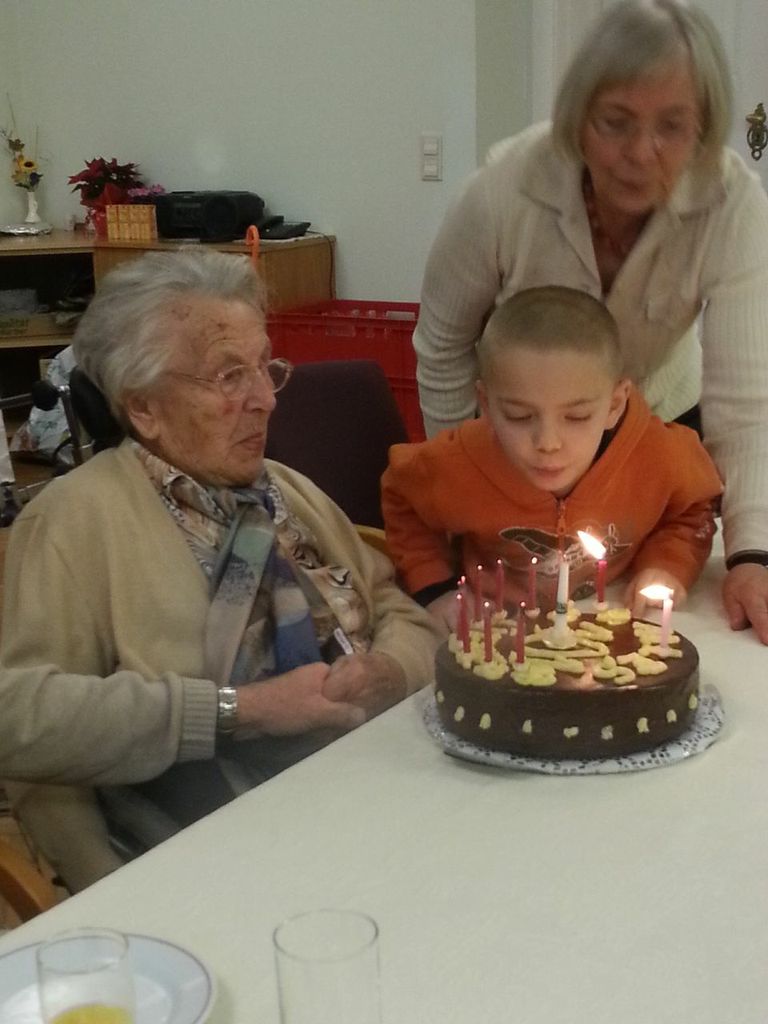


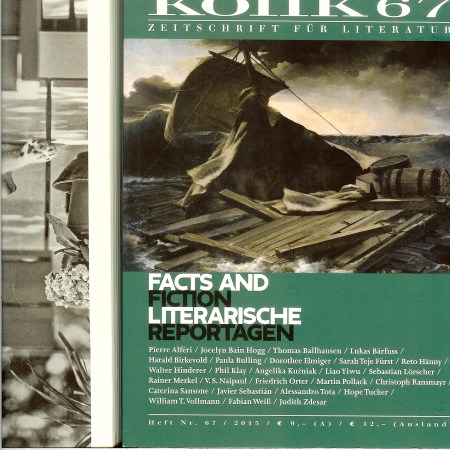

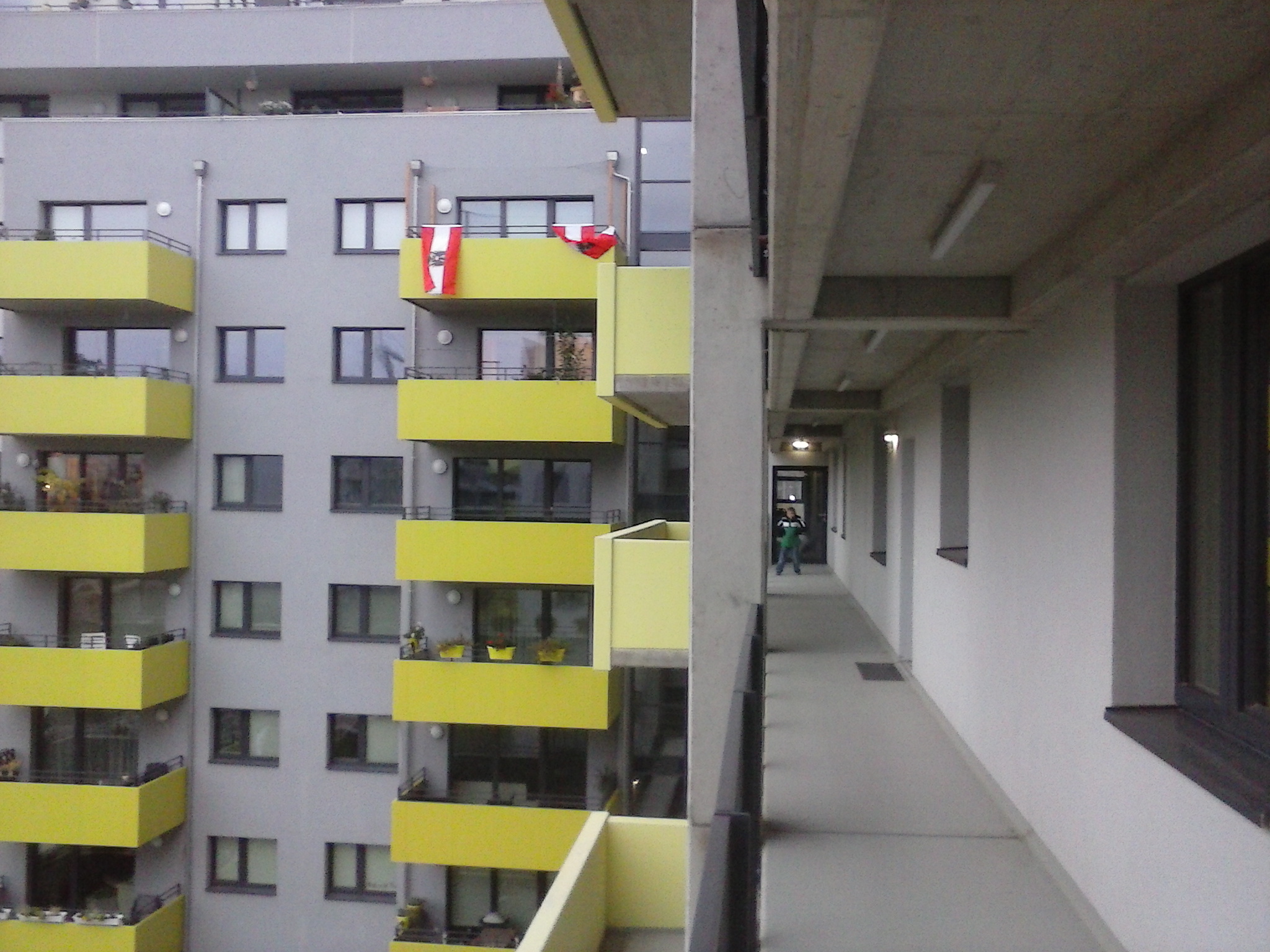

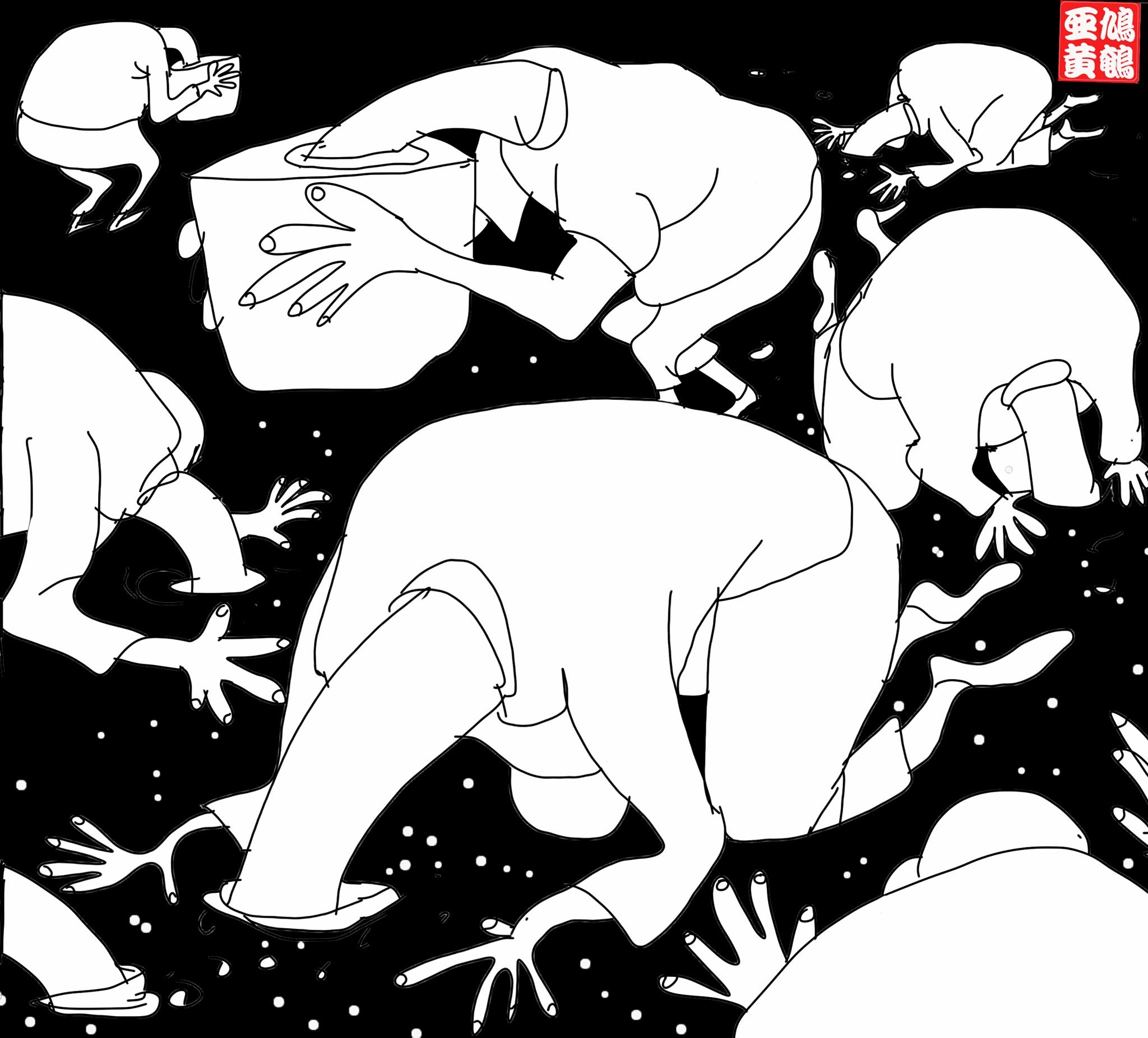
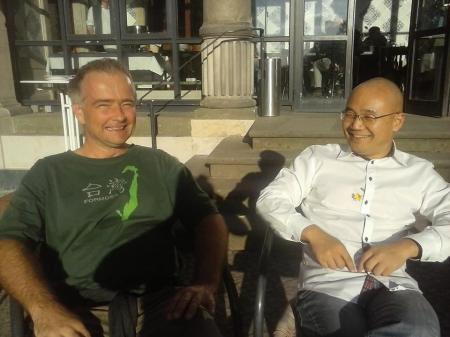

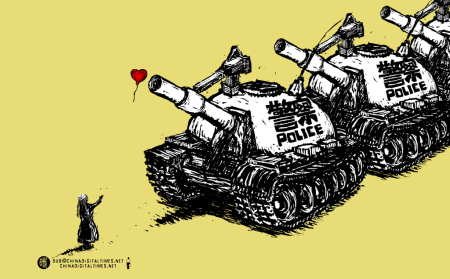

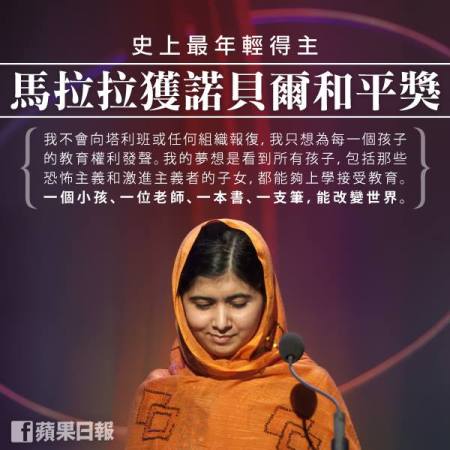

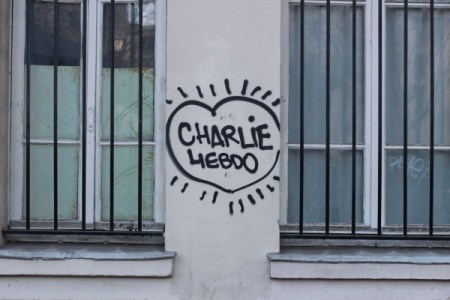
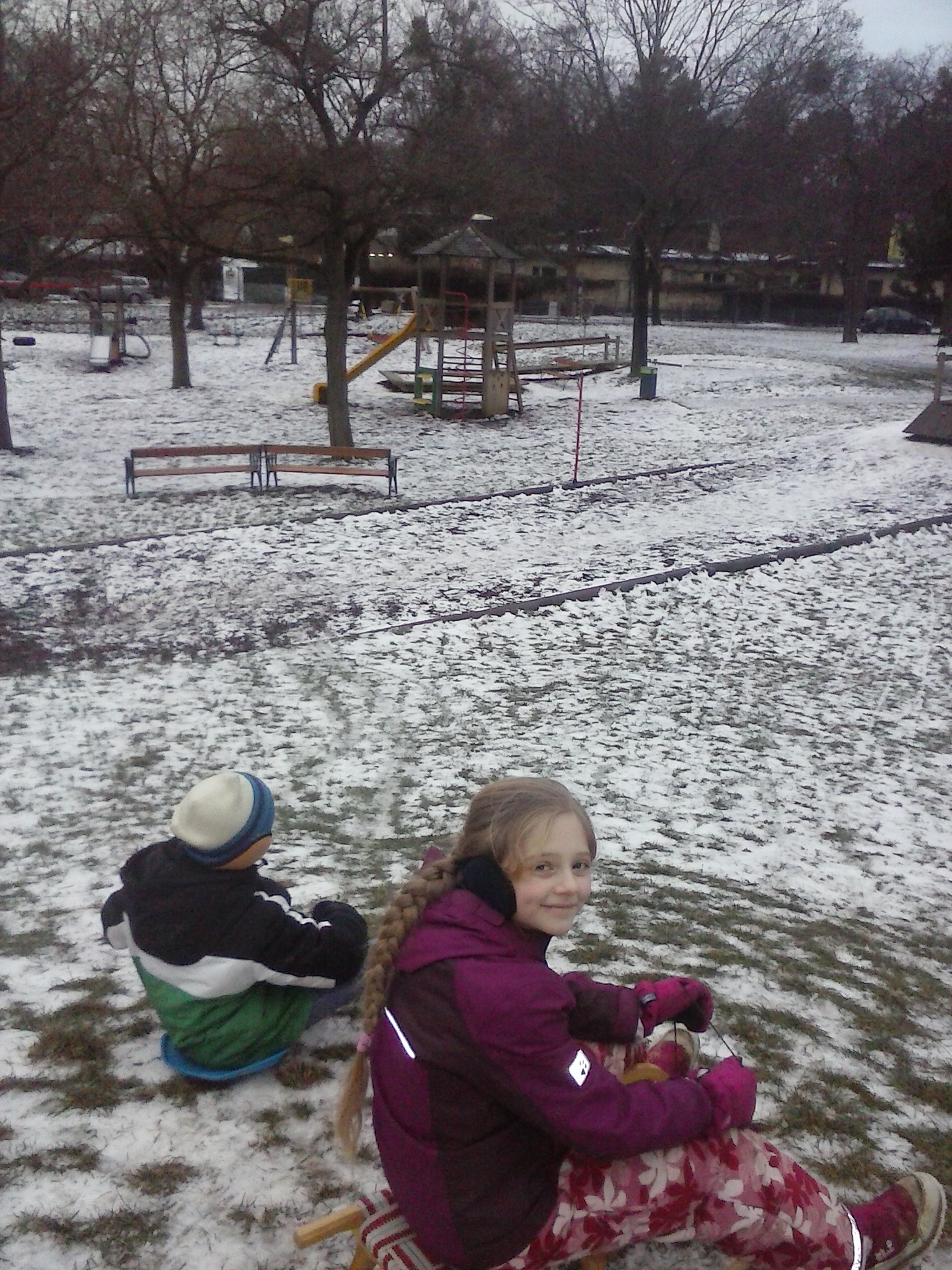


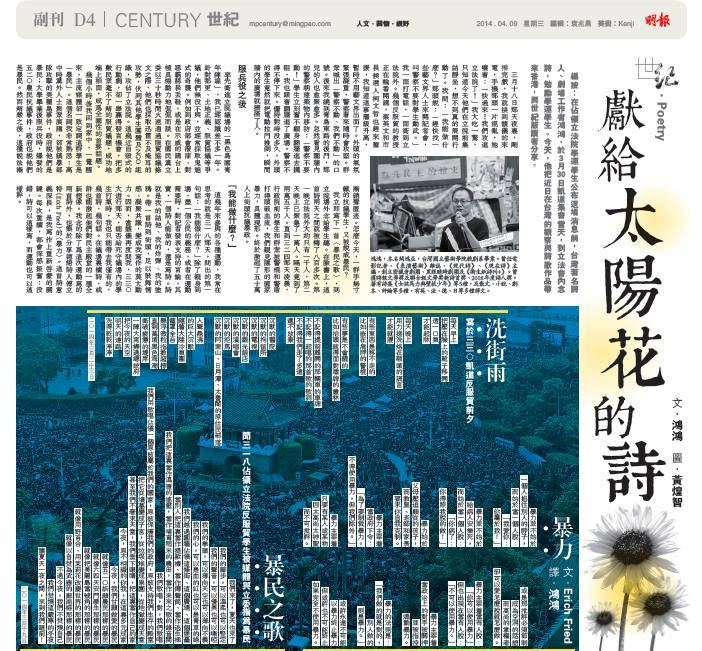


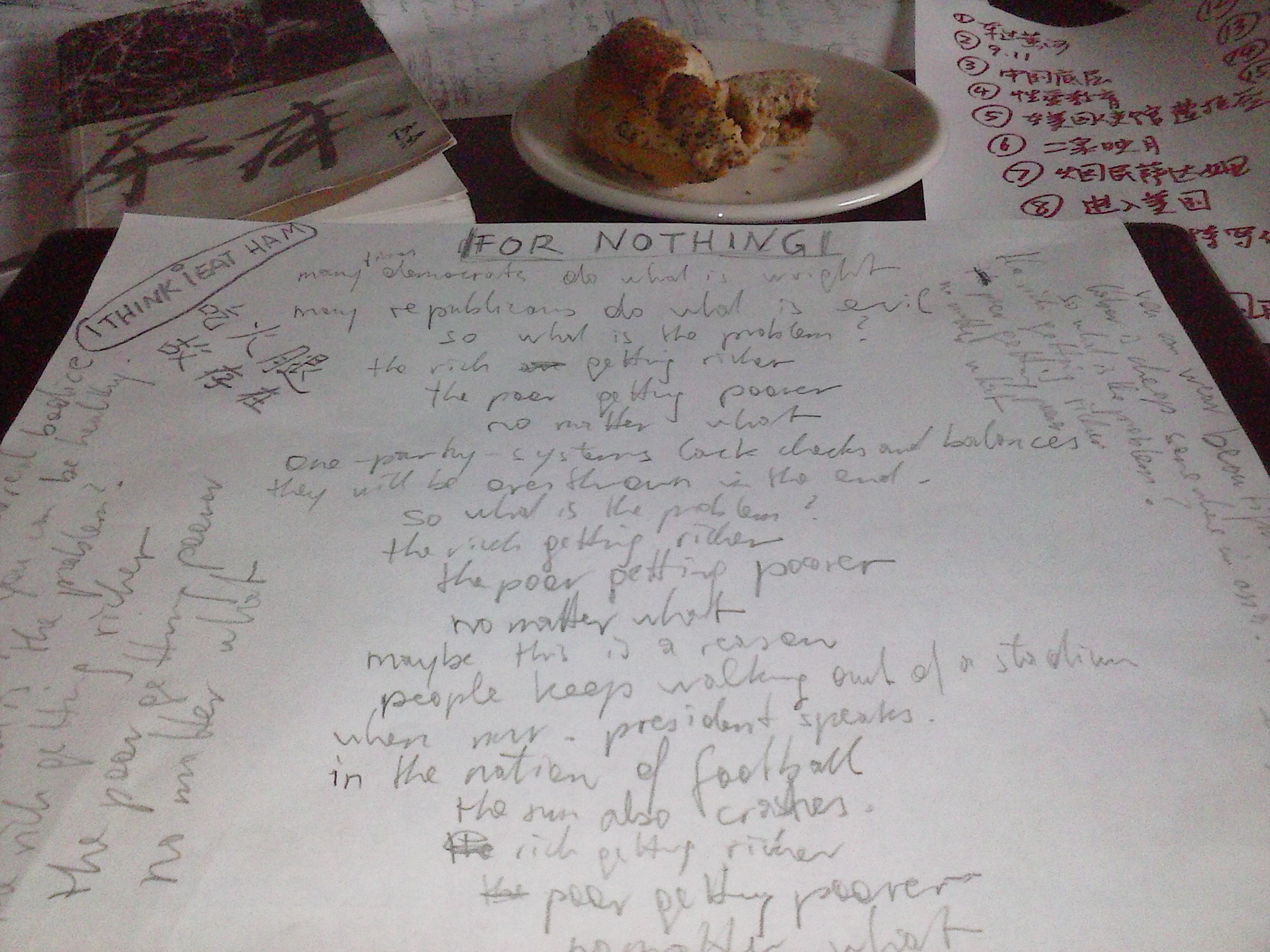









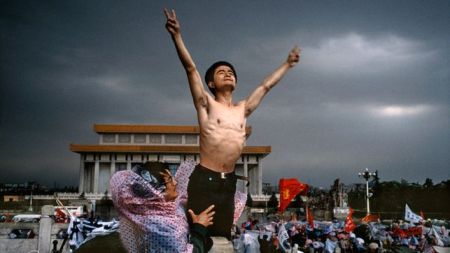


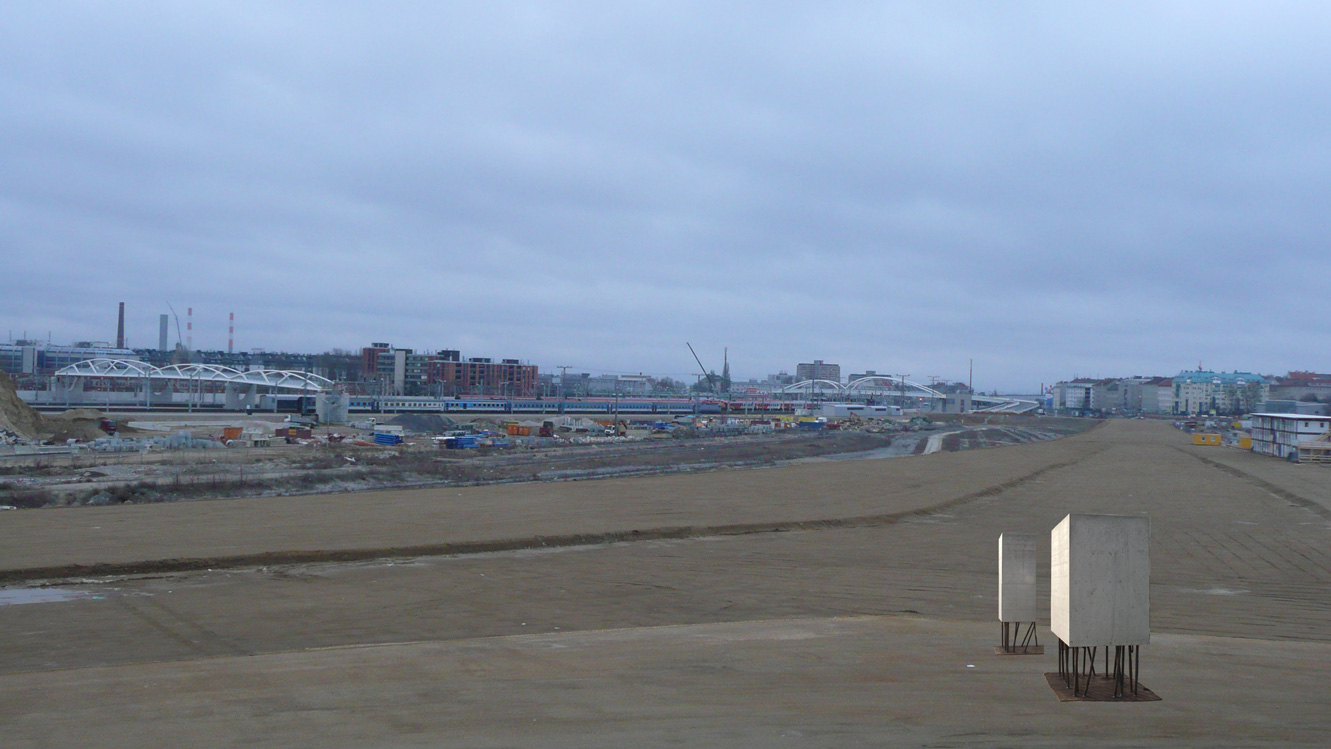


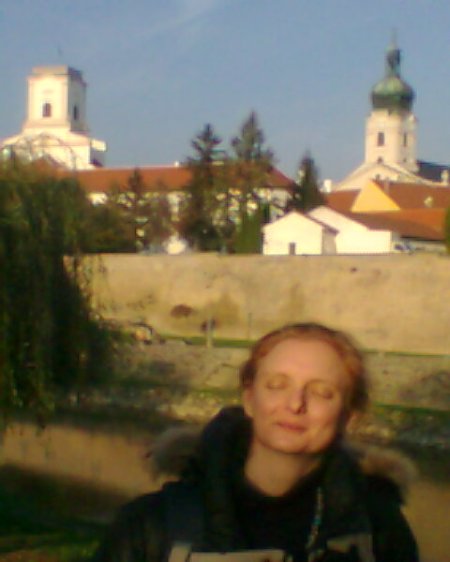
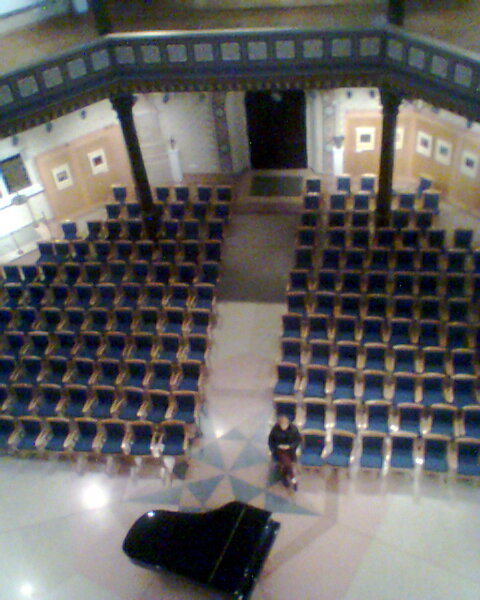












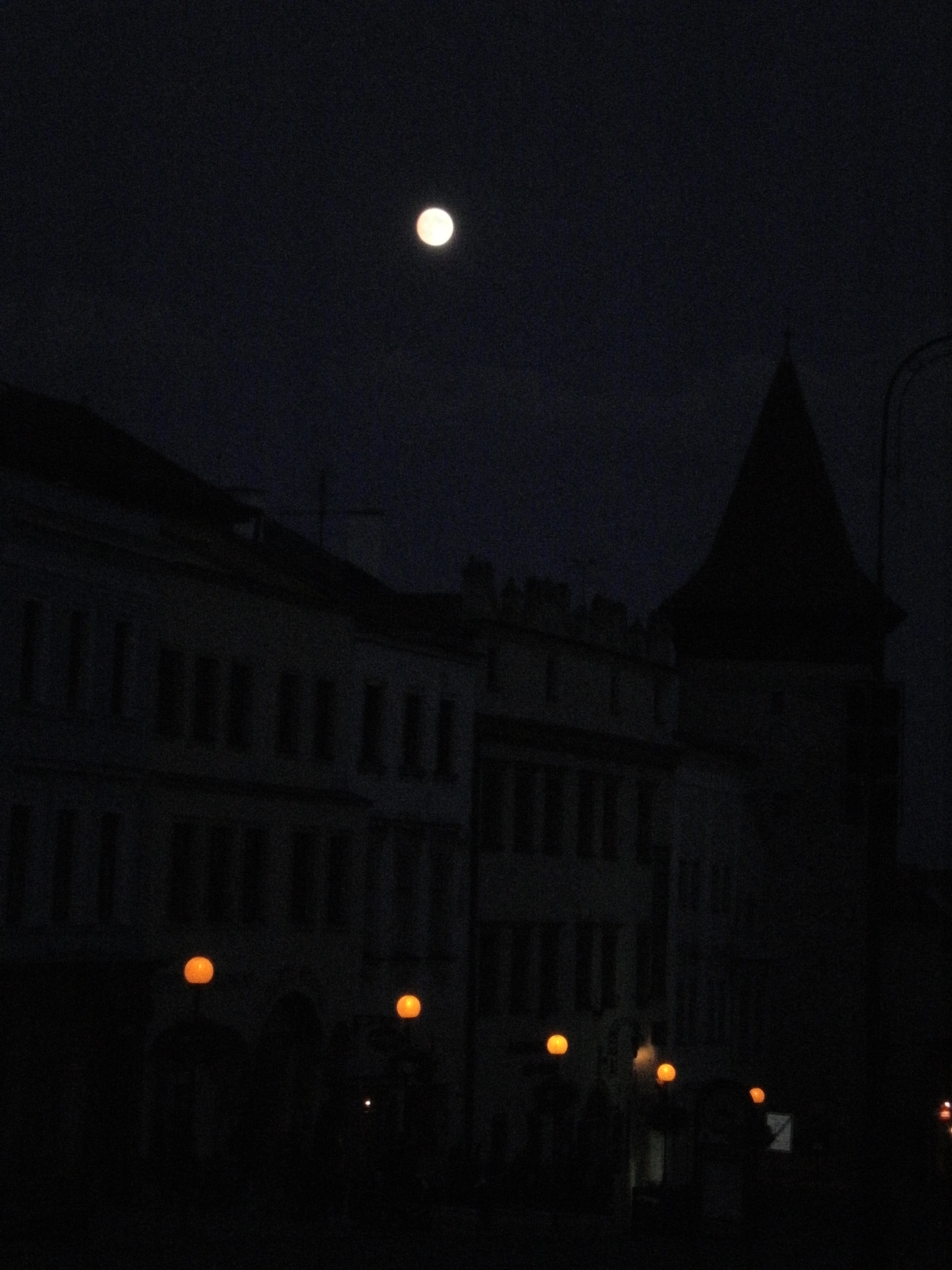

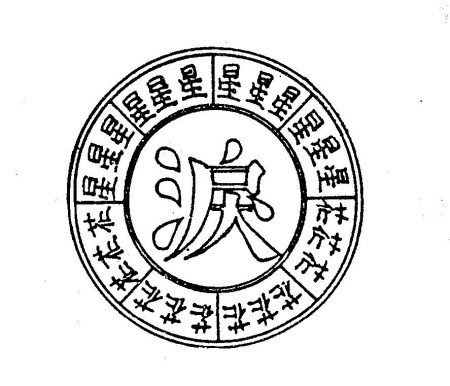
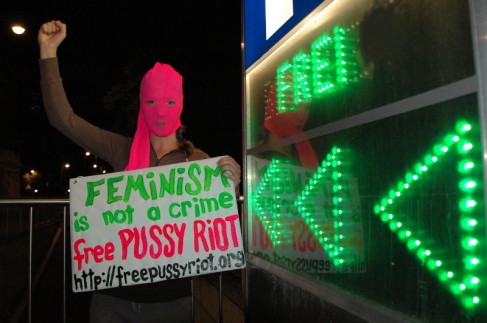

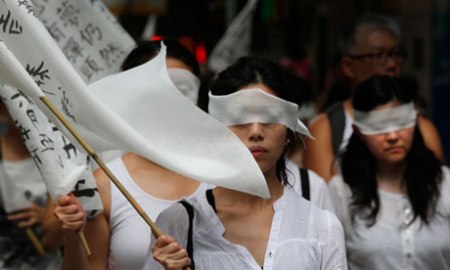

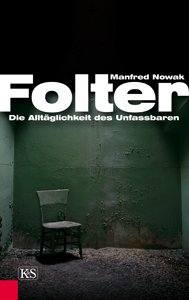
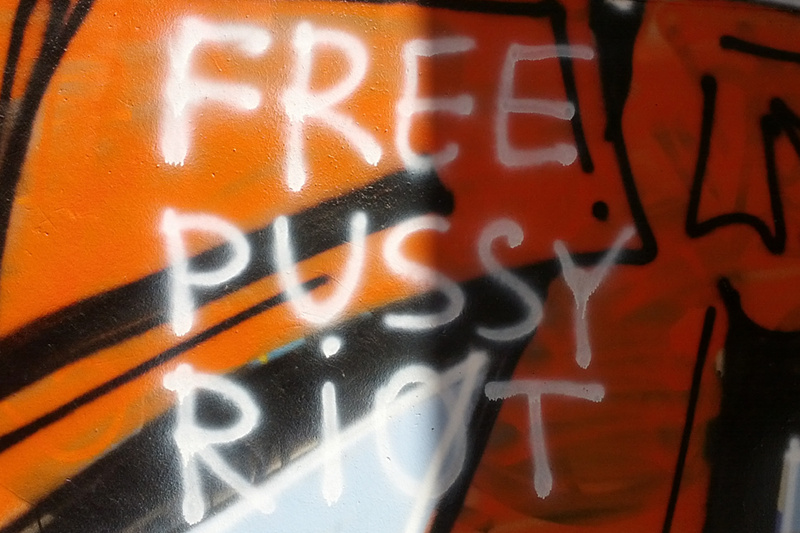



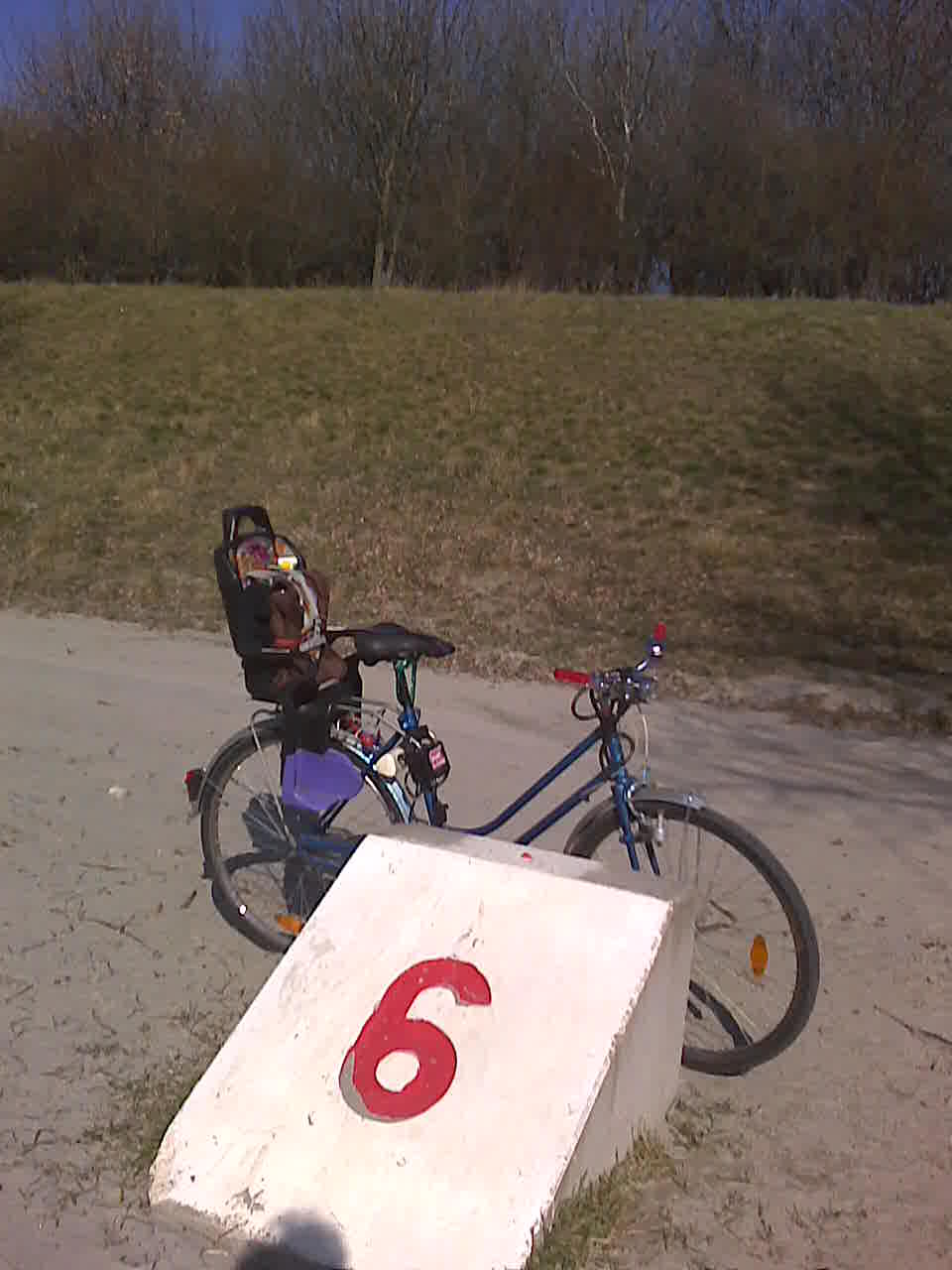
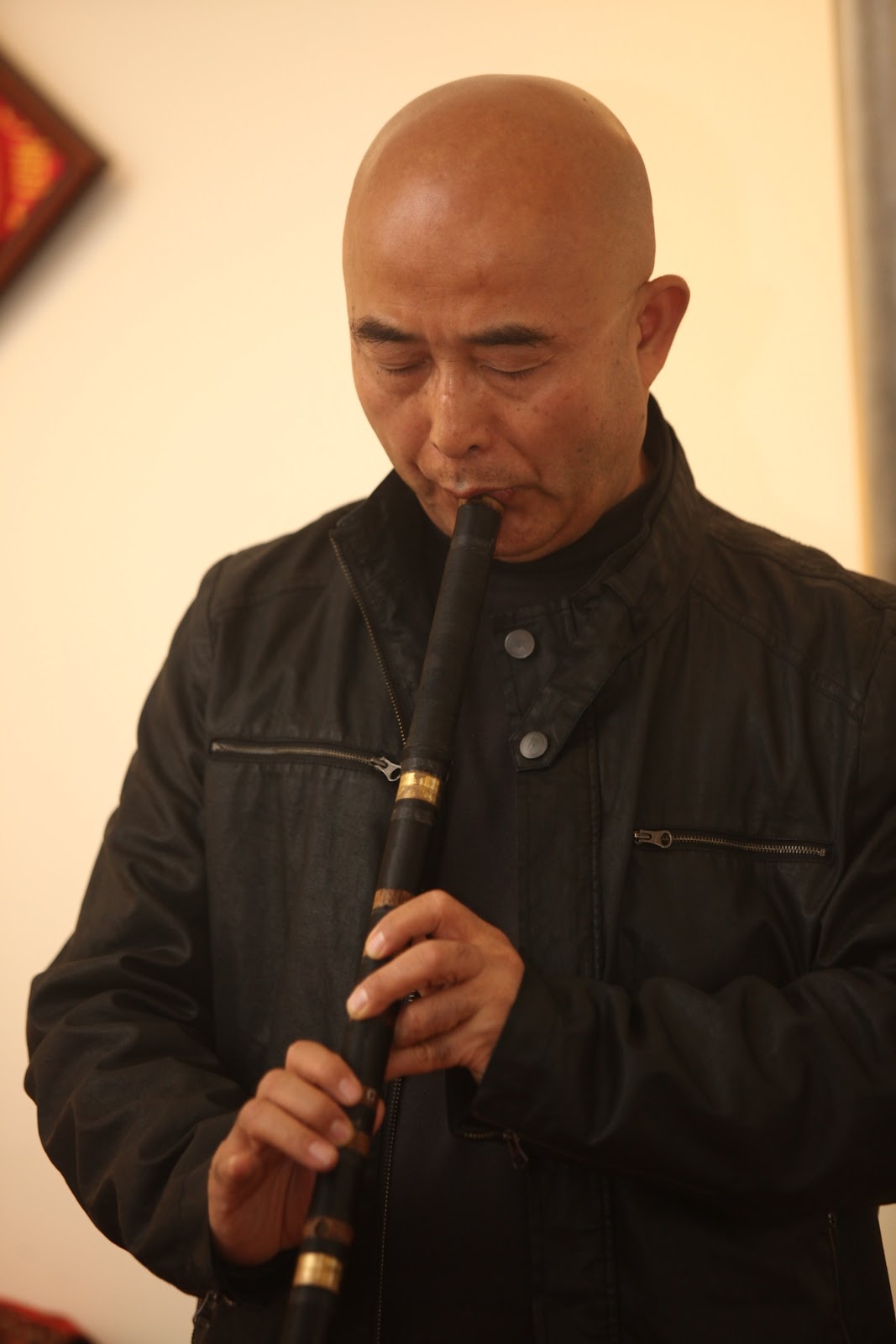


 Odpovědí na Hanušovy otázky mohou být verše Františka Basse. Tento chlapec vyjadřuje hrdost na svůj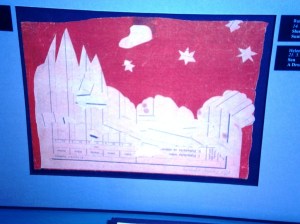
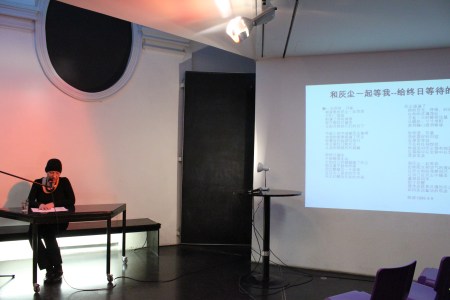
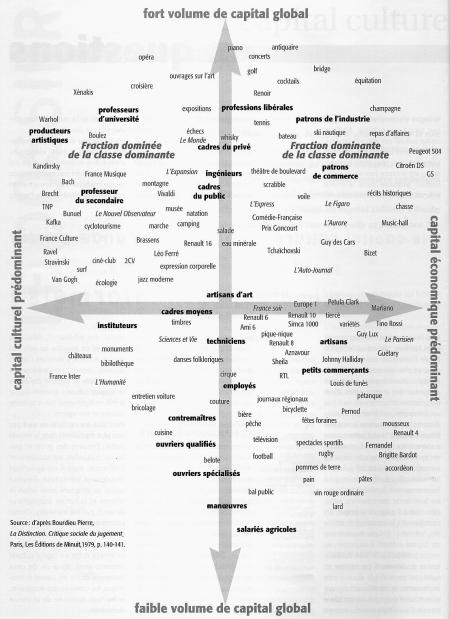
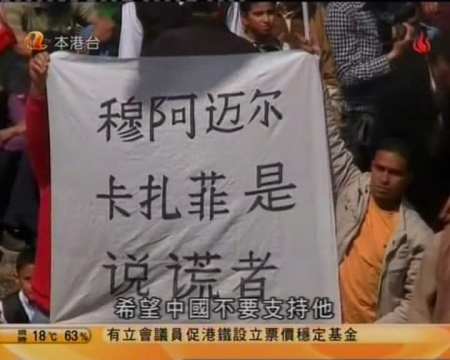 China
China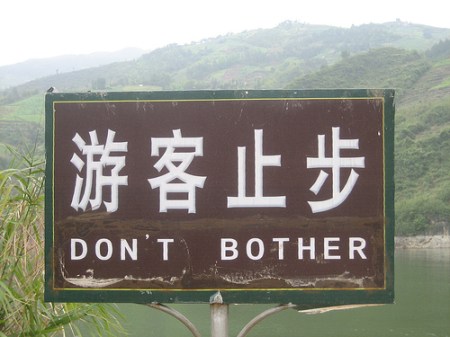
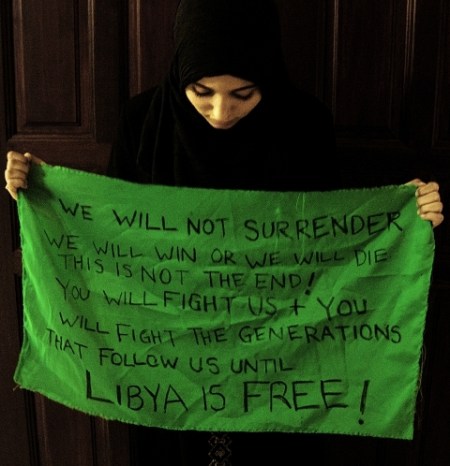

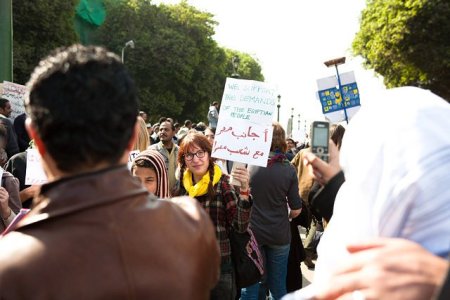


 中国大好き
中国大好き 