a bunch of poets
on a big bus
arrive at a station
getting off
I take Ms. Xiang Lianzi’s trunk by mistake
pulling her pink
draw-bar trolley
what a show-off
coming through
Great Peace alley
where I lived when I was small
looking behind me
all the poets are gone
a young Uighur guy
is dragging by baggage
— no, Ms. Xiang Lianzi’s
draw-bar trunk, running like mad
April 2014
Tr. MW, May 2014
DREAM #396
father picks out
books from my school bag
points at a novel by one female author
growling:
“your teacher said you read books under your bench
now I see this is pornography
are you not ashamed?”
(this scene really happened
when I was young)
“You should be ashamed!
your whole generation
should all be ashamed!”
one rousing reply
then I turn around
and laugh at the sky
while I walk out the door
(this scene never happened
in my whole life)
April 2014
Tr. MW, May 2014
DREAM #398
Zhuang Sheng stands there
in jeans shorts
doesn’t do anything
he just stands there
there is joy in my heart
because I remember
though this is a dream
he told me on Weibo
he hoped one day
he could appear in my dreams
the ones I write down
a series of poems
now it has happened
April 2014
Tr. MW, May 2014
DREAM #401
I grab an old friend
by the throat
and push him
to the edge of a pit
snarling at him:
“I can throw you down
then bury you alive
do you believe me?”
“I … believe ….”
he stutters at me
I release him
April 2014
Tr. MW, May 2014
DREAM #402
I receive
miraculous news
Malaysian Airlines flight MH370
the plane has been found
in a picture by Li Yi
DREAM #403
In a lush
botanical garden
there is Yu Youyou
she is like Afanti
in those Nasreddin Afanti stories
she says: “I am Shen Haobo’s sister”
I say: “I know who you are”
she says: “stretch out your hands”
so I stretch out my hands
she says: “now step forward and grasp that plant”
so I step forward and grasp that plant
she says: “close your eyes. when you open your eyes
you have grown together with that plant”
I close my eyes
after a long while I open them —
no-one is there
no botanical garden
only city streets in the dusk
someone playing a violin
April 2014
Tr. MW, May 2014
DREAM #404
I am with a gang
we are robbing a store
a bookstore
the others are at the cash register
counting banknotes
I am at the book racks
counting the books
At the height of summer, Olympics in Spain
Crazed citizens, day & night watching TV
Disgusting extremes, disturbing my dreams
I’d rather stay calm, you could say
I would not be in spasms
I prefer gentle exertions
Instead of tiring yourself spitting blood
Like some kind of monster. I hate repetition.
I don’t want to watch people shouting exulted
Like raging idiots, lunatic movements
Nazis, Cultural Revolution
Although I’m yearning for the old Greeks
Natural people, clear autumn skies
Beautiful bodies, running in freedom
Nothing like that today I’m afraid
I don’t yearn for the strong, for the muscled
For the nimble champions
No, to be strong and mighty means in my language
You could be frail and weak in your body
But if you are like Hu Shi, Zhou Zuoren
You are a hero, a really great person
Go to sleep, my compatriots
Or is the national anthem your opium?
After they win three hundred gold medals
You are an invalid just like before
Go cook yourself a mung bean soup
To clear your senses
At the height of summer, Lanzhou is not too bad
Ignore the papers, no idle talking
Crickets at noon, frogs in the night
With time for reading, and a good sleep
Is Zhang Ziyi beautiful or not?
Some people say she’s beautiful,
some say she isn’t.
Liu Ping in our office
says she is not beautiful.
But Zhang Yimou says she is.
Ang Lee says she is.
Jackie Chan says she is.
Wong Kar-wai says she is.
Henry Fok’s son says she is beautiful.
Steven Spielberg says she is beautiful.
Now even Feng Xiaogang also says she is beautiful.
Then after all is Zhang Ziyi beautiful or not?
In my opinion
Zhang Ziyi is more beautiful than Zhang Yimou
and Ang Lee
and Jackie Chan
and Wong Kar-wai,
more beautiful than Henry Fok’s son,
more beautiful than Spielberg,
even more beautiful than Feng Xiaogang.
But she is not
as beautiful as Liu Ping in our office.
under the system
you learn to compromise
anyone
the system
is a huge condom
never let no-one pierce it
you might get pregnant
being pregnant
means all sorts of things
you could get aborted
you could be induced
and end up dead
compromise
the english word
you make a promise
a common promise
collective promise
“tuŏxié” in mandarin
“xié” like in “xiéshāng”
negotiation
“tuŏ” like in “tuŏdang”
suitably done
李勤岸Li Khin-huann
Translated by Tiunn Boo-thinn 譯 …
We planted sunflowers at Parliament
To bring some sunshine inside
To bring all that mold to light
To bring the people’s rights to light
We planted sunflowers on the president’s lawn
To throw the floodgates wide open
And flood away the steel webs of a dictator
And let the young whales of democracy swim on, and on and on
We planted sunflowers in the streets
To bloom come rain and bloom come wind
To bloom for always and for all days
By the darkening roads we must yet take
We’re planting flowers in every alley and every valley
In the cities and in the country
In the mountains and by the sea
The sun will still flower
May the will of young hearts
Rise up high in our free skies
阮種日頭花
–《人面冊ê花蕊》264
李勤岸
Li Khin-huann
WE PLANT A SUNFLOWER
we plant a sunflower in parliament
to draw in the sun
stir up the poor state of our congress
stir it up for the rights of our people
we plant a sunflower in the president’s palace
to call a young sea spirit of Taiwan democracy
to stir up a flood
to sweep away the iron nets of dictatorship
we plant a sunflower on every street
to brave wind and rain
to stir and bloom
to shine a light on our dark road ahead
we plant a sunflower on every corner
in the village in the city
on the mountains at the sea
to stir and bloom
our spirit of youth
will brighten our homeland and our skies
We teach our kids to believe in justice.
You torture righteous children to death
and exonerate murderers.
We teach our kids to believe in peace.
You betray the people’s trust for your profits.
We teach our children honesty.
You swindle voters, they pay the bills.
We teach our kids democracy.
You auction off our rights on the side.
We teach our children respect.
You trample poor people under your feet
and then give out alms.
We teach our children to live in justice.
You wheel and deal and sell off their homes,
let them drink pesticides crawling and crying.
You call our children a violent mob.
Their clothes may be dirty, at heart they are pure.
Your clothes are perfect, calmly you put on your elegant ties
and wrap the filth in your hands.
You say you’re calling on education
but you let police clobber our children
and have them arrested as criminals.
What we taught our children went against facts.
They had to memorize and recite
and write it one hundred times if they failed.
Now they won’t believe what we tell them.
We put down our textbooks
to practice democracy,
exercising a spirit you never knew.
Protect our children!
Don’t let your cold-blooded thinking sentence them to death.
We are fighting to testify for all those pure and gentle hearts.
imagine many years later
can we still watch japanese cartoons
imagine letters we might receive
maybe with contents crossed out in red
imagine we could answer in peace
curious questions from our children
I will tell them about tonight
concise and in detail
so they can swiftly run to any crowded stage
I will tell them
peace is short-lived
struggle is constant
come on, go now
on this island
find your comrades
keep your loved ones
build your dream house
look for the nation of your ideals
raise all the flags
light every lamp
shout out your pursuits
warm winds will blow
coconuts sway
students, policemen sleeping together
rain will keep falling
till you wake up to a dry day
one huge silence
from teeming noise
in a cold front from the mainland
shrouding Taiwan
particulates off the charts
until one black flood
breaks worn embankments
one hard rain on the president’s palace
and the sky of tonight
and the road of tomorrow
are swept very clean
3/30/14
Tr. MW, 4/1/14
Mit “DIE GEWALT” von Erich Fried, übersetzt ins Chinesische von Hung Hung
Obama gave his yearly trade report, he wants to sell American pork to Taiwan. Obama is the first African American president. Black people are saved, pigs aren’t saved. Neither are cows. No matter how many hormones they feed them, all humanity has to eat your meat, and it has to be minced, so you don’t know which piece is an eye that saw the sky or a butt tired from needles. Nowadays no-one will eat black people. But there are people who want to swallow Ukrainians, Uighurs, Tibetans. They try out nuclear bombs at Lop Nor, they shoot a movie at Chernobyl, they build a nuclear power plant in Gongliao in Taiwan. Obama is happy to sell uranium for Taiwan nuclear power, I guess Americans like to eat up Taiwanese, barbecued by the torch of the Statue of Liberty. At the beginning of Kafka’s novel “America”, Lady Liberty’s torch is mistaken for a sword, piercing the suddenly brightening sky. Actually, isn’t it really a sword? Lady Liberty wielding the sword, cowering beauty beyond compare. America the beautiful. Beautiful cows, beautiful pigs, beautiful people. But definitions of beauty are changing. Beautiful Oscar movies, a junkie or a female star in a breakdown, garbage floating in space, we have to get membership, purchase tickets online, complete with Coke and popcorn (from genetically modified American corn), and put on our 3D glasses to see it all clearly.
Tr. MW, 4/1/14
Hai Zi
BEIJING SPRING (FACE THE SEA, SPRING IN BLOOM)
from tomorrow, let me be happy
feed horses, chop wood, let me travel the world
from tomorrow, vegetables, grain
I have a house, face the sea, spring in bloom
from tomorrow, writing my family
tell everyone how I am happy
this lightning happiness tells me
what I will tell everyone
give every creek every peak a warm name
stranger, I want to bless you also
may your future be bright
may your lover become your family
may you find happiness in this world
I only want to face the sea, spring in bloom
in the summer three years ago
my son and I
used to play soccer
on empty spaces in our block
there was this boy
must have been around ten
always came running to play with us
he was the grandchild
of the bicycle guard in our apartment block
he had a bit of a lisp
that hot summer
belonged to the soccer world championship
we had reckless matches
they sued me two times
then we stopped playing
Three years later
I’m always alone
in the hot sun
walking around our apartment block
avoiding the mobsters
“You you you
why why don’t you play football no more?”
from his lisping
I recognize him
he is three years older
now I can see it
he’s soft in the head
“Where do you go to school?”
“I I I …. don’t go to school.”
In the evening
a stifling hot night between our buildings
a jerky tune played on an erhu
You can just recognize
Blind Abing’s famous piece
The Moon Reflected in Second Spring
I guess no-one knows
except me
it is that kid not right in the head
downstairs in the garage
taught by his grandpa
July 2013
Tr. MW, March 2014
(click on the picture above to read the Chinese original)
all those so-called platonists
all those rotten at heart
all those taking themselves for judges and kings
all those dreaming of giving
directions to mankind
all those fat shining bugs
wagging their hidden poisonous hairs
banning lions and wolves
banning desperate youths
banning indecent wives
banning loonies and thieves
banning beggars and thugs
banning satan
banning contrary jesus
banning poets
banning me
without need
you don’t need to ban me
I was just passing by
just came looking to see how you’re doing at home
I have seen enough
your republic
holds no place for loonies and no place for me
ein du steht zwischen der sonne und mir
du hast zwei arten von strahlen
ein du steht zwischen der sonne und mir
aber dein schatten geht zur sonne
ich sehe dein schatten
geht ganz gerade zur sonne
also bin ich verrückt geworden
ein du steht zwischen der sonne und mir
mit deinem schatten zur sonne beweist du
dass mein strahlen so …..
SCHÖNE SONNE AM SAMSTAG
schöne sonne am samstag
wir sitzen am nachmittag im kaffeehaus im garten
besprechen den tod besprechen reisen
besprechen selbstmörder
kommen von dieser welt in eine andere
ein selbstmörder kommt in eine andere welt
und tötet sich nochmals so kehrt er zurück
Frühe 1990er Jahre
Übersetzt von Martin Winter im Februar 2014
YAN LI! Yesterday I posted his THREE POEMS FROM THE 1980s. Prominent words and themes in GIVE IT BACK (1986), YOU (1987) and YOU (1989) are “love” and “citizen”. The most prominent news story from China in January 2014 was the trial and sentencing of XU ZHIYONG 许志永, a legal scholar and leading activist of the New Citizen movement. Trials, everything connected with rule of law has been very much in the news for a long time in China. See Han Zongbao’s poem 韩宗宝 from fall 2013, for example.
Xu’s statement in court was titled “FOR FREEDOM, JUSTICE AND LOVE“. I was rather surprised at “love” being evoked as a core political value like “freedom” and “justice”. Liberté, Egalité, Amour? Xu’s statement and the accompanying account of how authorities had tried to warn and intimidate him before he was arrested make it clear that he is not only an activist for the rights of migrant workers and for greater openness about public servants’ financial assets. “Can you explain what you mean by Socialism?”, he asks. This is certainly a very important question. China is a Socialist country, at least by name, just like Vietnam, North Korea and Laos. Are there any others? Socialism for China is like Shiite Islam for Iran. But what does Socialism mean, apart from one-party-rule? I think it’s something to believe in, and to practice, to change the fates of working people through actions of solidarity. Isn’t that what the New Citizen movement was trying to do? But Xu has all but dismissed Socialism and has not tried to invoke it as something originally worth believing in. This is understandable, under the circumstances. But can you imagine someone standing up in court in Iran and asking “Can you explain what Islam entails?” Maybe people do it, I don’t know. They probably wouldn’t dismiss religion.
Actually, it is more complicated. I think Xu is testing what is possible. how far the system will go to crush opposition. In his obstinacy he could be compared to Shi Mingde (Shih Ming-te) 施明德 in Taiwan in the 1980s. But Xu is much younger than Shi was in the late 1980s, he was only 15 in 1989.
C:我知道一时半会改变不了你的观点。看过你的档案,你这个人多年来就像一根针一样那么恒定,立场就在那里一动不动。下次接着谈吧。明天后天下午什么时候你觉得合适?
我:明天吧。[words marked by me, see below]
This dialogue between Xu and Beijing State Security official C is very interesting. There is a measure of mutual respect. Xu has spunk, he is brave and obstinate. He mentions “数千万人饿死”, tens of millions died of hunger, as one of the main reasons for not “loving the party” 爱党, as suggested by his interrogator. This dialogue should be very good material for studying Chinese. This section is from the end of the first day (June 25) of Xu’s interrogations in June 2013. You can compare the original to the translation on http://Chinachange.org. In the translation, I could not access the link to Xu’s patriotic article Go Back To China 《回到中国去》, written in New York a few years ago, but it seems to be available on several blogs readily accessible in China.
Words like “citizen” and “love”, and any other words or means of expressions, actually, become something remarkably different in a work of art, different from every-day-usage, and usage in political statements. I find Xu’s use of “love” baffling. “Love” strikes me as rather imprecise, compared to “justice”, for example. Love, simply love, not compassion or caritas. Not bo’ai 博爱, just aì 愛, as in Wo ai ni 我愛你。Imprecise, but endearing, as something obviously non-political. And thus closer to poetry, literature, art? Ubi caritas et amor, deus ibi est. All You Need is Love. And so on.
“If I had a hammer I’d hammer in the morning/ I’d hammer in the evening all over this land/ I’d hammer out danger, I’d hammer out warning/ I’d hammer out love between my brothers and my sisters/ All over this land …” Pete Seeger (May 3, 1919 – January 27, 2014)
er und sie
sind daheim
und sie streiten
deine mutter
nein die deine
fick deine mutter
du fick deine
du fick zuerst wenn du kannst
er beginnt dinge zu zerbrechen
sie bleibt ihm nichts schuldig
hebt etwas billiges auf und wirft es
am ende sind beide müde
keuchend
liegen sie da
einerseits schimpfend
andererseits fickend
bis es erlischt
das feuer des krieges
a cricket is calling outside my window
I would like to call in this way
holding you in my mouth very softly
you in a teardrop
my feelings for you are certainly not
more crystal clear than the sounds of a cricket
I hope those lending their ears to these crickets
forget how life hurts and the years vanish like water
unterm fenster ruft eine grille
ich möchte auch so rufen
im rufen hab ich dich ganz leicht im mund
in einer träne
mein fühlen für dich ist überhaupt nicht
schöner kristallener als dieses rufen
mögen die deren ohren ihm lauschen
vergessen wie leben verrinnt und ihr leid
This is a tree that does what it wants,
a tree that grows at the edge of a cliff.
A tree that’s clasping and climbing the rocks.
A tree that never had milk, never heard music.
A tree that drank northwestern winds,
A tree that had wind poured in its ears.
A tree that would have liked milk, would have liked music.
A tree that stands under dark clouds, waiting for white clouds in the sky.
A tree that doesn’t stand at attention and leans where it pleases.
A tree that slacks off, like a girl out of shape.
A tree that watches the marching ants on its body and won’t get excited no more.
A tree that explores the depths of the stones.
A tree that will not get pulled out, however it sways.
A tree all alone.
A tree that stands on the edge, overlooking the forest.
A tree that can only bow to its partner if it can stay ten yards away;
it cannot grow as they do in the woods, as they hold on to each other’s shoulders.
2005 Tang Guo
SONG OF THE DARK
the sun has gone behind the peak. darkness comes walking out of her home,
unfolds her black velvet and covers his foot.
she pulls up her velvet and covers his waist.
she waits till he’s snoring, then folds up his head.
sleep now, mountains, rivers, towns.
sleep, mosquitoes, beasts and mum.
Tr. MW, Nov. 2013
Tang Guo
MY EPITAPH
she had joy, she was sad. she knew happiness and wandering.
today, she has only joy at her side –
– stolen joy that comes beyond.
she needs your smile,
as you stand at her breast, a little bulge in the earth.
2007
Tr. MW, Nov. 2013
Tang Guo
FOR YOU
What grows on my body, just take it away.
If you want it – what I haven’t grown yet- come tomorrow.
I will try with my life. If I don’t make it – here are the seeds.
judge swallows by crows judge freedom by a bird in a cage
judge elephants by mice judge butterflies by the eye of a storm
judge ants on a tree by fish in a bowl
judge times by their fools judge jobless graduates by golden iphones
judge square by round judge sea by sky
judge cotton by iron judge sheep and grassroots by tanks
the silent lambs, how meek they are!
judge art and writing by dynamite judge people by country
judge earth by snow judge jews by hitler
judge christ on the cross by judas and the last supper
judge shoes by feet judge cities by villages
judge floods by tall dams judge water by wells
judge football by whistle judge hawkers by city security
judge temporary workers by public servants judge migrant laborers by residence permits
judge B by A judge Second by First judge crying by smiling
stars and the gunpowder in bullets have never been exposed to moisture
if the chessboard says you’re guilty then you are guilty
those people who died from secret questioning those who died
when detained or arrested they must have seen
the sullied red flag and the hands when an experienced questioner
becomes a murderer her shining and glorious life
produced how many deaths how many wrongs written in blood
what kind of terror and torture
most one go through before he prefers death to life
relentless questioning what does it mean to him or her
everyone noticed his neck must have been stuck
but on tv they aired his confession
he put on his own trial of his text and the camera
we don’t need courts we don’t need laws our nation doesn’t need them
’cause the trial is completed in this giant one-way judgment
everyone can be a criminal just have to grab them
and put them inside if they are tough bones their flesh can be done with
one after another gets thrown in jail who will be the next one
what is it that’s breaking up happy days and pleasant scenes
laws appear on worthless paper in restricted public trials
just like catwalks once the process is in motion
once you get inside your only trick is to confess
so confess the grief of an innocent man small traces of blood
and disgrace tears are so helpless just what you asked for
an innocent man in the end hangs his head in confession amen
2013-10-29
Tr. MW (10/31/13)
《审判》
韩宗宝
用老人审判孩子 用白人审判黑人
用黑审判白 用早晨审判傍晚
用乌鸦审判燕子 用笼中的鸟审判自由
用老鼠审判一头大象 用风暴眼审判蝴蝶
用缸中的金鱼审判上树的蚂蚁
用小丑审判时代 用土豪金审判蚁族
用圆审判方 用天空审判海洋
用铁审判棉花 用坦克审判绵羊和草根
这些沉默的羔羊多么温驯
用炸药审判文字和艺术 用国家审判人民
用雪审判土地 用希特勒审判犹太人
用犹大和晚餐审判十字架上的上帝
用脚审判鞋子 用村庄审判城市
用高高的堤坝审判洪水 用井审判水
用黑哨审判足球 用城管审判小贩
用公仆审判临时工 用暂居证审判民工
用A审判B 用甲审判乙 用笑审判哭
星星和弹孔中的火焰 一直不曾受潮
棋盘上标明你有罪 你就有了罪
那些死于秘密审判的人 那些死于
拘禁和逮捕的人 必定见过
被污染的红旗和手 当一个审讯能手
成为凶手 她光辉而荣耀的一生
制造了多少死亡和冤屈 血书累累
需要经历怎样恐怖可怕的折磨
一个人才会 宁死不生
无懈可击的审讯 究竟对他意味什么
大家注意到了他被狠狠卡过的脖子
但电视已经播出他的口供
他对着镜头和台词做出了自我审判
何需法庭 何需法律 国家不需要这些
因为审判业已完成 这单向式的强大审判
每一个人都可以是罪犯 不过是抓起来
再关进去 硬骨头可以从肉体上消灭
一个个的人陆续入狱 下一个是谁
有什么在崩溃 大好良辰好景虚设
法律形同废纸 有限的公开审判
仿佛秀场 那木马般的程序一旦启动
只要你进去了 你唯一的招就是招
招吧 一个无罪之人的悲伤 略带血痕
和耻辱 泪水如此无力 如你所愿
一个无罪的人最终 低头认罪 阿门
2013.10.29
This poem was written partly in response to the New Express 新快报 / Chen Yongzhou 陈永洲 incident, as the author told me after he showed his poem around on Weibo. However, this is not one of those poems which act like condensed news articles, like Zhao Siyun’s Lily’s Story or Sheng Xue’s Your Red Lips A Wordless Hole (German version see Angelika Burgsteiner’s translation). Han Zongbao‘s poem seems to be less straightforward.
“When an experienced questioner/ becomes a murderer/ her shining and glorious life/ produced how many deaths how many wrongs”
Whose glorious life? The murdering questioners? Why “her”? The female pronoun seems to indicate a particular person. Please look at the comments for answers to these questions.
Li Cheng’en, born in the 1980s. Published poetry, essays and a novel.
As soon as I read this, I was reminded of Woeser 唯色, the Tibetan poet. Didn’t know Li Cheng’en was also a woman. All those verses with “I give” could be “I gave”. In the Chinese, there is no difference. The sentence construction is also unique. It is the “ba-construction”. Sometimes the “ba” is a “jiang”, but not here. Anyway, it’s a construction often discussed in Chinese grammar. Literally I think it’s like saying “I take my flesh and give it to the mud for keeping”. Maybe you could also just say “I put my flesh into the mud”, or into the soil. But why would you call on the mud to hold it for you? MW
My translation was originally based on this picture version sent around on Tencent Weibo and Sina Weibo as part of Yi Sha‘s regular New Century Poetry Canon. Li Cheng’en has since told me about a mistake in the copying process. In the Weibo image “warmth” or literally body warmth occurs twice. Li Cheng’en says it should be “eyes” instead of warmth the first time. So originally I had “I give my warmth to the sun and the moon. When I need it, please give it back!” I like both versions. Somehow I’m glad about the mistake. Makes for closer attention.
In German, I first had “ich borg’ meine wärme der sonne dem mond – wenn ich sie brauche, gebt mir’s zurück!”.
I am still not sure about how to translate all these “ba-construction” – verses in German. Now they sound stranger than before, but this is how I had them first. The German equivalents of “please give it back” or “please give them back” sound very colloquial. It’s not standard grammar. Some people don’t like that. Maybe I’ll find a better version later.
MW
Li Cheng’en
GEISTERBESCHWÖRUNG
im traum im hotel
hör’ ich ein lied
“ich nehme mein fleisch und geb’ es dem lehm.
wenn ich es brauche, gib mir’s zurück!
ich nehm’ meine knochen und gib sie den steinen.
wenn ich sie brauche, gebt mir’s zurück!
ich nehme mein blut und geb es den flüssen.
wenn ich es brauche, gebt mir’s zurück!
ich nehme mein hirn und geb es dem berg.
wenn ich es brauche, gib mir’s zurück.
ich borg’ meine augen der sonne dem mond –
wenn ich sie brauche, gebt mir’s zurück.
ich nehm’ meine wärme und geb sie dem herd
wenn ich sie brauche, gib mir’s zurück.
nur das herz muss ich selbst mit mir tragen … ”
ich wache auf
öffne das fenster
seh’ eine kleine bewegung am berg.
ein dünner bach
aus meinem traum.
ist es meine
wandelnde seele?
kommt sie zurück?
ich behalte
ein staubiges herz.
doch meine seele
wo ist sie verborgen?
wer gibt sie zurück?
Übersetzt von Martin Winter im Oktober 2013
Li Cheng’en, geboren in den 1980er Jahren. Publizierte einen Roman, Gedichtbände, Essays.
Picture by Sara Bernal
李成恩
招魂歌咒
我在旅馆的梦里
隐隐听到了招魂歌咒
“我把肉体寄存给泥土
要的时候你可得还啊
我把骨头寄存给石头
要的时候你可得还啊
我把鲜血寄存给江水
要的时候你可得还啊
我把脑浆寄存给雪山
要的时候你可得还啊
我把眼睛寄存给日月
要的时候你可得还啊
我把体温寄存给炉火
要的时候你可得还啊
只有心我得自己带走… …”
我醒来后
推开窗户
看见雪山缓缓移动
一条薄薄的河流
像是从我的梦里流出
我的魂魄
游走了?
还是回来了?
我守住了
一颗沾满灰尘的心
但我的魂魄
寄存在哪里?
谁又能还我?
Li Cheng’en
GEISTERBESCHWÖRUNG
im traum im hotel
hör’ ich ein lied
“ich habe mein fleisch dem lehm anvertraut.
wenn ich es brauche, gib’s mir zurück!
ich hab’ meine knochen den steinen gegeben.
wenn ich sie brauche, gebt mir’s zurück!
ich habe mein blut den flüssen gegeben.
wenn ich es brauche, gebt mir’s zurück!
ich hab’ mein gehirn dem berg anvertraut.
wenn ich es brauche, gib mir’s zurück.
ich borg’ meine wärme der sonne dem mond –
wenn ich sie brauche, gebt mir’s zurück.
ich nehm’ meine wärme und geb sie dem herd
wenn ich sie brauche, gib mir’s zurück.
nur das herz muss ich selbst mit mir tragen … ”
ich wache auf
öffne das fenster
seh’ eine kleine bewegung am berg.
ein dünner bach
aus meinem traum.
ist es meine
wandelnde seele?
kommt sie zurück?
ich behalte
ein staubiges herz.
doch meine seele
wo ist sie verborgen?
wer gibt sie zurück?
Übersetzt von Martin Winter im Oktober 2013
Li Cheng’en, geboren in den 1980er Jahren. Publizierte einen Roman, Gedichtbände, Essays.
cannot abandon this country, five thousand years of meager creeks and cold peaks
five thousand years having a band of whores erecting gateways for memory
its people industrious, intelligent, brave
and used by these whores, pressed to their last drop of blood
cannot abandon this country, connected from birth inseparably
my tears becoming one of its rivers, drinking its juices
slurping its blood, look at these whores telling lies as their trade
poets are used to the emperor’s new clothes, no-one plays a small child
I cannot abandon this country, nor am I having these whores banish me
getting angry is fruitless, I’d rather become another Sisyphus
and even for dying, it is on its earth where I am going to sleep
to be able to drink big gulps of warm wine
to enjoy glory days in stupor
to be able to think
behind the ticking window curtain at noon
think of trivial things
to be really embarrassed for a long time
to be able to take a walk for yourself
sit down on a chair painted green
close your eyes for a while
to be able to sigh
thinking of unpleasant things
to forget where the ash
dropped from your cigarette
to be able to lose your temper
when you are sick, to do undignified things
to be able to walk along a familiar road
walking all the way home
to have someone kiss you
wash you scrub you, to have exquisite lies
waiting for you, to be able to live in this way
would be great, any place, any time
picking flowers
mouths finding mouths
no unrests no revolution
what flows down to the ground is the sacrificed wine
to be able to live in this way
would be great, would be the ultimate thing to enjoy!
Lydia and Julia. My tastes are simple, mostly. No Fehlschmelzen. Although that word makes me think of Ai Weiwei. Rare words. Rare earths. Che, fourth tone. Like the chai of demolition, but with earth instead of hand. In a famous poem by Du Fu, On Top Of Yueyang Pagoda. Che, separation. Of Wu and Chu. Still great realms, 1300 years later. Wu is Shanghai, Suzhou, Hangzhou and so on. Wu-dialect of Chinese, as different from Mandarin as French is different from German or Dutch, at least. Wu and Chu. Chu is Sichuan and so on. Dongting lake separates Wu and Chu. Dongting lake seen from the pagoda. Heaven and earth, blablabla, the light on the lake. No letters from home. North still at war. Writing this, leaning at the railings, crying. 昔聞洞庭水, 今上岳陽樓. 吳楚東南坼, 乾坤日夜浮. 親朋無一字, 老病有孤舟. 戎馬關山北, 憑軒涕泗流. Xi wen Dongting shui, jin shang Yueyang lou. Don’t know what kind of dialect Du Fu used. Not Mandarin, that’s for sure. More something like Wu, probably. Which I don’t speak and can’t write. Heard of Dongting lake, now I climb the stairs. Wu Chu dong nan che, qian kun ri ye fu. Here comes the “che”. Rare word, in present Mandarin. Dong nan, east and south. Wu is southeast from Chu. Heard of Dongting lake, now I climb the stairs. Wu and Chu divorced; Sky reflected, night. Not a word from home. Sick and old, a boat. War steeds roam the north. I lean here and cry. Five syllables per verse. Yes, much like Haikus. Yi Sha has space poems. 2 from 2003. One about first signs of spring, lunar new year, mahjong, the space shuttle Columbia, fear of flying, freedom. The other one about space, father and son, skies at night, North Korea. This 2nd 1 was in the FAZ on June 26, 2013, when the Shenzhou 10 capsule returned to earth.
Last week, in the run up to our website relaunch and the live event, we started an open call and asked for your short ‘Space Poems’. The call is closed now and we would like to thank everyone who took part!! We received 15 poems, sent to us in English and German via twitter, facebook and as blog comments and enjoyed reading the poems a lot. We hope you all do!
… and here are the Space Poems …
daybreak
when we credulously
reached for the clouds
a clamour
from the mouth of
a careless fish
–
by Achim Wagner (via twitter)
words are vinds which blow roofs
–
Daiga Mežaka (via blog comment)
There’s no sound in a space poem, only the charged particles of solar wind.
clamoring flowers drowning the factory’s din
I am the angriest, rising an inch from the earth
lights and the night, mirrors of flesh
love’s virtual image, opposite
objects lean on each other. horses in sleep
dream of a storm. I am a tree
I talk to my blossoms. I am a fish
I breathe in my river. in the darkness
wildflowers up on both shores burning till dawn
I am the perfect spring dream I cannot express
tongue slides on the tip of the words. rolling rocks
music rising anew, a forest keeps still
roots rotating fast in the mud, in a dance…
bodies forming furniture
axes and saws roar from afar
look how lonely he is, counting his rings
like that tree in the waste
das rufen der blumen erstickt den lärm der fabrik
ich sei die wütendste, rag einen zoll aus der erd’
der spiegel des fleisches, die nacht und das licht
virtuelle liebe, gegensätzliche dinge
bedingen einander. schlafende pferde
träumen von stürmen. ich bin ein baum
im gespräch mit meinen blüten. ich bin ein fisch
atme in meinem strom. die ganze nacht
brennt blühendes unkraut an beiden ufern
ich bin der schönste frühlingstraum, den ich nicht sagen kann
die zunge rutscht auf der klinge der sprache. rollend geröll
erneut steigt musik, ein schweigender wald
wurzeln rotieren rasend im lehm, dreh’n sich im tanz…
leiber richten sich als möbel
brüllende äxte und sägen von ferne
schau, dieser mensch ist so einsam, er zählt seine ringe
ein baum in der wüste
under mao zedong
we had starry nights
we had vast starry skies
people lifting their heads
one summer night
it was father and i
father told me
about the universe
about a cosmonaut
yuri gagarin
flying in space
my mouth stood open
like a barn door
thank you, father
my heavenly father
in a dark corner
of north korea
measuring 9,600,000
square kilometers
among hundreds of millions
malnourished blockheads
i was the smartest
did not see the future
but i saw space
Concentrating on private impressions and conversations in published poems is self-evident for many, maybe for most people who read, write, translate, edit such stuff. But China, and also Taiwan to a certain extent, have put into question art, books, beauty, skills, traditions, language- anything had to serve the Party, and what the Party couldn’t use could not exist. Capitalism does it too, everything that doesn’t pay, that we can’t finance, cannot remain. They get along splendidly, finance and centralized state, Mao and the Mammon. That’s how the modern world was developed.
“Beneath our feet, we couldn’t see through dust and ash, rank growth of old. Father holding his iron staff, asking me: ‘Are you afraid?’ Oh, I raised my head, Orion sparkling right in the middle, space reverberations sounding from eons– falling silently, are those meteors, one blue whiplash after the other?” 流星記事, Meteor Account, or Meteor Accounts, by Zhu Fengming 祝凤鸣 (Oct. 1996). Nick Kaldis just showed me his translation of Meteor Account, from a dozen Chinese poems in the magazine Dirty Goat (#24 February 2011).The quote above is in my own translation, I couldn’t resist. Rank growth of old – 古蟒 or 古莽? Nick Kaldis thinks there might be a misprint. (“古蟒 would refer to a snake known from fossil remains, the Paleopython, while 古莽 refers to rank grass.”). 祝凤鸣,男,1964年生于安徽宿松县… Zhu Fengming (born 1964) is a geologist from Anhui.
《流星記事》
祝鳳鳴
有一次,丘崗夜色正濃,二月還未清醒,
我踏著回家的羊腸小徑,在山坡
白花花的梨樹下,碰見鄰村
淒涼的赤腳醫生,面孔平和。
“剛從李灣回來,那個孩子怕是不行了。”
他說,藥箱在右肩閃著棗紅的微光。
路邊的灌叢越來越黑,細沙嗖嗖——
我們站在風中,談起宅基,柳樹,輪轉的風水。
陰陽和天體在交割,無盡的秘密,使人聲變冷,
“……生死由命。”這時,藍光一閃
話語聲中,一群流星靜靜地布滿天空﹔
還有一次,我和父親走在冬月下
曠野的一切彷彿在錫箔中顫抖。
腳下是隱形的塵土和古蟒的灰燼。
父親拿著鐵棒,問我:“你怕不怕?”
哦,我抬起頭來,獵戶星座在中天閃耀,
空中傳來千秋的微響——
那無聲垂落的,是流星,還是一道道藍色的鞭影?
The existence of space. Of God(s). Yin-yang, fengshui. Existence of wonder. Or the other way, wonder of existence. Outside the Party. Very much among the common people on the other hand, in the countryside, barefoot doctors, and so on, in the rest of Zhu Fengming’s poem.
Yes, 蟒 (mang3) may be a misprint for the homophonous character 莽 (mang3). 古莽之國, the ancient uncultured state. The Book of Liezi. 古莽之國,出《列子周穆王第三》,屬迺古三國。三國者何也?古莽之國、中央之國、阜落之國也。蓋處天地之外、神話之中,事未可徵,史未可考。古莽之地,陰陽不交,寒暑不辨;民不衣不食而多眠,五旬一覺,而以夢為真,真為妄也。(Wikipedia)
Space, spaceflight. A great achievement. “Sister killed her baby ’cause she couldn’t afford to feed it we are sending people to the moon.” Prince, Sign o’ the Times. Really, I think they should have written more about this in the international papers. Yes, it worked, no-one died, Wang Yaping 王亞平 teaching from space, tens of millions watching and listening to her. A great leap, a giant leap, really. Responsibility, great responsibility. How many things could go wrong, in space, for the nation. Planning everything, the very opposite of wu wei. That’s how the famine came. No space for real wondering. Everything organized, all propaganda, all of the nation. They are planning, they have begun to move hundreds of millions more to the cities. Destroying small farms, villages, settlements, temples. Like they destroyed the ancient cities.
They should write about spaceflight, every time. I have to get back to my daughter. Show her the videos from Shenzhou 10.
Yi Sha’s poem is from 2003, from the beginning of these missions 10 years ago.
What is Chinese literature about? Exile, inner exile. Inside China, banished. Happened to many poets through the ages, including the most famous. Or voluntary exile, to be somewhere else, not among the people. 别有天地非人間。Teaching Latin in a high school in Vienna, a friend of our uses Du Fu 杜甫. Du Fu, Brecht, Theodor Kramer, Guido Zernatto. She teaches Latin, so exile comes from Ovid. Epistulaes ex ponto. From Casablanca. No, it’s that port city on the Black Sea, in Romania. Constantza. Like Tristan Tzara. Z or S? Whatever. Du Fu. They use an old edition from the 1930s. Brought into verse by H. Not just translated, not directly. That’s how they used to do it. Gustav Mahler’s 馬勒 Song of the Earth 大地之歌 came from Li Bai 李白 (Li Tai-po), Wang Wei 王維 and Meng Haoran 孟浩然, through many versions in different languages in between. Mahler wrote the final versions to fit his music. Two poems by different poets merged into one, at the end. No, that Du Fu edition is very accurate, from the feel of it. Two great volumes, large and thick. Not rhymed. But rather formal. Not luosuo 羅嗦. No superfluos words. Hardly. Again, from the feel of it, I haven’t checked, just listened and read. Listened, our friends read well. Very down-to-earth, daily details. Ants, chicken. Fencing in chicken, thinking about it. A reference to the times, the circumstances. Suddenly becoming political, as our friend says. Towards the end. A moral at the end, maybe more in this German version than in Chinese. Circumstances, Du Fu’s circumstances. He always complains, says our friend. Very down-to-earth, very daily life. Strife, poverty, famine. Starving on the streets. We have a master’s thesis on Tang Poetry social critique in Vienna, from 1990. Anna Maria Eigner. Bai Juyi 白居易, many different poets. Li Shangyin 李商隐 wrote a lot about poverty in the countryside. Not in is most famous poems, unfortunately.
Daddy, who is this?
He is called Li Bifeng. I just translated a poem by him. He is in prison. They are all in prison. This one is a writer, too.
Why is he in prison?
He took part in protests, demonstrations. Demonstration, you remember what that is? Yes, we were in one together this year.
Where is this?
This is in China.
What else did he do?
He organized strikes. Do you know what strikes are?
No.
Strikes are when workers in a factory say they won’t work, all of them. To get better pay. To get insurance, you know what that is? When you are sick, to get money from insurance so you can get a doctor, go to hospital.
Daddy, are there any places with no government?
Good question. There are some places where women are in charge. They own the land, they run things. Used to. Sometimes still do. Places in China.
Well, they should. Women are important. Women bear children.
I don’t know if there are any places with no government. There are some places with not many people at all. Deserts, mountains.
he jumped from the top of the building
peng!
he was dead
it wasn’t like he had seen it
on tv
on tv
the contractor who owed migrant workers
when he heard someone would jump
right away he came out with his pay
but this time
no-one held him back
that’s how he died
peng!
In the summer of 1992, in a vegetable garden on the roof of a shed housing inmates of the Sichuan Province Prison # 1, I spent three days alone with the old prisoner Zhang Fafu, who had been transferred to this prison at Nanchong from forced labor at a coal mine. Our task was to build a wall out of plastic parts and wire at the side where the roof garden faced the bathing pool, to prevent other prisoners from secretly watching the women taking their baths down below. I got this assignment at that time because my sentence was short, I was working at the kiosk of my unit and wasn’t considered a common criminal. So the cadre chose that old prisoner from the coal mine and me.
From the second day on he told me everything about himself. From his talking, I could feel the jolts in his soul. He had attended high school before Liberation in 1949, he loved reading and understood a lot of things; he even liked poetry. He asked me so often until I had no choice but to give him one of the poems I had written. A few days later, I was transferred. After I arrived at Prison # 3, someone from # 1 came to go over my accounts. That’s when I heard something happened to Zhang Fafu. He had taken the plastic parts from our wall, tied them to is arms and jumped from a building. He wasn’t dead, but he became a vegetable.
I don’t know if he read my poem. Later, when I was released from Prison # 3 upon completion of my sentence, I stuffed the original manuscript of this poem into a bamboo flute I had got from Liao Yiwu, and blocked the hole at the bottom with soap. This way I got to take the poem with me. All these years, whenever I think of Zhang Fafu, I think of our plastic wall. It’s not the same as the wall in my poem, but now I cannot separate the poem from Zhang Fafu.
Tr. MW, 2013
Translator’s note: Li Bifeng’s NOTE and the following poem (http://wp.me/PczcX-zk) are part of his novel Wings In The Sky (天空中的翅膀). One chapter is available on the LIBIFENG2012 WordPress site. The main characters are an old prisoner, a bird and a woman who lives in a shed not far from the prison with her daughter. The plot is rather interesting.
I am starting to understand the pain in my poems comes from myself
you don’t have the despair and confusion you are accustomed
working overtime sleeping getting paid sending money
going back home every year or two like a clockwork
you are used to the rhythm you came from a village in a different province
you didn’t face the bewildering city the temporary residence permit’s
iniquity didn’t think of putting down roots in the city
weren’t going to ponder anything a little more distant
or resist you are used to “government rules
or everyone does it that way” so they are always right
all those years being best friends but you could never
comprehend my anger and I could never understand
how you swallowed it all and kept silent “to dream is the greatest right of the age”
and exactly the opposite “why would you dream of anything unrealistic”
facing reality coming from the countryside I feel so
futile and helpless inappropriate alone sometimes
“life is about getting through every day” you tell me
we talk about outfits the weather distant Sichuan
or how we are going to go far in the factory
defective products. staying close to the factory’s wages… life
being used to repeat every day twenty-four hours
sixty minutes per hour this is life finding
work in the fields in the factory getting married giving birth
raising kids getting old like your parents your whole life
you never lose which means you never win it remains
to keep alive keep it simple breaking up endless repetitive
life being dull or pure I think of these words
and of your smile actually your life is getting less
peaceful worrying your husband far away
could he get out of hand and your kids might
obey less and less and your burden grows heavier
wearing you down sometimes you sit at the window
silent alone brooding
moments nobody notices
Leben in täglichen Kleinigkeiten. Voller Rußgeruch.
Gewalt und Denken als zufällige Gewürze.
Die Gewalt des Beraubtwerdens hast du vergessen. Ich müh’ mich
Noch ab unterm Schatten des Denkens. Du sagst jedesmal
Das Leben mache dich viel zu müde. “Warum noch an diese Dinge denken”,
“Man kann ja doch nichts ändern. Die Realität macht nur Kopfschmerzen.”
Genau. In dieser gleichgültigen Welt. Sind wir
Winzig und schwach. All die Jahre. Hat jemand gelesen
Den Zorn und die Trauer in meinen Gedichten. Mir setzt man
Einen seltsamen Hut auf. Über das Denken und die Politik
Hab ich mir nie Gedanken gemacht. Aber zur Gerechtigkeit,
Ich kann nicht tatenlos zusehen. Es muss Aussichten geben.
Du beschwerst dich über mittlere Kader in der Fabrik.
Manchmal sind sie korrupt….Aber am Ende
Seufzt du immer und sagst: “Leider wissen ihre Vorgesetzten
Nichts davon. Sonst…. Damit wir nicht
Verzweifeln. Machen wir uns über unerreichbare Vorgesetzte
Schöne und gütige Gedanken. Bis irgendein Chef mit den Geldern durchbrennt
und dir noch drei Monate schuldet, dann bist du baff. Egal ob
Wir beraubt oder betrogen wurden. Wir stehen der Welt gegenüber
Voller Begeisterung und Vertrauen. Von Anhui bis Dongguan. Ganze sechs Jahre
Hast du lauter Fabriken gewechselt. Von Dongkeng bis Changping. Und Huangjiang
Wir waren nicht weit voneinander getrennt. Dein blinkendes Logo, wir haben gechattet,
Du hast mir dauernd etwas erzählt.
Dass die Fabrik bankrott ging. Dass die Bestellungen verschwanden.
Du hast mir erzählt, dass dein Chef, wegen der Wirtschaftskrise
Jeden Tag buckliger aussah. Du sagtest, als du ihn sahst,
Standest du deinem Vater gegenüber, im Feld nach der Missernte.
Time To Say No! is an initiative inspired by Malala Yousafzai. There is a presentation in Brazil today. Yesterday there was a press conference and poetry reading in Vienna, organized by Austrian PEN. Time to Say No! is about rights. Education and dignity, which means not to be violated, are basic rights of all human beings. We heard female writers from Kenya, Sudan, Iran, India, Bulgaria, a wonderful male voice from former Yugoslavia, Austrian voices: Philo Ikonya, Ishraga Hamid, Sarita Jemanani, Boško Tomašević, Dorothea Nürnberg…. And two poems from China. The first one was “YOUR RED LIPS, A WORDLESS HOLE” 你空洞無聲的欲言紅唇 by Sheng Xue 盛雪, English translation by Maiping Chen and Brenda Vellino, German translation by Angelika Burgsteiner. The second poem from China was Lily’s Story 丽丽传 by Zhao Siyun 赵思云. The book Time To Say No, edited by Philo Inkonya and Helmuth Niederle, also contains poems by Ana Schoretits, Chantelle Tiong 张依蘋, Hong Ying 虹影, Reet Kudu, Wu Runsheng 吴润生 and many, many others.
Happy year of the snake! How are you doing? I have just finished translating an essay on bonsais in jail. From Chinese into German. Spring in a Prison Cell, by Shi Mingde (Shih Ming-te) 施明德, written in August 1989. He was Taiwan’s Liu Xiaobo. Released in the early 1990s, after 25 years in jail. Nearly executed in 1980 after organizing the Formosa protests. Arrested again in 1997, campaigning for direct presidential elections. Organized protests against corruption in 2006.
His older brother Shi Mingzheng died in a hunger strike in August 1988.
If you feel like it, please tell me how you like the following poem. Or the translation. Shorter words are easier to fit in a rhythm.
Have a good year!
Martin
Shi Mingzheng (1982)
BIRDS OF PASSAGE
Yes, we are September birds, arriving
on this western pacific island, panting;
marveling at the island’s beauty;
riding the breeze, changing into the foam, soaring over Green Island’s blue skies
We have wings to adore.
We don’t need passports or border controls.
We don’t have professions or housing,
picking grain anywhere, sleeping where we can rest.
We don’t have jails, no informing and framing,
no scaffolds or labor camps, no exploitation.
We eat what we find, at most we have children exploiting their parents.
We don’t have assassinations.
And so we don’t have police and informers.
We don’t have thugs performing as agents.
We have the freedom you people are craving, but if you catch us
We end up on sticks for your peace-loving teeth.
《新诗典》以本诗为天下苍生祈福! //@老纪微波:抄送@长安伊沙
Zhan Che Chanting sutras, blossoms opening
– stopping by the shrine of the Le Sheng Old People’s Home
[to be demolished]
100 year old banyan tree stretching its roots
sunlight in the wind tipping millions of leaves
some kind of music comes from these instruments
from strings and keys
from hairs and tongues
lepers kneeling before Buddha statues
wrists without hands
wrists that had knives tied to them for cutting vegetables
wrists, mallets tied to them beating wooden fish
– wooden fish swimming in sounds of bells
sounds of bells swimming in rain
those fish without noses
bats with no eyes
earthworms with no hands or feet
by the sound of those wooden fish
growing into whatever they planted
osmanthus smiles magnolia
scents through their four elements six roots of desire
through their five sensory organs in forms of flowers
scents drawing in sutra chanting
in the unseen world –
from their deformed hands feet noses lips
growing twigs and leaves
osmanthus blossoms magnolia smiles
smiling bodhisattvas
in scents of sandalwood and flowers
lighting lanters to walk through the night
but they will be banished by rigid laws
this cultural heritage for all mankind fits into
colonial history public health human rights
they are helpless in this official-commercial structure
but they will take to the streets kneeling and praying
with their deformed blood-swollen hands and feet
kneeling praying entreating towering authorities
bringing their muttering whispering groaning
flower scents and chanting sutras
drip into memory drop in the rain
This post is from Yi Sha’s Sina blog. Iron Lion’s Grave 铁狮子坟 is the bus stop at the east gate of Beijing Normal University 北京师范大学。 White Snow Black Crows Bai xue wu ya 《白雪乌鸦》 is the title of a novel by Chi Zijian 迟子建 that came out in 2012, about a plague outbreak in Harbin 100 years ago that claimed over 60.000 lives. Didn’t know about this novel when I first saw the poem, only after I had translated it. Don’t even know if Yi Sha thought of the novel when he wrote the poem. There was some sarcasm on Weibo about the “new” aircraft carrier in the last two months. Pictures of dilapidated schools in the mountains without even benches to sit on, but the national aircraft carrier is introduced. See also this post by Chinaavantgarde. I recently translated Spring Snow 《春雪》,another poem by Yi Sha that was printed in the Neue Zürcher Zeitung.
Yi Sha became well-known in the 1990s for acerbic remarks on other poets. He has been widely criticized himself. Spring is a time of hope. The Chinese moon year begins with Spring Festival, the biggest holiday of the year. Typically for Yi Sha, this poem sounds rather mundane, laconic and depressing, dashing most expectations connected with poetry. The line “For suicides tomorrow morning” is a little truncated in my German version that was printed in the Neue Zürcher Zeitung (see image). “Für die Selbstmörder von morgen” makes a better rhythm than “Für die Selbstmörder von morgen früh”. In English I wasn’t tempted to leave out the morning. But you could say “dear god/for suicides in the morning/ let it snow once more.” In German there is something like a rhyme within the first two lines. When I was prepared/ To stride into spring/ it snowed again. Does it sound better this way in English too? You decide.
Why did I pick this particular poem? I didn’t pick it for publication. Andreas Breitenstein at NZZ (Neue Zürcher Zeitung) likes to print poems whenever he can wrangle a little space in any particular day’s edition. They have to be short. I had translated another poem by Yi Sha about snowfall in 2008. Mr. Breitenstein liked it, but it was too long. So I looked through Yi Sha’s collection Niao Chuang 尿床 (Wetting the bed), published in Taiwan in 2009. It’s a very nice edition. Huang Liang 黃梁, a critic in Taiwan, has brought out two ten-volume Series of Mainland Avantgarde Poetry 大陸先鋒詩叢, in 1999 and 2009. A great resource. I just picked some of the shortest poems in there.
how far is the mouth from the tip of the brush?
how far from the tip of the brush is the street?
how far is the street from the court?
how far is the court from the jail?
how far is the jail from the shots?
how far is democracy from the court?
how far is democracy from the jail?
how many light-years away from the shots?
wie weit ist die pinselspitze vom mund?
wie weit von der strasse?
wie weit ist die strasse entfernt vom gericht?
wie weit ist es vom gericht zum gefängnis?
wie weit vom gefängnis zum schuss?
wie weit vom gericht ist die demokratie?
wie weit ist die demokratie vom gefängnis?
und wie viele lichtjahre vom schuss?
Als waer es ein anderes Leben, das Wasser kocht spaeter.
Als ginge man anderswo sterben, man saehe nur Blueten am Suedhang.
Als bewegten sich Baeume am anderen Ufer, wir haben die Bruecke nicht informiert.
Als werde der Himmel gerollt fortgetragen, wir koennten Froesche am Brunnengrund sehen.
Als floege der Klang, der Schmetterling eile zur uralten Bluete.
Als saesse die Schoene aus Tamba am Tor deines Traums, wer kostet die Frauen.
Als rase ein Wurfeisen auf deiner Handflaeche, du sitzt gelassen.
Als werde ein Satz durchbrochen, wenn das Licht stark genug sei.
Als falle Schnee vom Himmel herunter, wir sitzen im Hochhaus und warten aufs Schicksal.
Als braeche ein Apfel durch einen Apfel, und nehme nicht einen Faden von Fett mit.
Als mache man Revolution bis zum Ende, man fuehre die Liebe durch bis zum Ende.
Als sage man einen vollstaendigen Satz, das Herz uebersteige den Himmel.
Als waere September ein Traum, man steht auf der Bruecke, sieht niemand darunter.
Als schwebe die Wirklichkeit von links nach rechts, schwarze Wolken im Mondlicht.
Also ob der Tod eines Dichters unsere Einsamkeit gegenseitig erhelle.
Als hoeben wir Steine, die traefen auf Fussruecken, seien bloss Watte.
Als kaeme ein Moench aus dem Sueden, wende sich laechelnd, winke und mache sich auf den Weg.
Als waeren wir Ausserirdische, im Traum genauso allein.
Als stoehnten wir mit den Zaehnen.
Als waere das Leben des Falters Verwandlung, ich will nicht dich, nur dein Herz.
the light, the angel gabriel.
the evening light, the west, the east.
the train, the streetcar from the west.
the many towers of the town.
we don’t know where the light comes from.
the sun appears, the ancient stars.
we sleep, we wake,
we learn, we teach,
give birth and work.
we don’t know when the light goes out.
we know the morning comes again.
we don’t know where the light comes from.
Herta Müller’s speech on March 20 in Berlin was published in the FAZ on March 26. Very good speech. She has read the biography. Maybe a little too fast. The labour camp didn’t come immediately after the first prison term. He wrote the confession in prison at the end of 1990 and went free in January 1991. Everything else is correct. The episode with his father, who wanted him to give in. And the labour camp. She does take a side, very emphatically. The last sentence is the most important one. “More and more supporters of Charter 08 are disappearing in jail.” Liu Xianbin was sentenced to 10 years a few days ago. Altogether he has been sentenced for more than 25 years since 1989. His most serious crime seems to have been one of the founders of an opposition party at the end of the 1990s. Liu Xianbin’s wife Chen Mingxian chronicles her life in the last 20 years in this account: http://08charterbbs.blogspot.com/2010/10/blog-post_23.html
Teng Biao has disappeared, Ran Yunfei has been detained for a while, and now Liu Xianbin has been sentenced to 10 years, to name but a few. The situation is very clear. No progress, just the opposite.
MuseumsQuartier Wien, Raum D / quartier21 - Photo by Pernille Koldbech Fich
Liu Xiaobo, the Chinese dissident sentenced to 11 years on Dec.25th 2009 for “incitingsubversion“, was awarded the Nobel Peace prize in absentia in Oslo on Dec. 10th, 2010. Liu’s old friend and Independent Chinese PEN co-founder Bei Ling has written a biography of Liu Xiaobo. Bei Ling started off from an essay he wrote in June 1989 in New York, after Liu Xiaobo had been arrested in Beijing in the aftermath of the massacre throughout the city, as People’s Liberation Army troops forced their way through the streets blocked by protesters in the last phase of the demonstrations on Tian’anmen Square. Liu Xiaobo had returned to China from New York and led a hunger strike of intellectuals on the square, supporting the students and Beijing residents in their demands for civil liberties. Bei Ling‘s essay from 1989 was re-published in Chinese in Hongkong and Taiwan in June 2009, and in the German newspaper FAZ on October 12th, 2010, a few days after the Nobel Peace prize announcement from Oslo. Soon after, the German publisher Riva expressed interest in a biography of Liu. Bei Ling had recently written a literary memoir of his years a Beijing underground poet in the 1980s and a literary magazine editor, shuttling between China and foreign countries, in the 1990s. Liu Xiaobo and other old friends such as Liao Yiwu are important figures in Bei Ling’s memoir, to be published by Suhrkamp in Germany this year. So Bei Ling was ready to write his biography of Liu Xiaobo on short notice. It was a crazy idea, but it worked. We worked around the clock in November 2010, and in early December the book hit the shelves. In the first week, from Dec. 9 to 16, it sold 2500 volumes, according to the publisher. Since then, Bei Ling’s biography of Liu Xiaobo has been reviewed in many newspapers, magazines, on TV and radio stations etc. throughout Germany and in neighbouring countries. This month (January 2011), according to the publisher, the book has started to appear on the Spiegel magazine’s bestseller list, the standard list in the German-speaking realm. On January 11th, 2011, a symposion with Bei Ling, Prof. Weigelin-Schwiedrzik, Prof. Findeisen, Prof. Zhu Jiaming, Dr. Felix Wemheuer and others was held at Vienna University and met with great interest among students and teachers from various faculties. Seehere …
Liu Xiaobo biographer Bei Ling at Vienna University on Jan. 11th, 2011. Photo: Angelika Burgsteiner
This is a book about an absent person, who is held in prison; who has won a Nobel Peace prize and is not allowed to collect it: Liu Xiaobo. His old friend Bei Ling writes about him. He draws a many-faceted picture – only a knowledgeable friend can do that. This book is concerned with manifestos, petitions, political actions, but also with self-doubt and guilt, stubbornness and ambition. The author Bei Ling, who was imprisoned himself before, sees his duty in painting a complicated picture of this civil rights activist, with many different shades and colors. Bei Ling knows that he can see Liu Xiaobo only from one side, he can only portray him in profile, not from the front. But even if it is only part of a bigger picture, this part shows us a whole cosmos of courage and repression, of labor camps and life outside watched by security agents, like the life that the wife of this civil rights activist is forced to lead. This book offers a lot of information, but it doesn’t explain everything, because it wants you to keep asking questions. This is why I think everybody should read it.
Elfriede Jelinek, Tr. MW
an einem verschneiten tag
spritzt matsch auf der strasse
einmalig auf dieser welt
brüllend wie sonst
ein polizeiwagen
flott unterwegs
und sehr unterhaltsam
in seinem kleid
ganz gleich wie er drängt
das kriegt er nicht runter
auf einmal ganz gleich
nicht zu unterscheiden
von anderen autos
sie schleichen daher
wie leichenwagen
das macht ihn nervös
von seinen rädern
spritzte der schmutz
auf den der vorbeikam
den stapfenden zeugen
dem kamen die tränen
es dachte der dichter
an die poesie
die sei doch wie schnee
in beziehung
zum wagen des staates
Übersetzt von MW im Februar 2008
in den verlassenen Gassen und Straßen
schüttelt ein Phönixbaum ab seine Seufzer –
eile zu mir, um Mitternacht in der Bar aller älteren Semester
lässt du mich dein DJ sein?
b)
am Anfang der Gasse ist noch ein Parkplatz
eile zu mir, in der Bar aller Morgengrauen
lässt du mich dein DJ sein?
c)
the sun also rises, rotiert Tag und Nacht
wie ein Plattenspieler aus Melancholie
wenn du und ich den morgigen Tag hinaufkeuchen,
nur mit dem gestrigen Abgrund im Auge,
eile zu mir, in der Bar aller flüchtigen Illusionen
lässt du mich dein DJ sein?
d)
weiter wird die Sonne steigen, Tag und Nacht rotieren
wie ein Plattenspieler, ganz ohne Moos –
Cat Stevens, Jim Croce, Jim Morrison
Zeit des Zorns und Zeit der Leere
jugendlich ungeduldig verrückte Figuren: ein Blick zurück –
die Welle des Lebens ist schon vergangen
eile zu mir, in der Bar aller Morgengrauen
lässt du mich dein DJ sein?
Draußen ist Schnee
Der Schnee treibt und fliegt
Der Schnee streicht gern durchs Land wie ich
Streicht über die Erde und fühlt auch die Reue
Draußen ist der Schnee der Fremde
Draußen ist Schnee
Schnee und Regen, die steigern einander
Der Regen weint recht gern, wie du
Der Regen hat die Welt durchschaut
Draußen ist der Schnee des Auslands
Draußen ist Regen ist Schnee
Schnee und Regen hörst du wehen
Auf den Dächern der Fremden
Auf der gesperrten Straße am See
Draußen in Regen und Schnee stürmt der Frühling
Draußen ist Regen ist Schnee
Schnee und Regen fallen schneller
Platzregen in deinen Augen
Schneesturm wie auf meiner Stirn
Draußen sind Regen und Schnee, die reichen in frühere Leben
“Vereint und getrennt in rasendem Wirbel”(1)
Wir wagen den Abstieg, und werden wir Schlamm
Auf die Heimat, die sündige Erde
So kamen wir zurück im Traum …
MW Übers. Okt. 2009
(1) Lisao, Vers 205, Uebers. Peter Weber-Schaefer
Es lohnt sich nicht zu leben.
Früher, vielleicht
hatte ich eine böse Ahnung.
Früher, vor dem jungen bewegenden,
bewegenden Tier auf deiner Haut,
vor dem Papayabaum im Dunkel
des in seiner Höhe perfekten Balkons und der Sterne,
und vor der Nacht – der Nacht der Zauberflöte
und des Einhorns, die allen Liebenden angehört –
wenn die Zauberflöte schrillt,
schrillt durch die Zimmer, dann wird sie kühler,
dann kehrt das Horn zu jenem letzten,
zu jenem ersten Morgengrauen der Steppe zurück …
Es lohnt sich nicht zu leben.
Früher hatte ich schon diese Ahnung.
Früher war ich noch nicht relativ
und du warst noch nicht absolut – ehrlicher,
tapferer Liebesinstinkt wilder Hasen
und dann dieses (hochgradig zweifelhafte)
widersprüchliche Temperament
mit der Tendenz zum Gefühlvollen,
mit der Tendenz zum Tempo,
mit der Tendenz von der Illusion her
zu ein wenig Besessenheit und Wahn –
Es lohnt sich gar nicht zu leben.
Früher, noch vor den Büchern,
vor der Musik und der Malerei – ganz am Anfang
hatte ich schon eine dunkle Ahnung.
Grünes Licht und blaue Rosen,
Joints und Zen.
Ich träumte von dir: Mofa-Mädchen
macht einen kopflosen Reiter auf einem Bild nach,
mit deiner dichten schwarzen Mähne rast du
ins Morgengrauen über der Steppe …
Wenn die Zauberflöte schrillt
bis sie kalt geworden ist –
Liebe und Tod sind ein Zaubertrank, zweifellos
wie der Sonnenuntergang auf dem Meer
ewig wie Gewalt und Wahn …
Es lohnt sich nicht zu leben.
Bevor die laufende Elefantenherde am Ufer,
das Meer und der ferne Himmel zusammen alt werden:
düster leckt das junge Tier seine Wunden,
nur um deine früheste und deine letzte
Sentimentalität zu bewahren,
bin ich bereit, den Griff für die Klinge zu halten,
als ein unermüdlicher,
tausendmal besiegter Krieger
wie ein Murmeltier, so will ich
gerne fleißig weiterleben,
obwohl vor deinen Illusionen,
vor meinem Nichts, vor deiner
Höhle, und meinem Licht –
obwohl es sich nicht lohnt zu leben.
In der Früh mach ich die Tür auf und seh eine lange Schlange von Leuten, immer zwei zusammen, das trifft man selten in unserer Gemeinde Krummhalsmarkt, hier ist das Glücksspiel seit 50 Jahren verboten, Massenbewegungen sind deshalb fast gänzlich verschwunden. Three’s a crowd. Manche halten es gar nicht mehr aus, die spielen dann mit den Augen. Wieviele Male blinzelst du in einer Minute, welche Autos hast du gefahren, war das Kennzeichen eine gerade oder eine ungerade Zahl, darüber kann man zum Beispiel wetten.
Ich liebe es, wenn etwas los ist, so wie ich das Sonnenlicht liebe.
Ich dränge mich in die Menge und frage: “Was ist da los, dürfen wir wieder spielen?”
“Brautschau”, sagt ein alter Mann, “freudiges Ereignis”.
“Wer ist auf Brautschau?”
“Die Bürgermeistertochter sucht einen Bräutigam.”
Auch die Bürgermeistertochter, sie ist doch erst 28.
Ich dreh mich herum und schaue nach vorn und nach hinten, da warten Männlein und Weiblein, zwischen 18 und 70. Bei uns ist zwar das Glücksspiel verboten, aber jetzt haben sie die öffentliche Brautschau eingeführt. Aber ich bin doch ein bisschen irritiert, was soll das heißen? Sicher ein Vorzeichen für Unruhen.
“Kaufst du jetzt Fleisch oder nicht, was rennst du herum?”
“Was? Was ist mit Fleisch kaufen?”
“Weißt du es wirklich nicht, oder tust du nur so? Wenn du frisches Fleisch kaufen willst, stell dich in die Reihe.”
Der Alte scheint sich geirrt zu haben mit seiner Brautschau, jetzt steht er schön da.
Grinsend schlendere ich zum Ende der Schlange und frage leise die Dame vor mir, welches Fleisch hier verkauft werde.
“Was soll das? Ich verkaufe kein Fleisch! Fotzenschädel!”
“Na, warum stehen die Leute hier in der Reihe? Ich weiß es wirklich nicht, ich wollte Sie nicht ärgern.”
“Mein Papa hat mir gesagt, die Gemeinde will günstige Wohnungen vergeben, hier stellt man sich um die Hausnummern an, wer zuerst kommt, kann sich die Nummer aussuchen.”
“Hausnummern? Aber nein, unser Abteilungsleiter hat mich hergeschickt, damit ich Tickets für das Fussballmatch übermorgen gegen Steifhalsmarkt besorge.”
“Dein IQ ist zu niedrig, das ist eine IQ-Erhebung, unsere Gemeinde hat gerade moderne Geräte importiert, mit denen man bei der Blutuntersuchung den IQ bestimmt, die unter 80 wohnen dann im Westbezirk, die über 80 kommen in den Osten, wer 120 erreicht, der wohnt im Norden, dort ist es schön.”
“Hm, ziemlich eingebildet. Es ist eine Blutuntersuchung, aber durch diese Untersuchung wird festgestellt, ob du Asylant bist, man kann auch bestimmen, ob du die Absicht hast, Asylant zu werden. Denn wenn du lügst, ändert sich sofort deine Blutgruppe.”
Jetzt wird mir alles klar. Jeder Mensch hat eine Seele.
Brautschau, Metzgerei, Immobilien, Mannschaftssport, Blutuntersuchung, was kommt der Wahrheit am nächsten? Oder ist es nur die Vorführung eines Zauberers, ein böser Streich, das Reich ist im Frieden, diese Schlangensteher haben schon genug angestellt mit ihren Gerüchten.
Aber ich gebe nicht auf, ich werde herauskriegen, was hier vor sich geht vor meiner Tür. Ich kümmere mich um die aktuelle Politik! Genauso wie um das Wetter.
Ich glaube, diese angesehenen Menschen, mit ihrem glanzvollen Leben, mit ihren Schulterstreifen, diese Menschen vor mir in der Reihe sollten wissen, woher diese Truppe eigentlich kommt?
Woher kommen wir?!
“Das ist ein Geheimnis, du bist nicht befugt”, sagt mir ein Mann mit drei Streifen auf seiner linken Schulter.
“Wenn du dich angestellt hast, wirst du es wissen, die jungen Leute wollen nur ernten, ohne zu säen”, belehrt mich ein älterer Herr.
“Wir treten im Kampf der Partei bei, wirst du mir das glauben?”, sagt mir ein zorniger junger Mann.
Jetzt habe ich verstanden, dass ich die Wahrheit nicht aus der Erfahrung von anderen Menschen erlangen kann, und auch aus keinem Munde erfahren werde, worum es sich dreht. Jeder Mensch hat sein Geheimnis.
Ich muss mich ganz nach vorn drängen, um zu recherchieren. Die Schlange wird immer länger.
Aber das Hauptproblem ist, neben mir ist auf einmal noch jemand, schleicht mir nach, redet mich an, sie ist ich, ich bin zwei, bin ich gespalten?
Ich bin ganz verwirrt und frage sie, wer sie sei?
“Ich bin Amy.”
Amy sagt mir, mein Leben sei eine einzige Niederlage, warum kehre ich noch immer nicht um? Ich müsse mein Leben ändern. Ich brauche eine Revolution.
“Eine Revolution? Wo soll die beginnen?”
“Bei dir selbst, streck deinen Finger ins Feuer und schau, wie er verbrennt.”
Ich muss lächeln und sage, sie habe mich nicht verstanden, ich verbrenne mir nicht die Finger, ich habe Angst vor dem Schmerz. Könne ich vielleicht ein Haus verbrennen? Das Hochhaus da vorne dem Erdboden gleichmachen.
“Du hast aber gar keinen Mut mehr, nicht einmal dich selbst steckst du an.”
“Amy, laufen wir doch um die Wette. Wir setzen über den Fluss, siehst du ihn? Das ist das abgefallene Laub, das sind die Blüten, das ist der Herbst, das ist unser Schicksal.”
“Sperr doch die Augen auf, die Leute sind alle nicht mehr da, niemand stellt sich mehr an, das ist die Täuschung des Lebens, wieviele Trugbilder haben wir vor den Augen?”
“Sie sind doch hier, sind das keine Menschen? Im Herzen willst du sie nicht sehen, deshalb sind sie für dich nicht da.”
Ich müsse das Feuer verstehen, wenn ich das Feuer verstanden habe, werde ich auch die Asche verstehen.
“Amy, kämpf nicht mit mir, wir sollten einander lieben. Ich möchte so gerne mit einem Menschen in Liebe verbunden sein, ist das das unerträgliche Schwere, von dem alle sprechen?”
Sie sei mein, sei mein anderes Ich, sei mein Herz.
“Amy, lass mich dich berühren, kann ich auf dich schießen?”
“Das kannst du, aber wahrscheinlich erschießt du dich zuerst selbst, ich fürchte, ich bin stärker als du.”
“Amy, sag mir, warum stehen sie hier in der Reihe?”
Ich solle mir sagen, es sei nur ein Traum. Wir stehen einander gegenüber, sonst niemandem, nur diesem Hochhaus. Und weiter hinten wimmle der Markt, lauter Menschen, die uns gleichen, die haben es ebenso schwer, denen sei ebenso langweilig, sie seien ganz sicher nicht glücklicher, ob ich verstehe?
“Amy, umarme mich und lege mich flach in die Ebene.”
Amy ist verschwunden. Ich sehe, ich laufe noch immer der Schlange nach, ich habe schon lange die Richtung verloren, ich scheine nur auf der Stelle zu laufen, ich quäle mich in meinem eigenen Kreis.
Ich kann die Wahrheit nicht aufhalten, sie ist die Zukunft.
Ich sage Amy, ich brauche sie, genau wie mich selbst.
two poems after wang wei (701-761)
zwei gedichte nach wang wei (701-761)
相思
红豆生南国,
春来发几枝
愿君多采撷
此物最相思
remembering each other
red beans in the south
sprout how many twigs
please pick more this spring
i will think of you
MW November 2007-March 2015
im sueden
rote bohnen pflueck,
seit dem fruehling schon
wachsen sie bei dir.
pflueck nur viel davon!
MW August 2007
++++++++++++++++++++++++++++++++++++++++++++++
送别
下马饮君酒,
问君何所之。
君言不得意,
归卧南山陲。
但去莫复问,
白云无尽时。
abschied
steig vom pferd und trink,
wohin reitest du?
kehrst betruebt zurueck
suedlich ins gebirg.
geh, ich frag nicht mehr
wenn die wolken ziehn.
MW August 2007
see you go
you get off and drink with me
and i ask you where you’re riding
you have not been satisfied
turn to southern border mountains
and i won’t ask you again
clouds are streaming without end.
die moslemische grossmutter steht nicht im licht sie ist weit
gekleidet in schoenheit und guete
im letzten einsamen winter der fuenfziger jahre
einsam an hunger gestorben und an den baeumen
hingen tote kraehen, ein schoener kontrast
die orchideen draussen sind einfach zauberhaft
ich denk’ an meine moslemische grossmutter
an wiedergeburt und samsara, grossmutter
unter dem pflaumenbaum, die maedchen vom festbankett
steigen ueber deine, die knochen
die menschen an der bahre singen
ihre tiefen sprueche, meine grossmutter
die jahre illustrieren die wechselnde landschaft
doch was flieht ist die sonne, das sonnenlicht birst
ich bin an der nachtwandlerkreuzung, ein t, spitz die ohren
willst du das geheimnis der kraehen verstehen
meine moslemische grossmutter
sie schwingt einher in jadereifen, sie trank einen kostbaren wein
eine hoehere tochter, die frau eines kaufherrns
der fall ist zu raetselhaft, hunger und karma
doch ich bin immer noch schoen, meine oma
ich bin jetzt sehr schlaefrig
der himmel ist hoch und die erde ist weit, ich hab’ dich im blick
wir kommen beide von weit her, die blume blueht, die bluete faellt
grossmutter steht hinter mir, unbewegt
ihr gewicht ist zuviel fuer die pflaumenblueten der unterwaesche
die verhungerte oma
dein riesiges schicksal lehnt an der wand
und launisch umzingelt der sandsturm dein grab
grossmutter, karma wird bleiben
wie ramadan kommt jedes jahr
wer ist mein, ist der mann mit den wurzeln im wind
meine moslemische grossmutter
Ma Lan Zuo zai nali (Wo soll man sich setzen?) 2004, S. 54
MW 2006-2008 uebersetzt
muslim grandmother standing outside the light far away
her clothes are kind and beautiful
in the last lonely winter of the fifties
she died lonely from famine and
hanging on trees were dead crows, an interesting contrast
outside are such enchanting orchids
when I think of my muslim grandmother
life goes through samsara, grandmother
under the plum blossom tree, the girls from the banquet
having stepped on your, the bones
people guarding the coffin singing
strange incantations, my grandmother
the years annotating the changing landscape
but running away is the sunlight, the sunlight explodes
i am walking at night at the t-intersection, straining my ears
to understand the secrets of crows
my muslim maternal grandmother
green bracelets come dangling, the robes and the wine
a lady of standing, a rich merchant’s wife
i have no way to resolve this death and the karma
but i am still beautiful oh my grandmother
i am sleepy right now
you are within my sights, through the earth and the sky
we come from a faraway place, blossoms open and fall
grandmother standing behind me, motionless
underwear plum blossoms cannot hold her weight
my grandmother who died from hunger
your giant fate leans on the wall
dust, wilfully blowing around your grave
grandmother, karma is there
like ramadan coming and going
who is mine, the man striking root in the wind
my muslim grandmother
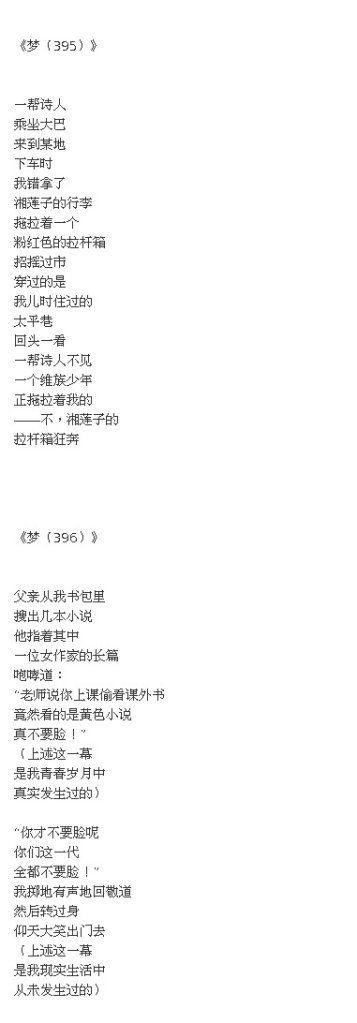
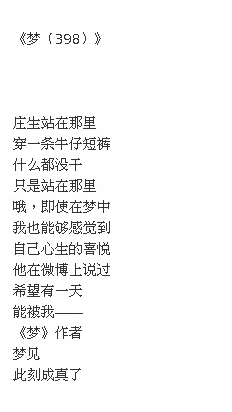
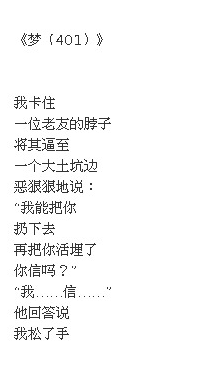
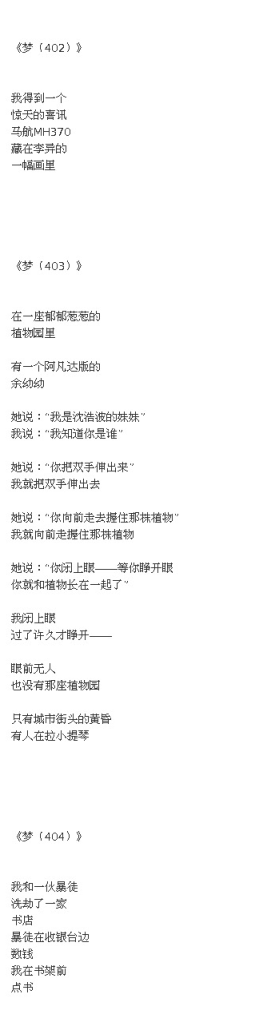

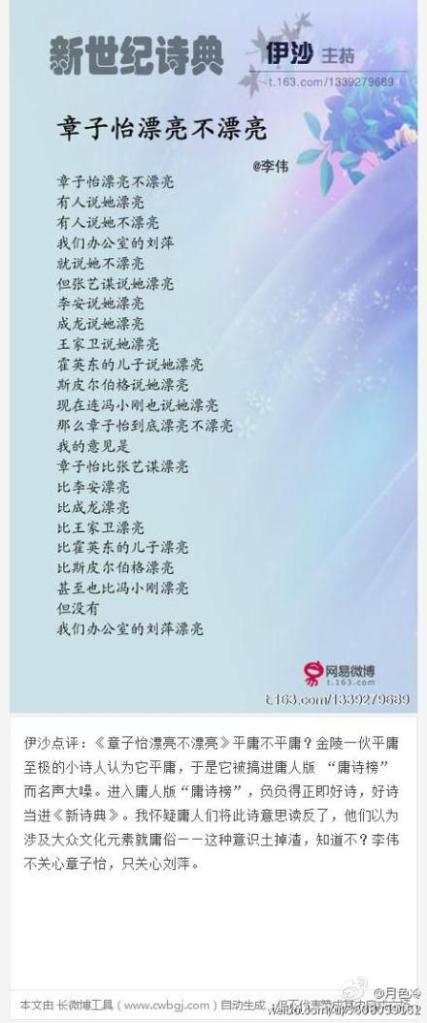





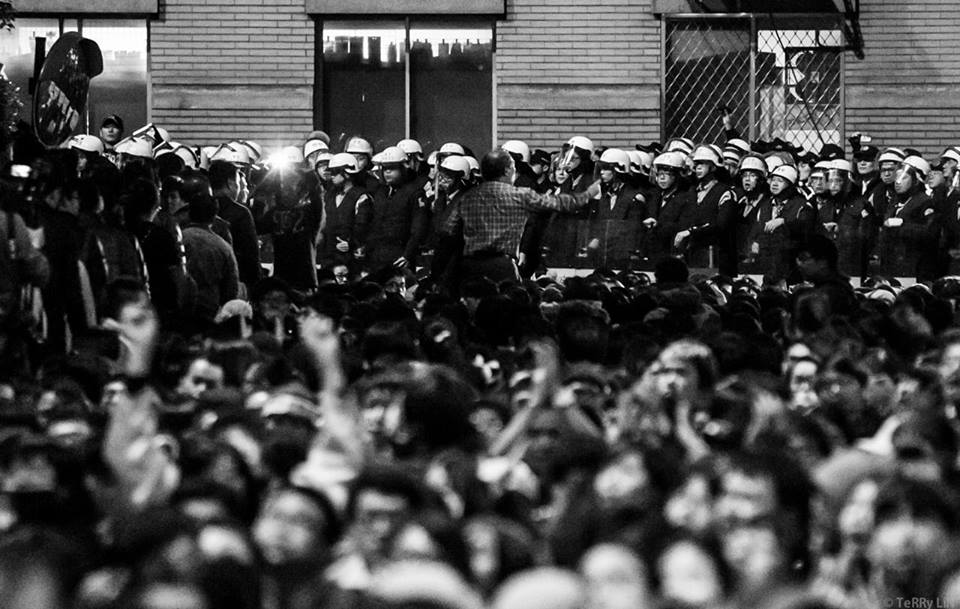
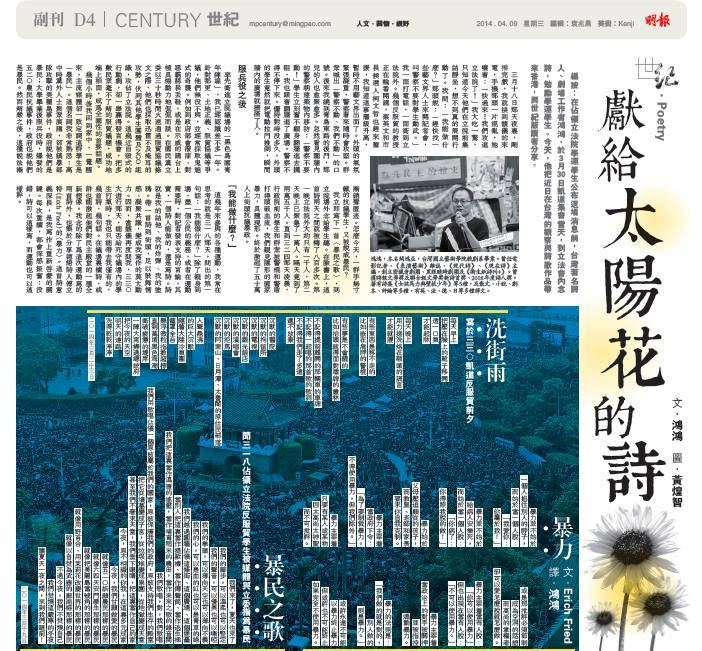

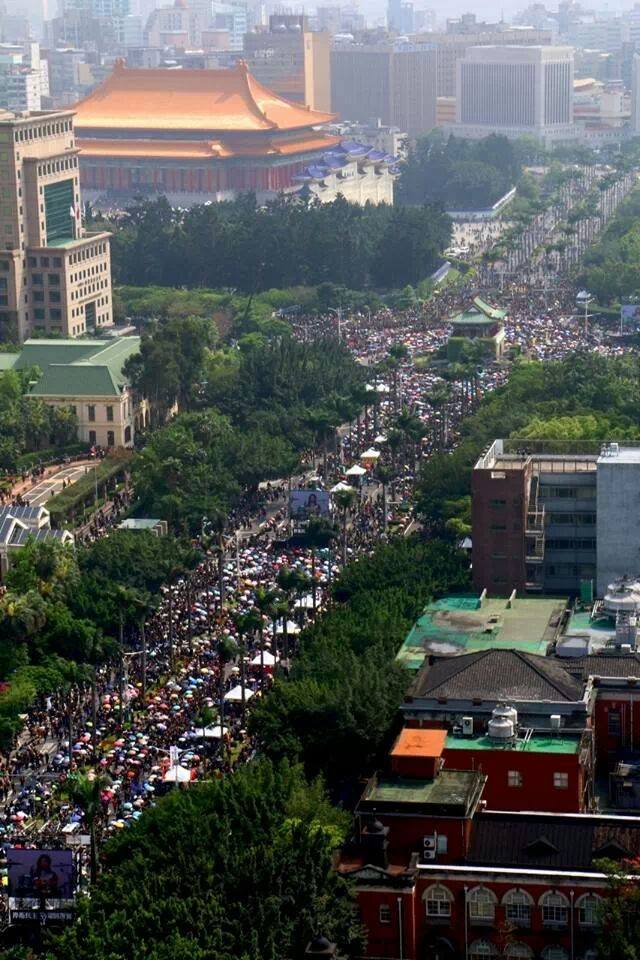

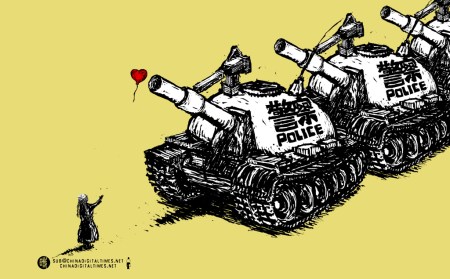



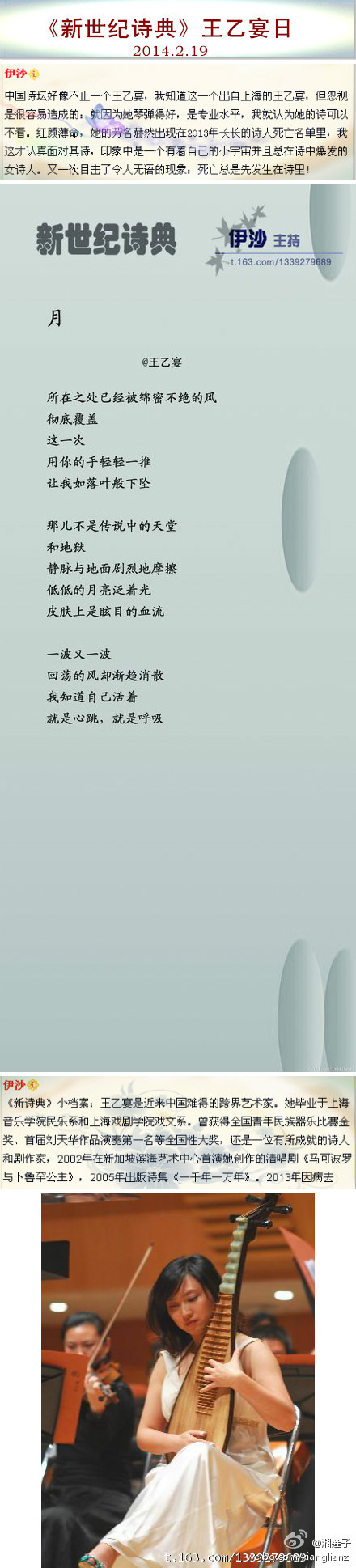

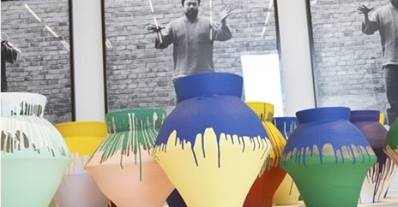


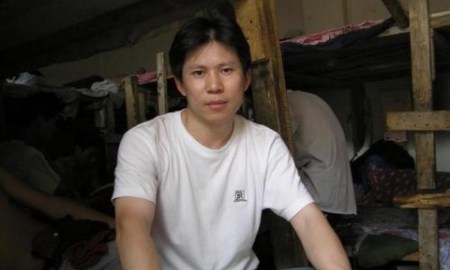

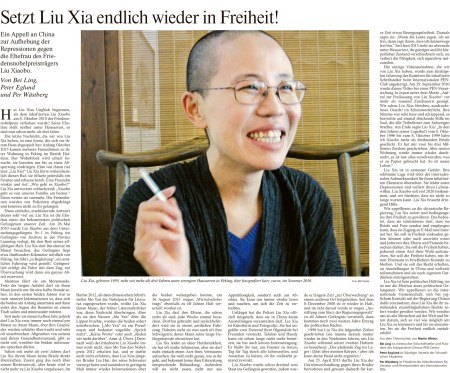
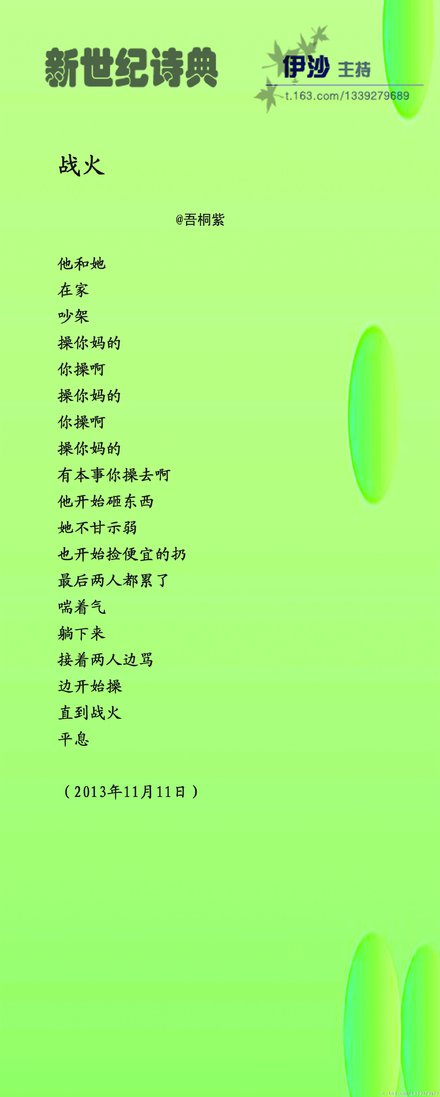


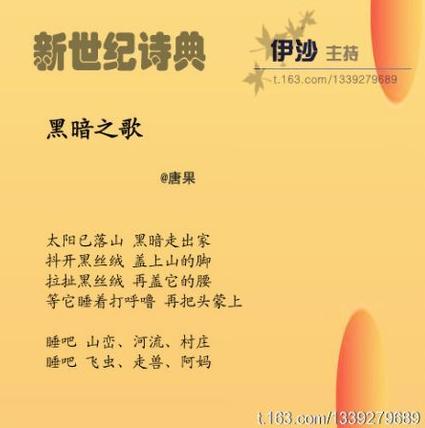
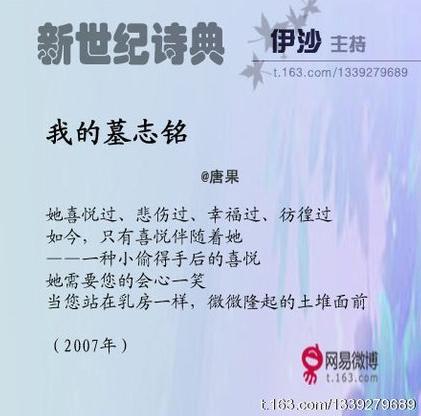



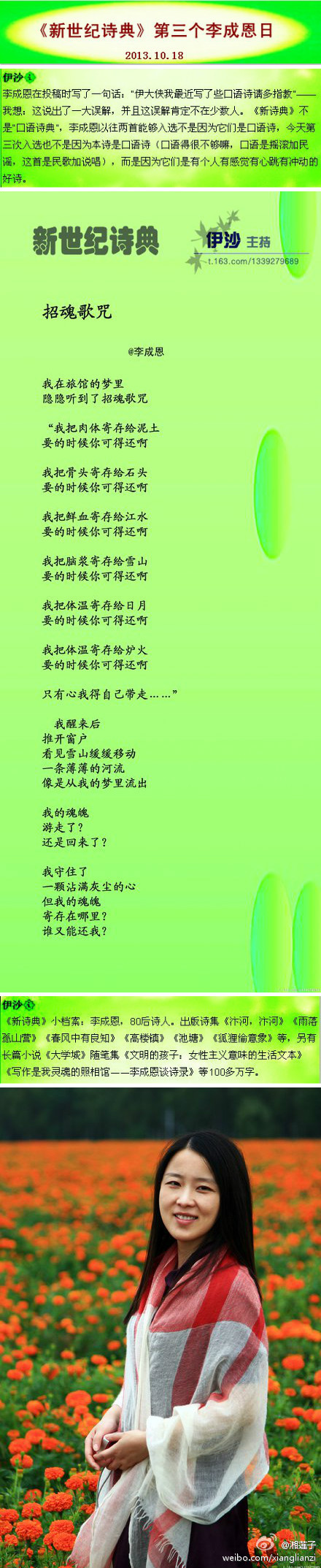



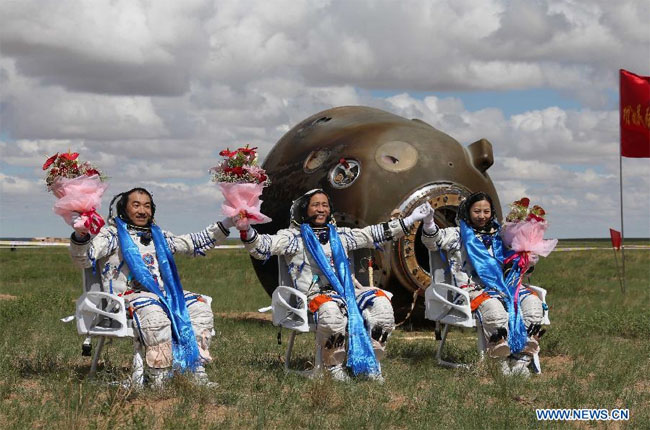

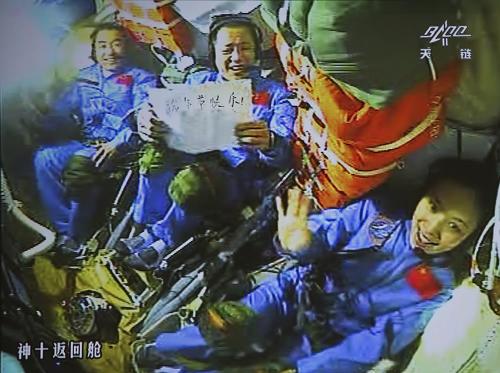


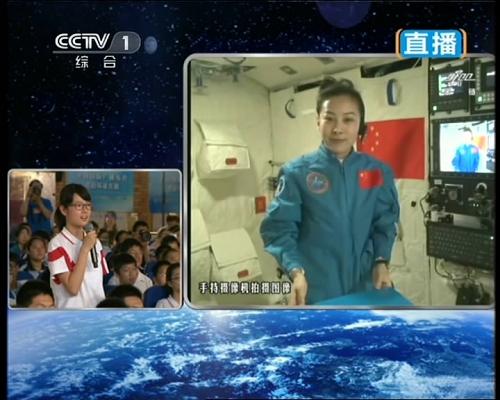





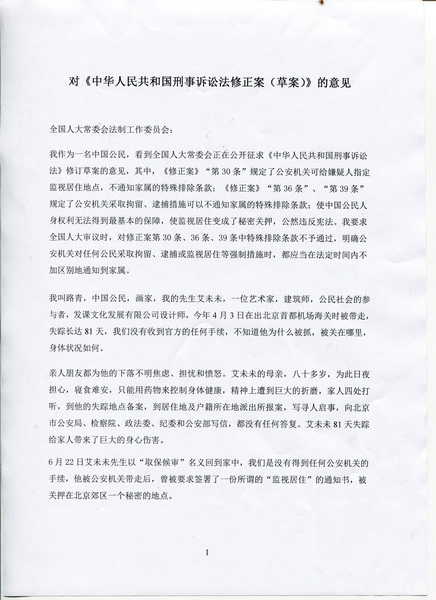



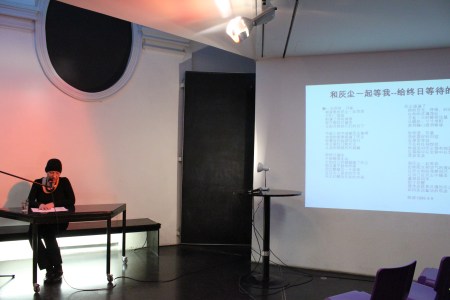





 中国大好き
中国大好き 