Posts Tagged ‘memory’
11月 21, 2014
伊沙
《傍晚的一个瞬间》
一群少年
在围打一个
年轻的漂亮女人
用拳脚
用石块
那是在法国南部
乡村的土路上
抑或是西西里岛
发生的一幕情景
我是忽然在电视上
看到这组镜头
在傍晚的一个瞬间
并知道那是一部电影
当时因为还有别的事
我不可能再看下去了
有点难受
十分难受
异常难受
我自己知道
这和镜头展现的内容无关
只是内心的感情被激起来了
因为找不到确切的理由
所以空悬着
无法落在实处
2002
Yi Sha
A SCENE IN THE EVENING
a group of teenagers
surrounding and beating
a beautiful girl
with fists and feet
with rocks
a country road
in southern france
maybe on sicily
just this one scene
seen on tv
it was in the evening
and I knew it was a movie
I had other things to do
so I could not go on watching
a little sick
all the way sick
abnormally sick
I know what I felt
had nothing to do with the content they showed
but something was kindled inside
I could not pinpoint a reason
I was left hanging
with no place to land
2002
Tr. MW, Nov. 2013
标签:beauty, china, Europe, film, heart, memory, mind, poetry, TV, violence, youth
发表在 November 2014, poetry, Translations, Uncategorized | Leave a Comment »
11月 16, 2014

Jun Er
RAT-NOTES
the money my mother gave to me and my brother
that was never enough
she hid in the wood stack in the store room
after a while she thought of looking
rats had bitten three bills
into weird crescent shapes
I took them into the city
to the bank
the bank attendant let me tape them
when I taped half a bill together
he gave me half of the money
300 yuan in rat-notes
became a new bill of 100 yuan
I held it up to the sun
it was real, a brand new portrait
of the great man
Tr. MW, Nov. 2014
标签:bank, banknotes, bills, brother, city, history, Jun Er, life, memory, money, mother, poetry, rats, sun, wood, 君儿, 新世纪诗典
发表在 November 2014, poetry, Translations, 新世纪诗典 | 1 Comment »
11月 12, 2014
 late news, late news! morning has early news, evening has late reports, not that nothing is reported, all will come around in time …
THANKS TO YI SHA AND EVERYONE AROUND VERMONT STUDIO CENTER IN OCTOBER 2014!
LATE NEWS
LATE NEWS,LATE NEWS!
morning has its morning papers
early news has early returns
late news may have
its late revenge
MW 1998-2015
Here is a link to our reading at Vermont Studio Center on SoundCloud. 伊沙、维马丁在美国佛蒙特创作中心朗诵的录音
标签:calling, karma, media, memory, news, poetry, retribution, street stalls, yi sha, 新世纪诗典
发表在 November 2014, October 2014, poetry | Leave a Comment »
11月 12, 2014
Yan Li
SONG OF THE VICTIMS
at all sorts of places
in many seasons they become victims
on streets on both sides of bridges
inside races and systems,
cities and villages
within knowledge even outside the internet
oh yes
life goes on at the site of the victims
and high tech must be present
so their suffering
is always refreshed
even bystanders are
refreshed, becoming victims
Sept. 2014
Tr. MW, Nov. 2014
标签:1989, beijing, china, death, internet, life, memory, poetry, technology, victims, Yan Li, yi sha, 新世纪诗典, 严力
发表在 November 2014, September 2014, Translations, Uncategorized | Leave a Comment »
10月 27, 2014
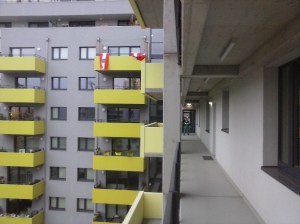
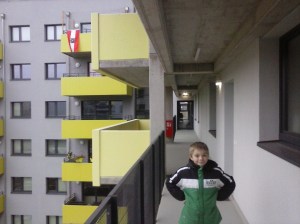
RETURN TO VIENNA
viennese is the ugliest language
I cannot really tell it apart
vienna was the city of hitler
the city of schirach
vienna was once a city of jews
I am from vienna
viennese is the most beautiful language
vienna was the city of freud
a city of music
I know exactly how it should sound
MW Oct. 2014
标签:austria, beauty, dialect, family, history, language, memory, music, nation, national day, patriotism, Sigmund Freud, soul, ugliness, Vienna
发表在 October 2014, poetry, Uncategorized | Leave a Comment »
10月 23, 2014

Photo by Michael Gessner
Yi Sha
READING AT TUCSON POETRY FESTIVAL: OCT. 25th, 2014
1) 《车过黄河》 CROSSING THE YELLOW RIVER
2) 《9/11 心里报告》 9/11 REPORT FROM THE COUCH
3) 《中国底层》 CHINA DOWN AT THE BOTTOM
4) 《性爱教育》 SEX EDUCATION
5) 《在美国使馆遭拒签》 HAVING MY VISA REFUSED
6) 《二 泉映月》 THE MOON REFLECTED IN SECOND SPRING
7) 《烟民萨达姆》 SADDAM THE SMOKER
8) 《进入美国》 ENTERING AMERICA
9) 《佛蒙特创作中心》 VERMONT STUDIO CENTER
10) 《一年》 ONE YEAR
11) 《在美国再忆钟品》IN AMERICA, THINKING OF ZHONG PIN
12) 《隔壁的歌声》 SONG FROM NEXT DOOR
13) 《梦(442)》 DREAM #442 (it is winter/ I’m in an internet cafe/ …)
14) 《佛州吟》 SONG OF VERMONT
15) 《烦人的鲁奖》 GODDAMN LU-PRIZE
Presented by Tucson Poet Laureate Rebecca Seiferle!
Bentley’s House of Coffee and Tea, 6-8 pm

photo by Michael Gessner
4
Yi Sha
SEX EDUCATION
One of our travels
We didn’t get out very much –
Nine years ago. Led us to Qingdao –
A summer of love
Sand castles, writing on rocks
Fresh clams in small restaurants
Very cheap. I remember
We lived in a school
A hotel for the summer
It was our summer of
Watching movies together
One night we sat
In the video room
All the way until morning
There was a flick about all kinds of fish
We were attracted
And then we felt
Shaken without compare
There was a fish called salmon
They had this one time
Of uninhibited communion
At the end of their lives
Fish of great beauty
Nine years ago
We don’t remember
How great it was
But no-one forgets
The pain at the end
1997
Tr. MW, 2014/2
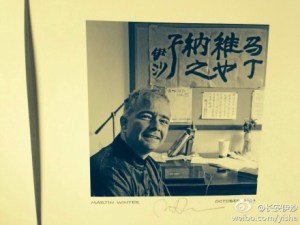
Photo by Howard Romero
伊沙
《性爱教育》
那是我们不多的
出门旅行中的一次
九年前 在青岛
那是属于爱情的夏天
海滩上的砂器和字迹
小饭店里的鲜贝
非常便宜 记得
我们住在一所
学校里 在夏季
它临时改成了旅店
那是我们共同的
爱看电影的夏天
一个晚上 我们
在录像厅里
坐到了天亮
一部介绍鱼类的片子
吸引了我们
使我们感到
震惊无比
那种鱼叫三文鱼
一种以一次
酣畅淋漓的交媾
为生命终结的
美艳之鱼
九年了
我们没有记住
它的美丽
只是难以忘记
这种残酷的结局
1997
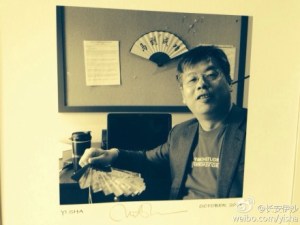
Photo by Howard Romero

photo by Howard Romero
标签:9/11, america, Arizona, art, beauty, china, class, diplomacy, dreams, education, fish, friendship, life, memory, pain, people, performance, poetry, Qingdao, reading, Rebecca Seiferle, Saddam Hussain, sex, song, tibet, travel, Tucson, USA, vermont, Vermont Studio Center, visa, writing, yi sha, 伊沙
发表在 October 2014, poetry, Translations, Yi Sha, 伊沙 | Leave a Comment »
10月 19, 2014
Yi Sha
IN BURLINGTON AUF DER STRASSE
in burlington auf der straße
muss ich daran denken
wie ich vor 12 jahren
nach nordeuropa kam
das erste mal im ausland
das gleiche gefühl
hier wohnen die leute
so viele im wohlstand
im eigenen holzbaukasten
fast wie im märchen
ich denk an meine leute
mietsklaven sind wir ein ganzes leben
nur um unser plätzchen zu finden
im bienenstock in einem wohnblock
12 jahre später
hör ich das vaterland ist so viel stärker geworden
ich will plötzlich heulen ….
vaterland, in zwei tagen
ist dein geburtstag
auch ich war stolz
das du groß und stark bist
ich hab mitgesungen
jetzt kannst du mir erlauben
dass ich mich schäme
dass ich traurig bin
28. September 2014
Übers. v. MW, 2015
Yi Sha
ICH SCHWÖRE
wer ganz ohne zweifel
als guter mensch gilt
von allen anerkannt
du
er
oder sie
wag es und zeig mir einen
sofort kann ich sagen
ihr seid schlechte menschen
in einer hinsicht
Sept. 2014
Übers. v. MW, 2015
Yi Sha
I SWEAR
whoever is acknowledged by all
without any doubt
as a good person
you
him
or her
as soon as you dare
to point out one
I can say each of you
is a bad person
in that point at least
Sept. 2014
Tr. MW, Oct. 2014
Yi Sha
ERKANNT
am frühen morgen
auf fremden straßen im ausland
sie machen ihre übungen
du gehst ihnen entgegen und jeder grüßt dich
wer dich ignoriert
hat ein gesicht aus ostasien
kein japaner
kein koreaner
auch kein taiwaner
keiner aus hongkong
es ist auf jeden fall jemand wie du
vom chinesischen festland
ihr seid wie hunde
erschnuppert den duft den ihr gemein habt
“an den rändern des himmels, den klippen der erde
muss ich euch noch treffen
ein rudel hundsfötter
stinkender
heuschrecken!”
28. Sept. 2014
Übers. v. MW, 2015
Yi Sha
RECOGNIZED
early morning
walking on foreign streets
people doing their exercise
when you walk up everyone greets you
the only one who doesn’t look at you
he must be asian
not a japanese
not a korean
not a taiwanese
not a hongkonger
he could only be your compatriot
from the great chinese mainland
just like a dog
sniffs out the one scent we’ve in common
“what the fuck for have I made it all the way here
to the edge of the world
so I can run into
one stinking swarm of you
locusts!”
Sept. 28, 2014 in Burlington, Vt
Tr. MW, Oct. 2014 in Johnson, Vt
Yi Sha
DREAM 452
my high school friend huang wenzhen
lives in melbourne, australia
last night I dreamed of her
she sits in a park
in the middle of a street
in australia
her clothes are all black
just like a witch
knows everything in the universe
I walk up to her
I’m sitting down
facing her
I ask her
what happened exactly
that time in our puberty
Sept. 2014
Tr. MW, Oct. 2014
Yi Sha
DREAM #453: ON THE RUN
I am on the run
I run to my relative
he gives me a key
I can stay in his backyard
in a house made of glass …
I run to a woman
she is all smiles and takes me with her
to go see her husband
who is the kitchen chef
at public security …
I am crying
on the street in pouring rain
a helpless child
bawling
all through the rain
Sept. 2014
Tr. MW, Oct. 2014

标签:anthem, apartment, compatriots, dog, dreams, exercise, knowledge, living, locusts, memory, morning, national day, poetry, principle, recognition, scent, school, sniff, travel, yi sha, 伊沙
发表在 October 2014, poetry, September 2014, Translations | Leave a Comment »
10月 16, 2014

BLUMEN
die blumen auf meinem tisch sind für dich
die blumen auf meinem tisch sind für dich
sie sind für meine oma
für meine frau
für meine mutter
für meine tochter
für jede frau die blumen mag
die blätter wiegen sich auf den bäumen
die blätter werden noch einmal rot
die blätter treiben den fluss hinunter
die blätter kommen
auf dem dachfirst sitzen die tauben
am strand in der früh
glänzen die steine wie karamell
der fluss ist klar
gestern hab ich gebadet
es gibt reiher und enten und andere vögel
wildgänse ziehen
hoch oben nach westen
im wald ist ein wasserfall
und dann noch einer den bach hinauf
wo wir wohnen ist eine schule
volkschule hauptschule und noch ein college
man sieht hoch übers tal
in einem geschäft bald nach der tankstelle
gibt es eine küche für frisches essen
dort hängt eine uhr
die geht nach links
die ziffern verkehrt
die hängt schon lange
die leute wissen nicht wo sie herkommt
die blumen auf meinem tisch sind für dich
MW October 2014
标签:beach, birds, caramel, clock, college, direction, ducks, fall, flowers, food, forest, geese, grandmother, heron, leaves, left, love, memory, morning, mother, mourning, pigeons, river, rocks, school, swimming, valley, waterfall, wife, women
发表在 October 2014, poetry, Uncategorized | 1 Comment »
10月 16, 2014

FLOWERS
the flowers on my desk are for you
the flowers on my desk are for you
they are for my granny
for my wife
for my mother
any woman who likes them
the leaves are rocking up in the trees
they get red one more time
they float down the river
the leaves are coming
the pigeons are on top of the roof
in the morning
caramel rocks wet on the beach
the water is clear
yesterday I went in again
herons, kingfishers, ducks, other birds
wild geese migrate
high up in formation
why are they going west
not straight south?
in the woods there is a waterfall
up the brook there’s another
where we stay there’s a school
elementary, high school, state college
from the college up on the hill
you see the whole valley
in a store after the gas station
you can get breakfast, fried stuff and such
at the counter they have a clock
clock goes the left way
numbers all backwards
people there say they don’t know where it came
the flowers on my desk are for you
MW October 2014

标签:autumn, beach, birds, breakfast, caramel, clock, college, direction, ducks, fall, family, fish, flowers, geese, heron, kingfisher, leaves, left, love, memory, numbers, people, pigeons, poetry, river, rocks, school, south, time, water, west, women
发表在 October 2014, poetry, Uncategorized | Leave a Comment »
10月 16, 2014

BUSINESS TRIP
at the door
she kissed me
put her tongue on mine
to remind us
of unfinished business
MW Sept. 28, 2014
标签:business, BUSINESS TRIP, kiss, memory, play, poetry, tongue, travel, trip, unfinished business, work
发表在 October 2014, poetry, Uncategorized | Leave a Comment »
10月 9, 2014
MARTIN WINTER: SUNDAY 0CT. 5TH 2014 VERMONT STUDIO CENTER READING
Here is a link to our reading at Vermont Studio Center on SoundCloud. 伊沙、维马丁在美国佛蒙特创作中心朗诵的录音
JEWISH QUARTER ON A SUNDAY
SEPTEMBER MORNING
BRNO: PETER AND PAUL CATHEDRAL
IMAGINE
HOPE YOU HAD A HAPPY MOON
晚报! 晚报!早有早报,晚有晚报。不是不报,时间未到!
CHAIRMAN, THERE IS NOTHING TO DESCRIBE, THERE IS NOTHING, THE WORLD, ANNABELLE ……

JEWISH QUARTER ON A SUNDAY
the organ and the choir begin
the people on the house are dead
the people at the bank are dead
the people at the post are dead
the houses in the town are old
the alleys and the streets are old
the organ and the choir begin
the children from the town are dead
the old ones from the town are dead
the women from the town are dead
the menfolk from the town are dead
the organ and the choir begin
the angels in the church are dead
the figures in the light are dead
the figures in the dark are dead
the alleys and the streets are old
the houses in the town are old
the organ and the choir begin
MW in Prague, Oct. 2011
《礼拜天的犹太区》
风琴和唱诗班开唱
房子上的人死了
银行里的人死了
邮局里的人死了
城里的房子旧了
大街和小巷旧了
风琴和唱诗班开唱
镇上来的孩子死了
镇上来的老人死了
镇上来的女人死了
镇上来的男人死了
风琴和唱诗班开唱
教堂里的天使死了
光明中的使者死了
黑暗中的雕像死了
大街和小巷旧了
城里的房子旧了
风琴和唱诗班开唱
2011.10.布拉格
(伊沙 译)
标签:beijing, Europe, history, life, love, memory, military, moon, music, poetry, reading, religion, travel
发表在 October 2014, poetry, Translations, Welcome! | Leave a Comment »
10月 7, 2014
YI SHA: SUNDAY OCT. 5TH 2014 VERMONT STUDIO CENTER LECTURE HALL READING
9/11 REPORT FROM THE COUCH
CHINA DOWN AT THE BOTTOM
SEX EDUCATION
HAVING MY VISA REFUSED AT THE AMERICAN EMBASSY
(ENTERING AMERICA, DREAM #442, ONE DAY CROSSING THE SQUARE, GOING HOME FOR LUNAR NEW YEAR, THE PEOPLE ….)
 Yi Sha
9/11 REPORT FROM THE COUCH
Ist second: mouth barn-door open
2nd second: wooden-chicken stiff
3rd second: couldn’t believe it
4th second: it must be true
5th second: what a great fire
6th second: well they deserve it
7th second: this is retribution
8th second: these buggers have guts
9th second: must be their religion
10th second: before I realize
my own little sister
lives in new york
I need a telephone
long distance call!
can’t get a connection!
I go storming for a computer
where is the internet
typing out characters
writing an email
shaky fingers
“sister, sister!
are you alive?
your elder brother is worried sick!”
2001
Tr. MW, Oct. 2014
伊沙
《9.11心理报告》
第1秒钟目瞪口呆
第2秒钟呆若木鸡
第3秒钟将信将疑
第4秒钟确信无疑
第5秒钟隔岸观火
第6秒钟幸灾乐祸
第7秒钟口称复仇
第8秒钟崇拜歹徒
第9秒钟感叹信仰
第10秒钟猛然记起
我的胞妹
就住在纽约
急拨电话
要国际长途
未通
扑向电脑
上网
发伊妹儿
敲字
手指发抖
“妹子,妹子
你还活着吗?
老哥快要急死了!”
(2001)
Here is a link to our reading at Vermont Studio Center on SoundCloud. 伊沙、维马丁在美国佛蒙特创作中心朗诵的录音
标签:9/11, art, catastrophies, family, memory, October 2014, poetry, politics, yi sha
发表在 October 2014, poetry, Translations | 1 Comment »
9月 14, 2014

Chen Moshi
PULLED DEMONS
I say, there are some films and TV-series nowadays not bad at all,
like those hand-pulled demons.
Pulling those demons comes after the demons chop down people,
comes after they are still happy from having chopped down people.
Those Japanese demons come from across the sea,
they loose their souls anyway on the long journey.
Actually, I have only seen chicken ripped apart with bare hands,
they also have duck meat in handy bits, and then pulled beef, pork, dog legs.
“Pulled demons”, must be the will of the gods.
Pulled demons, that’s really not very easy.
If we see them one day, let us have some together!
Tr. MW, Sept. 2014
标签:art, food, memory, poetry, religion, TV, war
发表在 September 2014, Translations | Leave a Comment »
8月 31, 2014
 Yi Sha
CHINA DOWN AT THE BOTTOM
Pigtail is meeting his friend at the tent.
“Bao, do you have cigarettes?”
That box of cigarettes was stolen,
just like the type 64 handgun up on the roof.
Bao sits on the bed in the construction tent.
He broke his leg when they ran with the pistol.
Bao wants to sell it
and go to the hospital to get his leg fixed.
Pigtail is all against that.
“Bao, they will take down your head!”
Bao starts to cry,
crying harder and harder: “Look at the state I’m in!”
“I haven’t eaten at all for two days.
You want my leg to stay broken?”
Now Pigtail starts crying.
He’s wiping his face: “Look at this state we’re in!”
Pigtail decides to sell the gun.
He sells the gun to Mr. Dong.
This was the beginning of a big case:
The 12/1/97 murders* in Xi’an.
On such a night everyone thinks of the murders
I think of Pigtail and of Young Bao.
These hopeless kids from the bottom of China,
this people’s poet can’t get them out of his head.
1998-1999
Tr. MW, August 2014
*This serial murder case from the beginning of 1998 was made into a TV series and broad-casted all over China in 1999 and 2000. The police gun mentioned in the poem was lost on December 1st, 1997, and the case was eventually named after that date. The police in Xi’an were pressured to solve the murders before March 31st, 1998, because US-President Clinton was coming to Xi’an in June. See John Pomfret in the Washington Post.
(http://www.washingtonpost.com/wp-srv/WPcap/2000-01/13/086r-011300-idx.html)
伊沙
《中国底层》
辫子应约来到工棚
他说:“小保你有烟抽了?”
那盒烟也是偷来的
和棚顶上一把六四式手枪
小保在床上坐着
他的腿在干这件活儿逃跑时摔断了
小保想卖了那枪
然后去医院把自己的腿接上
辫子坚决不让
“小保,这可是要掉脑袋的!”
小保哭了
越哭越凶:“看我可怜的!”
他说:“我都两天没吃饭了
你忍心让我腿一直断着?”
辫子也哭了
他一抹眼泪:“看咱可怜的!”
辫子决定帮助小保卖枪
经他介绍把枪卖给一个姓董的
以上所述的是震惊全国的
西安12.1枪杀大案的开始
这样的夜晚别人都关心大案
我只关心辫子和小保
这些来自中国底层无望的孩子
让我这人民的诗人受不了
标签:fiction, film, guns, memory, murder, poetry, police, reality, TV, weapons, yi sha, youth
发表在 August 2014, Translations, Uncategorized | 2 Comments »
8月 29, 2014
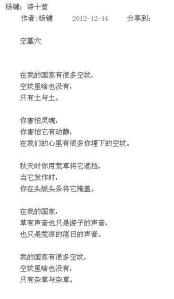
Yang Jian
EMPTY GRAVES
there are many empty graves in my country,
in empty graves nothing is there,
only earth and more earth.
you are afraid of ghosts,
you fear the ghosts are going to stir.
in our hearts we have buried those empty graves.
in autumn you cover your grave with weeds,
and when it breaks out,
you hide it right where its shows its first page.
in my country,
if the grass has a sound, it’s the sound of the wanderer,
it’s just the sunset sound in the desert.
my country is full of empty graves,
in empty graves nothing is there,
only weeds and more weeds.
2012
Tr. MW, August 2014
标签:autumn, country, death, earth, ghosts, grass, graves, memory, poetry, sound, sunset, weeds, Yang Jian, 杨健
发表在 August 2014, poetry, Translations | Leave a Comment »
8月 4, 2014
 Fei (Sex 13)
A CURSE ON THE SORRY STATE OF CHINESE POETRY – GU CHENG, HAIZI AND BEI DAO
remember gu cheng
reading in honor of gu cheng
recital in honor of gu cheng
gu cheng symposium: call for papers
remember gu cheng
gu cheng gu cheng gu cheng gu cheng gu cheng gu cheng gu cheng gu cheng gu cheng gu cheng gu cheng gu cheng gu cheng gu cheng
remember haizi
reading in honor of haizi
recital in honor of haizi
haizi symposium: call for papers
remember haizi
haizi haizi haizi haizi haizi haizi haizi haizi haizi haizi haizi haizi haizi haizi haizi haizi haizi haizi haizi haizi haizi haizi haizi haizi
searching for bei dao
reading in search of bei dao
recital in search of bei dao
symposium in search of bei dao: call for papers
searching for bei dao
bei dao bei dao bei dao bei dao bei dao bei dao bei dao bei dao bei dao bei dao bei dao bei dao bei dao bei dao bei dao bei dao bei dao
Posted 8/4/14
Tr. MW, August 2014
标签:academia, Bei Dao, boredom, death, famous, Fei, Gu Cheng, Hai Zi, Haizi, memory, notoriety, poetry, Sex 13, Weibo
发表在 August 2014, Translations, Uncategorized | 1 Comment »
7月 22, 2014
Zhao Siyun
LONG LIVE CHAIRMAN MAO
the former camp of the production brigade
has become our ancestral hall
we say the Zhao family temple
when I was small
every time I passed this place
I felt its mystery
people’s commune and county leaders would often gather
alcohol fumes drift through the air
none of us dared to steal a look at those dignified faces
at the spotted western wall
five classic characters written in lime:
LONG LIVE CHAIR-MAN MAO
solemn and serious
I thought there must be many officials in the whole country called Chairman Mao
and wondered if there was one in our production brigade
Tr. MW, July 2014
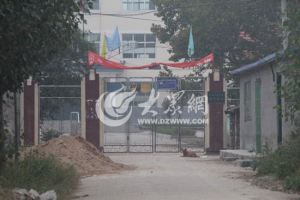
赵思运
毛主席万岁
昔日的生产大队驻地
如今成了我们赵家的祠堂
也就是常说的家庙
小时候
每次经过那里
都感到很神秘
常常有公社里的人还有县里的人来喝酒
酒香弥漫缭绕
我们谁也不敢伸头去看看那些人物的尊容
斑驳的西墙上
五个宋体石灰大字
毛主席万岁
端庄肃穆
我以为全国有很多叫毛主席的大官儿
还在想
我们的生产大队里是不是也有一个毛主席
标签:alcohol, chairman, chairperson, childhood, history, leaders, memory, mystery, officials, people's commune, production brigade, Zhao Siyun
发表在 July 2014, Translations, Uncategorized | Leave a Comment »
7月 13, 2014
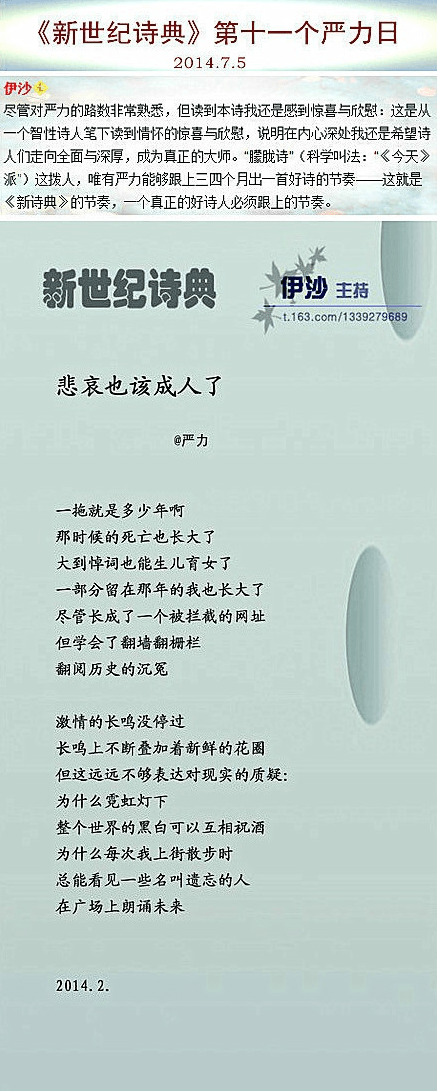
Yan Li
EVEN GRIEF HAD TO GROW UP
you leave it, it drags on for how many years
deaths from that time, they have grown up too
obituaries are old enough to have kids
part of me I left in that year also grew
although it became a website that’s blocked
but I have learned to scale the great firewall
and leaf through injustice buried in history
outbursts of wailing have never stopped
on top of the wails there are always new wreaths
all are inadequate for my suspicions about reality:
why can dark and light of the world
toast each other under the neon lamps
why is it every time I take a walk on the street
I always see people whose names are forgotten
reciting the future there on the square
February 2014
Tr. MW, July 2014
标签:censorship, death, history, light, memory, poetry, reality, square, street, tam25, world, Yan Li, 严力
发表在 July 2014, Translations | Leave a Comment »
7月 5, 2014
Yi Sha
GOING HOME FOR LUNAR NEW YEAR
in our red china
a household of four generations of scholars
could end up deep
in a slum
and so in my youth
I had it wild
wilder than kids of labor-camp inmates
at least I knew what was going on
on the first morning in the lunar new year
I took a walk through the old streets
they even looked
just like before
standing there I suddenly realized
my pals from back then had no time to grow up
most of them were caught in a crackdown
and sent up to heaven
2003
Tr. MW, July 2014
伊沙
过年回家的路上
在我红色中国
四代书香之家
也可以坐落在
贫民窟的深处
使我的少年时时代
比劳改犯的儿子
还要野蛮
野蛮又不蒙昧
大年初一的早上
当我信步走过那老巷
发现它们还保持着
过去的模样
当时我站在那里
不免怔怔地想
我儿时的伙伴来不及成长
他们大都被镇压到了天上
2003
标签:academics, children, crackdown, death, heaven, labor camp, memory, new year, poetry, slum, streets, youth
发表在 2003, July 2014, Translations, Uncategorized | 1 Comment »
6月 27, 2014
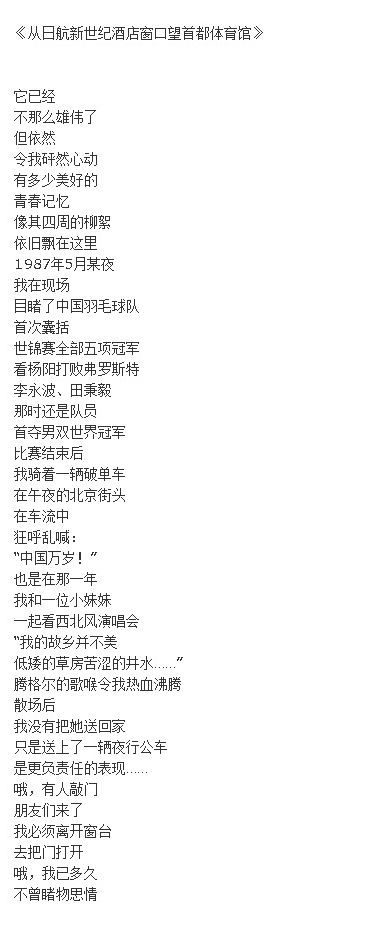
Yi Sha
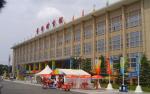
WATCHING THE BEIJING CAPITAL INDOOR STADIUM FROM A WINDOW OF THE JAPAN AIRLINES NEW CENTURY HOTEL
It isn’t as grand
as it was before;
but still my heart
goes pounding.
So many beautiful
youthful memories;
like the willows around it,
they are still blowing.
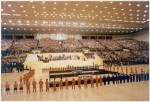
One evening in May, 1987
I was here watching the game
when the Chinese badminton team
won all five world championship titles
for the first time.
I saw Yang Yang beat Morten Frost
Li Yongbo and Tian Bingyi
They were still in the team
and won the men’s doubles for the first time.
After the games
I rode a shoddy bicycle
through Beijing’s midnight streets
shouting and screaming
“Long live China!”
in between the traffic.
In the same year
I went with a girl
to the Northwest folk rock concert
“My hometown is not beautiful,
low straw houses, bitter well water …”
Tengger’s voice, my blood went boiling.
After the concert
I didn’t bring her home,
just up to the night bus;
that was the more responsible way …
Oh, someone’s knocking,
my friends are here.
I have to leave the window
and open the door.
Oh, I haven’t thought
of that time for a while.
Tr. MW, June 2014
标签:1980s, 1987, badminton, beijing, culture, feelings, folk music, memory, music, night, patriotism, pop music, rock music, sport, youth
发表在 June 2014, May 2014, Uncategorized | 1 Comment »
6月 24, 2014
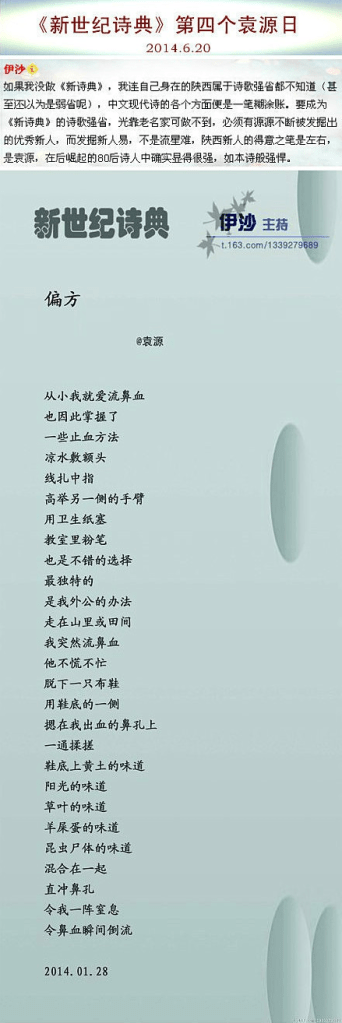
Yuan Yuan
FOLK REMEDY
Prone to nosebleed since I was small
I have a few methods
to stop the blood.
Ice-cold water on the forehead;
middle finger tied at the base;
raise up your hand on the other side;
block your nose with tissue paper.
It might also be a good choice
to use chalk from the blackboard.
The most unique method
comes from my grandfather, my mother’s father.
Up in the hills or in the fields
suddenly my nose was bleeding.
He never panicked,
took off one shoe (those shoes made from cloth),
one side of the sole
he pressed on my nostril
and kept rubbing.
From the sole, a taste of mud;
a taste of sunlight;
a taste of grass;
a taste of sheep droppings;
a taste of dead insects;
stirred up together
right up my nostril.
I choked and gasped,
the blood shot back up.
2014-01-28
Tr. MW, June 2014
标签:blood, countryside, description, earth, family, folk medicine, grass, health, insects, light, medicine, memory, methods, narrative, nosebleed, nostalgia, poetry, prescription, recipe, sheep, shoes, sunlight, taste
发表在 June 2014, Uncategorized | Leave a Comment »
6月 16, 2014
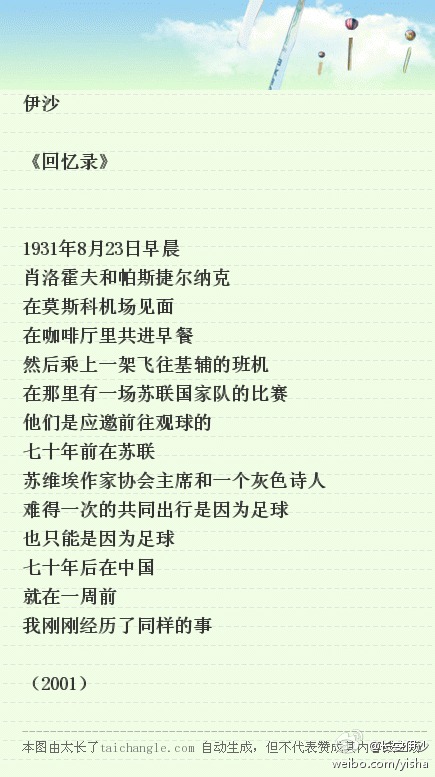
Yi Sha
MEMOIR
on august 23rd 1931
sholohov and pasternak
sat down together for breakfast
at moscow airport
before bording a plane bound for kiev
to watch the soviet soccer team
they were invited
70 years ago in the soviet union
the official writer’s association chairman
and a dubious poet
the only time they went out together
it was all in the name of soccer
70 years later in china
one week ago
I had the same experience
2001
Tr. MW, June 2014
Yi Sha
MEMOIREN
am 23. august 1931
saßen scholochow und pasternak
am moskauer flughafen
im kaffeehaus zusammen beim frühstück
dann stiegen sie in ein flugzeug nach kiew
dort spielte das sowjetische team
sie waren beide eingeladen
vor 70 jahren in der sowjetunion
der präsident des autorenverbandes und ein dichter der grauzone
auf dieser einen gemeinsamen reise
und nur für den fußball
siebzig jahre später in china
vor einer woche
hatte ich die gleiche erfahrung
2001
Übersetzt von MW im April 2014
标签:airport, breakfast, china, football, history, literature, memory, poetry, soccer, soviet union, state, travel, writers, writers' association, yi sha, 伊沙
发表在 June 2014, poetry, Translations, Yi Sha, 伊沙 | 2 Comments »
6月 13, 2014
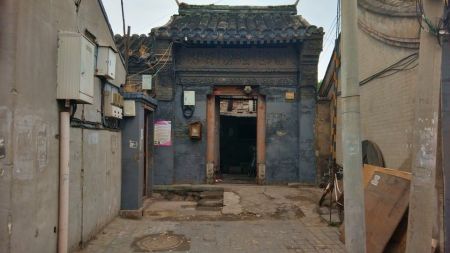
photo by Ambrebalte
Yi Sha
ONE DAY, CROSSING THE SQUARE
caught by a whiff of salty fish
I know I have entered the square
the biggest fish market in town
is on the south side
so the square has been reeking
all through the years
at the east is the science museum
never been in there
don’t know what they have
young pioneers palace is on the west side
I sneaked in alone
when I was 14
to see the human body display
I stood in front of a model
of female sexual organs forever
without understanding
now I’ve come to the north of the square
they call it the front side
from a double decker window
I can see everything
the province government building
looks quite imposing
up there my wife whiled her hours away
for shabby pay
the square – concrete slabs and some grass
they are lowering the flag
it’s at the middle now
looks like half-mast
22 years ago in september
we were standing here mourning
the former leader who had just died
red kerchiefs and our young faces
drenched in icy autumn rain
our white-haired principal
standing there howling through wind and rain
“What will happen to China?”*
I can see the whole scene
now I see the spectators gleaming
in the sunset
a heap of tangerines
I see two people
have left the ranks
they are two grown-up men
holding hands
running towards the east of the square
and my bus keeps going west
so I can’t make out
where they might be going
1998
Tr. MW, June 2014
*“What will happen to China?”, literally “Whither China?”, “Where is China going?”, in Chinese Zhongguo Xiang He Chu Qu 中国向何处去 was the title of a political essay published in Big Character Posters in 1968, written by the 19-year-old Yang Xiaokai 杨小凯 who was sentenced to 10 years in prison for his text. In the end he became an economist and taught at universities in China, USA and Australia (online sources).
Compare this poem to Ouyang Jianghe’s 欧阳江河 CROSSING THE SQUARE AT DUSK 傍晚穿过广场
伊沙
某日经过广场
一股臭咸鱼的味道袭来
说明我已开始进入广场
全市最大的水产市场
在它的南端
所以它经年
都被这种不良气味笼罩
东侧是科技馆
我从未进去过
不知道里面有什么
而西侧是少年宫
初三那年我一个人
偷偷溜进去
去看人体奥秘的展览
我在一副女性生殖系统的
模具前站了很久
最终还是没有看透
现在我已到了广场的北端
也就是人们所说的正面
我在双层巴士的窗口
把一切看得都很清楚
北面的省府大楼
还算雄伟庄严
我老婆曾在上面混过
嫌钱少得可怜
广场——草坪和水泥方砖
相间的广场上正在降旗
旗子降至一半
像下半旗
二十二年前的九月
我们曾在这里追悼过
刚刚辞世的前领袖
年少的脸和红领巾
被冰凉的秋雨打湿
白发苍苍的老校长
站在凄风苦雨中嚎哭
“中国向何处去?”
当时的情景历历在目
现在我看到围观的人群
在夕阳的光照下
像一堆桔子
我还看到有两个人
已经脱队
是两名成年男子
手牵着手
向广场的东侧跑去
车子向西开远
我没有看清
他们究竟是去了哪里
1998
Yi Sha
ÜBER DEN PLATZ, EINES TAGES
ein gestank nach salzigem fisch
sagt mir ich bin auf den platz vorgedrungen
der größte fischmarkt der stadt
ist im süden des platzes
deshalb ist er durch die jahre
von diesem geruch durchweht
im osten steht das technische museum
ich bin nie hineingegangen
weiß nicht was es drinnen gibt
im westen steht der jugendpalast
einmal schlich ich mich hinein
als 14jähriger schüler
es ging um das geheimnis des körpers
ich stand sehr lange vor einem modell
weiblicher fortpflanzungsorgane
ich blickte auch am ende nicht durch
jetzt bin ich schon am nordrand des platzes
man sagt hier die vorderseite
aus einem doppeldeckerfenster
kann ich alles überblicken
das provinzregierungsgebäude
erhebt sich doch recht stattlich
meine frau war dort oben beschäftigt
für kümmerlichen lohn
über den platz – gras und betonziegel
man lässt gerade die fahne hinunter
sie ist bei der hälfte
sieht aus wie auf halbmast
im september vor 22 jahren
standen wir in trauer hier
der frühere staatsführer war grad gestorben
junge gesichter mit roten halstüchern
im eisigen herbstregen
der schuldirektor mit weißen haaren
stand heulend und jammernd im wind und im regen
“was wird aus china?”
ich hab es noch genau vor augen
jetzt seh ich die zuseher
in der sinkenden sonne
sehen sie aus wie ein haufen orangen
ich sehe auch zwei menschen
sie haben sich schon aus der menge gelöst
es sind zwei erwachsene männer
hand in hand
laufen sie zum osten des platzes
mein bus entfernt sich nach westen
ich kann nicht erkennen
wohin sie am ende gehen
1998
Übersetzt von MW Ende 2013
标签:aroma, bus, ceremony, china, collective, comrades, directions, fish, flag, half-mast, history, individual, life, memory, poetry, sexual orientation, sexuality, square, work, yi sha, young pioneers, youth, 伊沙
发表在 June 2014, Translations, Welcome!, 伊沙 | 2 Comments »
6月 3, 2014
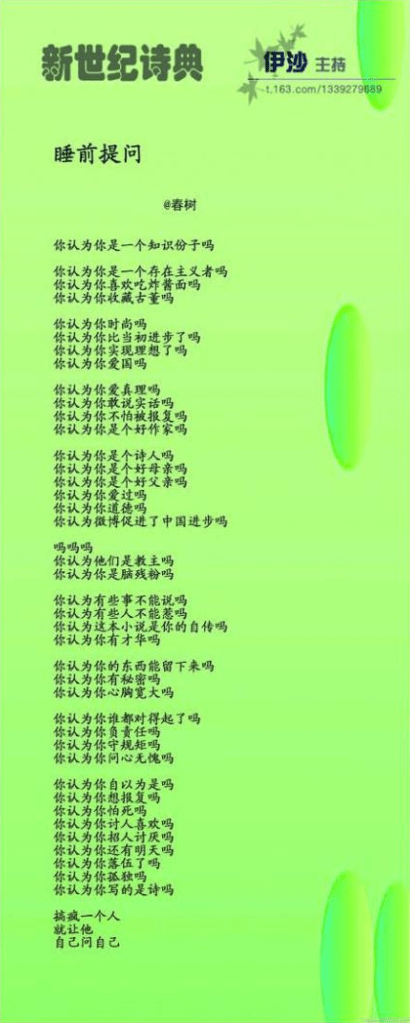 Chun Sue
QUESTIONS BEFORE GOING TO SLEEP
do you think you are an intellectual?
du you think you are an existentialist?
do you think you like to eat zha jiang mian?
do you think you are collecting antiques?
do you think you are following fashion?
do you think you have improved since you started?
do you think you have fulfilled your ideals?
do you think you’re a patriot?
do you think you love the truth?
do you think you dare to say it?
do you think you don’t fear retribution?
do you think you’re a good writer?
do you think you’re a poet?
do you think you’re a good mother?
do you think you’re a good father?
do you think you have loved?
do you think you are moral?
do you think microblogging makes China improve?
question mark mark mark
do you think they are prophets?
do you think you’re a groupie?
do you think there are things you don’t talk about?
do you think there are people you cannot offend?
do you think this novel is your autobiography?
do you think you have talent?
do you think your stuff is going to last?
do you think you have secrets?
do you think you have a big heart?
do you think you are fair to everyone?
do you think you’re responsible?
do you think you play by the rules?
do you think you have nothing to be ashamed of?
do you think you are self-important?
do you think you want revenge?
do you think you are scared of dying?
do you think you make people like you?
do you think you make people hate you?
do you think you have a future?
do you think you are falling behind?
do you think you are lonely?
do you think you are writing a poem?
this girl makes you crazy
let her go on babbling
asking herself
Tr. MW, June 2014
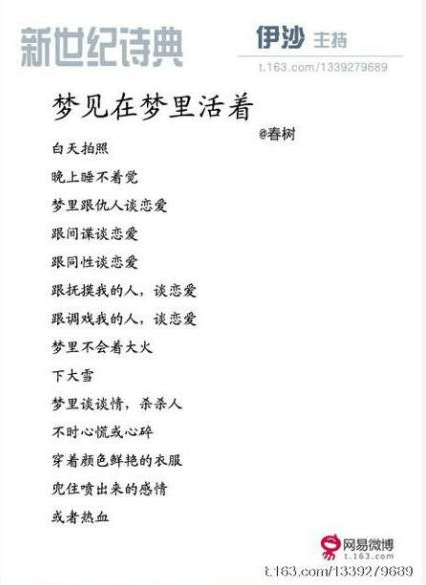 Chun Sue
DREAMING OF LIVING INSIDE A DREAM
Tr. MW, June 2014
Published in EPIPHANY magazine, fall 2014. Go on, look for this great Chinese Dream! I spent October 2014 at Vermont Studio Center with Yi Sha, editor of the daily New Century Poetry series 新世纪诗典. Chun Sue is one of the most well-known figures within this huge independent circle of poets.
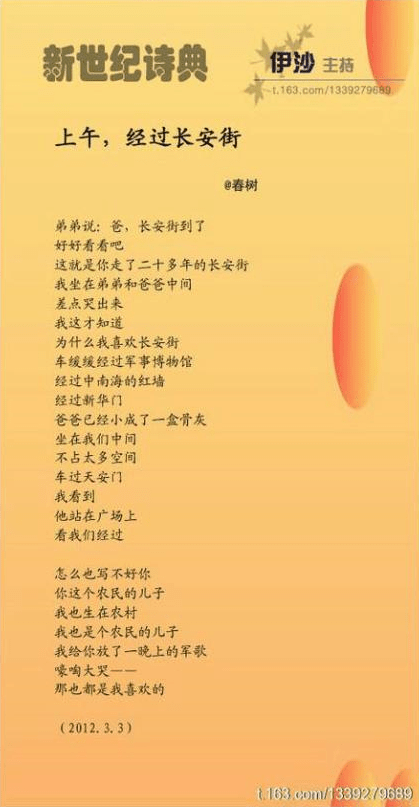 Chun Sue
MORNING, AVENUE OF ETERNAL PEACE
Little Brother says: dad, Avenue of Eternal Peace
take a good look
This is the road you walked for over 20 years
I am sitting with Papa and Little Brother
I am almost crying
Finally I know
why I like the Avenue of Eternal Peace
Slowly the car passes the Military Museum
and the red walls of Zhongnanhai
and Xinhua Gate
Papa is small now he fits in an ash box
sitting between us
doesn’t take up much space
We pass the Gate of Heavenly Peace
and I see him
He stands on the square
watching us while we’re passing
Why was it so hard to write about you
You’re the son of a peasant
I was born in a village
I am also the child of a peasant
I put on army songs for you all night
Crying my heart out —
I like all that too.
2012-03-03
Tr. MW, May 2014
标签:antiques, army, ashes, avenue, avenue of eternal peace, beijing, believe, blogging, blood, china, Chun Sue, clothes, conscience, crying, death, dream, driving, family, fans, fashion, feelings, food, founders, funeral, future, gate, gender, grief, intellect, internet, killing, life, literature, love, memory, military, museum, past, pasta, patriotism, peasant, people, poetry, politics, presence, present, prophets, relationships, riding, rules, scene, sex, sleep, songs, square, thinking, Tian‘anmen, urn, village, wall, Weibo, writing, Xinhua, youth, Zhongnanhai, 新世纪诗典, 春树
发表在 June 2014, poetry, Translations | 1 Comment »
5月 28, 2014
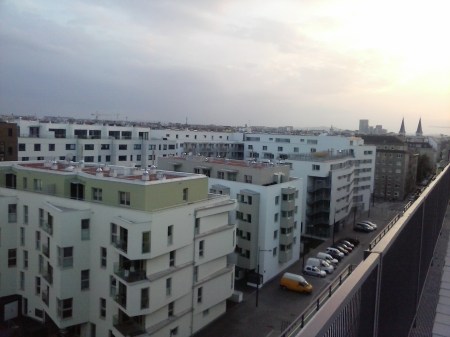
VIENNA 2014, MAIN TRAIN STATION
just a bit of relaxing
just a bit of the sun
gleaming on every spire
just a bit of the world
settling down for the evening
and the birds sing for springtime
just like they did when I was a kid
although everything’s new
all the shiny new buildings
in this new part of town
though we’re close to the center
you can see every ridge
it’s a beautiful city
beethoven walked here,
and schubert and brahms
and vivaldi was buried
unmarked, just like mozart
it’s a beautiful evening
of a beautiful sunday
they had eu elections
there is hope for the future
this city is fortunate
this city was worse
the worst on the planet
they voted for hitler
and killed all the jews
and then it was bombed
and then our parents
came here and we grew
and moved elsewhere and now
we are here in this building
in this town on this world.
the city is growing
it is still rather small
it was big and growing
in 1914
now we have the eu
there is privatization and deprivation
all over the continent
still it is springtime
let us build something new.
MW May 25, 2014
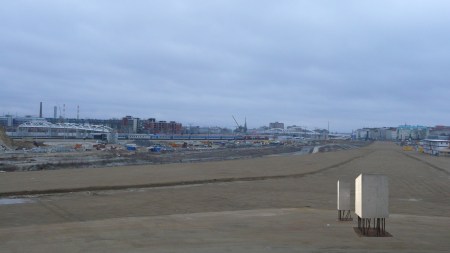 Picture by Juliane Adler
 Train station in Liesing, Vienna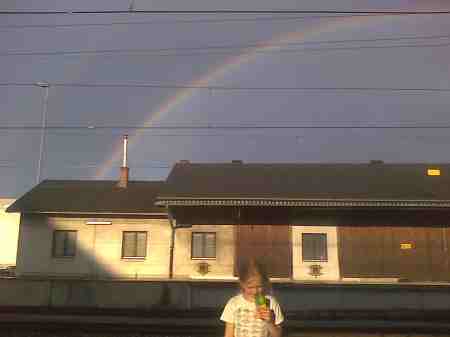
标签:austria, birds, city, evening, holocaust, house, housing, life, light, memory, music, poetry, spring, sun, train, Vienna
发表在 May 2014, Uncategorized | Leave a Comment »
5月 27, 2014

Zheng Xiaoqiong
100 ARBEITERINNEN
70) ANONYM
Ich will sie gar nicht beschreiben. Ihr Gesicht
kann ich nicht ausmachen. Sie ist nur eine
ganz kleine Metapher. Unter mehr als 4000
in dieser Fabrik. Mit -zig Abteilungen. Sie
war mir gar nicht bekannt. Was macht das nun
schon aus. Was ich von ihr weiss, ist nur dass
sie starb. Genauer gesagt wurde sie von zwei Hunden
totgebissen. Die beiden Hunde kenne ich,
gelbschwarz und grauweiss. Hüfthohe
reinrassige Wolfshunde. Mit richtigen Wolfsaugen verfolgen sie
vorübergehende Menschen. Sie hocken am Sprung
am Eingang der Chefvilla. Manchmal
angebunden beim Aufgang zur Küche. Jedesmal wenn ich vorbeikomme,
hecheln sie. Strecken die Zungen heraus. Zeigen ihre
scharfen Zähne. Wie Reihen von Messern
die sie dir einstechen. Sie machen mir große Angst.
“Eine Arbeiterin in unserer Fabrik,
diese zwei Hunde haben sie totgebissen.” Offenbar kennen
alle Leute diese Hunde. Genau wie ich.
“Sie war aus Shaanxi. Spritzgussarbeiterin.”
“Sie war sehr schön. Ihr Freund war
bei der Security.” “Wir haben jemanden aus der Heimat
von Xie Xuefen gefunden.” “19 Jahre alt,
ein halbes Jahr erst bei der Fabrik.” Solche Informationen
hab ich von dir. Wie groß du warst, wie du aussahst,
ich weiß es nicht. Obwohl ich mich bemühe,
dich in diesem Gedicht komplett zu beschreiben.
Aber was ich ausdrücken kann, ist auch nicht mehr als das hier.
Im Gewimmel dieser Fabrik
kann ich mich nicht genau an dein Gesicht erinnern.
Letztlich kam es hierher wie die Flut
und ging wieder zurück. Gar nichts
bleibt. Außer Trauer, Bestürzung.
Was von dir bekannt ist. Ich weiß nur
was man hört. Weiblich. Aus Shaanxi. 19 Jahre alt.
Von den Chefhunden totgebissen. Laut Befund der Fabrik
war es Herzversagen. Es gab eine Entschädigung.
Übersetzt von MW im Mai 2014
郑小琼
《女工记》
无名者
我并不想描述她 她的面容
我无法说清楚 她只是一个
小小的隐喻 在四千多人的
工厂 几十个不同部门 她
与我都不认识 但是这又什么
关系 我知道她的消息是她
死了 准确说是让两只条狗
咬死了 那两条狗我见过
黄黑色与灰白色 半人高的
纯种狼狗 像狼的眼睛盯着
来来往往的行人 它们半蹲在
老板的别墅门口 有时
会拴在厨房楼梯 每次经过
看着它喘息 伸出舌头 露出
尖锐的牙齿 像两排尖刀
插在心间 我对它们充满恐惧
“我们工厂一个女工被
那两条狼狗咬死了”显然所有人
跟我一样 知道那两条狼狗
“是陕西人 注塑女工”
“很漂亮的 男朋友是
保安部的”“我们拉上
谢雪芬的老乡”“19岁
进工厂才半年”这些都是
有关你的信息 身高长相
我不知 尽管我努力地
想在这首诗中完整的描述
但是所能表达也仅仅只有这些
在这个工厂拥挤的人群中
我无法清晰把你的面孔说出来
它必定像潮水一样来这里
又像潮水一样消逝了 什么
也不会留下 剩下忧伤与惶惑
有关你的一切 我只知道
工厂传闻 女性 陕西人 19岁
被老板养的狼狗咬死 工厂结论却是
死于心脏病 赔款若干
标签:anonymous, death, dogs, factory, memory, poetry, women, work, workers
发表在 May 2014, poetry, Translations | Leave a Comment »
5月 22, 2014

Hung Hung
MARTIAL LAW ERA – AFTER HEARING THAT SUN YAT-SEN’S STATUE AT THNG TEK-CHIONG PARK IN TAINAN HAD BEEN TORN DOWN
all those bronze statues
are busy at night
patrolling the streets
lest people get drunk and say the wrong thing or kiss in the alleys
or play mahjong at home
statues will check at the newspaper press
is there a piece on the chief like last year?
is there a space for respect at the top?
has someone scribbled in the blank spot?
bronze statues are busy
they are scared of too many things
scared stamps could bear other portraits
scared streets and squares, schools, libraries
would all change their names
no more school kids saluting
no more chatting with sparrows
scared that one day
there’d be a rope
to pull them down
“mama, why is the statue green in the face?”
“no finger-pointing, your fingers fall off!”
“mama, the statue hides for a smoke at the fire brigade!”
“he just takes a break, he got burned in the sun every day.”
those statues have long forgotten the killings
of another generation
forgotten how they are still being used
they only remember the heat of the forge
it was hard to bear
and once you cool down, then come the years
standing empty and cold
Written on the eve of Febr. 28th, 2014,
67 years after the Febr. 28th, 1947 massacre.
Tr. MW, May 2014
鴻鴻
戒嚴年代–聞湯德章公園孫文銅像被拆
那些銅像
深夜很忙
要滿街巡邏
有沒人酒醉講錯話或在暗巷接吻
還是哪一家在打麻將
要去報紙印刷廠
檢查去年的文告有沒登在
今年的頭條
頂上有沒空一格
空的一格有沒被塗鴉
銅像很忙
因為他們害怕的事太多
害怕郵票換成別的頭像
害怕街道、廣場、學校、圖書館
換上別的名字
害怕小學生經過不再敬禮
雀鳥不再來閒聊
害怕有一天
被繩子一拉
就倒
「媽媽,為什麼銅像的臉是綠的?」
「不要亂指,手指會爛掉!」
「為什麼銅像躲在消防隊抽菸?」
「他每天曬太陽好可憐,要休息一下。」
銅像早忘了前世的殺戮
也忘了今世如何被利用再三
只記得鍛燒的烈火
多麼煎熬難忍
而冷卻後的歲月
又是多麼荒涼
2014.228前夕
I was very astonished when I first saw the picture. It does look like violence, the statue is smeared red. The poem is a revelation. Why would people have something against Sun Yat-sen? Nice guy, compared to what came later. Late retribution, for the killing of Thng Tek-Chiong, governor of Tainan in 1947, one of the first dead in the February 28 massacre? Sun Yat-sen is rather far from home in Tainan, far from his home base. I remember that small park near the train station in Taipei, where Sun Yat-sen lived when he visited Taiwan, it was a Japanese hotel back then. Small garden, very peaceful. A little forlorn and frail among the hustle and bustle around Taipei train station. Why would anyone be angry at a statue of Sun Yat-sen? In 2011 and early 2012, there were many conferences around the world in memory of the 1911 辛亥革命. People talked about many interesting things, but something like this? Without this poem, I would never have thought people would think that way about these statues. Not that much. So many killings back then, so much White Terror in decades, and no retribution. And the KMT still in power. There is repressed violence in people’s hearts, and everybody can count there lucky stars if they take it out only on statues.
Taiwan is a very peaceful and safe place, all in all. One-party dictatorship does create a sense of security for some, at least in retrospect. The world gets more complicated in those new-fangled pluralist societies. So there are people who blame the subway knife attack of a deranged student on May 21 on the student-led protests in March and early April this year. In Austria, the shameless tabloid that is much bigger than Murdoch and Berlusconi in their countries, still says things like all demonstrations and protest are leftist, and cost a lot of public money. When there are anti-foreigner rightists marching in Vienna, and the police need to protect them, it is not their fault, right? And if they want to have a ball in the emperor’s palace and parade on the square where Hitler proclaimed the Anschluss in 1938, it is their right and they should be protected, and if the whole city center is full of police barricades, it is the fault of those leftists.
It’s the other way around! In a more open society, there is much less repressed violence. Look at the recent bloody clashes and attacks in many cities in China. That won’t get less, probably. Taiwan people should be very proud of that big, peaceful demonstration on March 30. Their country has become a much better place through the changes of the last 25 years. The KMT could and should be proud of that, too. But they are the 中國國民黨, so they have to think about stability in a much bigger way, don’t they?
标签:austria, censorship, Feb. 28, history, Hung Hung, love, martial law, massacre, media, memory, poetry, security, speech, statues, Sun Yat-sen, Tainan, Taipei, taiwan, Thng Tek-chiong, Vienna, violence
发表在 May 2014, Translations, Uncategorized | 1 Comment »
4月 19, 2014

Li Xunyang
OLD TV
at night I sit
with my old parents
watching the urns
Tr. MW, Easter Eve 2014
Li Xunyang
ALTER FERNSEHER
in der nacht
schau mich mit meinen alten eltern
die urnen an
Übersetzt von MW am Karsamstag 2014
标签:death, easter, family, history, memory, old, old people, parents, TV, watching
发表在 April 2014, Translations | Leave a Comment »
4月 7, 2014

Chuan Fang Chang
CIVIC EDUCATION
We teach our kids to believe in justice.
You torture righteous children to death
and exonerate murderers.
We teach our kids to believe in peace.
You betray the people’s trust for your profits.
We teach our children honesty.
You swindle voters, they pay the bills.
We teach our kids democracy.
You auction off our rights on the side.
We teach our children respect.
You trample poor people under your feet
and then give out alms.
We teach our children to live in justice.
You wheel and deal and sell off their homes,
let them drink pesticides crawling and crying.
You call our children a violent mob.
Their clothes may be dirty, at heart they are pure.
Your clothes are perfect, calmly you put on your elegant ties
and wrap the filth in your hands.
You say you’re calling on education
but you let police clobber our children
and have them arrested as criminals.
What we taught our children went against facts.
They had to memorize and recite
and write it one hundred times if they failed.
Now they won’t believe what we tell them.
We put down our textbooks
to practice democracy,
exercising a spirit you never knew.
Protect our children!
Don’t let your cold-blooded thinking sentence them to death.
We are fighting to testify for all those pure and gentle hearts.
March 2014
Tr. MW, April 2014
Chuan Fang Chang
[公民老師]
我們教孩子相信正義
你們將正義的孩子凌虐致死
並判殺人犯無罪
我們教孩子相信和平
你們爲了利益撕裂族群情感
我們教孩子誠實
你們欺騙選民大開選舉支票全民買單
我們教孩子平等
你們設計完美的獨裁政體打造階級
我們教孩子民主
你們私下拍賣主權暴力通過條約
我們教孩子尊重
你們把窮人的生命踐踏在腳底
並佯裝佈施
我們教孩子居住正義
你們用怪手毀壞他們的家園
讓他們吞農藥匍地悲泣流離失所
你叫我們教的孩子暴民
他們衣衫襤褸 心地純淨
你們衣冠楚楚 優雅從容繫上領帶
並包裝你們污穢的雙手
你叫我們愛的教育
卻讓警察用盾牌、警棍鞭飭我們的孩子
並將他們用現行犯逮捕
我們教孩子與現實違背的知識
讓孩子反覆背誦考試
不及格的罰寫一百遍
而今,孩子已不願意相信我們
我們放下課本
實習演練那些你們作不到的民主素養
保護我們的孩子
不被你們的冷血判死刑
我們必須印証那些純潔與善良
2014年三月
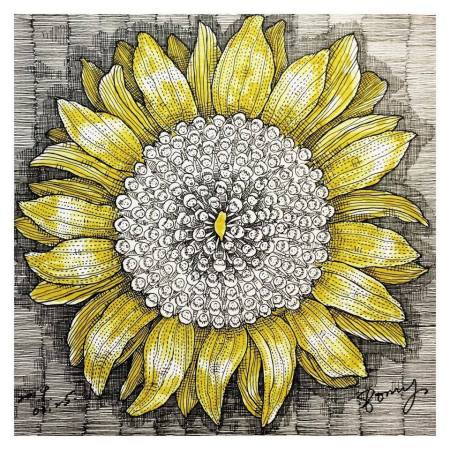

标签:children, death, education, history, justice, life, memory, poetry, spring, students, sunflower protests, taiwan, teachers
发表在 April 2014, March 2014, Translations, Uncategorized | 1 Comment »
4月 6, 2014

Huang Huang-Chin
IMAGINE ONE DAY
imagine many years later
can we still watch japanese cartoons
imagine letters we might receive
maybe with contents crossed out in red
imagine we could answer in peace
curious questions from our children
I will tell them about tonight
concise and in detail
so they can swiftly run to any crowded stage
I will tell them
peace is short-lived
struggle is constant
come on, go now
on this island
find your comrades
keep your loved ones
build your dream house
look for the nation of your ideals
raise all the flags
light every lamp
shout out your pursuits
warm winds will blow
coconuts sway
students, policemen sleeping together
rain will keep falling
till you wake up to a dry day
Tr. MW, Apr. 2014
黄煌智
想像一日
想像多年以後
還能一起看日本的卡通
想像收到的信中
不會有被紅線掩蓋的內容
想像我們終於可以
坦然面對孩子好奇的追問
我會把這個夜晚
細緻而簡潔的讓他知道
以便他能夠迅速的奔跑到任何一個擠滿人的現場
我會告訴他
和平是短暫的
抗爭是常態
快去吧
在這座島上
認出你的朋友
顧好你的愛人
蓋你夢中的樓房
找你理想的國家
把國旗都升起來
燈都打亮
把訴求都溫柔吶喊
看風吹過來
椰子樹影搖晃
學生和警察睡在一塊
讓雨延續
在乾燥的白天醒來
标签:children, democracy, memory, poetry, police, politics, protest, struggle, taiwan
发表在 April 2014, Translations, Uncategorized | 1 Comment »
2月 18, 2014
Yi Sha TRÄUME
TRAUM 362
ich gebe meine stimme ab
bei einem poesiewettbewerb
ich bin eifrig dabei
auf einmal wird es eine stimme in einer wahl des präsidenten
auf dem großen bildschirm redet live
martin luther king:
“ich habe einen traum …”
2014-01
Übersetzt von MW 2014-02
《梦(362)》
我在投一项 诗歌奖的选票
投着投着
就投成了
选举总统的一票
现场的大屏幕上
马丁·路德·金
在演讲: “我有一个梦……”
TRAUM 1
ich hab einen brief an den onkel geschrieben
und will den brief zum postamt tragen
die mutter erinnert mich:
“du schreibst unsere telefonnummer
hinten aufs kuvert”
“auf das kuvert darf nur die adresse”
geb ich der mutter genervt zurück
auf dem weg zum postamt
denk ich hin und her:
“gibt es eigentlich diese vorschrift?”
auf dem einzigen weg zum postamt
straße der kämpfe aus meiner kindheit
kommt mir die frau vom onkel entgegen
ich rufe: “tante! tante!”
sie ignoriert mich
schaut als ob sie mich nicht kennt
da fällt mir erst ein: sie ist schon gestorben
im katastrophenjahr der familie 1997
ich habe kalten schweiß auf der stirn
nimm das handy heraus und ruf daheim an
“mama, jetzt glaub ich an geister!
ich hab auf der straße die tante gesehen!”
aus dem telefon kommt über-echt die stimme der mutter:
“kind! wie kannst du das vergessen?
mama ist auch schon längst tot —
im selben jahr wie die tante gestorben!”
2012/1
Übersetzt von MW 2014/2
《梦(1)》
我给舅舅写好了一封信
准备去邮局投寄这封信
母亲叮嘱:‘你把咱家的/电话号码写在信封背面’
‘信封上不许乱涂乱画’
我很不耐烦地回应母亲
走在去邮局的路上
我还在想着此事:到底有无这项规定?
通往邮局的惟一的路
是我儿时常打巷战的那条小巷
迎面看见了我的舅婆
我叫她:‘舅婆!舅婆!’
她不理我
看我的表情就像不认识我似的
我这才恍然想起:她已经死了
死在我们家族多灾多难的1997年
我惊出了一头冷汗
赶紧掏出手机拨通家里的电话
对着母亲嚷道:‘妈,我现在相信有鬼了
我在街上看见死去的舅婆了!’
手机里传出母亲的声音十二分保真:
‘儿子啊!你怎么忘了呢?
妈也早死了——/跟舅婆同一年死的呀!’
TRAUM 368
ich schlafe in
einem riesigen zelt
wie das von 1976
von der einheit meiner eltern
wegen des erdbebens
wir erfuhren fast einen monat
den kommunismus
das kollektiv
nach dem aufstehen
ist von meinen schuhen
nur einer übrig
mit nacktem fuß
such ich im zelt
such überall
am ende
find ich unter irgendeinem feldbett
einen fuchs
mit einem schuh
in seinem maul
2014-01
Übersetzt von MW 2014-02
《梦(368)》
我睡在一个
硕大的帐篷里
好像1976年
父母单位搭建的
公共防震棚
让我们体验了
个把月的共产主义
集体生活
起床后
我发现我的鞋
仅剩下一只
便光着脚
在帐篷里
到处寻找
最后
在谁家的行军床下
找到一只狐狸
它的嘴里
叼着一只鞋
TRAUM 371
im sportfest meiner volksschule
gab es einen bewerb
handgranaten werfen
ich war der erste
gestern im traum
die ganze szene des werfens
worum es ging bei der bewegung
und meine damaligen gedanken:
“ich bin besser als sie,
aber setze ich nicht meine ganze kraft ein
kann es auch sein
dass ich nicht gewinne …
2014-01
Übersetzt von MW 2014-02
《梦(371)》
我所经历的
小学运动会
还有手榴弹一项
我得了第一
昨夜,我当年
投弹的场面
重现在我梦中
还有动作要领
和我当时的
所思所想
全都回来了:
“我是比他们强
但如果未尽全力
也有可能
拿不到第一……”
TRAUM 372
nebel und dunst auch im traum
ich will es wissen
bemerke betrübt
es ist kein nebel
2014-01
Übersetzt von MW 2014-02
《梦(372)》
梦中也有雾霾天
我仔细分辨着
沮丧地发现
不是雾
而是霾

标签:art, dreams, elections, memory, poetry, yi sha
发表在 February 2014, January 2014, Uncategorized | 1 Comment »
2月 18, 2014
BALL
es hat lange gedauert
warum erst jetzt
am ball ist jetzt
die öffentlichkeit
am 8. mai
sind sie schon weg
die schlagenden
beispiele
argumente gründe beweise
sind sie schon weg
es hat lange gedauert
warum erst jetzt
am ball sind jetzt
die öffentlichkeit
alle anderen parteien
jeder aufrechte mensch
jede kämpferin für dieses land
MW Februar 2014

标签:austria, civil society, memory, poetry, politics, public, Vienna
发表在 February 2014, Uncategorized | 2 Comments »
2月 11, 2014

VALENTIN
der duft der blueten
erinnert an omi
es ist lange her
gar nicht so lang
sie kann bald in den garten
gut eingepackt
anfang februar kommen die blueten
von weitem wie die baeume in taiwan
die baeume in japan
rosa blueten, manchmal weisse
am donaukanal ist auch ein strauch
in zwei tagen ist valentin
MW Februar 2014
标签:blossoms, family, Japan, memory, season, spring, taiwan, Vienna, winter
发表在 February 2014, Uncategorized | Leave a Comment »
11月 20, 2013
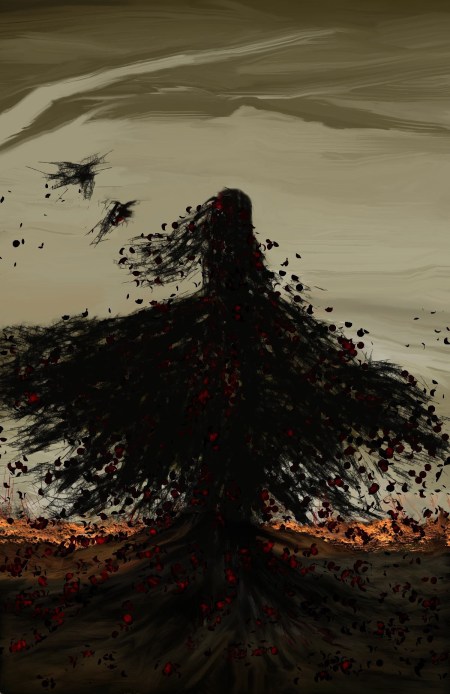
Picture by Sara Bernal
Tang Guo
A WILFUL TREE
This is a tree that does what it wants,
a tree that grows at the edge of a cliff.
A tree that’s clasping and climbing the rocks.
A tree that never had milk, never heard music.
A tree that drank northwestern winds,
A tree that had wind poured in its ears.
A tree that would have liked milk, would have liked music.
A tree that stands under dark clouds, waiting for white clouds in the sky.
A tree that doesn’t stand at attention and leans where it pleases.
A tree that slacks off, like a girl out of shape.
A tree that watches the marching ants on its body and won’t get excited no more.
A tree that explores the depths of the stones.
A tree that will not get pulled out, however it sways.
A tree all alone.
A tree that stands on the edge, overlooking the forest.
A tree that can only bow to its partner if it can stay ten yards away;
it cannot grow as they do in the woods, as they hold on to each other’s shoulders.
2005
 Tang Guo
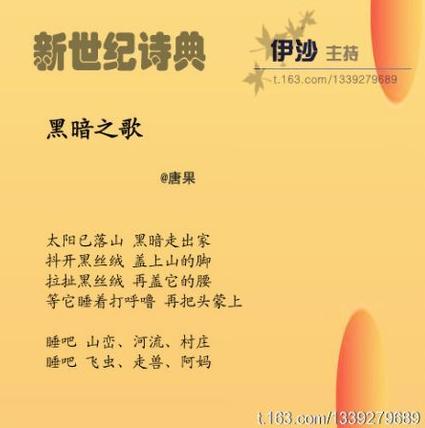
SONG OF THE DARK
the sun has gone behind the peak. darkness comes walking out of her home,
unfolds her black velvet and covers his foot.
she pulls up her velvet and covers his waist.
she waits till he’s snoring, then folds up his head.
sleep now, mountains, rivers, towns.
sleep, mosquitoes, beasts and mum.
Tr. MW, Nov. 2013
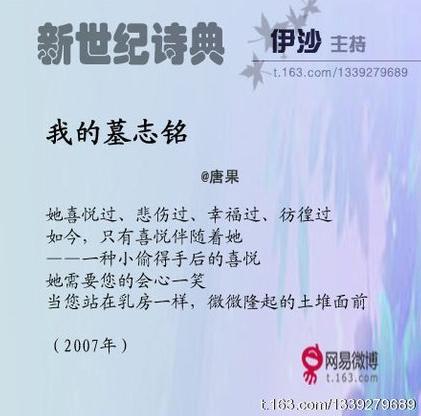
 Tang Guo
MY EPITAPH
she had joy, she was sad. she knew happiness and wandering.
today, she has only joy at her side –
– stolen joy that comes beyond.
she needs your smile,
as you stand at her breast, a little bulge in the earth.
2007
Tr. MW, Nov. 2013
Tang Guo
FOR YOU
What grows on my body, just take it away.
If you want it – what I haven’t grown yet- come tomorrow.
I will try with my life. If I don’t make it – here are the seeds.
Tr. MW, Nov. 2013

标签:character, earth, life, memory, poetry, seeds, Tang Guo, trees, wilfulness, will, 唐果, 新世纪诗典
发表在 November 2013, NPC, poetry, Translations, 新世纪诗典 | Leave a Comment »
11月 7, 2013

EIN VOGEL IN GYÖR
ein vogel sein
ein vogel im baum
im baum auf der mauer
auf der mauer am fluss
in der sonne im november
ein vogel sein
eine ente im fluss
ein schmetterling
ein löwenzahn
oder ein mann
oder ein großer glänzender baum
MW November 2013
<焦尔一只鸟>
作一只鸟
树上的鸟
城墙上的树
河边的城墙
十一月晒太阳
作一只鸟
河里一只鸭子
作一只蝴蝶
一朵蒲公英
要不作一个人
要不作一棵灿烂大树
2013/11, 于匈牙利焦尔
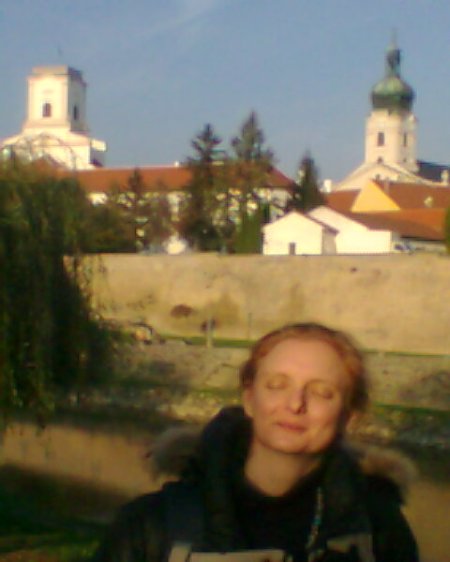 <匈牙利焦尔>
焦尔是很漂亮的城市
吃饭非常好
温泉很舒服
还有一座惊人的音乐厅
很现代的楼
几乎维也纳音乐厅那么大
只外面墙上不向往德意志民族
不过也许演奏过瓦格纳
音乐厅原来是犹太庙
目前旁边有小小的犹太学校
这座小城市
五千犹太人迁往
奥斯威辛集中營毒气室
也很多小孩
焦尔是很漂亮的城市
国家歌剧院两片
瓦萨雷里的马赛克
我们看了门德尔松
写的莎士比亚
仲夏夜之梦
匈牙利人鼓掌的方式有特点
焦尔有很多教堂
一九四五年
苏联军队
杀死一位教主
他让妇女避难
牧师学校的地下
焦尔是很漂亮的城市
吃饭非常好
温泉很舒服
还有一座惊人的音乐厅
2013/11, 于匈牙利焦尔
GYÖR
györ ist eine schöne stadt
das essen ist köstlich
die therme ist herrlich
es gibt ein wunderschönes konzerthaus
was du ererbt hast von deinen vätern
erwirb es um es zu besitzen
ein schönes konzerthaus
ererbt von den toten
eine große synagoge
ein modernes konzerthaus
fast so groß wie das in wien
nur ohne deutschtum an der fassade
vielleicht spielen sie auch wagner
in der schule an der seite
existiert eine kleine gemeinde
aus dieser kleinstadt
wurden 5000 in ausschwitz vergast
auch viele kinder
györ ist eine schöne stadt
es gibt ein theater mit vasarely
an der fassade vorne und hinten
von oben wirkt es wie eine schanze
vom turm des priesterseminars
eine chance für die kultur
wir sahen ein wunderschönes ballett
mendelssohns sommernachtstraum
sokrates sagte in politeia
es brauche eine gemeinde
eine stadt beschützt von den göttern
von etwas gutem
etwas gedacht als gütige gottheit
gott der gerechten
es gibt die kirchen
es gab auch märtyrer unter den priestern
der bischof beschützte frauen im keller
und wurde erschossen
sokrates sagte in politeia
dass ein einzelner gerecht sei
sei nicht begründet
in einzelnen menschen
sondern in der ganzen gemeinde
in einem gott der ganzen stadt
was du ererbt hast von deinen vätern
erwirb es um es zu besitzen
ererbt von den toten
trebic und györ
mikulov und kosice
friedhof altstadt synagoge
viele juden fielen im weltkrieg
im ersten weltkrieg
für österreich-ungarn
oder für deutschland
was 1944 geschah
deportation und dann die bomben
das leben danach
in kleinen städten ist es recht deutlich
györ ist eine schöne stadt
das essen ist köstlich
die therme ist herrlich
es gibt ein wunderschönes konzerthaus
MW November 2013

标签:art, ausschwitz, austria, ballet, baths, bombing, cemetery, church, city, collaboration, community, concert hall, culture, czech republic, deportation, diary, food, Germany, god, goethe, györ, heritage, hungary, jesuits, jews, justice, konzerthaus, kosice, martyrs, memory, mendelssohn, mikulov, music, old city, philosophy, plato, poetry, priests, renovation, resistance, shakespeare, slovakia, synagogue, theatre, thermal baths, travel, trebic, vasarely, war, wine
发表在 November 2013 | Leave a Comment »
10月 31, 2013

Picture by Sara Bernal
Pang Pei
KÜHLE ERLANGEN
wegen des abendwinds. wegen des duftenden mondlichts
unsere kühlenden liegestühle stecken allein in der zeit
die mückenabwehr der nachbarn schwebt in den tau unter den bäumen
glühwürmchen leuchten eins nach dem andern im hof
jemandes messer schneidet melonen
jemand gießt weiter die brennheiße straße
ein schmaler mond, wie kinder reden im traum
setzt sich auf deine schlafschwere wange
Übersetzt von MW im Oktober 2013
庞培
乘凉
因为晚风。因为月光的香气
我们乘凉用的躺椅陷于年代的寂寞
当邻家的蚊香飘来树荫深处的露滴
萤火虫一只接一只出没在天井
有人家的菜刀切开西瓜
有人继续朝热烫的马路泼水
一轮新月,如婴儿的梦呓
落上你睡思昏沉的脸颊
标签:fireflies, heat, life, melons, memory, moon, poetry, summer, wind
发表在 October 2013, Translations | Leave a Comment »
10月 24, 2013

Xing Hao
LI CUIMEI
Li Cuimei, do you remember,
we came to the threshing ground
in featherlight snow.
I built a castle for you.
You were 11.
You helped me building that castle forever.
Li Cuimei, it was awfully late when we got home.
The castle froze and got very hard.
We were really awfully late.
Li Cuimei, your face was red
frozen like a hot glowing apple.
I wanted to wolf it down in one bite.
Yi Sha’s New Century Poetry Canon, Oct. 23, 2013
Tr. MW, Oct. 24, 2013
Xing Hao
LI CUIMEI
Li Cuimei, kannst du dich erinnern?
Wir kamen zum Dreschplatz
In wehenden Gänsefedern aus Schnee.
Ich hab’ dir eine Schneeburg gebaut.
Du warst erst 11.
Das war eine tolle Schneeburg,
Du hast lange mitgebaut.
Li Cuimei, wir sind sehr spät nach Hause gekommen.
Die Schneeburg wurde eisig und fest;
Wir sagten, sie würde niemals schmelzen.
Es war wirklich sehr spät, viel zu spät.
Li Cuimei, deine Wangen waren
Gefroren wie Bratäpfel.
Ich wollte so gerne hineinbeißen.
Yi Sha’s New Century Poetry Canon, 20. Okt. 2013
Übersetzt von MW, Oktober 2013
邢昊
《李翠梅》
李翠梅,还记得那次吗
我们来到打谷场上
当时飘着鹅毛大雪
我用雪给你修了座城堡
那时你才十一岁
我给你修的城堡棒极了
你还帮我修了半天呢
李翠梅,我们回家的时候已经很晚了
城堡渐渐冻得硬邦邦的
我们都说它永远也不会融化
那天真的是太晚太晚了
李翠梅,我发现你的脸蛋
冻得像热透了的苹果
我好想一口吃掉它啊
标签:childhood, china, countryside, eating, fruits, life, memory, poetry
发表在 Uncategorized | Leave a Comment »
10月 5, 2013

Xiang Lianzi
GROUND FOR DIVORCE
she is too much like her
oh, your lover
my enemy
1979
in vietnam
you shot her
she shot at me suddenly from
behind a cow
you killed her
she killed my comrade
so you shot her
I shot her cow
she died
her cow died
you found her
I found her cowhide
you had a cow
I bought her cowhide
you’re having me on
no
her cowhide hangs in my hut
she looks just like her
sometimes
I really think they
might be sisters
just like your enemy
just like a dream
2013-03-23
Tr. MW Oct. 2013
Xiang Lianzi
SCHEIDUNGSGRUND
sie gleicht ihr zu sehr
oh, deine geliebte
meine feindin
1979
in vietnam
hast du geschossen
sie schoss plötzlich versteckt
hinter einer kuh
du hast sie erschossen
sie hat meinen kameraden erschossen
und du hast sie erschossen
ich erschoss ihre kuh
sie starb
ihre kuh starb
du fandest sie
ich fand ihr kuhleder
du hast gekauft
ich kaufte ihre kuhhaut
du prahlst wie vom rinderblasen
nein
kuhhaut hängt in meiner kate
sie gleicht ihr sehr
manchmal
glaub ich sie seien
schwestern
genau wie die feindin
genau wie im traum
2013-03-23
Übersetzt von MW im Frühling 2013
标签:china, ground, love, marriage, memory, poetry, reason, story, Vietnam, war, Xiang Lianzi, 新世纪诗典, 湘莲子
发表在 May 2013, poetry, Translations, 新世纪诗典 | 1 Comment »
9月 10, 2013
Duo Duo
TO BE ABLE
to be able to drink big gulps of warm wine
to enjoy glory days in stupor
to be able to think
behind the ticking window curtain at noon
think of trivial things
to be really embarrassed for a long time
to be able to take a walk for yourself
sit down on a chair painted green
close your eyes for a while
to be able to sigh
thinking of unpleasant things
to forget where the ash
dropped from your cigarette
to be able to lose your temper
when you are sick, to do undignified things
to be able to walk along a familiar road
walking all the way home
to have someone kiss you
wash you scrub you, to have exquisite lies
waiting for you, to be able to live in this way
would be great, any place, any time
picking flowers
mouths finding mouths
no unrests no revolution
what flows down to the ground is the sacrificed wine
to be able to live in this way
would be great, would be the ultimate thing to enjoy!
Tr. MW, Sept. 2013
多多
《能夠》
能够有大口喝醉烧酒的日子
能够壮烈、酩酊
能够在中午
在钟表滴嗒的窗幔后面
想一些琐碎的心事
能够认真地久久地难为情
能够一个人散步
坐到漆绿的椅子上
合一会儿眼睛
能够舒舒服服地叹息
回忆并不愉快的往事
忘记烟灰
弹落在什么地方
能够在生病的日子里
发脾气,作出不体面的事
能够沿着走惯的路
一路走回家去
能够有一个人亲你
擦洗你,还有精致的谎话
在等你,能够这样活着
可有多好,随时随地
手能够折下鲜花
嘴唇能够够到嘴唇
没有风暴也没有革命
灌溉大地的是人民捐献的酒
能够这样活着
可有多好,要多好就有多好!
http://www.shishuhuazazhi.com/Part.aspx?nid=4&pid=19&id=409
标签:drinking, Duo Duo, future, hope, life, memory, past, poetry, present, thinking, to be able, 多多
发表在 poetry, September 2013, Translations | Leave a Comment »
9月 6, 2013
Lydia and Julia. My tastes are simple, mostly. No Fehlschmelzen. Although that word makes me think of Ai Weiwei. Rare words. Rare earths. Che, fourth tone. Like the chai of demolition, but with earth instead of hand. In a famous poem by Du Fu, On Top Of Yueyang Pagoda. Che, separation. Of Wu and Chu. Still great realms, 1300 years later. Wu is Shanghai, Suzhou, Hangzhou and so on. Wu-dialect of Chinese, as different from Mandarin as French is different from German or Dutch, at least. Wu and Chu. Chu is Sichuan and so on. Dongting lake separates Wu and Chu. Dongting lake seen from the pagoda. Heaven and earth, blablabla, the light on the lake. No letters from home. North still at war. Writing this, leaning at the railings, crying. 昔聞洞庭水, 今上岳陽樓. 吳楚東南坼, 乾坤日夜浮. 親朋無一字, 老病有孤舟. 戎馬關山北, 憑軒涕泗流. Xi wen Dongting shui, jin shang Yueyang lou. Don’t know what kind of dialect Du Fu used. Not Mandarin, that’s for sure. More something like Wu, probably. Which I don’t speak and can’t write. Heard of Dongting lake, now I climb the stairs. Wu Chu dong nan che, qian kun ri ye fu. Here comes the “che”. Rare word, in present Mandarin. Dong nan, east and south. Wu is southeast from Chu. Heard of Dongting lake, now I climb the stairs. Wu and Chu divorced; Sky reflected, night. Not a word from home. Sick and old, a boat. War steeds roam the north. I lean here and cry. Five syllables per verse. Yes, much like Haikus. Yi Sha has space poems. 2 from 2003. One about first signs of spring, lunar new year, mahjong, the space shuttle Columbia, fear of flying, freedom. The other one about space, father and son, skies at night, North Korea. This 2nd 1 was in the FAZ on June 26, 2013, when the Shenzhou 10 capsule returned to earth.
 lyrikline blog
Last week, in the run up to our website relaunch and the live event,  we started an open call and asked for your short ‘Space Poems’. The call is closed now and we would like to thank everyone who took part!! We received 15 poems, sent to us in English and German via twitter, facebook and as blog comments and enjoyed reading the poems a lot. We hope you all do!
… and here are the Space Poems …
daybreak
when we credulously
reached for the clouds
a clamour
from the mouth of
a careless fish
–
by Achim Wagner (via twitter)
words are vinds which blow roofs
–
Daiga Mežaka (via blog comment)
There’s no sound in a space poem, only the charged particles of solar wind.
–
by Dave Bonta (via twitter)
Folda Saumtar
Dark
Weil polygam in der
Weltraumzukunft
Vergessen
Dode jedan…
View original post 536 剩余字数
标签:all, asia, austria, Chu, Du Fu, English, Europe, German, Germany, Haiku, Hangzhou, life, memory, poetry, politics, seasons, Shanghai, shenzhou 10, Sichuan, space, space shuttle, Suzhou, Switzerland, Tang Dynasty, translation, Wu dialect
发表在 September 2013, Translations, Uncategorized | Leave a Comment »
8月 12, 2013
The Globe and Mail article quoted by Paul Manfredi is well informed and sympathetic. But it doesn’t spell out any concrete reasons for Ai Weiwei’s singular status. Ai Weiwei’s status, even after his imprisonment, is that of a “princeling”. It seems to be easier to get rid of Bo Xilai. Bo’s father was one of the “eight immortals” of the Communist Party. Ai Weiwei’s father Ai Qing was a persecuted Communist writer, persecuted under Communist rule since the 1940s. Persecuted before, that’s where he got his name. Most of his colleagues denounced each other. Among famous writers, few seem to have been as obstinate as Ai Qing. He was banished to an army town in Xinjiang, a huge city today. There he cleaned toilets, together with little Weiwei. But after Deng Xiaoping came to power in 1978, Ai Qing became an icon. Unlike Bo Xilai and his henchmen, Ai Weiwei did not build labor camps and organ-harvested Falungong-followers. Before he was arrested, Global Times had published many sympathetic articles about his civil rights activism. And even after his abduction and imprisonment at an unknown location, Ai Weiwei gets to keep his comparatively huge house and grounds and most of his fortune. If he was persecuted too much, the main reason for Ai Weiwei’s status would come out too clearly: It would be awkward to discuss his father’s fate in detail. Cultural policy since the 1940s is no secret to anybody in and around the arts in China. But still. Maybe it would come out too clearly how control over art and literature and everything connected to culture was deemed even more important than in other Socialist countries. How idealism had been betrayed again and again, most effectively with broad domestic and international participation in economic growth after 1989. Ai Weiwei is very different from his father Ai Qing in many aspects, as well from his older brother Ai Xuan, who is also a well-known artist in China. But like his father, Ai Weiwei remains an icon of idealism. It would be awkward and politically dangerous to challenge such icons too much and thus revive ideals in a big way.
The Globe and Mail article quoted by Paul Manfredi gives convincing evidence of Ai Weiwei’s civil disobedience and civil rights engagement. Another good recent piece on Ai Weiwei, his imprisonment in 2011 and comparable phenomena elsewhere around the world is a TED-talk by An Xiao Mina.
Ai Weiwei wrote an indignant indictment of the US behaviour in the Snowden case in The Guardian back in June. That was before the plane carrying Bolivia’s president was refused airspace by France, Spain and Italy on US orders on July 3.
标签:Ai Qing, Ai Weiwei, Ai Xuan, art, canada, childhood, china, civil rights, civil society, contact, culture, dialogue, Global Times, history, Japan, literature, media, memory, nation, politics, prison, repression, rights, Snowden, USA
发表在 August 2013, Uncategorized | Leave a Comment »
5月 28, 2013

Painting by Sara Bernal (mixed media, 2013)
WORLDWIDE READING FOR LI BIFENG ON JUNE 4th, 2013
– in Cologne on June 5th, in Vienna on June 3rd (http://penclub.at/events/worldwide-reading-fur-li-bifeng/)
By calling for a worldwide reading on 4 June 2013 for the Chinese underground poet, Li Bifeng, the international literature festival berlin is demanding that the Chinese government release him from prison.
The poet and campaigner for democracy, Li Bifeng, wrote a report in 1998 about a courageous group of textile workers who blockaded a Chinese motorway and sent a video recording of it to foreign human rights organisations. In 1989, after he had been involved in the protest on Tiananmen Square and on the run for six months, Li Bifeng was captured and sentenced to twelve years imprisonment for ³economic crimes². In November 2012, the 48-year-old was sentenced to another 12 years, with no good reason, without evidence and despite worldwide protests. The authorities
suspect him of having helped his friend, the author Liao Yiwu and holder of the Peace Prize of the German Book Trade 2012, to escape to Germany in 2011.
In the short phases in which Li Bifeng has been able to write, he has written numerous poems, prose texts and plays as well as a novel. On the anniversary of the massacre on Tiananmen Square in Beijing, which took place on 4 June 1989, the Peter-Weiss Foundation for Art and Politics e.V. and the international literature festival berlin have initiated a
worldwide reading for Li Bifeng.
Appeal, texts by and about Li Bifeng: www.worldwide-reading.com,
http://libifeng2012.wordpress.com
Some new translations into English and German

标签:literature, memory, poetry, politics, prison, translation
发表在 June 2013, May 2013, Uncategorized | Leave a Comment »
5月 22, 2013
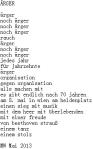
AERGER
aerger noch aerger noch aerger noch aerger rauch aerger noch aerger noch aerger jedes jahr fuer jahrzehnte aerger organisation gegen organisation alle machen mit es gibt endlich nach 70 jahren am 8. mai in wien am heldenplatz einen sieg mit musik mit dem heer mit ueberlebenden mit einer freude von beethoven strauss einem tanz einem stolz
MW Mai 2013
标签:art, austria, civil society, memory, military, music, politics, Vienna, war
发表在 May 2013, Uncategorized | Leave a Comment »
11月 14, 2012
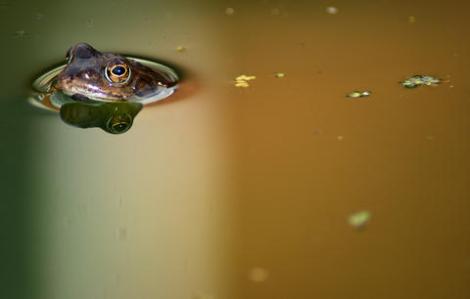
the noble
the nobel is stronger than china
china jumping up and down
on feet of clay
The situation is maddening for every serious literature critic who cannot acknowledge the encroachment of such a hyper-prize-situation on their territory. On the other hand, this is the perfect opportunity to see, and maybe even acknowledge, the impossible challenge of writing a balanced political or literature and art history of the last 100 years, or even 20 or 30. You could see the huge discrepancy between the international relevance of China and its surroundings and the impossibility for Chinese Studies (and Taiwan Studies etc.) of doing it justice in research, of reacting in adequate or satisfying ways. Actually, Anna Schonberg has found a convincing personal way of talking about Mo Yan’s work and the current debate. Goenawan Mohamad has written an article on Mo Yan and Yu Hua, seen from Indonesia. And Yang Jisheng’s investigation of the Great Leap famine is spawning documentary work in villages in the way of writing “people’s histories” in the People’s Republic. Howard Zinn’s People’s History of the US came out in 1979. China is catching up. There is Yang Xianhui, and there is 1942, a new film centered on famine, after the story Remember 1942 Liu Zhenyun wrote in 1992. But how relevant is literature on the whole?
Li Bai, China’s most famous poet, has been constructed as a would-be useful patriotic official in a recent play. I remember one or two other political readings of his poems. The political role of all literature and art that the CCP ostensibly demanded led to, or enforced overwhelmingly political reading of everything. Now Mo Yan cannot escape political criticism because he is a CCP official. He has written great literature. But because he got this larger-than-anything-even-China-in-a-way-prize, on one hand he can finally be a public intellectual, let his conscience speak and speak out for a return to reason in Chinese-Japanese relations and for a release of Liu Xiaobo, both taboo topics. A voice of reason after “street protests” against Japan (?), somehow evoking both Cultural Revolution and Fascism. Tolerated and stoked by a system in the midst of a supposedly tightly choreographed leadership transition. Leaders of the Bo Xilai generation installed. They’re different, of course.
Yang Jisheng in the international media is the perfect contrast, or antidote, to the 18th Party Congress spectacle. Another good contrast is running a detailed article on the One Child policy, like Die Zeit did. Speaking of family planning, Mo Yan’s Frogs is coming out soon in English and German. Granta magazine has an excerpt online.
Mo Yan spoke out, but he still was attacked because he didn’t speak out before, which is kind of unfair, because it would mean every writer has to be like Liao Yiwu, every artist like Ai Weiwei etc. The Nobel prize is very unique, because it entails so much international attention. And so especially societies with a huge inferiority complex, stemming at least in part from a rather recently constructed nation (as in Turkey) have to turn the recipient into an anointed emblem. The only alternative is to deny, like in Gao Xingjian’s case, that he/she belongs at all to the country he/she comes from and the language he/she wrote most of his/her works in, as Anne Sytske Keijser and Maghiel van Crevel have pointed out in a recent article in “De Groene Amsterdammer” (10/17/2012). In today’s China, for a virtual, fleeting audience online, you can show you are not part of this official face. Up to a point, that is. No mentioning of other recent Chinese Nobel laureates. But you can criticize Mo Yan, no matter if you have read his fiction or not. So anyone interested in freedom of speech has to be thankful to the Nobel prize and to Mo Yan for all the national and international attention they have generated. Mo Yan has chosen to speak out, so he should be respected. You can speak about your own impression of his work, as you should, according to Kant, if the question is “whether it is beautiful” (Critique of Judgement, Book 1). Or you can speak about your personal relationship with him and his work, as Howard Goldblatt has done. But you can also write about Mo Yan in a political light, which is what everybody has done, including me. Reading “Republic of Wine”, for example, both in Chinese and in translation, is much more rewarding.
The debate after Mo Yan won the Nobel is about debate. How much debate is allowed? How does debate get allowed or possible at all? It’s obedience vs. disobedience. What Charles Laughlin said on the MCLC list sounds like this: Demanding outspokenness from Mo Yan now is the same as demanding, in effect, obedience to the Party line in 1942. This is how it sounds like, not only to me, I am afraid. Obedience and disobedience are thus blurred. One-party systems enforce obedience and silence. Draconically, as the 8-year sentence on Oct.31 in Kunming of a young father of an unborn child for talking about a multi-party-system online shows. Multi-party systems include and tolerate traditions of disobedience. In some countries, civil disobedience is highly valued- think of Thoreau and Ghandi. Doesn’t mean these places are always better in every area and aspect.
Apart from Mo Yan and the Nobel subject discussed nobly or not, the New Statesman issue from Oct. 19-25 (guest-editor: Ai Weiwei) and the new issue of Words Without Borders provide worthwhile reading.
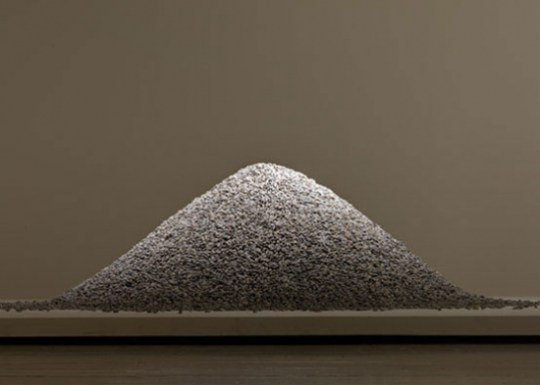
标签:china, literature, memory, Nobel prize, poetry, politics
发表在 November 2012, Uncategorized | 1 Comment »
11月 3, 2012
It was great. Lai Hsiangyin 賴香吟 read part of her story about a member of a former underground movement who has to confront his own weakness when his divorced wife needs his attention. I read Julia Buddeberg’s translation. Chen Kohua 陳克華 read three poems. First came Nothing 無, very Buddhist. Then a couple of last things. The last café 最後的咖啡館. The last motel 最後的汽車旅館. Very Taiwanese kind of motel dive. Secrete details, medical details, scientific details included in all three poems. Questions and answers. Audience members asked a few questions, and we had an interesting discussion. How and why did Ms. Lai write the story? What comes first, life or politics? And so on. Students, immigrants, veterans maybe, of Taiwan politics. Chinese Studies, East Asian Studies Institute, Vienna University 維也納大學東亞文化系. Austrian PEN. Two days in Vienna. Two nights. 維也納卌八小時左右。Arriving, getting lost on the airport. Translator’s fault. Translator’s idea, the whole thing. Not lucrative. I am sorry. Not smooth. Interesting, yes. Freezing. Exhausting. Fun. Fruitful, hopefully. Thanks very much! To the organizers. Thank you! Everyone who helped us. But above all 賴香吟、陳克華多謝!辛苦你們!Liebe. Liebe und Erinnerung. 愛和記憶。Love and memory. 賴香吟小說的主要題材。維也納很適合你們。柏林也是。柏林比較像現在的台北,相當開放、國際化的。柏林非常重視記憶。維也納的過去其實比柏林可怕,因為沒有柏林那麼公開的重視記憶。
So we had Q&A. Then the encore. We had Vienna in the café, in my translation. Apocalypse. Pouring coffee, to the last. Tabori. Hitler and Freud. Is there a Freud statue? There is his private clinic. Oh well. Statues of Strauss, Beethoven. Vivaldi, very recent. With his orphan students, all girls. Musicians, composers. When Aids broke out in Taiwan, the government forbade intercourse with foreigners. As well as doing it from behind. That’s how Chen Kohua thought of the poem. As a medical man. And risk group member. No intercourse with foreigners, no sex from behind, and we’ll be fine. Right. That’s where the quotation marks in the title come from. Freud and Jelinek. Dreams of Vienna. Love and memory.
陳克華
今生
我清楚看見你由前生向我走近
走入我的來世
再走入來世的來世
可是我只有現在。每當我
無夢地醒來
便擔心要永久地錯過
錯過你,啊–
我想走回到錯誤發生的那一瞬
將畫面停格
讓時間靜止:
你永遠是起身離去的姿勢。
我永遠伸手向你。
1985
Chen Kohua
DIESES LEBEN
Du näherst dich aus meinem früheren Leben.
Ich seh’ dich ganz klar, du gehst in meine Zukunft.
In die Zukunft der Zukunft.
Aber ich hab’ nur die Gegenwart. Wenn ich
traumlos aufwache,
hab’ ich jedesmal die Sorge,
dass ich dich verpasse, für immer —
Ich möchte zurück in den Augenblick des Fehlers,
den Film anhalten,
die Zeit und das Bild:
Für immer stehst du auf, um zu gehen.
Ich streck’ dabei die Arme aus.
1985
Übersetzt von Martin Winter im November 2012
标签:aids, austria, Chinese, contact, Elfriede Jelinek, 陳克華, 賴香吟, fiction, German, intercourse, life, literature, love, medicine, memory, poetry, politics, revolution, sex, Sigmund Freud, taiwan, translation, underground, Vienna, 國際交流
发表在 November 2012, October 2012, Uncategorized | 2 Comments »
10月 22, 2012
I want to thank Charles Laughlin for his recent posts on the MCLC list and on Facebook. His conclusion included these words: “Mo Yan’s critics are expecting the same of him that Mao Zedong would have: the political subservience of writers and their responsibility to serve as the political conscience of the nation”. Now I have written another blog post about this. 罗老师多谢!
Mo Yan’s 莫言 situation is ironic, as Charles Laughlin says. But serving “as the political conscience of the nation” is not the same as “political subservience”. It is rather the opposite. As we know, Murakami Haruki 村上春树 and his colleagues can be “the political conscience” of Japan, making “politically progressive gestures”, but Chinese writers in China, because of “political subservience” cannot be “the political conscience of the nation”, except obliquely in their fiction, poetry etc. Or in the first few days after they win a Nobel.
Along with Charles and many other people I am very glad that after Mo Yan was announced as a Nobel winner, he finally felt up to, or forced to open his mouth as a public intellectual, in contrast to the meaning of his pen name. Now he can be a public figure, like Murakami in Japan, not just an ambivalent functionary and a reclusive writer. Or can he? Is he going to say anything more on China-Japan relations or political prisoners? Is he going to mention Liu Xiaobo 刘晓波 in Stockholm? He will certainly be asked about other Chinese Nobel winners. That’s the nature of this particular prize, whether you like it or not.
Murakami and his colleagues can “serve” as public intellectuals, when their conscience tells them to do something additional to their writing. The irony is that under CCP 中国共产党 rule, there are no public intellectuals in China. There are occasional trouble-makers and commentators, like Ai Weiwei 艾未未 and Murong Xuecun 慕容雪村, Yu Hua 余华 and Wang Shuo 王朔. But can any of them speak their mind in public at length about Sino-Japanese relations or other sensitive topics? Apart from these writers and artists, there are professors like Cui Weiping 崔卫平, who issued the call to turn back to reason in Sino-Japanese relations, which got censored on Sina Weibo 新浪微波. She has often been prevented from traveling abroad. And there are some civil rights lawyers, who sometimes disappear.
Murakami and his colleagues can “serve as the political conscience” of Japanese society in and out of their books. Mo Yan has to be very circumspect with his topics. The Garlic Ballads was censored and supressed for a while. Mao’s “Talks” 讲话 at the “Yan’an Forum” 延安文艺座谈会 helped to make sure writers and artists could not speak their conscience. Vague documents like this have played an important role as instruments of obedience inforcement in one-party societies, as Anne Sytske Keijser and Maghiel van Crevel have shown in a recent article in “De Groene Amsterdammer” (10/17/2012). Mo Yan knows about this dilemma. His comments after he won the Nobel, and even some comments before, suggest he cannot find hand-copying and displaying Chairman quotes quite as harmless as Charles. That would be the difference between working with political realities in China and teaching about them in the US. The conditions of these political realities are still determined by largely the same factors as decades ago. As Keijser and Van Crevel put it, Mao’s “Talks” and other directives are up on the shelf, routinely mentioned in speeches by present leaders, and ready to be enforced again as needed. Yes, Mo Yan and his colleagues fought successfully for enough freedom to write great literature. Isn’t that enough? Not outside the realm of fiction, unfortunately. The cultural achievements of the 1980s couldn’t prevent the 1989 crackdown and everything that stays vague and threatening in theory and practice today.
Mo Yan writes “stupendous” novels, as Charles Laughlin says. Yes, he does. His development as a writer was influenced by the threat of starvation, the brutality in the name of revolution, and by the ideology. Yes, including the Yan’an “Talks”, as Charles shows. Now, Charles says, “China’s writers are receiving much-deserved international recognition simply because they are devoting their souls wholly to literary art.” Yes, they do. Liao Yiwu’s 廖亦武 speech in Frankfurt was in Sichuan dialect 四川方言. The text is available on the Internet. Try to find a video not dubbed into German. The German translation was fine, it just wasn’t dialect or even colloquial German. And it didn’t sound half as humble as Liao himself did. Politics made him into the writer, musician, poet and activist he is now. And his temper, his foolhardiness, as he readily admits. Not a hero, as Jonathan Stalling suggested. The German Book Trade’s Peace Prize has often been awarded to writers such as Orhan Pamuk.
The irony is that in theory, as taught by Charles, “Mao Zedong would have” reminded writers of their “responsibility to serve as the political conscience of the nation.” In practice, he silenced them. Virtually all, in time. So there would be no political conscience. That’s what Orwell’s Nineteen-Eighty-Four is about. Words like “Ministry of Truth” 真理部 are very well-known in China. 1984 is a vision of the closed world of a one-party state. Some moments of life in other societies can feel just as eerie, like a progressive college professor who turns into a cult leader, as in Murakami’s 1Q84, or, even more so, the perfectly cultured killer with secret roots in Korea. But on the whole, Japan in the 1980’s, evocatively and masterfully portrayed, is not ironic enough for connecting to Orwell’s 1984. I guess Taiwan under martial law 台灣戒嚴, in 1984, could have just made it.
Hu Ping 胡平, elected as independent candidate in Beijing’s Haidian district towards the end of the brief Beijing Spring over 30 years ago, recently circulated an excerpt from Mo’s “Life and Death Are Wearing me Out” (Shengsi pilao 生死疲勞). The novel was already well-known before the Nobel. A land owner who had his head blown off in the land reform in 1950 is born again as a farm animal several times, most famously as a donkey. In this excerpt, the donkey/landlord laments his unreasonable and unnecessarily bloody execution, until the guy who shot him tells him he acted with expressive backing from local and provincial authorities, to make sure the revolution was irreversible. So was it “a matter of historical necessity”? I don’t know what Hu Ping meant by circulating the email that somehow ended up forwarded in my inbox, because I don’t follow Chinese exile communications very closely. To me, the excerpt sounds just as absurd, evocative, tragic and yes, “stupendous”, as Mo Yan’s novels usually do. And thus rather close to Orwell’s 1984, or Wang Xiaobo’s 王小波 2015, in a way. I don’t think most readers would think that the author wants to commend, recommend or even excuse such acts of brutality.
There is another irony. Gao Xingjian 高行健 was awarded the Nobel prize for literature in 2000 even though, or maybe because, he did not and does not make himself available for political comments. Gao emigrated to France in the late 1980s and rescinded his Party membership in 1989, and it doesn’t seem he wants to come to terms with the powers that be in China in his lifetime. But on the whole, Gao has made about as many explicit political comments in the last 20 years as Yang Mu 楊木.
Chinese writing in 2012 is very complex. At least there is “much-deserved international recognition”, finally. Yu Hua’s essays “China In 10 Words” 《十個詞彙里的中國》 were serialized in the New York Times 紐約時報, among other international papers. And now Yang Mu, Mo Yan and Liao Yiwu appear together in headlines, also in the New York Times. What more could we wish for?
标签:china, culture, fiction, German Book Trade Peace prize, history, Japan, literature, memory, Newman prize, Nobel prize, politics, taiwan, theory
发表在 October 2012, Uncategorized | 2 Comments »
10月 19, 2012
标签:chinese language and literature, death, fiction, gender, history, hualien, literature, love, memory, poetry, reading, Tainan, Taipei, taiwan, translation, Vienna
发表在 October 2012, Uncategorized | 2 Comments »
9月 13, 2012

Click here to read a few poems.
Chen Kohua und Lai Hsiangyin sind im Oktober zu Gast im Literarischen Colloquium Berlin. Außerdem werden sie an der Universität Heidelberg aus ihren Werken lesen.
Chen Kohua und Lai Hsiangyin treten am 29. Oktober um 20 Uhr im Hörsaal SIN 1, Ostasieninstitut Universität Wien auf. (Campus Altes AKH, Hof 2, Eingang 2.3)
Übersetzung: Martin Winter
Eine Veranstaltung des Österreichischen P.E.N. – Clubs
Mit Unterstützung des BMUKK


标签:body, civil society, death, gender, identity, life, literature, love, memory, poetry, religion, sex, society, taiwan, translation
发表在 September 2012 | 1 Comment »
7月 2, 2012
标签:asia, austria, china, czech republic, Europe, memory, music, poetry, taiwan, travel, Vienna
发表在 October 2011, Uncategorized | 1 Comment »
7月 1, 2012
reden (und sonnenschein)
reden fegt der wind im winter
fegt der wind im winter weg
reden hilft bei starker sonne
hilft bei starker sonne kaum
reden haelt der sturm im fruehjahr
haelt der sturm im fruehjahr nicht
reden kommt im herbst in beijing
kommt in beijing oft zu spaet
MW Dezember 2007, Beijing
http://blogs.yahoo.co.jp/dujuan99nihon/5984001.html
speech and rain
speech is swept by wind in winter
swept away by wind and gone
speech would hardly help in summer
hardly help against the sun
speeches held by storms in springtime
storms in springtime hold no speech
speech will come in fall in beijing
speech in beijing, always late
MW June 2012, Vienna
See also https://erguotou.wordpress.com/reden/
fizzdom is flower
knowing doesn’t make you better,
reading doesn’t make you good.
discipline can make you stronger,
make you breathe a little longer,
teach you how to wear your hood.
you would think that’s understood.
MW November 2011, Prague
https://erguotou.wordpress.com/2011/11/03/note-from-prague/
jewish quarter on a sunday
the organ and the choir begin
the people on the house are dead
the people at the bank are dead
the people at the post are dead
the houses in the town are old
the alleys and the streets are old
the organ and the choir begin
the children from the town are dead
the old ones from the town are dead
the women from the town are dead
the menfolk from the town are dead
the organ and the choir begin
the angels in the church are dead
the figures in the light are dead
the figures in the dark are dead
the alleys and the streets are old
the houses in the town are old
the organ and the choir begin
MW Oct. 30th 2011, Prague
https://erguotou.wordpress.com/2011/10/31/spanish-synagogue-in-prague/
jüdisches viertel am sonntag
die leute auf dem haus sind tot
die leute auf der bank sind tot
die leute auf der post sind tot
die haeuser in der stadt sind alt
die strassen in der stadt sind alt
gesang und orgel heben an
die kinder aus der stadt sind tot
die alten aus der stadt sind tot
die frauen aus der stadt sind tot
die maenner aus der stadt sind tot
die strassen in der stadt sind alt
die haeuser in der stadt sind alt
gesang und orgel heben an
die engel am altar sind tot
gesichter sind im licht und tot
gesichter nicht im licht und tot
die haeuser in der stadt sind alt
die strassen in der stadt sind alt
gesang und orgel heben an
MW 30. Okt. 2011, Prag
晚报 wan bao
wan bao, wan bao!
晚报,晚报
zao you zao bao
早有早报
wan you wan bao
晚有晚报
bu shi bu bao
不是不报
shijian wei dao
时间未到
MW 1998, Chongqing
LATE NEWS
LATE NEWS,LATE NEWS!
morning has its morning papers
early news has early returns
late news may have
its late revenge
MW 1998-2015
https://erguotou.wordpress.com/2008/03/21/late-reports/
evening news
Abendzeitung
晚報
wan bao, wan bao!
晚報,晚報!
shan you shan bao
善有善報
e you e bao
惡有惡報
bu shi bu bao
不是不報
shijian wei dao
時間未到
late news, late news!
good deeds bringing good returns
evil deeds bring retribution
not that there’s no karma coming
maybe time’s not ripe for you
Späte Nachricht, späte Nachricht!
Gute Tat bringt gutes Karma,
böse Tat bringt bösen Lohn.
Nicht dass nicht gerichtet wird,
nur die Zeit ist noch nicht reif.
wan bao, wan bao!
晚報,晚報!
zao you zao bao
早有早報
wan you wan bao
晚有晚報
bu shi bu bao
不是不報
shijian wei dao
時間未到
late news, late news!
morning bringing morning news
evening bringing evening news
it’s not that there is no news
maybe time’s not ripe for you
Späte Nachricht, späte Nachricht!
Frühnachrichten, späte Rache!
Nicht dass nicht berichtet wird,
nur die Zeit ist noch nicht reif.
MW 1998-2012. Chongqing, Beijing, Vienna
Stories of Tiananmen
那一年,这些年:与六四有关的故事/
标签:beijing, Chongqing, memory, poetry, prague, Vienna, 新世纪诗典, 晚报
发表在 1998, 2000, July 2012, September 2015 | 3 Comments »
6月 15, 2012

Gute Nacht, Mond
Die Straße geht den Berg hinauf.
Dort steht ein Baum.
Vom Baum aus ist der Platz nicht weit.
Man überquert den Platz und kommt
Zum Karlsplatz. Die Kirche und der Teich davor,
Die Spielplätze sind auch nicht schlecht.
Gute Nacht, Mond. Der Wind ist kalt.
Heut geh ich nicht den Berg hinauf.
Du gehst ins Bett. Ich sing ein Lied.
Ich sag schlaf gut. Ich leg mich hin.
Der Kleine schläft. Die Frau ist müd.
Gute Nacht, Mond.
MW Ende Mai 2012
Holunderblüten
Wären gut in der Pfanne
So viele, vom Zug
MW Juni 2012
Ein Mädchen erzählt in einer neuen Wohnung. Der Mond ist fast voll.
MW Juni 2012





标签:Cesky Krumlov, childhood, environment, food, history, housing, memory, poetry, tea, travel, Vienna
发表在 June 2012, Uncategorized | 1 Comment »
6月 3, 2012
Mittwoch der sechste Juni 2012, 19:30, Hörsaal Sinologie 1, Ostasieninstitut der Univ. Wien, Campus Altes AKH, Hof 2, Eingang 2.
Liu Hong 柳红 liest das Gedicht “Drachenabend, Tian’anmen“ von Ziyou 子尤.
橫穿長城的頭顱
Vorstellung der Nummer 62 des Literaturmagazins “Wienzeile”. Mit Texten von Hsia Yü 夏宇, Yan Jun 顏峻, Hung Hung 鴻鴻, Zheng Xiaoqiong 鄭小瓊, Yu Jian 于堅, Ma Lan 馬蘭, Qi Ge 七格, Wu Yinning 吳音寧, Lin Weifu 林維甫, Tong Yali 彤雅立, Pang Pei 厖培, Liao Yiwu 廖亦武 und vielen anderen. Grafik und Bilder von Yang Jinsong 楊勁松, Chen Xi 陳熹, Emy Ya 葉宛玲, Ursula Wolte und anderen mehr.
Es lesen Helmut Opletal (ehem. ORF-Korrespondent in China, lehrt an der Uni Wien), Ingrid Fischer-Schreiber (ars electronica Linz, Sinologin und Übersetzerin http://yingeli.net), Liu Hong , Zhu Jiaming 朱嘉明, Angelika Burgsteiner, Bettina Müller, Martin Winter und andere. Dazu gibt es Sichuan Guokui 四川鍋盔 und andere Erfrischungen.
时间:6月6日晚7:30
地点:汉学系第1教室
作者:Ziyou 子尤, Hsia Yü 夏宇, Yan Jun 顏峻, Hung Hung 鴻鴻,
Zheng Xiaoqiong 鄭小瓊, Yu Jian 于堅, Ma Lan 馬蘭,
Qi Ge 七格, Wu Yinning 吳音寧, Lin Weifu 林維甫, Tong Yali 彤雅立,
Pang Pei 厖培, Liao Yiwu 廖亦武, Liu Jixin刘纪新
朗誦者:Helmut Opletal 欧普雷
Ingrid Fischer-Schreiber 殷歌丽
Liu Hong柳红
Zhu Jiaming 朱嘉明
Angelika Burgsteiner 安吉
Bettina Müller 白玫
Martin Winter 维马丁
标签:literature, memory
发表在 June 2012, Uncategorized | 1 Comment »
4月 25, 2012
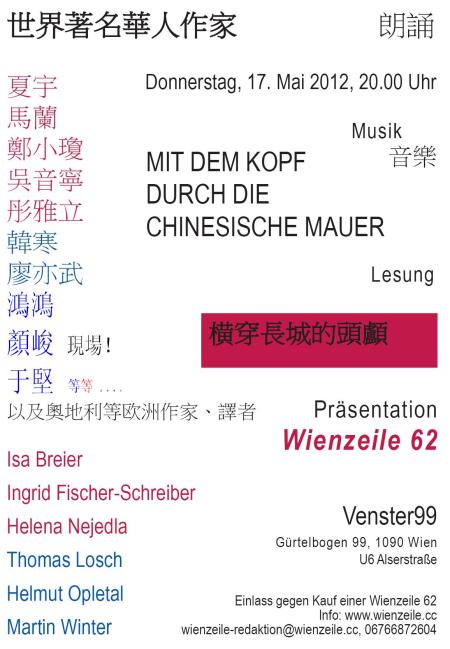
Wienzeile, a literature magazine coming out in Vienna, Austria, with entries in Chinese, English and German. Lots of new literature by Hsia Yü 夏宇、Yan Jun 顏峻、Hung Hung 鴻鴻、Zheng Xiaoqiong 鄭小瓊、Yu Jian 于堅、Ma Lan 馬蘭、Qi Ge 七格、Wu Yinning 吳音寧、Lin Weifu 林維甫、Tong Yali 彤雅立、 Pang Pei 龐培、Liao Yiwu 廖亦武 and many others.
Art work and photos by Linda Bilda, Yang Jinsong 楊勁松, Chen Xi 陳熹, Emy Ya 葉宛玲 and others.
Articles by Han Han 韓寒 and Hu Yong 胡泳. And an article comparing Charter 08 to Charter 77, written by Helena Nejedla, Czech Republic. If you get hungry while reading, we have a recipe for 四川鍋盔.

标签:apple, art, books, china, death, democracy, elections, food, history, internet, language, life, literature, memory, migrants, music, occupy, poetry, politics, resistance, sex, society, sound, taipei book fair, taiwan, Vienna, violence
发表在 April 2012, May 2012, Uncategorized | 2 Comments »
4月 25, 2012
Two books in German
Simon Urban’s Plan D appeared in August 2011, Bei Ling’s Ausgewiesen has come out in March 2012. Both are tied to my experiences in Taiwan, in different ways. Simon Urban is a young German author. He is not from the East, the former GDR, and there seems to be nothing in his biography to make him destined for writing a novel on history. And yet he belongs to a continuing thread of history in German literature, told in various forms, often through family stories. Female authors tell family stories, and there are many immigrants writing in German. Their writings are often set in the regions where they come from, and many tell histories of families. History is a topic that just doesn’t seem to go away in Germany and Austria. Nobel prize laureates Elfriede Jelinek and Herta Müller both write about painful topics from the recent histories of their countries. Herta Müller is from Romania. She is a Romanian author writing in German, mostly about Romanian contemporary history. And she’s living in Germany, for historical reasons. Elfriede Jelinek writes on Austria’s contemporary history, through her plays and novels. She writes in a very special language, a language that unmasks the thoughtless style of the media and contemporary discourse throughout Austrian society. One of her plays is called Winterreise, evoking Schubert, in her own special way. Another play relives a murderous party in the small town of Rechnitz in 1944.


Simon Urban’s novel is a thriller. It is the story of an East German police officer who has to find the murderer of a mysterious man, hanged near the Berlin Wall. The wall still exists, the GDR still exists, in 2011. Agents and counter-agents, state security and the Energy Ministry. Don’t trust anyone. Including your colleagues from the West. It’s a thick book, bursting with very evocative descriptions of situations in Berlin inside a frustrated policeman’s mind. Often funny, as well as haunting.
Simon Urban attended a creative writing academy in Leipzig. One of his teachers was the Austrian Writer Josef Haslinger, who also became famous through writing a thriller. It’s about a terrorist coup at the Opera Ball, related to Austrian contemporary history, of course. But Mr. Haslinger was not supportive of Mr. Urban’s project. “The GDR is deader than dead”, he used to say. Mr. Urban has proven him wrong. Plan D will come out in English in early 2013.
Bei Ling’s memoir begins in 2009, the year he got famous in Germany. He was invited as an exiled Chinese writer to speak at a panel at the China-focus Frankfurt book fair, then asked not to attend, along with Dai Qing, a veteran female writer and environment activist in Beijing. Both of them gate-crashed Frankfurt, with German media support. The book then jumps back to 1979 and the Beijing Democracy Wall. Activism and literature are inseparable for Bei Ling. He gives a very personal account of the 1980’s underground poetry scene, and goes on through his years in the US and his friendship with Susan Sontag, who helps him out when he is imprisoned for printing an illegal literature journal in Beijing.
Suhrkamp deserves credit for recognizing some of Bei Ling’s potential. They certainly helped to make him known in Germany. The translation of “Ausgewiesen” is good. Most of the book reads very similar to Bei Ling’s essays in the FAZ (Frankfurter Allgemeine Zeitung) and in Der Spiegel. The empathy, the little details, the very personal atmosphere. Bei Ling can make you feel as if you were there with him in Beijing in the early 1980s. Maybe you know some of the names, like all the famous Misty Poets. But nobody has told it in such an intimate way, not even Bei Dao, in his fascinating recollections. When “Ausgewiesen” came out in March, the FAZ carried the first review. It was dominated by the complaint that Bei Ling didn’t include much, much more about all these fascinating topics. That’s the fault of his editors at Suhrkamp, of course. The original manuscript was easily twice as long. I’ve seen it. And like other publishers, they don’t have an editor who reads Chinese. Maybe you know Jung Chang, who wrote Wild Swans. I am pretty sure Bei Ling mentions her, but in the German text she becomes a man called Zhang Rong. Hu Ping, editor of Beijing Spring and one of the oldest Chinese exiles in New York, becomes Hu Pingzheng.
Plan D is a rather thick book. Well edited, nothing important peeled away. Simon Urban is a maniac for detailed descriptions, and you always feel these locations in action. Urban succeeds in creating a Berlin that can feel at least as real as the one you know. It is all there, this is how it could have turned out. How it is, behind the surface, at many places.
So how are these books related to Taiwan? Simon Urban was at the 2012 Taipei book fair. His book was very well received, and many people asked questions. They have a real life Communist country to deal with, which is related to them in various ways. Bei Ling runs a small press in Taiwan called Tendency, which grew out of the literature journal with the same name. They print works by Havel and Celan, among others. Taiwan is a place that accommodates many different ventures and makes many things possible. A long tradition of immigration, everything thrown together. They had a one-party dictatorship themselves, and an economic miracle too. But since 1987 they have an ongoing process of democratization, including recognition of their own history, their various ethnicities and so on. It makes one think of recent history and present times in parts of Europe and elsewhere. These are the connections, between the late Vaclav Havel and a fictional Undead GDR, between Paul Celan, exile and reckoning with the past, between poetry and stories of spies.
Addendum: Exiled Chinese writers, like Ma Jian and Bei Ling, have protested against official China monopolizing the China focus at the London book fair this spring. Click here for press coverage in Dutch, English and German.
标签:austria, berlin, china, detective novel, frankfurt, Germany, history, literature, memory, poetry, romania, spy thriller, taipei book fair, taiwan, translation
发表在 April 2012, Uncategorized | Leave a Comment »
4月 10, 2012
was gesagt werden koennte
warum drucken sie, verbreiten sie alle,
was legitim ist und waffenverkaeufen
begegnet, die fragwuerdig sind?
nichts anderes tut grass. mit einem gedicht
gegen die tatsache, dass deutschland
u-boote an israel liefert,
die fuer atomraketen gebaut sind.
sollte deutschland das tun?
viele, die aufwuchsen
unter raketen
mit vaetern,
als kinder gebrannt
von verbrechen bekannter
und oder verschollener vaeter;
manche, die aufwachsen unter raketen
die immer noch da sind
verstehen wahrscheinlich
dass jemand angst hat.
ob israel anlagen im iran
aus denen atomwaffen kommen koennten
bombardieren sollte
hat grass nicht gesagt.
er wollte kontrolle
iranischer atomanlagen,
israelischer bomben.
das ist legitim.
koennen gedichte
so etwas bewirken?
aufmerksamkeit
ist jedenfalls da.
MW Ostermontag, 9. April 2012
“Was gesagt werden muss” von Günter Grass hat mich inspiriert, es war in der Zeitung, zu Ostern, am Ostersonntag in Österreich, ein bisschen später als in Deutschland. Ich habe die Silben gezählt, die meisten Zeilen haben ungefähr zehn. Ich höre immer auf einen Rhythmus.
Das interessanteste an dem Gedicht von Grass- Wolf Biermann nennt es “Gedacht”– ist natürlich die Diskussion, die wochenlange Verbreitung und Diskussion durch so viele Medien, Foren etc. Maybe you know the poem by Leon de Winter, a rather violent reaction. And the interview with Marcel Reich-Ranicki in the Frankfurt FAZ, very interesting.
Mich erinnert dieser Text von Grass an die Friedensbewegung, also an die 80er Jahre, ungefähr 1984, da war ich 18. Da hab ich an meiner ersten Demo teilgenommen, mit meiner Russischlehrerin. Vielleicht war es zu Ostern, es gab die Ostermärsche der Friedensbewegung, gegen die neuerliche Aufrüstung mit Atomraketen. Auf der Seite der Rechten, also nicht nur bei den Republikanern in Amerika, sondern auch bei den Leuten, die in Deutschland, Frankreich etc. an der Macht sind- hoffentlich ändert sich das bald, hoppauf, Holland! – auf der Seite der Rechten hatte Reagan recht, der habe mit diesen Pershing-Raketen (Petting statt Pershing, ein Slogan von damals) Gorbatschow besiegt. In Wirklichkeit war Gorbatschow der Gute, und Reagan der Böse. Relativ halt. Russisch war ein Wahlpflichtfach in meiner Mittelschule. Realgymnasium, Schwerpunkt Mathematik. Leider. Latein wär besser gewesen, weiss man nachher. Russisch war gut. Aus Ungarn, die Lehrerin. Frau Professor Elisabeth Waldmann, unterrichtet noch dort, soviel ich weiss. Deutsch, hauptsächlich. Hatte sie studiert, in Ungarn. Unlängst war ein Interview im Radio, mit György Dalos, Romancier und Gorbatschow-Biograph. Dass die Auflösung des Warschauer Pakts und die Desintegration der Sowjetunion relativ unblutig waren – im Vergleich zu den Jugoslawienkriegen der 90er Jahre- , dafür müsse man Gorbatschow danken. Klang recht schlüssig. Dalos war damals sehr aktiv, als Oppositioneller in Ungarn in den 80er Jahren, mit vielen Kontakten in die DDR. Und jetzt kann er wahrscheinlich recht gut einschätzen, wieviel schöner es für Ungarn wäre, jemanden wie den jetzigen BRD-Präsidenten Gauck an der Spitze zu haben, als jemanden, der seine Doktorarbeit abgeschrieben hat und auch deshalb als schwaches Aushängeschild der rechtspopulistischen Regierung angesehen wird.
Grass regt zum Nachdenken an. Und zwar sehr viele. Das ist schon nicht wenig. Er hat halt Angst vor Atomraketen und vermisst die Ostermärsche der Friedensbewegung. Glaubt er, dass Israel den Weltfrieden bedroht? Klingt absurd, wahrscheinlich auch für ihn. Atomraketen sind böse, generell. Raketen überall, ausser auf dem Mond, vielleicht. Aber, aber ….
Nix aber. Grass hat halt Angst. Und erinnert (sich) an die 80er Jahre. Pessach und Ostern und Frieden sind halt verknüpft. Das ist nicht seine Schuld. Ausser, dass er halt im Krieg war, als Deutscher. Auf der falschen Seite, das sagt er eh. Aber er hat halt was Arges verschwiegen, und war derweil sehr viel politisch aktiv.
Und mir ist halt die Sprache wichtig, deshalb derweil. Wie bei Robert Schindel. Ciao derweil.
标签:Günther Grass, history, hungary, media, memory, poetry, politics, war
发表在 April 2012 | Leave a Comment »
3月 21, 2012
6 on the beach near the northern tip of the island in the danube at vienna, march 20, 2012
island
the danube flows
vienna starts
somewhere downstream.
the island goes
a couple miles
or maybe four.
they have an ice-cream stand today
with buttermilk and radio.
i came to see the cherry trees.
they’re fast asleep.
they need another month or so.
in april we may still have snow.
the cherry trees are from japan.
i went there 19 years ago.
it was before i knew my wife.
i went by boat.
it took two days.
and almost everyone was sick
except the crew.
a boat from china to japan
in january, in ’93.
the plum trees bloomed among the snow.
in february, when i was there.
it’s nice and warm.
the danube flows.
they had an earthquake in japan
a year ago, a little more.
the biggest one they ever had
or maybe not. but very big
with 20.000 people dead
and nuclear power plants kaput.
and still the trees bloomed like before.
it’s nice and warm.
the danube flows.
a month ago the cherry trees
and rhododendrons were in bloom
in taiwan, just a month ago.
it was quite warm. we even swam
in mountain streams.
and austria had lots of snow.
today they read for liu xiaobo
they have a day for poetry
when spring begins, from the un
the 18th was for prisoners
in china and america.
for prisoners of politcs.
they have a day for everyone.
the danube flows.
i brought my son to therapy.
he goes to school. there’s progress now.
he speaks much more.
our daughter doesn’t read a lot
but on the whole we’re doing fine.
the danube flows.
this city is a crying shame.
they say it’s very beautiful.
a neonazi gets a third,
a little less.
a rightist. just like hungary.
a little bit more affluent.
the danube flows.
MW March 20, 2012
This one’s for all the bloggers out there
Susan Sontag: Pay attention to the world
Elfriede Jelinek
政治與戲劇 Vaclav Havel/文 董恆秀/譯
- March 21, Kardinal Nagl Square, U3 subway, Vienna. Many bees in the tree.
岛
多瑙河滔滔不绝
从维也纳开始
顺流而下到某处
在这座岛上
行走几英里
也许四英里
有个卖冰淇淋摊点
还有牛奶和收音机
我来看樱花
它们睡得很熟
它们还需要大约一个月
四月份可能还会下雪
樱花树来自于日本
我19年前去过那里
在我认识我妻子之前
我坐船去的
花了两天时间
几乎所有人都生病了
除了船员
1993年1月
一艘从中国到日本的船
梅花在雪中开放
二月,我在那里的时候
天气美好怡人
多瑙河滔滔不绝
日本发生了地震
一年多一点点之前
他们有过的最大的一次地震
或许不是。但已经算是很大了
有两万人死亡
以及核电站泄露
树依旧像先前一样开花
天气美好怡人
多瑙河滔滔不绝
一个月前樱花
杜鹃花盛开
在台湾,就在一个月前
天气相当暖和,我们甚至在山溪里
游泳
而奥地利还白雪皑皑
今天他们为刘晓波读诗
在他们的诗歌日
春天到来时,联合国规定
18日是囚犯日
在中国和美国
因为政治犯
他们给每个人指定一天
多瑙河滔滔不绝
我带儿子去治疗
他去上学了,现在有了进步
他话说得更多了
我们女儿阅读不多
但总的来说我们做得很好
多瑙河滔滔不绝。
这座城市令人蒙羞
都说它非常漂亮
新纳粹占三分之一
少一点点
极右分子像匈牙利一样
稍微富裕一点
多瑙河滔滔不绝
2012年3月20日
伊沙、老G 译
标签:america, austria, bicycles, blossoms, buttermilk, cherry blossoms, children, china, earthquake, hungary, ice-cream, islands, Japan, literature, memory, nazis, poetry, politics, prisoners, rightists, snow, speech, spring, sun, taiwan, trees, Vienna, 桜
发表在 March 2012, Uncategorized | 3 Comments »
3月 12, 2012
Just read a post by a guy called Doug 陀愚。It begins with a child’s drawing from preschool, and ends with the words 日本は絶対復しますので、それまで頑張りましょう。Nihon wa zettai fukushimasu no de, sore made ganbari mashoo. I don’t know if everything can or should be like it was before after such a big catastrophe. I do have great respect for the spirit Doug talks about. Last year in spring I wrote two poems that were inspired or influenced by the Japan 東北 Toohoku earthquake. I am going to put the second one first here. It was translated recently by a Taiwanese friend, and we both read it in public at a bookstore in Taipei on Febr. 26th.
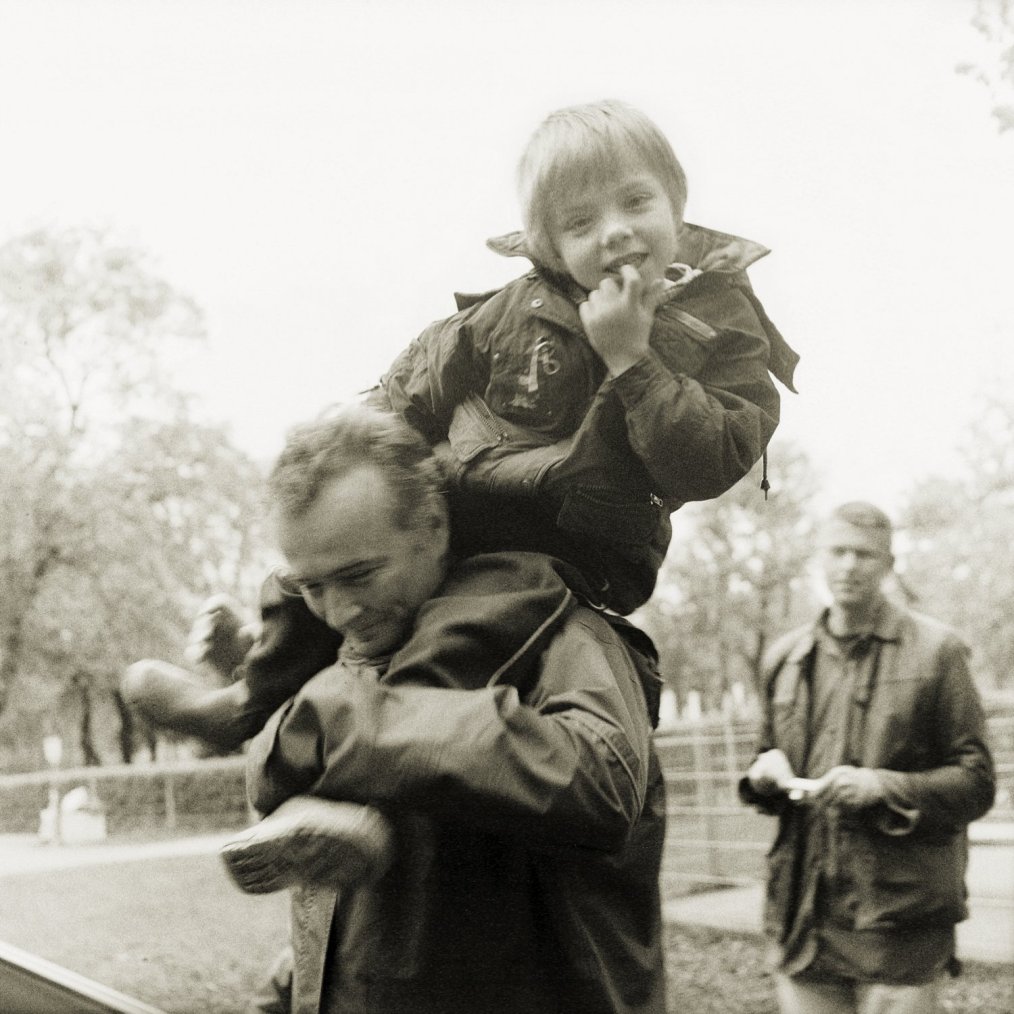
櫻(開花)
英、德文/維馬丁
中譯/彤雅立、維馬丁
白與玫瑰色漂浮
透著光進入一日
在狂人群中
樹木兀自開花
生長、垂落、成熟
佇立,迎風呼吸
=========
桜
blossom
shine and float in white and pink
carried forth into the day
all among the loony people
certainly the trees are blooming
growing, falling, ripening
standing, breathing in the wind
MW April 2011
bluete
weiss und rosa leuchtend schweben
fortgetragen in die tage
unter allen irren menschen
bluehen zweifellos die baeume
wachsen, fallen, reifen, stehen
atmen, oeffnen sich im wind
MW April 2011
Photo by Ronnie Niedermeyer
8 syllables in every line, five trochaic lines, first syllable of every line stressed, then the third syllable, and so on. This is how the German version works, with an additional shorter seven-syllable verse that ends with a stressed syllable, so it’s six lines in all. And in the English version most lines only have seven syllables, except the two in the middle: “all among the loony people/ certainly the trees are blooming”.
Zhan Bing 詹冰(綠血球 Taipei: 笠, 1965), from http://chinaavantgarde.com/

hold it
(quakes, tsunamis, nuclear threats …)
the days of the blossoms
the yellow the white
the shoots and the air
and the birds and the bees
the flies and the beetles
the earth and the trembling
the cars that come floating
the buildings come tumbling
the life that sprouts
MW March 2011
innehalten
(fuer japan, yunnan, burma …)
die tage die blueten
die spitzen die gruenen
die weissen die gelben
die bienen die fliegen
die wogen die steigen
die wagen die treiben
die erde die bebt und
das leben das keimt
MW Maerz 2011
标签:blossoms, catastrophies, cherry blossoms, 生活,gedichte, disaster, earthquake, easter, Gedichte, Japan, life, memory, poetry, spring, translation, trauma, trees
发表在 March 2012, Uncategorized | 5 Comments »
2月 28, 2012
台灣再見!
The sun is up above the clouds.
It is a national holiday,
the saddest day in Taiwan’s year.
I’m sad I have to leave this place.
We had a month, and it was great.
We went around for literature.
I have 100 business cards
and many books and magazines
and work for months and maybe years
and hopes of contracts and so on.
And we have lots of memories
of friendly people, rain and sun,
of Kinmen, Gaoxiong and Tainan,
of readings, talks and interviews,
of temples, tours and wonderment.
It is a national holiday,
the saddest day in Taiwan’s year.
The sun is up above the clouds.
I’m sad I have to leave this place.
MW Feb. 28, 2012
标签:friendship, holiday, literature, memory, taiwan, work
发表在 February 2012, Uncategorized | Leave a Comment »
2月 23, 2012
“My father made me stand on a table when I was small, and recite ancient classical Chinese. I could only climb down after I was able to recite the whole thing by heart. I was only 3 or four years old, maybe. I hated my father.” This is how 廖亦武 Liao Yiwu began to talk to the students and teachers of 國立成功大學 National Ch’engkung University in 台南 Tainan, after he played a wooden flute, a very basic instrument he had learned in prison. Very basic sounds, mute and suppressed at times. Loss and regret. No uplifting fable. “I am not going to tell you very much about the time when I went into prison. You would have no way to understand everything. I was like any young person. I didn’t want to listen to anybody from older generations. And I had gone through 文革 the Cultural Revolution, when my parents couldn’t take care of me. For me, classical Chinese belonged into the rubbish bin, along with many other things. My father was 84 years old when he died”, Liao Yiwu said. Or was it 88 years? Only a few hours of dialogue and open exchange between father and son, in all those years.
Dialogue and open exchange. Between 四川 Sichuan and 台南 Tainan. Between Taiwan and China. Between languages and experiences. Feeling lost, between clashing dialects, conflicting histories. Feeling rooted, at the bottom of society.
On the podium, scholars of 台灣閩南語文學 Taiwanese literature sat along with Liao Yiwu. They spoke in Taiwanese. One professor recited a poem by a high school student. Before Dawn, or something like that. About the massacre from 1947, February 28th. I didn’t understand the words. But you could understand the feeling. The answer is very simple, he said, when a 客家 Hakka student asked what she should do, because the words and songs of her grandmother would die with her. There were too few people who could still speak with her in 客家話 Hakka, she was afraid her mother tongue, her grandmother’s words would become extinct. The answer is very simple, the professor said very gently. He spoke mostly in Taiwanese, so I didn’t understand it all. But he said you just have to study, you can even major in Hakka now. It’s not easy, but there is a common effort.
It was very simple, Liao Yiwu said, when people asked him how he fled from China. I went to 雲南 Yunnan province, bordering Vietnam, Laos, Myanmar and Tibet. I had made lots of interviews there many years before, with people at the bottom of society. You turn off your mobile. You could also bring extra mobile phones. You get lost in small towns. And then one day I was across the border in 越南 Vietnam, very wobbly on my legs. There was a small train, like in China at the beginning of the 1980s. I knew such trains from drifting around China when I was young. In Vietnam, I was afraid of a lot of things, getting on the train, of simple things to eat. But I could communicate by writing numbers on a piece of paper. 500, wrote the innkeeper. 100, I wrote below. And so on. Finally I was in 河內 Hanoi, in a simple inn. And then I went on-line and contacted my friends and family in China. When I got on the plane to Poland, I was still afraid. The year before, military police in full military gear had come and taken me out of the plane in 成都 Chengdu. But then I realized, although this was a Socialist country, I was in the capital of another country, not in China. And the plane took off.
The lecture hall was full. I sat on the floor in the aisles, like many others. It was a very welcoming atmosphere. “We have a few books to give away for students asking questions in the second part of the lecture.” What is 流浪 liulang? What is 流亡 liuwang? What is 旅行 lüxing? These three words sound rather similar in Chinese. This was another professor speaking. He had studied in Russia. He was from a Taiwanese faculty in 台中 Taichung, but at this occasion, to clarify this question, he spoke in Mandarin. What is drifting about? What is exile? What is traveling? When you are drifting around, you don’t know where you are coming from, and you don’t know where you’re going. When you are going into exile, you know where you are coming from, but you don’t know where you are going, where they will let you stay. When you are traveling, you know where you come from, and you know where you’re going. Very simple differences. But what about us here in Taiwan? 我們是否知道自己從哪裡來,到哪裡去? Do we know where we are coming from, and where we are going? In the 1960s and 1970s, many writers and intellectuals in Taiwan were in prison. It was very hard, but you knew what you were fighting for. Just like the writers and lawyers in China, they know they are fighting for freedom. Now in Taiwan we are very free, in comparison. But we can still be marginalized.
One of the professors was my landlord from 1988 to 1990 in Taipei. He is the chairman of the Taiwanese PEN. In 1988 he was a doctoral candidate in history, and a stage decorator. We hadn’t seen each other or heard from each other for 22 years.
标签:china, culture, Europe, exile, history, literature, memory, politics, religion, Sichuan, society, Tainan, taiwan, travel, Yunnan
发表在 February 2012, Uncategorized | 1 Comment »
2月 23, 2012
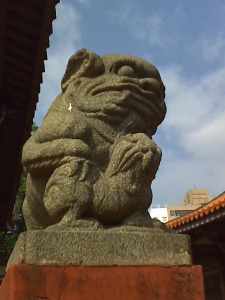
haus der patriotischen frauen
(unter japanischer herrschaft)
fuer Tong Yali
ein baum, ein hof,
der wind, die stadt.
es ist ein warmer wintertag.
in tainan ist es immer warm.
die stadt der tempel, der kultur;
die erste stadt: erinnerung.
MW 22. Februar 2012
彤雅立
記憶旅車
車子駛進了記憶
雪天里繾綣的石頭
海平面沒有風
巨浪在海底洄流
車子駛進從前的風
旋進黑色漩渦
《月照無眠》,二零一二年, 台北南方家園出版社,一三一頁
Tong Yali
erinnerung, wagen
der wagen faehrt los.
steine, in schnee eingerollt.
kein wind auf dem meer.
wogen tuermen sich darunter.
der wagen faehrt in den frueheren wind,
in den dunklen strudel.
Aus dem Gedichtband Schlaflos im Mondlicht (Yue zhao wu mian), Nanfang Jiayuan -Homeward Publishing, Taipei 2011, S. 131. MW Uebers. Febr. 2012
Tainan, city of temples. Temples everywhere, many lanes, full of flowers, blossoms, improvised housing, ancient and dated, broken and new. Squares in front of temples for breakfast stands, temple fairs, opera, evening barbecue. Temples complete with public toilets. The main Catholic church of the city is a beautiful traditional temple from 1960. Right across from the temple grounds dedicated to Koxinga, a Chinese-Japanese pirate’s son who fled from the mainland, drove out the Dutch and established the first Chinese kingdom on Taiwan, all in one year, he died rather young. And there is an Earth God’s temple next to the Catholic church. There was a wagon on the square in front of the church, with a few rows of plastic chairs. Very gaudy colors on the wagon, Taiwanese opera. A female warrior with a huge sword, ancient costumes. Tomorrow is the Earth God’s birthday, the church custodian said. Happy birthday! He was in his element, explaining the rich Tainan heritage. Sometimes people come and kneel on the steps of the church, he said, and only then they ask me which important god of the city is housed inside this magnificent temple. And when I tell them this is the Catholic church, they say sorry, we prayed at the wrong place, we didn’t know. Your prayers are very welcome, the custodian replies, and beckons them inside, like he did with us. They had been eating lunch, he and a woman, his wife maybe. Their little chamber next to the door was open. We had looked at the statue first, climbing over stoves and vats with food and cooking utensils, in preparation for the Earth God’s birthday. Mary looks very graceful in a simple and elegant robe, very Chinese, holding her naked baby Jesus. On the mosaic over the main altar inside they look more regal. But it is a very welcoming church. A traditional temple, I-Ching octagon tower with glass windows, couplets left and right written on columns, and boards, wooden and stone. An incense censer in front of the main altar. And an altar on one side for ancestor worship. “Oh, it’s from the 1970s, I didn’t know”, my friend said when we opened the gate, encouraged by the Earth God’s cooks, and looked at the statue more closely. Yes, she has traditional looks, like from the Qing Dynasty, but she is comparatively new, from the times of martial law. White Terror was still practiced on Taiwan when the church was built in 1960. Today, Tainan remembers founding fathers of its modern history inside the Japanese-era house of the Patriotic Women’s Association. These founding fathers of Tainan’s modern era are Japanese and British. Father of water taps and sewage, father of dams and canals, and so on. There is also one guy form the 16th century, sent from China. ”The soldiers who came from China after 1945 and took over from the Japanese didn’t even know houses with running water, they didn’t know taps!” That’s what a poet and scholar told me at the Taipei Book Fair, full of Taiwanese pride.
The last Japanese mayor of Tainan restored the main temples and historic sites. He prevented the Japanese troops from requisitioning and melting the huge bell from Kaiyuan Temple, which is still rung on important holidays. One of the main signs of the Confucius Temple, when you enter the temple grounds, was written by him. The temple grounds are sprawling, open and welcoming. Only the innermost part of the temple is guarded, and the entrance fee is 25 NT, 65 Euro Cents maybe. The city hall and seat of the provincial government from Japanese times is the Taiwan Literature Museum now, very modern and welcoming inside, lots of audio and other impressive installations, beautiful children’s rooms, extensive library, very accessible. This place was our destination when we came down from Taipei and Kaohsiung, an important stop in our one-month stay on Taiwan as translators into German.
标签:culture, history, literature, memory, religion, society, Tainan, taiwan
发表在 February 2012, Uncategorized | 2 Comments »
11月 6, 2011
去捷克三天,在布拉格犹太庙里印象很深的有小孩在集中营做的画和其他艺术品,还有诗歌。
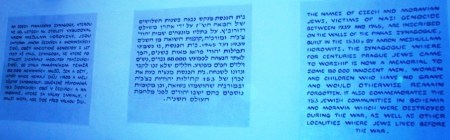
Čtrnáctiletý Hanuš Hachenburg a s ním i ostatní nově hledají své místo na světě, které jim bylo
ukradeno.
„Co jsem?
Ke kterému patřím z národů?
Já děcko bloudící?
Je mojí vlastí hradba ghett,
či země zrající,
spějící, malá, spanilá,
jsou Čechy vlastí, svět?“ [8]
 Odpovědí na Hanušovy otázky mohou být verše Františka Basse. Tento chlapec vyjadřuje hrdost na svůj
původ a neochotu poddat se. Promlouvá ke všem Židům, podněcuje je k tomu, aby se nestyděli za to
kým jsou a aby po zemi vždy kráčeli se vzpřímenou hlavou.
“Jsem žid
Jsem žid a židem zůstanu
i když já hlady umírati budu
tak nepodám se národu
Bojovat já vždy budu
za můj národ na mou čest
Nikdy se stydět nebudu
za můj národ na mou čest.
Pyšný já jsem na svůj národ
jakou má ten národ čest
Vždy já budu utlačený
Vždy já budu zase žít.“[9]
 Upstairs in the Pinkas Synagogue at the Old Jewish Cemetery of Prague, they have a collection of children’s art works from Theresienstadt (Terezin), where the Jews from Bohemia, Moravia and other regions were imprisoned before further deportation. Very few children, about 100 of 50.000, survived. I don’t remember the exact numbers, please check the links in the pictures, there is a lot of information, and there are pictures of the synagogues in Prague, some of the children’s art works, and so on. At the other end of the Old Jewish cemetery, at the Klausen Synagogue, in a glass case somewhere among the explanations about Jewish holidays, customs and traditions, was a little poem that begins with “Jsem žid“, “I am Jewish”. It was written by František Bass, or Franz Bass, don’t know how they called him at home. Franz Bass sounds very much like Franz Kafka. Many Jews spoke German, or Jiddish, others spoke Czech, many spoke and wrote all three and more. František Bass was 11 years old. The poem is not very long, and rather conventional, as a patriotic poem. It is very forceful, very powerful, in the circumstances. So I wrote it down, in Czech, tried to copy all those letters and symbols exactly. There was an English translation next to the original poem. But although I don’t speak Czech, I could tell that the original was a real poem, there is economy in the words, there are very few words compared to the clumsy translation. I wrote it down, and a few days later I got around to Google the poem. So I found this paper online, a thesis or a dissertation at a Czech university, just a text file. The little poem by Franz Bass is quoted in full, and it is put in context with another poem by the 14-year-old Hanuš Hachenburg. Hanush Hachenburg asks, asks himself and the listener what he his, which country or nation he could belong to. He should be Czech, at least he writes in Czech. But no, Hachenburg is answered by Frantishek Bass, he can only say for certain that he’s Jewish. And you can be proud of being Jewish, says Frantishek Bass. That’s what his poem is about, so I’ve called it patriotic. I think it’s very powerful. Jsem žid a židem zůstanu, i když já hlady umírati budu, tak nepodám se národu. I am Jewish, I will stay Jewish, even if I die of hunger, I won’t give up my nation. Or I won’t give in to any other nation, it doesn’t really matter, you’ll see. Bojovat já vždy budu, za můj národ na mou čest, Nikdy se stydět nebudu, za můj národ na mou čest. I’ll always be fighting, for my nation, on my honor. I’ll never be ashamed of my nation, on my honor. Big words. I grew up in Austria, and I’ve lived in China for a long while, and there is ample reason in Austria and in China and in many other places to be suspicious of such words. But in this Czech Jewish poem, they are different words, their meaning is different. Pyšný já jsem na svůj národ, jakou má ten národ čest. I am proud of my nation, an honorful nation. Vždy já budu utlačený, Vždy já budu zase žít. I will always be oppressed and killed, and I’ll always live again.
标签:austria, china, czech republic, holocaust, language, memory, patriotism, prague, synagogues, travel, war
发表在 November 2011 | Leave a Comment »
6月 2, 2011
so (children’s day)
it is children’s day today
so i’m very very tired
as i’ve been for many years
so i don’t appear so often
so i’m very very late
so i’m here like anyone
so we’re doing what we can
so i’ll have another birthday
so we’ve china to remember
so we’ve 1989
so we’re doing what we can
MW June 1st, 2011

标签:1989, 6.4, 6/4, Ai Weiwei, birthday, children, Children's Day, china, dissident, Elfriede Jelinek, family, June, justice, kids, life, Liu Xiaobo, memory
发表在 June 2011, Uncategorized, Welcome! | 1 Comment »
2月 15, 2011
it’s not quite spring
a bird is singing in a tree
above the snow
the children eat
or clear away for joy and play
all close to home
i didn’t get you anything
when i was small there was this store
and there we would get violets
or tulips something colourful
to bring your mom or grandmother
and that was all.
MW Febr. 2011
标签:all, birds, children, family, flowers, grandmother, home, love, memory, mother, seasons, snow, spring, time, valentine's day
发表在 Uncategorized | 1 Comment »
12月 10, 2010
This is a book about an absent person, who is held in prison; who has won a Nobel Peace prize and is not allowed to collect it: Liu Xiaobo. His old friend Bei Ling writes about him. He draws a many-faceted picture – only a knowledgeable friend can do that. This book is concerned with manifestos, petitions, political actions, but also with self-doubt and guilt, stubbornness and ambition. The author Bei Ling, who was imprisoned himself before, sees his duty in painting a complicated picture of this civil rights activist, with many different shades and colors. Bei Ling knows that he can see Liu Xiaobo only from one side, he can only portray him in profile, not from the front. But even if it is only part of a bigger picture, this part shows us a whole cosmos of courage and repression, of labor camps and life outside watched by security agents, like the life that the wife of this civil rights activist is forced to lead. This book offers a lot of information, but it doesn’t explain everything, because it wants you to keep asking questions. This is why I think everybody should read it.
Elfriede Jelinek, Tr. MW
Read more …
Liu Xiaobo biography published
My essay on Liu Xiaobo and the new biography
Translating the bio
Liu Xiaobo and 1984

标签:1989, Bei Ling, biography, china, Chinese literature, civil rights, constitution, diplomacy, Elfriede Jelinek, government, human rights, law, literature, Liu Xiaobo, memory, Nobel Peace prize, philosophy, poetry, politics, prison, Tian‘anmen, translation, writers
发表在 November 2010, Translations | Leave a Comment »
10月 5, 2010
No Choice – My Memories of Liu Xiaobo Before And After 1989
Keine andere Wahl – Liu Xiaobo, 1989 und heute
Bei Ling
This article was published on June 16, 2010 in Ming Pao Daily, Hong Kong and in Lianhe Bao (United Daily News), Taipei.
Die chinesische Originalfassung dieses Artikels erschien am 16. Juni 2010 in den Tageszeitungen Ming Pao (Hongkong) und Lianhe bao (United Daily News, Taiwan)
Translation/Übersetzung: Martin Winter
Source/Quelle: Lianhe Bao (United Daily News, Taipei)
http://mag.udn.com/mag/world/storypage.jsp?f_MAIN_ID=235&f_SUB_ID=4595&f_ART_ID=255134
See also
英語報紙:In English:
http://www.taipeitimes.com/News/editorials/archives/2010/11/02/2003487492
In German:
http://www.faz.net/s/Rub117C535CDF414415BB243B181B8B60AE/Doc~E3AB4F19D97FC404CB097C726A204806D~ATpl~Ecommon~Scontent.html
En espanol:
http://www.abc.es/20101010/internacional/xiaobo-1989-ahora-20101010.html
From the Noble Committee:
https://docs.google.com/View?id=dc7f6bh9_884dj3m7sfh
別無選擇——記1989年前後的劉曉波
【聯合報╱貝嶺/文】
2010.06.17 03:28 am
He is very gentle, but he cannot stand any false kindness; he emphasizes individualism, though in daily life he needs his friends very much … His unique personality highlights exactly the kind of character that is so extremely rare among Chinese intellectuals …
Er ist ein sanfter Mensch und kann doch faule Kompromisse nicht ertragen. Er tritt für die Freiheit des Individiums ein und ist doch im täglichen Leben sehr stark auf seine Freunde angewiesen. Sein eigenwilliger Charakter ist gerade unter chinesischen Intellektuellen sehr selten und kostbar…
他喜歡溫和,卻又無法容忍平庸的溫和,他強調個體,可在日常生活中他又如此地需要朋友……他獨特的個性恰恰反襯了中國知識分子極其缺乏個性……
Author’s comment:
This text has been modified. I first wrote it in New York in June 1989, after the June Fourth crackdown, and after I heard that Liu Xiaobo had been arrested in Beijing. I had to vent my feelings. The Liu Xiaobo in this article is my very personal Liu Xiaobo from over 20 years ago.
Read on …
英語報紙:In English:
http://www.taipeitimes.com/News/editorials/archives/2010/11/02/2003487492
德國報紙 Auf Deutsch:
http://www.faz.net/s/Rub117C535CDF414415BB243B181B8B60AE/Doc~E3AB4F19D97FC404CB097C726A204806D~ATpl~Ecommon~Scontent.html
西班牙報紙 En español:
http://www.abc.es/20101010/internacional/xiaobo-1989-ahora-20101010.html
挪威諾貝爾委會 Noble Comittee Communique
https://docs.google.com/View?id=dc7f6bh9_884dj3m7sfh
中國留學生 Chinese students abroad
http://www.dailyillini.com/blogs/different-perspectives/2010/10/31/chinese-illini-not-sure-how-to-feel-about-chinas-first-nobel
王超華 Wang Chaohua
http://www.thechinabeat.org/?p=2793
标签:1989, Charta 08, china, courage, friendship, literature, Liu Xiaobo, massacre, memory, philosophy, politics, prison, shame, violence
发表在 October 2010, Translations | Leave a Comment »
6月 20, 2010
venice (written on a city map) one yard of scents, with blossoms filled / one passage through the midday sun / one house, one water, one whole town / one thousand years become one day / they know it here, you’ll die quite soon / and everyone will come and say / what you may claim, and what remains / and then they’re ready to depart / cause what we are stays in this world / what we have done, what we have heard / one scent, one stone, one sound, one plan / a plea that says please understand
MW June 2010

venedig (auf einem stadtplan notiert) ein hof im duft, mit blüten voll / ein durchgang in der mittagszeit / ein haus, ein wasser, eine stadt / als wären tausend jahr ein tag / man weiss es hier, man stirbt recht bald / und alle kommen, es zu sehen / was bleibt, und was man noch erwirbt / dann wollen sie auch wieder gehen / denn was wir sind, bleibt in der welt / was wir getan, was wir geschaut / ein duft, ein stein, ein laut, ein plan / und eine bitte um verstehen MW 5. Juni 2010
《在威尼斯怀念喀什古城》
威尼斯地图记下
花香一院
犹太区
中午一通道
一屋、一水、一城
一日一千年
这里晓得生命很短
大家来看
啥事剩下、还能得到
然后就走掉
我们所做到的留下
一香、一响
一图、一求
请你听懂
2010.6

标签:art, atmosphere, beauty, city, death, destruction, development, economy, force, function, ghetto, heritage, history, jews, Kashgar, life, map, memory, Moslems, people, plea, poetry, politics, power, real estate, religion, soul, sun, time, tourism, understanding, value, Venice, water
发表在 June 2010, poetry | Leave a Comment »
3月 17, 2008
memory
we were discussing poetry
the one in scots was very good
and we had a dog with us
reading fathers’ hands aloud
we were having memories
back in 1989
didn’t hear of tibet then
it was early in the year
at the time i was in taiwan
haven’t found the shadow yet
shadow on the other side
there my son broke through the ice
actually there was no ice
when we stepped down from the island
it was getting warm already
we had asked a little girl
did she think the ice was safe
they were swimming in a hole
they have done it every year
it was getting warm already
no more skating on the ice
a touch of blue
the sky was fine
not far from here
in memory
we walked across the shichahai
we walked the ice
the island round
my son broke in
up to the leg
the beijing sky
back in 1989
i remember january
didn’t hear of tibet then
my father’s hands
his hands were warm
when i was small
we were discussing poetry
we climbed out on the other side
we warmed up in a coffee shop
and then we took a taxi home
actually we took a bus
yesterday back from the lake
it is early march this year
actually it’s not so early
it’s the middle of the month
please remember carefully
MW March 2008
标签:asia, asien, beijing, china, 诗歌,西藏,生活,家族, familie, family, Gedichte, leben, life, memory, poetry, tibet
发表在 March 2008 | Leave a Comment »


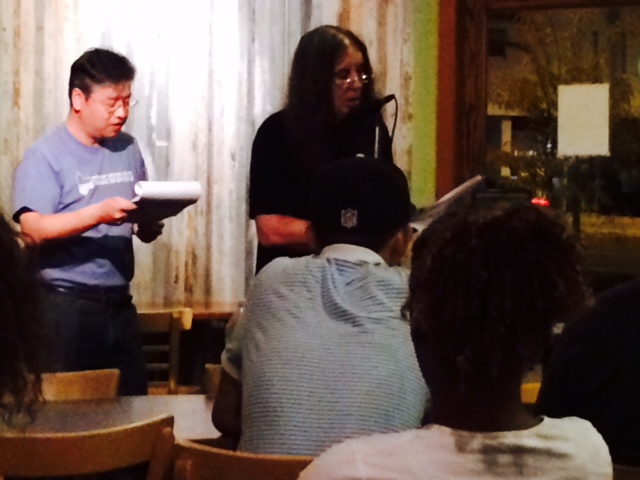
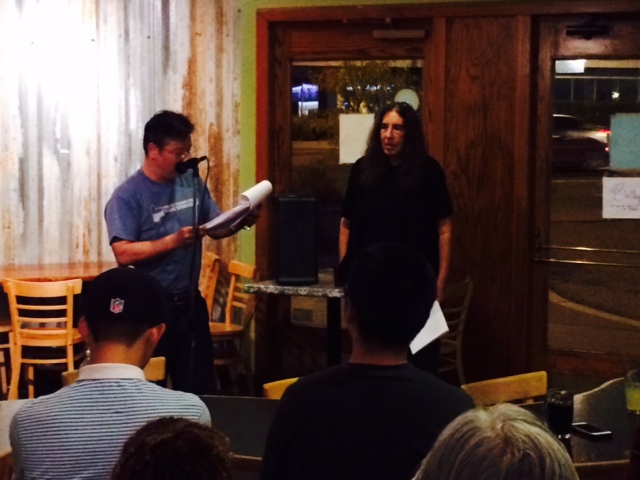

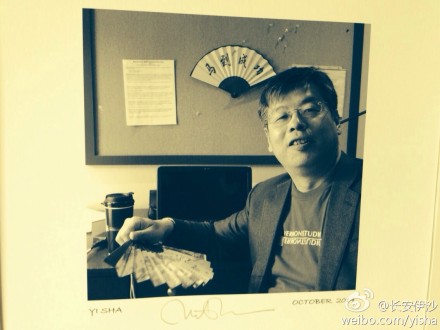







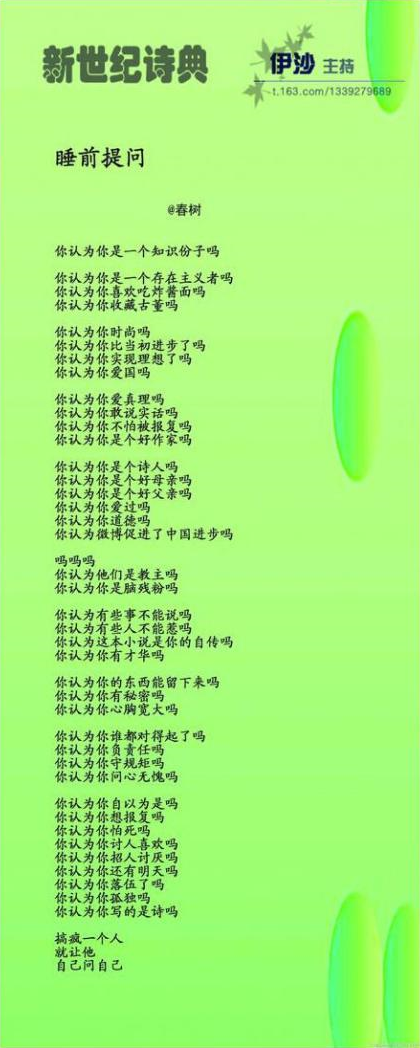

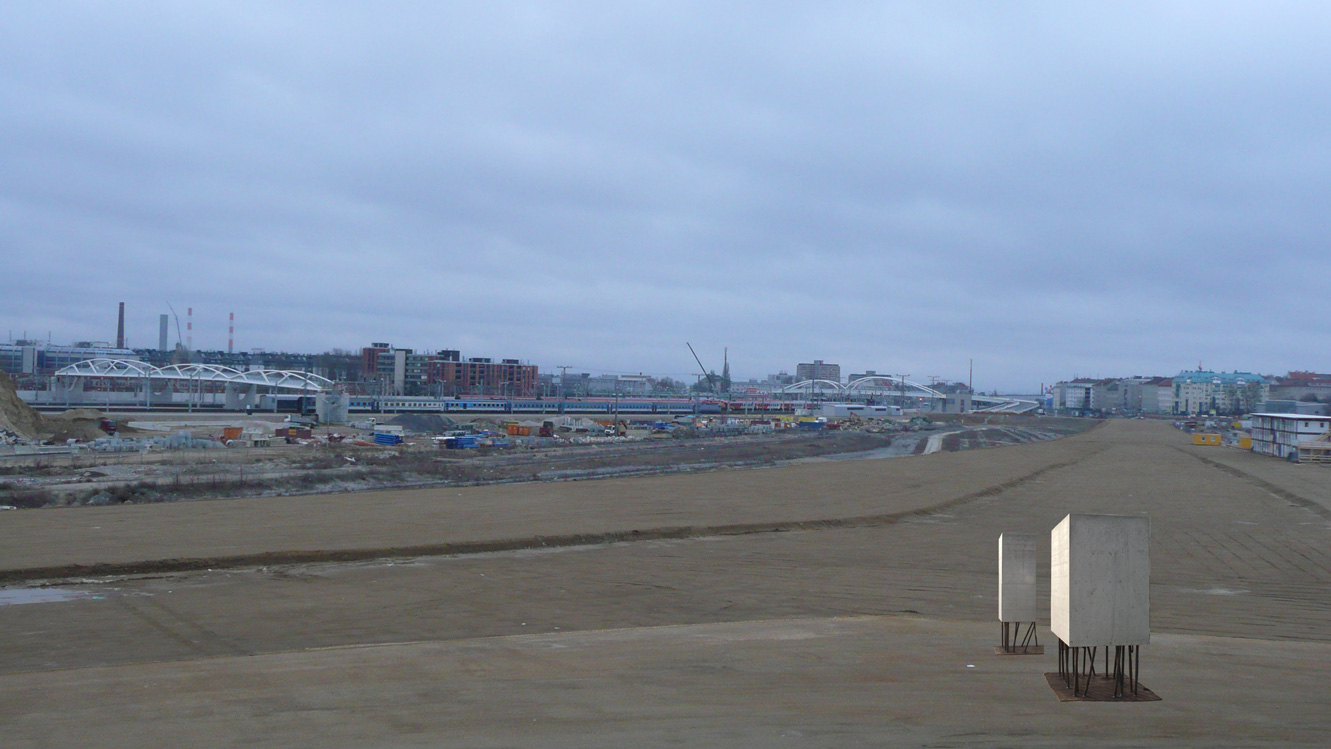


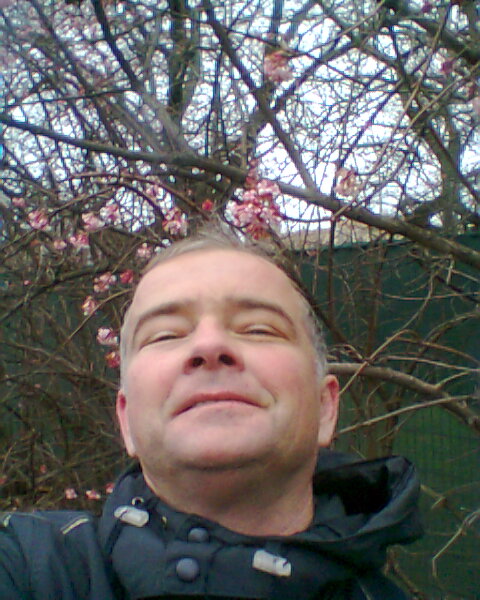
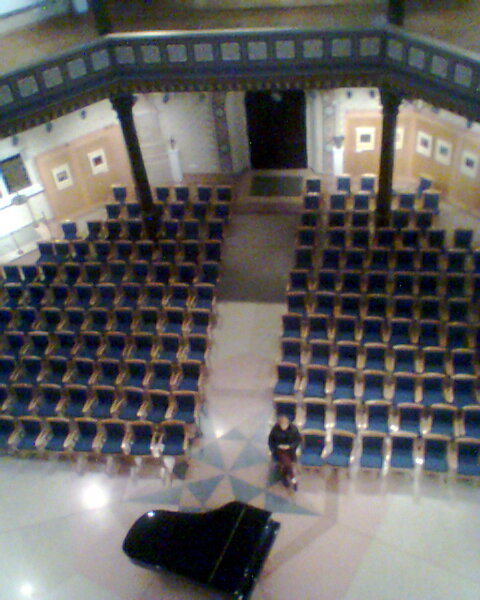


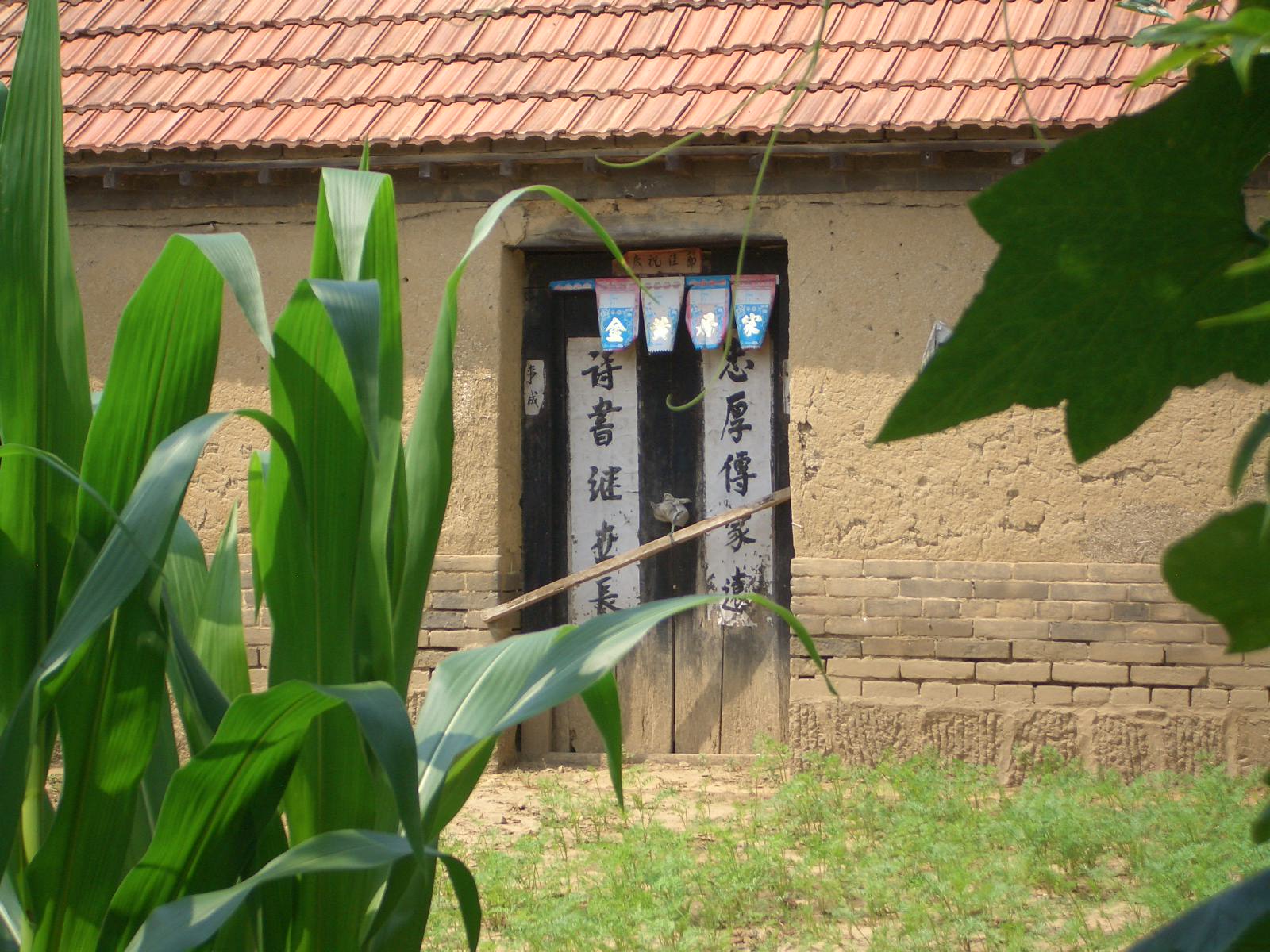
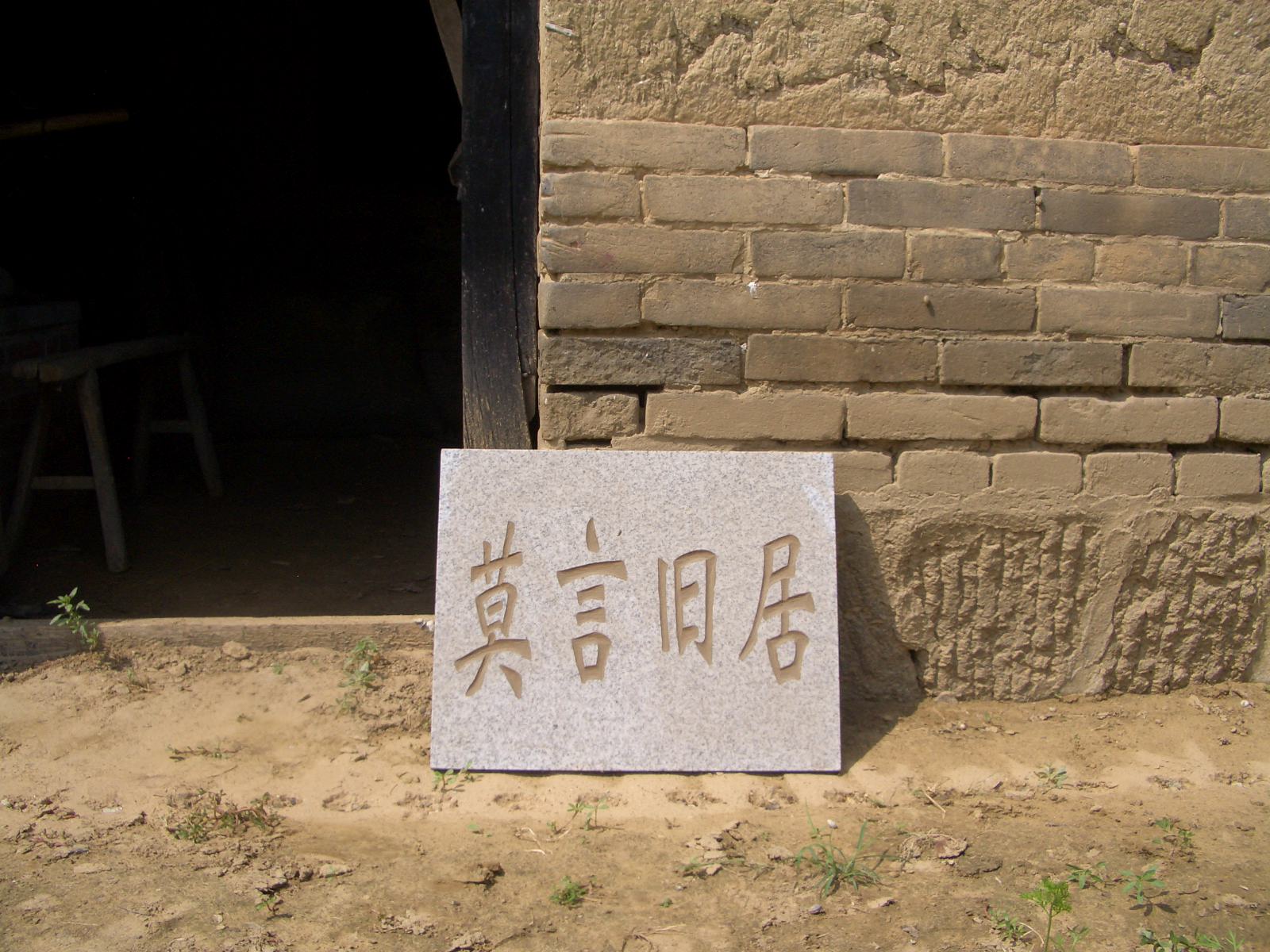
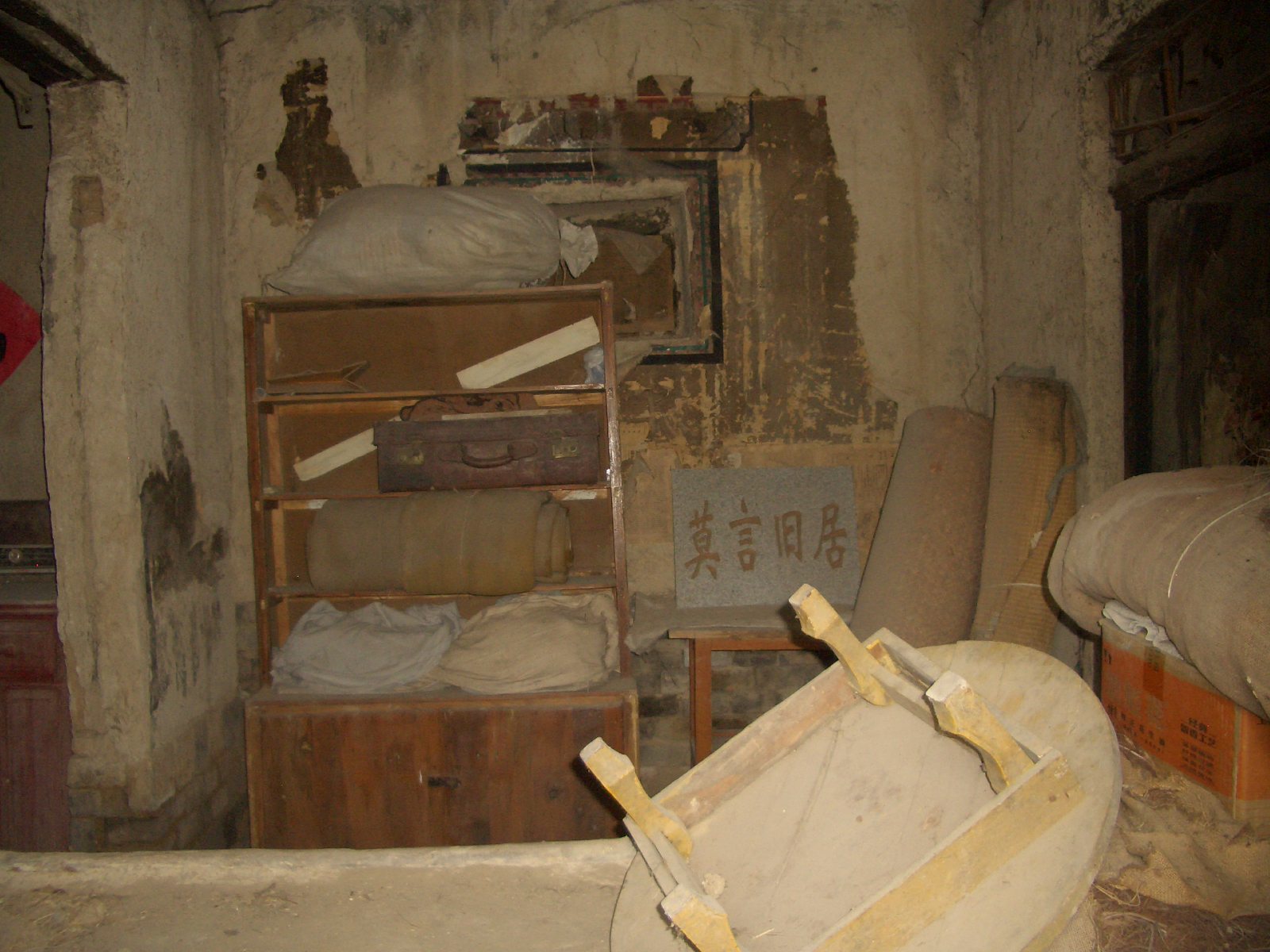

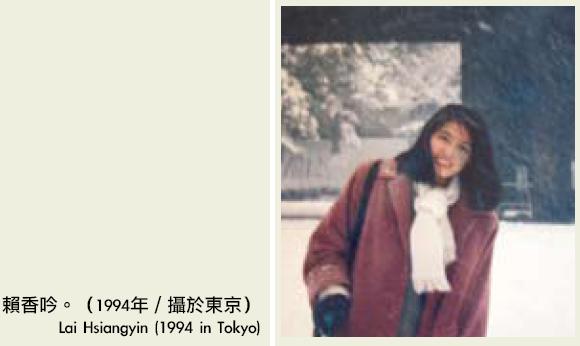





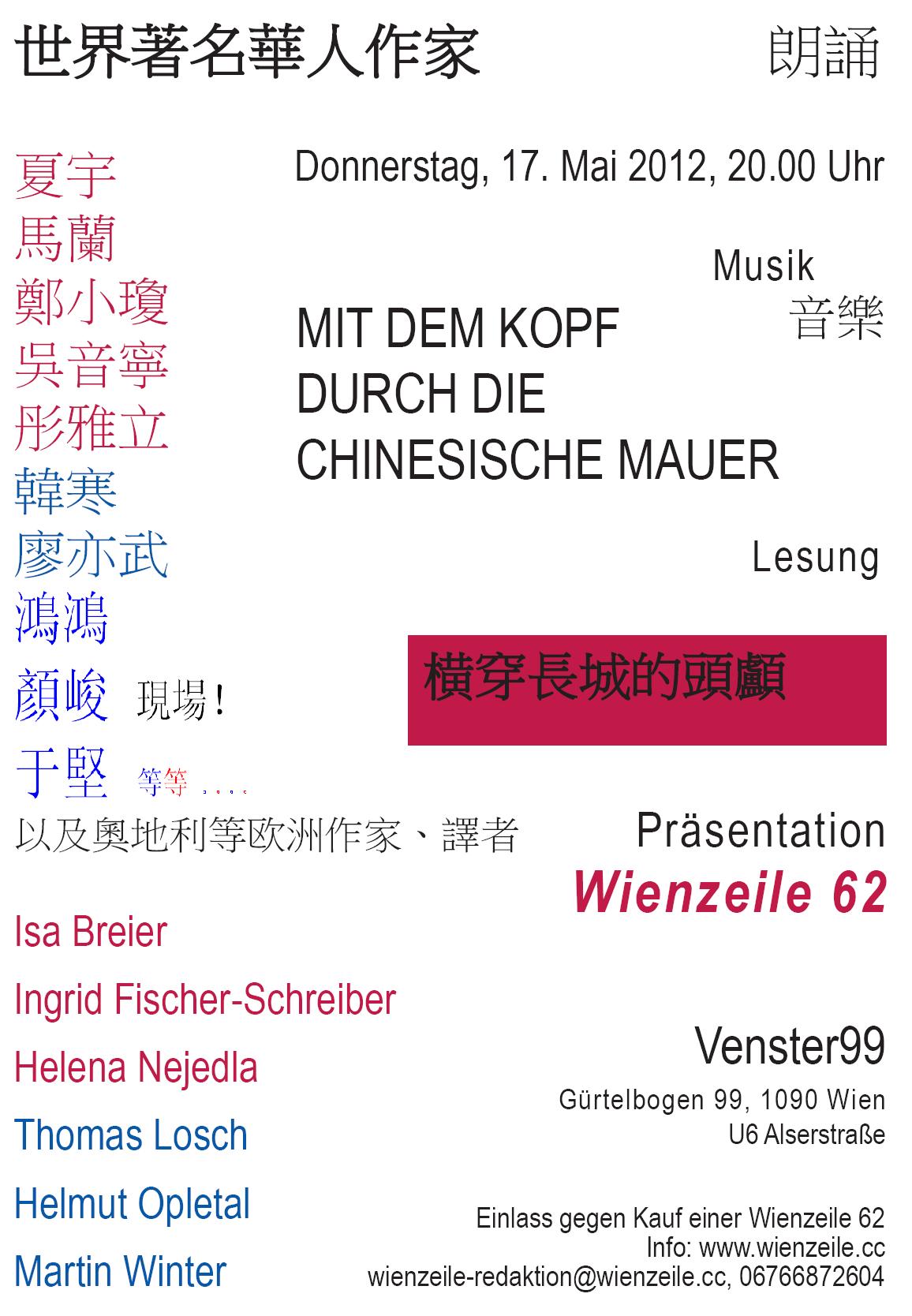
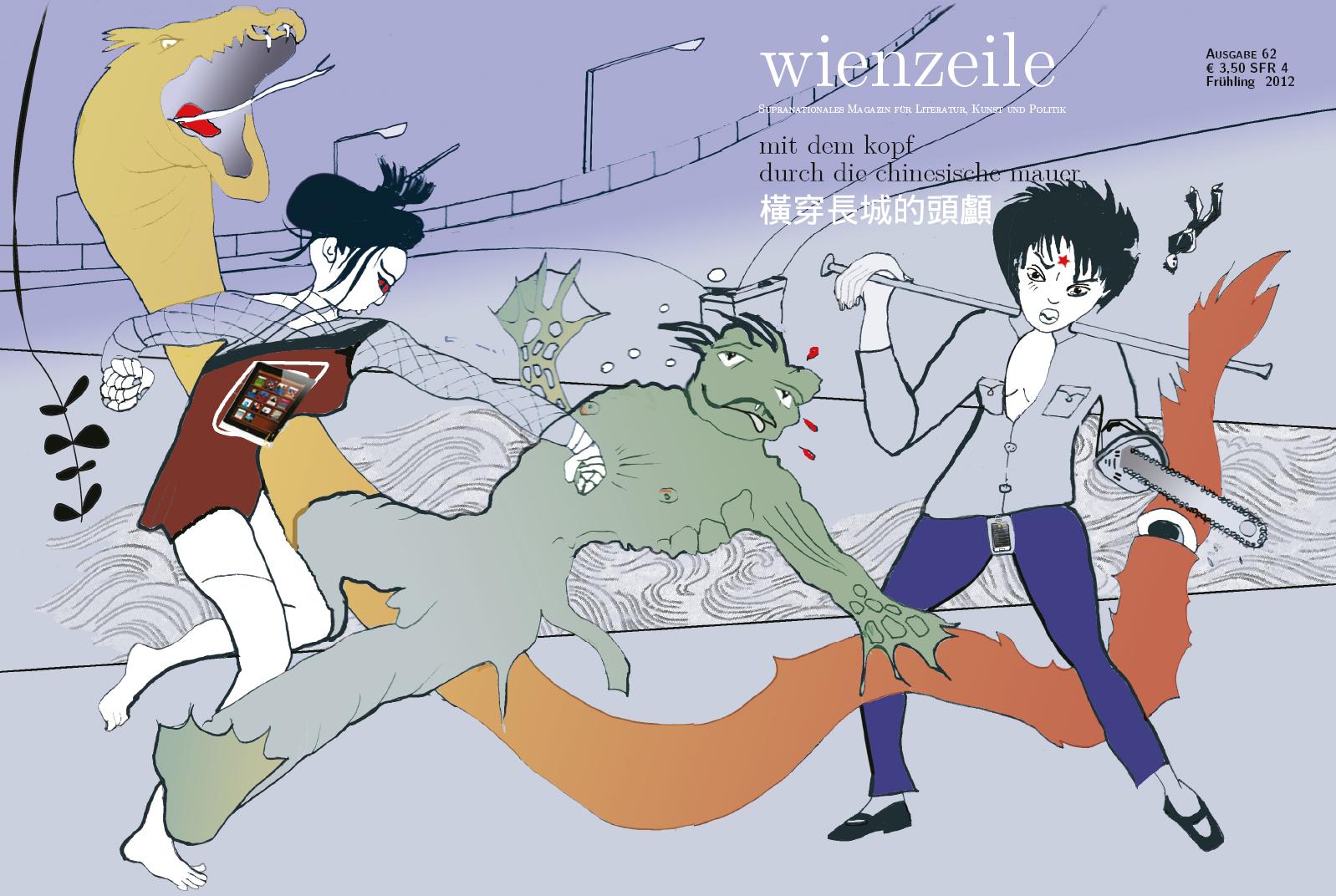
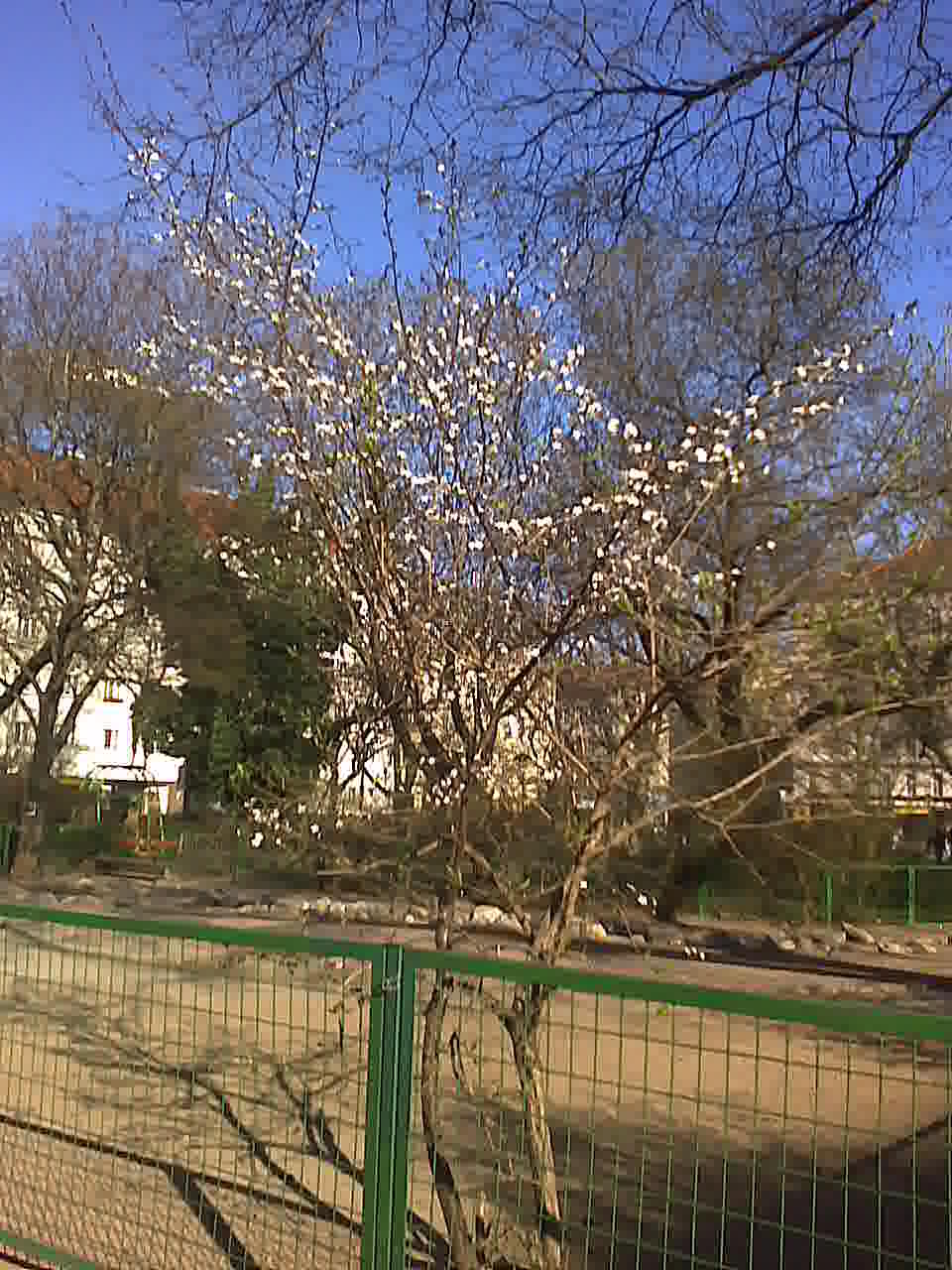



 中国大好き
中国大好き 