April 15, 2016 in Vienna. #Schutzbefohlene *
Spring is a wonderful season,
trees spilling their green.
Some are cut, some are planted.
Downstairs across they are planting a park,
used to be train tracks.
Last year we had refugees at the station.
Spring is a wonderful season.
They said it was 90,000 people or so
in all of Austria,
mostly in a few months,
who wanted to stay in this country.
Ten times more went on to Germany.
So many people wanted to help.
Train workers, even police.
Volunteers, often more than enough.
We live in the neighbourhood.
My daughter Maia went down to play with the refugee children.
After a while she knew the volunteers.
It was safe.
The refugees staid down by the station.
Some people from our house took in refugees.
There was discussion to use the shop,
the empty shop downstairs in this new house,
for refugee quarters.
Just for the winter.
That shop has bathrooms and everything.
But then they closed down at the station.
It was in December.
They took them with buses, they said, from the border.
On to Germany.
If you said you wanted Germany, they let you in.
They were building a fence.
So in December, the station was empty.
Maybe Mid-December.
No quarters in our house.
But people still coming in.
Coming up through the Balkans, used to be Yugoslavia.
In early January we played Tarot down in the library.
We have a library in our house.
And we play cards, for a few pennies.
On Friday nights.
We have had readings, and even theatre.
Gudrun and Peter, they built a stage.
Downstairs in the big common room.
We had a night reciting Bob Dylan.
Down you masters of war.
But then in January, there was Cologne.
In Cologne at the train station, on New Year’s Night.
Hundreds of women harassed.
Raped, one or two.
Many foreign men there at the train station.
Not enough police, or police doing nothing.
We should discuss this, one of us said.
We had been playing cards.
What is there to discuss, there ‘s not much in the news.
Maybe social networks did play a role.
I want to discuss this.
These refugees becoming a problem.
What is there to discuss, there’s not much in the news.
These refugees becoming a problem.
A discussion is stupid, without any facts.
So one of us went away in a huff.
Later I was away, I was in China.
In southern China, a poetry trip.
From southern China to Southeast Asia.
Self-organized.
The year before they went to Vietnam.
Wrote some good poetry.
Vietnam wars in the background,
including China attacking Vietnam.
And other stuff, daily life.
Morning routine.
This year I went with them through Southeast Asia.
Poets from all over China. 16 or 17.
One or two guides.
Guides of Chinese extraction.
Thailand, Singapore. And Malaysia.
Then back to Nanning, to southern China.
Poetry meetings, almost every night.
Sometimes more.
One time in the airport.
Plane was delayed, nothing better to do, call a poetry meeting.
Poems written there on the road.
Yi Sha has this dream, before every border.
Dreaming they won’t let him through.
Normally he writes down all his dreams.
Makes for good poetry.
But not this time, he was afraid.
Only when we were safe in Malaysia.
They had a crackdown, in Kuala Lumpur.
There was an attack in Indonesia.
Muslim majority in Malaysia, too.
If the father is Muslim, the child has to be Muslim.
Not Chinese or anything else.
It was not like this before.
At least according to our guide.
They have elections and a Sultan.
Or they call him a King, at least in Chinese.
It’s a beautiful country.
Tribes in the woods.
Our guide lived with a tribe for a week.
For a project at university.
She was very young, has a small child.
She speaks Fukien Chinese.
Mandarin with the tourists, of course.
Liked to talk about sex.
Malaysian men with many wives.
Just a few Muslims, who can afford it.
On February first, I came back to Austria.
Refugees still coming, though not so many.
News had been shifting.
Creating a climate against refugees.
We put a limit on loving our neighbours.
That was a poster.
The foreign minister, he’s very young.
The interior ministress.
She’s not there any more now, she’ll become governess.
Governor of Lower Austria.
And the candidate.
Their candidate for Federal President.
President is just a figurehead here.
Like in Germany.
In Germany, he is elected in parliament.
So he is from the majority party.
He or she.
In Austria, everyone votes for the President.
Everyone should.
Everyone is automatically registered, every citizen.
Nowadays you can vote in advance.
Local district office.
Ballot per mail, or there at the office.
That guy for limits on loving your neighbour won’t make it.
He’s trailing far behind in the polls.
But his policies are federal policy.
They let that happen, the Social Democrats.
They are the majority.
But they let it happen, they are just like the rightists.
News had been shifting.
These refugees becoming a problem.
Some Social Democrats work with the Rightists.
Those other Rightists.
That Freedom Party.
Some Neo-Nazis.
Some Neo-Nazis cling to this party.
Some were just Liberals.
In the 1980s they were for joining the European Community.
Anyway now they are shameless Rightists.
Austria should not be ashamed, they proclaim.
Including old Nazis, including SS.
And Social Democrats think they should work with them.
But they are trailing, the Social Democrats.
Maybe their candidate will fall behind,
though not as far as the one with the limits.
They are far behind, both of them.
Three candidates are in front.
Front-runner is from the Green Party.
They always were for refugees.
And there is a woman.
Not from a party.
A former judge.
Liberal views, for the economy.
Definitely not from the Left.
Those two were leading.
But Freedom Party candidate is closing up.
No, he doesn’t say we are all Germans.
Though he says many things.
Austrians first, don’t be ashamed.
Don’t be ashamed of anything.
Works better than just talk about limits.
So I’ve voted already, ten days in advance.
I’m afraid.
That Freedom guy is worse than Trump.
Similar causes why they are so popular.
Austria is very small.
President is just a figurehead.
But I’m afraid.
Austria becomes Hungary.
Headline in Switzerland, two days ago.
Rightist government, fences.
Italy protesting, not only Greece.
Against Austria, in the EU.
EU has been weak.
Rightist reactions in Eastern Europe.
Rightist rhetoric against refugees.
From Social Democrats, some of them.
EU is weak, was very weak in the Yugoslav wars.
Mid-April sun is shining outside.
Spring is a beautiful season,
trees spilling their green.
Some are cut, some are planted.
Downstairs across they are planting a park.
Martin Winter
April 15, 2016
*Schutzbefohlene means people placed under protection. It is the title of a play by Elfriede Jelinek, the Austrian author who won the Nobel prize for literature in 2004. She wrote the play in 2013. It was performed, by refugees, at University of Vienna on April 14, 2016, when a group of rightists stormed the stage. They sprayed red paint and reportedly injured performers, including children. I wrote the long poem above on Friday morning, April 15. I had not been at the performance and knew nothing about the incident before my text was finished. But I think my text works as background reading, at least.
I leave
my very best language
for my poems
for my lectures
when I’m back home
the records are sketchy
my words don’t make sense
I stutter and stammer
I’m hemming and hawing
so my wife doesn’t know
if I have what it takes.
I hope and I pray
everyone else
believes the opposite.
ein verwandter arbeitet
in einer großen staatlichen firma.
rennt herum auf der ganzen welt,
vertritt überall chinesische handys.
zum frühlingsfest kommt er zu uns,
schenkt mir kaffee aus äquatorial-guinea.
ich trink den kaffee die ganze zeit.
heut haben wir ihn wieder zu gast.
ich schenk ihm sein geschenk ein
und bin voll des lobes:
“der kaffee ist herrlich,
ich schmeck die sonne direkt am äquator.”
aber der herr diplomingenieur
weiß wirklich nicht was sich gehört
und korrigiert mich:
“onkel, verzeihung.
ich hab mich vertan.
der kaffee ist aus dem libanon.”
ich bin im dilemma.
der geschmack der sonne direkt am äquator
ist jetzt der geschmack von hizbollah-raketen?
ich hab schon den schaden
aber der sture diplomingenier
lässt mich noch nicht aus.
er nippt am kaffee
und schnalzt mit der zunge.
“onkel, du dichtest zuviel.
der kaffee schmeckt ein bisschen
wie frischer ingwer.”
each time I think of 1997,
when my mother died,
I also drag up a heap
of shards and splinters
of happiness.
a flower opened,
a poem was published.
a happy feeling
you only get
from having survived.
a process of healing,
a walking corpse
with small signs of waking.
maradonna 1983
gesund und gefährlich
im bernabéu-stadion
vorbei am verteidiger
am tormann vorbei
und ins leere tor
ein riesen-applaus
von erbittertsten feinden
mein idol
noch unvergiftet
ganz reines blut
im dem jahr ist erschienen
mein erstes gedicht
am brunnenrand hält er seinen sohn, seinen liebling,
sagt zu meinem vater: “in zukunft
können unsere kinder nur zum militär gehen,
einen anderen weg wird es nicht geben. “
sie haben noch etwas anderes gesagt,
wahrscheinlich über die ernte.
sie hatten nicht so viele themen,
aber kinder bespricht man nicht wie das wetter.
niemand hätte gedacht, dass eines der kinder
sich an die worte erinnert. außerdem weiß er noch
schmerz im gesicht eines vaters.
vielleicht war es nur eine lästige motte.
vierzig jahre später erinner ich mich an die szene.
am brunnenrand sind keine väter,
erst recht keine söhne. nur dieser kopflose satz
geht durch offene maisblätter,
durch teufelszwirn der sich schlängelt,
im abendlicht und im schatten
von unten herauf.
hat sich das andere kind
vielleicht auch einen satz meines vaters gemerkt?
sucht er auch nach mir,
um einen satz auszutauschen? jedenfalls
reden wir noch über das heurige wetter.
he is not here
for he is risen
he’s not here with us
with our eggs
in our nests
with our bunnies
maybe he is
in idomeni
somewhere on the road
let’s make austria strong
say the people
who seal the borders
god is for humans
god is for earthquakes
god is for bishops
god’s for the birds
god is for pawns
god is for efforts
god is for nothing
god’s beyond words
Moschee und Casino
haben Adam und Eva.
Das Casino in Singapur
am Botanischen Garten
empfängt mit Dali und mit Botero.
Boteros Adam und Eva
stehen am Eingang.
Weiß das der Künstler?
Kunst ist ein zweideutiges Ding.
Macht dich Poesie zum besseren Menschen?
Die Putrajaya-Moschee von Malaysia
steht hoch und herrlich.
Ich falte die Hände.
Eine alte Frau spricht mich an,
fragt mich, ob ich Muslim bin.
Ich sag nichts dagegen,
sie lässt mich ins Innere
und hilft mir Fotos schießen.
Ich weiß nicht, wie man betet,
das sieht sie und gibt mir einen Prospekt.
Es ist recht kompliziert.
In vierzig Minuten ist wieder Gebetszeit.
Hoffentlich kann ich teilnehmen?
Die Männer sind unten, die Frauen sind oben.
Der Prospekt informiert mich,
Adam und Eva waren Muslime.
Adam war gleich der erste Prophet.
Die Moschee hat auf Englisch auch den Koran.
Ich schlage das Buch auf.
Allah hat viele Zeichen gesendet.
Schlaf ist ein Zeichen,
genau wie die Schöpfung,
die Vielfalt von Sprachen und Farben.
Wir haben nicht genug Schlaf auf dieser Reise.
Ich schau hoch hinauf in die riesige Kuppel
und möchte Muslim sein,
versteh auch warum kein Bildnis erlaubt ist.
Eine halbe Stunde später sind wir beim Bier.
Ich frommer Muslim
glaub noch an die Schönheit.
Kunst und Poesie sind Zeichen von Allah.
Geschrieben auf Chinesisch am 28.1. 2016 um 3:27 in der Früh.
Deutsche Fassung vom März 2016
Mosque and casino
both have Adam and Eve.
The casino in Singapore
at the Botanical Garden
greets you with Dali and with Botero.
Botero’s sculptures Adam and Eve
at the gate of the casino.
What would the artist think of this sight?
Art is a rather ambivalent thing.
Poetry makes you a better person?
The mosque in Malaysia’s government district
is a sight to behold.
I am folding my hands.
An old lady asks me if I am a Muslim.
I just bow and keep silent,
so she lets me go in
and helps me taking pictures.
She sees I don’t know how to pray
so she gives me a folder and tries to explain.
There’ll be prayer time in forty minutes.
Men at the bottom, women up there.
She hopes I can make it.
The folder says
Adam and Eve were also Muslims.
Adam was the first Prophet.
The Mosque has Quran editions in English.
I flip through a section.
Allah bestows many signs on mankind.
Sleep is a sign,
along with creation
and languages and different colours.
We haven’t had enough sleep on this trip.
Soaring up with my eyes,
I think being a Muslim is good.
I know why it’s forbidden to make any idols.
Half an hour later we are drinking beer.
I am still a believer
in beauty in art.
Poetry and art are signs of Allah.
feigmann ist ein solidarischer mensch
genau wie die zeitung
genau wie das fernsehen
die herrinnen bundesminister
hoch die internationale feigheit
wir haben die balkan-route verstopft
jetzt stopfen wir die italien-route
wir sind ja mittendrin
wir sind österreich-ungarn
MW März 2016
AUSTRIAN FEDERAL CHANCELLOR CHICKEN
chancellor chicken is all solidarity
he loves the papers
he loves the tv
he loves his fellow interior ministers
hail international cowardice!
we have blocked the balkan route
now let us seal the italian corridor
let us block ourselves all over europe
first and foremost
austro-hungary!

MW March 2016
unsere dichtertour
kommt nach amerika
kommt bis nach tucson in arizona
dort wohnt meine schwester
die leute machen sightseeing
nur jiang tao und ich
wir sind bei meiner schwester daheim
kochen mit ihr zusammen
jeder zeigt was er kann
zwei, drei gerichte
draußen sonnenuntergang
goldene strahlen auf den kakteen
in meinen träumen in letzter zeit
bin ich die ganze zeit in malaysia
im hochland-casino kenting
jetzt bin ich am klo und uriniere
pan xichen kommt herein
stellt sich gleich neben mich
ich frag “bruder, wieso bist du hier?”
“du hast doch im internet mobilisiert,
alle spieler unter den dichtern
sollen zu dir kommen und mit dir spielen
ich hab mich sofort ins flugzeug gesetzt …”
wir verlassen das klo
und merken erst jetzt
es war keine männertoilette
auch keine damentoilette
sondern eine transentoilette
ich reite auf einem
elefanten in thailand
ich hab eine riesige drachenmondlanze
wie im roman der “drei reiche”
und meine eigene kampfmethode
ich und mein kriegselefant
wir töten ganz viele feinde
keine rüstung ist vor uns sicher
Februar 2016
Übers. v. MW im März 2016
《梦(632)》
我骑在一头
泰国战象上
手执青龙偃月刀
使出了我独创的
一套刀法
杀得敌人
片甲不留
Yi Sha 《梦(633)》 TRAUM 633
Ich schreite aus wie ein Komet
auf einer Straße der 70er Jahre
In Xi’an im Süden die Xingqing Road
wenige Menschen, fast keine Wagen
am Horizont sind die Berge
ganz ganz deutlich
mit Tusche gezeichnet
ich bin wieder in singapur
gesetze sind noch viel schärfer geworden
jeder muss englisch reden
inklusive touristen
wer nicht englisch spricht
wird am mund ausgepeitscht
es gibt einen aufstand
ich gehe auch zu den guerillas
unsere basis
liegt im malaysischen dschungel
ich bin immer noch in südostasien
wieder in vietnam
ein kleines dorf im norden
ein kokosnussbaum
dort oben sitz ich im hinterhalt
und wart auf die amis
aber ich schieße nicht mit kokosnüssen
sondern mit durians (die fürchterlich stinken)
in nanning
hat martin durchfall gehabt
das war sicher von seiner reise
20 stunden und mehr
am zweiten tag war es schon besser
hat martin in bangkok durchfall gehabt?
hat er in pattaya durchfall gehabt?
hat er in singapur dünnschiss gehabt?
hat er in malakka dünnschiss gehabt?
oder in kuala lumpur?
ich glaub überhaupt nicht
im hochland-casino-hotel von kenting
hat martin sicher durchfall gehabt
er hat nämlich gefehlt
beim abendlichen dichtergefecht
das war von durian und bier zusammen
also praktisch arsen
zurück in nanning war sicher kein durchfall
da hat er gewonnen, zum dritten mal
und den gesamtweltcup geholt
hat er dann auf der rückreise durchfall gehabt
in shanghai oder vielleicht in paris
oder bei der ankunft in wien?
er hat nichts gesagt
im traum hab ich alles genau aufgezählt
unser einziger nicht-chinese
auf unserer tour durch südostasien
sein gesundheitszustand
von vorne bis hinten
und aufgeschrieben
wieder hock ich im hinterhalt
auf einem baum
es ist ein banyan-baum
ich will jemanden töten
einen mann namens “iran”
aber es kommen nur lauter dichter
aus guangxi
auf unserer reise durch südostasien
hat uns jemand in eine falle gelockt
ein klassisches komplott
wie vor 2000 jahren in china
ich und frau chen
unsere starke malaysische reiseführerin
wir haben alles durchschaut
verschanzen uns auf der toilette
jeder von uns hat eine pistole
ich flüstere ihr zu:
“bitte geben sie den befehl
dann stürmen wir los
und retten die gruppe …”
im zweiten weltkrieg
bin ich in paris
ein spion für die allierten
ich habe viel glück und überlebe
mein geheimnis ist
jede zehnte information
an die ich herankomme
verkauf ich auch an die deutschen
immer die wertloseste information
durch die niemand sterben muss
unter dem siamesischen mond
kommt eine verführerische
brillenschlange daher
sie schießt sich selbst in den fluss
den chao phraya river
sie landet auf einem rücken
eines krokodils
und beisst sofort zu
aber das krokodil
frisst am ende die schlange
people are slow here
says our guide
you have to get used to them
then it’s dark in a jump
and the moon climbs very fast
to her highest position
guess she is happy
to serve Chinese tour groups
so these few years
she runs faster and faster
January 2016
SLEEPING PALACE
actually the palace is very still
tourists stream in and out
serious people stay in their pictures
the palace is sleeping
in history
Bangkok, January 2016
IN THE EMPORIUM OF PRECIOUS STONES
In the emporium of precious stones
there is a smoking room,
looks a bit like a prison.
Men who need separation
quietly gather,
with their heavy hearts
just for a short spell;
then go on buying things.
January 2016
TRANSVESTITES IN THAILAND
“Some are half-demon,
half-demon, half human.”
I am sure our guide is a man.
He is open-minded, just like his country.
“We in China this, China that …”
I wish his China was a real country.
MW January 2016
VACATION
Let us go diving into the deep.
Last year in August
someone in Tianjin
said one thousand people had died.
He was put in jail.
Let us go diving.
Elections this year in Taiwan,
first female president.
Let’s go now, let’s go.
These few days
someone gave an interview
voice of freedom or something.
Said the city he lived in
was not free,
autonomous region was not autonomous.
Let us go diving now.
He got fourteen years.
He wasn’t the first.
Let’s go now, go.
There’ll be other things
planned for the afternoon.
January 2016
SHE HAS TO BE PERFECT
In Singapore
we have a new guide.
Her name means “swallow”.
She explains about their laws.
Sounds a bit like Thailand
talks about Buddhism.
“You have to be careful,
you can’t just sit down anywhere.”
We get in very late
but we still call a reading.
Across the street from the hotel
you can sit outside,
you can even smoke.
Long as you don’t toss the butt.
When you order a beer,
one bottle per person may be too much.
Where is the moon?
In Singapore
she obeys the law to the letter,
otherwise they beat her behind.
She steps out of the clouds
in her most perfect poise.
January 2016
POETRY READING IS GOOD
Poetry Reading’s good,
Poetry Reading’s good.
In our New Poetry Canon, people’s dignity is high.
System clique’s in the dregs,
state-sanctioned writers scurry with their tails between their legs!
January 2016 (to the tune of Socialism Is Good)
MOSQUE & CASINO
Mosque and casino
both have Adam and Eve.
The casino in Singapore
at the Botanical Garden
greets you with Dali and with Botero.
Botero’s sculptures Adam and Eve
at the gate of the casino.
What would the artist think of this sight?
Art is a rather ambivalent thing.
Poetry makes you a better person?
The mosque in Malaysia’s government district
is a sight to behold.
I am folding my hands.
An old lady asks me if I am a Muslim.
I just bow and keep silent,
so she lets me go in
and helps me taking pictures.
She sees I don’t know how to pray
so she gives me a folder and tries to explain.
There’ll be prayer time in forty minutes.
Men at the bottom, women up there.
She hopes I can make it.
The folder says
Adam and Eve were also Muslims.
Adam was the first Prophet.
The Mosque has Quran editions in English.
I flip through a section.
Allah bestows many signs on mankind.
Sleep is also a sign,
along with creation
and languages and different colours.
We haven’t had enough sleep on this trip.
Soaring up with my eyes,
I think being a Muslim is good.
I know why it’s forbidden to make any idols.
Half an hour later we are drinking beer.
I am still a believer
in beauty in art.
Poetry and art are signs of Allah.
January 2016
HEROES’ MONUMENT OF MALAYSIA
Was it a glorious thing when they died?
Did they go to war
for peace and freedom?
In World War I
In World War II
In civil war
they hardly had any choice.
In 1966
Malaysia’s prime minister had them erected
a park of monuments.
They already had one from World War I.
With names from Europe, also from India.
Probably officers.
To make this park for all those who died,
all those who gave their lives in the wars.
In 1966.
I was born in that year.
Maybe this monument
was a good idea.
January 2016
COMING BACK FROM ABROAD, LADEN WITH TREASURE
Coming back from abroad, laden with treasure.
Thanks everybody!
Thanks to Rong Bin,
to Niu Yihe, to 3A.
Thank you, Li Zhenyu.
You said my diarrhoea
was as fast as my poetry.
Thank you, Benben.
You made me eat Durian.
Thank you, Jun Er.
You bought me beer.
Thank you, Xiang Lianzi,
you offered me coffee.
Let’s all thank Jiang Tao
helping us to get back on the bus.
Thank you, Gao Ge
you helped me smuggle pillows.
Thank you, An Qi,
you helped me buy a mattress.
Thank you, Ru Ye,
we slept in one bed,
you recited erotic poetry for me.
Thank you, Xing Hao.
You sang praise to my body hair.
Thanks everyone for beautiful poetry.
Let’s say thanks to our guides,
A Fu and A Ping, Ms. Yan, Ms. Chen –
and on our last day
Mr. Chen, who had studied in Canada.
They taught us how to speak,
how to say thank you.
Kap kun ka – your credit card is empty.
Dai ni ma kan xi – take your mom to a theatre.
Our guides taught us history
and facts about Chinese minorities.
The Chinese platoon #93
in the Golden Triangle.
The Singapore Church of The Law.
Their story of independence.
The state of Malaysia,
elections and tribes.
Thank you, Yi Sha!
We had so many readings.
We broke every record.
We come back from the south,
laden with treasure.
ein bisschen fasten
wär wirklich schön
40 tage keine kronenzeitung
40 tage null mikl-leitner
40 kurze tage kein kurz
40 tage keine begrenzten
keine nächstenliebebeschränker
keine rachenverbreiter
dann immer drei tage weiter
keine auferstehung!
Hauptsache, es wird geredet. Über Ashraf Fayadh und das Todesurteil über ihn. Die Schande. Auch ein arges Wort. Shame. Starker Roman von Salman Rushdie, auch wenn er damals verrissen wurde. Früh, gleich nach Midnight’s Children. Verurteilt wegen Glaubensabfall. Stinkt nach Öl. Vor ein paar Tagen war eine schöne Lesung hier in Wien. Für viele Frauen und Männer, die Gedichte geschrieben und sich zu Wort gemeldet haben. Sollte es öfter geben. Die Bedrohung ist leider die ganze Zeit da. An vielen Orten.
Zugleich entlarven sich die ach so Christlch-Sozialen selbst. “Der Nächstenliebe Grenzen setzen”. Unter diesem Schild, oder war es ein Transparent? Da sind sie alle gestanden. Der Außenminister. Die Innenministerin. Der Präsidentschaftskandidat. Zu wünschen ist ihnen ein Ergebnis bei der nächsten Wahl wie bei der letzten, der Wahl in Wien im Oktober 2015.
Im Österreichischen Konsulat in Kairo, oder im Außenministerium wird irgend jemand entschieden haben, Omar Hazed kein Schengen-Visum zu gewähren. Über den Dichter Omar Hazed ist in letzter Zeit auch schon öfters berichtet worden. Leider konnte er nicht ausreisen, gestern oder vorgestern. Das ist auch Ai Weiwei passiert, damals 2011. Dann wurde er verschwunden, wie es so schön heißt. 被失踪了。He was disappeared. Für eine Zeit. Oder wie sagt man auf Deutsch? Fünf Buchhändler und Buchhandelsangestellte wurden kassiert. Alle aus Hongkong. Von der Staaatssicherheit. Der Chinesischen.
Liao Yiwu hat darüber geschrieben, dass auch er gewarnt wurde, im Jahr 2011. Von der Staatssicherheit. Die war alarmiert, durch den Arabischen Frühling. Viele durften nicht ausreisen. Auch wenn sie schon Tickets hatten. Und sogar Visa. Wie auch Liao Yiwu. Ai Weiwei fuhr trotzdem zum Flughafen. Er wollte nach Taiwan, zu einer Ausstellung.
Wir hätten auch ein Gedicht von Liao Yiwu vortragen können bei der Lesung für Ashraf Fayad. Hätte auch gut gepasst. Etwa das Lied für Ilham Tohti, der 2014 in Ürümqi in China zu lebenslänglicher Haft verurteilt wurde. Fürs Reden, Schreiben, Unterrichten. Für offene Worte. Im Dezember ist es gesungen worden, in Berlin. Das Lied für Ilham Tohti. Ich habe es übersetzt. Ins Englische und ins Deutsche. Auch für ihn gab es große PEN-Aktionen, in New York und anderswo.
Heute wird in Taiwan gewählt. Bei der Lesung für Ashraf Fayadh am Mittwoch in Wien habe ich ein Gedicht von Hung Hung vorgetragen. Über einen jungen Mann, der sich umgebracht hat. Nachdem er gesucht worden war, nach einer Demonstration. Hung Hung hat Erich Fried übersetzt und vorgetragen. “Die Gewalt”. Bei der Besetzung der Legislative, des “Legislative Yuan” vor zwei Jahren. Poesie muss nicht immer absichtlich von Politik sprechen. Hauptsache, es wird geredet.
TARIM RIVER
– dedicated to Ilham Tohti, the Uighur scholar sentenced to life in prison
River Tarim, River Tarim.
River in exile, water in jail.
Died in the desert, dying of thirst.
Wind keeps on playing reeds in the sky,
eternal water, somewhere up there.
River Tarim, River Tarim.
Hounded to death, hounded and cursed.
How many grains of sand in your tears?
You have to know who your mother is,
who your mother is?
River Tarim! River Tarim!
River of prayer, river of hope.
River, for freedom you are dried out!
River, for freedom you’re all alone!
………
1) The Tarim river originates in the Tianshan mountains. It flows through vast desert areas. The river cannot find an outlet from the desert, and so the river bed changes every year. The biggest prisons and labor camps in China are found in the Tarim river area, which is therefore also called “China’s Siberia”.
2) Ilham Tohti is an economics professor at Minzu University in Beijing and the foremost Uighur public intellectual in the People’s Republic of China. He was sentenced to life in prison in September 2014 for advocating basic economic, cultural, religious and political rights for the Uighurs, the largest indigenous people in northwestern China. (Amnesty International)
2015
Translated by Martin Winter, 2015
Liao Yiwu TARIM
Der Fluss Tarim, der Fluss Tarim.
Fluss der Verbannung, Fluss eingesperrt.
Fluss der versiegt, verdurstet im Sand.
oben im Wolken-Schilfrohr der Wind,
oben im Himmel rinnt noch der Fluss.
Der Fluss Tarim, der Fluss Tarim.
Du wirst gejagt, verflucht in den Tod.
In deinen Tränen steckt wieviel Sand,
kennst deine Mutter, kennst du sie nicht?
Kennst du sie nicht?
Der Fluss Tarim! Der Fluss Tarim!
Fluss aus der Hoffnung, Fluss des Gebets!
Fluss der für Freiheit trocknet, versiegt!
Fluss der für Freiheit alleine bleibt!
…..
1) Der Tarim entspringt im Tianshan-Gebirge. Er fliesst durch weite Wüstengebiete. Weil er keinen Ausweg findet, ändert sich jedes Jahr sein Flussbett. Im Gebiet dieses Flusses befinden sich die größten Gefängnisse und Straflager in China. Deshalb wird die Gegend auch “Chinas Sibirien” genannt.
2) Ilham Tohti ist ein uighurischer Universitätsprofessor in Peking, der sich für Bürgerrechte in der Autonomen Region Xinjiang einsetzte. Im September 2014 wurde er in Ürümqi wegen “Separatismus” und “Verhetzung” zu lebenslänglicher Haft verurteilt.
in der nacht
geh ich raus aufs klo
sehe
die schaukel
an der weinranke
schwingt noch
mondlicht
sitzt
und freut sich
2015
Übersetzt von MW im Januar 2016
Ma Fei ZWEIFEL
manche sagen dieses land
gleiche einem pissoir
andere meinen sogar
es sei eine latrine
ich hege nicht dieselbe meinung
auf einer latrine
hab ich immer das gefühl
alle innereien treten heraus
sonst im leben
ist das
nicht immer so
someone talking
someone listening
someone not listening
someone not hearing
someone listening somewhere else
someone pretending to listen
someone forgets everything
someone doesn’t follow
someone oblivious
someone asks later if someone was listening
someone going to beat up someone
9/2/15
Tr. MW, Jan. 2016
Qin Bazi SITZUNG
manche reden
manche hören zu
manche sind nicht beim zuhören
manche hören nicht
manche hören’s woanders
manche tun als ob sie zuhören
bei manchen geht es hinein und hinaus
manche kommen nicht mit
manche sind gar nicht mehr da
manche fragen hat jemand zugehört
manche wollen manche verprügeln
A branch in my orchard
asked me
who was buried down at the back.
A precious place in Fengshui!
I swooped with my scissors
and sent him flying.
A different branch said:
“About the airport up on the mountain
when are they going to start construction?
Will we have to move to some other garden?”
I made no sound
but my scissors dealt with the question.
Another branch wanted an explanation
of the El Niño phenomenon.
I gave him satisfaction,
it was a clean cut.
Then the whole tree was rustling its branches
“What about this year’s apples,
do you have the money in hand?”
I went for my ax
and chopped down the thing.
eau pas comme l‘eau
nuages en formation
ombres des nuages blancs
elles ne bougent pas?
sur l’eau et sur la terre
maintenant c’est seulement
des nuages blancs
c’est un privilege
d’être assis dans un avion
bien que maintenant tout le monde prend l’avion
vous prenez un avion c’est a dire vous avez l’argent
ou bien vous êtes assez importante
aller en avion, c’est très vite
mais dans un avion vous avez du temps
vous pouvez regarder les nuages
regarder un film
faire une conversation ou dormir
et vous pouvez écrire un poème
mais si vous prenez un avion tous les jours
c’est une chose différente
les nuages sont différents?
les ombres sont différents?
peut-être les conversations et les poèmes
seraient différentes.
Dieses Gedicht hab ich vor drei Monaten im August im Flugzeug nach China auf Chinesisch geschrieben. Bei einem Gespräch mit einem Schüler aus China. Er war aus Daqing. Es war eine ganze Klasse, sie kamen aus England zurück. Daqing ist der bekannteste Ort in China, wo es Öl gibt. Im Norden.
Die französische Version habe ich jetzt gerade geschrieben. Die Schweizer Künstlerin Anna Kubelik hat mich inspiriert. Sie hat ein Gedicht gelesen, in dem sie vorkommt. Zufällig, auf meinem Blog. Ein Gedicht von einem Flug von Montreal nach Istanbul, vor einem Jahr, vor über einem Jahr. Ich hatte das Gedicht schon vergessen. Es ist recht experimentell. Ungewöhnlich, sehr ungewöhnlich für mich. Aber zurück zu dem chinesischen Gedicht von diesem August.
Ich war auf dem Weg zum internationalen Poesie-Festival in Qinghai. Am Qinghai-See auf der tibetischen Hochebene und in Xining.
Am ersten Tag des Festivals bekam ich in der Früh einen Anruf im Hotelzimmer. Ob ich einen kleinen Vortrag halten könne? Ich hatte vorher gehört, dass sie kleine Vorträge über Poesie haben wollten. Aber dann hieß es wieder, das sei nicht unbedingt nötig. Gedichte vortragen sei genug. Und Übersetzen, in meinem Fall. Aber dann der Anruf. Was sollte ich vortragen? Keine Ahnung, erst einmal Frühstück. Unten beim Frühstück mit den anderen war natürlich auch keine Zeit, sich etwas zu überlegen. Dann war ich in der großen Konferenzhalle der Provinzhauptstadt Xining, gleich beim Hotel. Weltberühmte Poeten und Fachleute hielten ihre Vorträge. Übersetzt ins Englische und ins Chinesische, gleich dort auf der Bühne.
Ich saß neben einer tschechischen Übersetzerin, Zuzana Li. Wir hatten gute Gespräche davor und danach, auf Englisch mit Brocken aus Tschechisch und Deutsch. Ich versuchte unter der Bank mein chinesisches Gedicht aus dem Flugzeug ins Englische zu übersetzen. Dann wurde ich aufgerufen.
Ich ging nach vorn und erklärte auf Chinesisch und Englisch, ich habe keinen Vortrag über Poesie, nur ein Gedicht.
Dann las ich das Gedicht vor und versuchte, es auch auf Englisch deutlich zu machen.
Es beginnt mit vier Silben. Die erste Zeile besteht aus vier Silben. Die zweite auch. Wasser ist nicht wie Wasser. Das sind schon sechs Silben. Das Wasser ist überhaupt nicht wie Wasser. Eine Armee aus weißen Wolken. Die Schatten der weißen Wolken bewegen sich kaum. Auf dem Wasser und über dem Land.
When white clouds get thick, clouds become everything. It is a privilege to sit on a plane. Although nowadays everyone takes a plane. To sit on a plane means you have money. Or it means you are important.
Planes go very fast. But when you sit on a plane, your time is most often your own.
Hier hab ich eingehakt und erklärt, dass mich dieses Motiv, dass man Zeit hat für sich selbst, obwohl man sehr schnell unterwegs ist, dass mich dieses Motiv an Yi Shas 伊沙 berühmtes Gedicht von der Überquerung des Gelben Flusses erinnert 《车过黄河》.
In dem Gedicht überquert er im Zug den Gelben Fluss. Er sollte am Fenster sitzen mit Blick auf den Strom, oder an einer Türe stehen im Korridor, eine Hand an der Mütze, mit dem Blick auf den uralten Strom, mit alten Rechnungen aus der Geschichte. Und wie ein großer Mann aussehen, oder wenigstens wie ein Dichter. Aber er ist am Klo. Er hat schon so lange darauf gewartet. Und jetzt hat er Zeit. Jetzt hat er endlich Zeit für sich selbst. Und wenn er endlich fertig ist, ist der Gelbe Fluss schon weit weg geflossen.
Dieses Motiv, Zeit haben, sich Zeit nehmen können für sich selbst, während man unterwegs ist, das hab ich praktisch zitiert in meinem chinesischen Gedicht. Das hab ich erklärt, und das war mein Vortrag.
They say, cursing isn’t right;
if you curse other people you have no breeding, no education.
I am fearful,
have to be very careful
to be a tasteful woman
in front of their eyes.
But today I decide
to break this commandment.
Today
I have to shout dirty words.
Zhang Liumao, born in Canton
on June 20, 1972,
detained on August 15, 2015
for “inciting trouble with words”.
On November 4 at three in the morning,
his family received a notice
from Canton #3 Detention Center,
to collect the ashes of Zhang Liumao.
When I heard this
I was taking a stroll
in a beautiful village.
It looked like a painting.
And I went spitting into the daisies:
Fuck you, fuck you ten thousand times!
Fuck your goddamn mother!
Then
I cleared my throat
and walked forth with great strides.
a smokestack
a chimney
a phone antenna
and a big tree
form lady liberty
maybe not
MW October 2015
BEI THOMAS & CORNELIA:Chang’an Poesiefest
wo 2 oder 3
oder auch 4
einander zuprosten
im namen der poesie
der musik
da bin ich mitten unter dem tisch
chang’an poesiefestival
diesmal ohne chinesen
in darmstadt bei frankfurt
ich lese liao yiwu
das neue lang-gedicht
MEIN GEFÄNGNIS. MEIN TEMPEL
aus der zeitschrift akzente
herausgegeben von herta müller
und mein GEBET
thomas spielt akkordeon
eine art knopfharmonika
cornelia querflöte
hauptsächlich arbeiterlieder
jackie singt lettische weisen
wir singen mit
fast wie wenn in china
unter der stadtautobahn
an einem neuen kanal
wo eine fabrik war
und jetzt teure wohnblöcke stehen
zwei, drei musik machen
chang’an poesiefestival
kommt natürlich aus xi’an
von yi sha gegründet
mit qin bazi & xidu heshang
& vielen anderen
chang’an poesiefestival
das gibt es an vielen anderen orten
nur nicht ohne yi sha
insgesamt über 200mal
private treffen mit poesie
das hat etwas von freiheit
es kommt mehr zur sprache
als auf großer bühne
wir haben auch so etwas gemacht
MW Oktober 2015
HORIZONT
ein rauchfang
ein schornstein
ein handymast
und ein großer baum
eine freiheitsstatue
oder auch nicht
MW Oktober 2015
《早上风景》
一条烟囱
一棵树
是一条烟囱吗?
一条电话天线
是这样说的吗?
一条电话天线
和一棵树
自由女神
也许不
2015.10.19
EIN GEDICHT
ein gedicht eine
berührung wen du
berührst weisst du nicht
What is this secret deep in the grave?
It has never told you, doesn’t tell now.
You kneel before it, you offer wine.
It has never told you, doesn’t tell now.
You hire grave robbers, digging with shovels.
Go through it, empty it, leave it alone.
It doesn’t tell anything.
Till it’s blown flat by the wind.
they talk about where their families come from
some from Shaanxi
some from Henan
or Yuannan or Sichuan.
Most come from Jiangsu.
When they ask me, I say Gansu.
Some person asks if it is a district in Shaanxi
Some shake their heads
they simply don’t know
later, finally someone says
they had an earthquake this year
as soon as he says it
the earth trembles again in my heart.
i dreamt ma fei was a policeman
took yi sha many foreign poets and me
to the police station
because of public reciting of poetry
when we go in
yi sha shows his journalist’s card
it’s no use
we have to wait in the corridor
for a long time into the night
I wish he could just let us go
but he can’t
a hairdresser when I was young.
there was a stove with open fire.
red, very red.
sleepy lamplight.
suddenly, two policemen come in
like from a winter night.
“got to let him finish the job”
two policemen
take out one pair of handcuffs,
hairdresser doesn’t say anything.
he knows why they’ve come, he was waiting for them.
he just did my hair
silently, thoroughly.
sometimes his fingers trembled a little.
like on the rafters, all the cold straw
up where the light came in.
it must be a dream
I get to meet her
at the college where I teach
between the building for males
and the building for female students
she pushes me down on a ping-pong-table
and goes on to ride me
cheered on by students
from those two buildings
I’m beginning to stammer:
“th-th-this c-can’t b-be right?
th-th-they are all my students”
June 2015
Tr. MW, July 2015
Yi Sha TRAUM Nr. 533
es muss im traum sein
dass ihr begegne
an der uni wo ich unterrichte
zwischen den gebäuden
für die jungen damen und die jungen herren
drückt sie mich nieder
auf einen ping-pong-tisch
um auf mir zu reiten
anfeuernde rufe
von jungen leuten von beiden gebäuden
ich fang an zu stottern:
“d-d-das g-g-geht d-d-d-och n-n-nicht,
d-d-as sind a-alles m-m-meine schtudenten!”
xu jiang, hou ma and I
have formed a band
I play the guitar
xu jiang’s on the keyboards
hou ma plays the drums
xu jiang and I
take turns as singers
hou ma can’t hold a pitch
we don’t let him sing
he’s too busy at work
sends his little brother heng xiaoyang
at our rehearsals
he’s never there
so the day of our concert we blow it completely
not because of hou ma
cause of me
on the stage I realize
I can’t play guitar
I can’t even open my mouth to sing
I fly to some country
at the border control
immigration inspector in uniform
looks at me and says:
“please take out your poetry!”
oh! he can speak chinese
and looks familiar
I look again
then I exclaim:
“you are shang zhongmin!
what do you want with my poems?”
shang zhongmin
jumps up and salutes:
“sir! welcome to the holy poetry empire!
but you must show your poetry.”
ist das ein baum?
das bin ich ganz allein
ist das ein baum im winter?
er ist das ganze jahr so
wo sind die blätter?
die sieht man nicht
warum zeichnest du einen baum?
ich mag die art wie er steht
wird der baum auf die dauer nicht müde?
auch ein müder baum muss stehen
leistet dir niemand gesellschaft?
es gibt vögel
ich sehe keine vögel
ich hör ihre flügel
wenn du vögel hinmalst sieht es doch gut aus?
ich bin alt und blind und seh sie nicht
du kannst überhaupt keine vögel zeichnen?
nein, kann ich nicht
du bist dieser alte und dumme baum
das bin ich
2013-12-12
Übersetzt von Martin Winter im November 2014
LIU XIA. Eine Fotografin aus China. Vernissage am 10.Februar 2015. Ausstellungsdauer: 21.Februar – 19.April 2015 m Martin Gropius Bau Berlin. LIAO YIWU, MARCUS HAGEMANN, MARTIN WINTER
Please click on the picture or here to see more poetry
Glaubst du, du bist eine Intellektuelle?
Glaubst du, du bist eine Existenzialistin?
Glaubst du, du magst Zhajiang-Nudeln?
Glaubst du, du sammelst Antiquitäten?
Glaubst du, du gehst mit der Zeit?
Glaubst du, du bist vorwärts gekommen?
Glaubst du, du hast deine Ideale verwirklicht?
Glaubst du, du liebst dein Land?
Glaubst, du liebst die Wahrheit?
Glaubst du, du wagst es, die Wahrheit zu sagen?
Glaubst du, du fürchtest keine Vergeltung?
Glaubst du, du bist eine gute Schriftstellerin?
Glaubst, du bist eine Dichterin?
Glaubst du, du bist eine gute Mutter?
Glaubst du, du bist ein guter Vater?
Glaubst du, du hast schon mal geliebt?
Glaubst du, du hast Anstand?
Glaubst du, Microblogging bringt China voran?
Frage, Frage, Fragezeichen
Glaubst du, man sollte sie anbeten?
Glaubst du, du bist ein Fangirl?
Glaubst du, es gibt Sachen, die darf man nicht sagen?
Glaubst du, manche Leute darf man nicht provozieren?
Glaubst du, deine Romane sind deine Memoiren?
Glaubst du, du bist begabt?
Glaubst du, deine Dinge werden bleiben?
Glaubst du, du hast ein Geheimnis?
Glaubst du, du hast ein großes Herz?
Glaubst du, du bist jedem gerecht geworden?
Glaubst du, du hast Verantwortung übernommen?
Glaubst du, du hast nach den Regeln gehandelt?
Glaubst du, du findest keine Scham in deinem Herzen?
Glaubst du, du hältst dich für unfehlbar?
Glaubst du, du möchtest dich rächen?
Glaubst du, du fürchtest den Tod?
Glaubst du, du kannst sie um den Finger wickeln?
Glaubst du, du wirst ihnen lästig?
Glaubst du, du hast noch ein Morgen?
Glaubst du, du bist schon zurückgeblieben?
Glaubst du, du bist allein?
Glaubst du, was du da schreibst, ist ein Gedicht?
Der Mensch macht einen verrückt
Lass sie sich doch
selber fragen
2012
Übersetzt von Cornelia Travnicek und Martin Winter im Jänner 2015
untertags bilder schießen
und nachts schlaflos sein
im traum mit einem feind
von liebe sprechen
mit einem spion
mit jemandem gleichen geschlechts
zusammen mit dem, der mich streichelt
zusammen mit dem, der mich grapscht
in einem traum da kann kein großes feuer sein
kein schwerer schnee
gefühle besprechen, menschen morden
manchmal stolpert das herz, manchmal bricht‘s
kleider in schreienden farben tragen
schäumender überschwang
und heißes blut
2012
Übersetzt von Cornelia Travnicek & Martin Winter im Jänner 2015
Chun Sue
DREAMING OF LIVING INSIDE A DREAM
taking pictures by day
then sleepless at night
in a dream with a foe
talking love
with a spy
talking love
in a dream, same-sex love
in a dream with the one who caressed me
in a dream with the one who harassed me
talking love, can’t be no big fire
can’t be no great snow
in a dream, making love, shoot to kill
panicking, heart-broken
showing colourful clothes
going round gushing feelings
or gushing blood
2012
Tr. MW, 2014-2015
Chun Sue MORGENS ÜBER DIE CHANG‘AN-STRASSE
Mein kleiner Bruder sagt: Vater, wir sind auf der Chang’an
schau sie dir gut an
Das ist genau die Chang‘an, die du über zwanzig Jahre lang gegangen bist
Ich sitze beim Vater, beim kleinen Bruder
Fast beginn ich zu weinen
Jetzt erst weiß ich
warum ich diese Straße des ewigen Friedens mag
Langsam, langsam fährt das Auto am Militärmuseum vorbei
an den roten Mauern von Zhongnanhai
am Xinhuamen
Papa ist klein jetzt, er ist eine Urne
die steht zwischen uns
die braucht nicht viel Platz
Das Auto fährt am Tian’anmen vorbei
und ich sehe
wie er auf dem Platz steht
und uns zusieht, wie wir vorbei fahren
Wie soll ich nur über dich schreiben
Du Sohn eines Bauern
Auch ich bin in einem Dorf geboren
Auch ich bin das Kind eines Bauern
Ich lege für dich eine Nacht lang Armeelieder auf
schluchzend und schreiend –
das mag ich auch.
2012
Übersetzt von Cornelia Travnicek & Martin Winter im Jänner 2015
I n-need t-to b-b-break out
f-f-from y-y-your s-sp-pout-ting s-song
b-break o-out o-of y-your h-house
m-m-my sh-shoot-t-ting t-t-tongue
m-m-mach-chine g-g-gunn f-fire
it feels so good
i-in m-m-my s-st-tut-t-ter-ring l-life
the-there a-are n-no g-ghosts
ju-just l-llook at-t m-my f-face
I d-d-don’t c-care!
1991
Tr. MW, 2015
Yi Sha 《结结巴巴》 ST-STO-TO-TT-TERN
m-mein st-sto-to-tt-ternd-der m-mund
b-b-behind-dderter schschlund
b-b-bei-sst- s-ich wund
an m-meinem r-rasenden hirn
und m-meine b-beine –
euer t-trief-fend-der,
schschimmliger schschleim
m-meine l-lunge
i-ist m-müd’ und hin
i-ich w-will r-r-aus
aus eurem g-gross-a-artiggen rh-rhythmus
a-aus eurem h-haus
m-m-meine
sch-schp-prache
m-masch-schinengewehr-s-salven
es tut so gut
in m-meinem st-stott-ttoterndem r-reim
auf m-mein l-leben g-gibt es k-keine l-leich-chen
s-s-seht m-mich a-an
m-m-mir i-ist all-les g-gleich!
1991
Übersetzt von MW im April 2013
<結結巴巴>
結結巴巴我的嘴
二二二等殘廢
咬不住我狂狂狂奔的思維
還有我的腿
你們四處流流流淌的口水
散著霉味
我我我的肺
多麼勞累
我要突突突圍
你們莫莫莫名其妙
的節奏
急待突圍
我我我的
我的機槍點點點射般
的語言
充滿快慰
結結巴巴我的命
我的命裡沒沒沒有鬼
你們瞧瞧瞧我
一臉無所謂
1991
Photos and videos by Beate Maria Wörz
Yi Sha 《精神病患者》 GEISTESKRANKE
theoretisch
weiß ich nicht
wie es sich äußert
wenn eine geisteskrankheit ausbricht
ich hab nur gesehen
in diesem land
in dieser stadt
wenn ein geisteskranker loslegt
streckt er den arm hoch und bricht aus
in parolen
der revolution
theoretically
I don’t know
how it should be
when a mental patient
suffers an outbreak
but what I have seen
in this country
in this city –
a mental patient suffers an outbreak:
up goes his arm
out come the slogans of revolution
1994
Tr. MW, 2013-2014
Photos and videos by Beate Maria Wörz
Yi Sha 《我想杀人》 ICH MÖCHTE JEMANDEN UMBRINGEN
ich fühle mich etwas komisch
ich will jemanden töten
oh! das war letztes jahr
herbst kroch über das laub
zwanzig todeskandidaten
am flussufer nördlich der stadt
“peng! peng!”
einer wurde aufgeschnitten
in der folgenden operation
erhielten WIR eine niere
I am feeling a little strange
– I want to kill someone
Oh! It was last year
autumn crept over the leaves
twenty death candidates lined up
at the river north of the city
„Peng! peng!“
One of them was cut open
and in the following operation
We got a kidney
1994
Tr. MW, 2015
Yi Sha 《9/11心理报告》 9/11 AUF DER COUCH
erste sekunde mund offen scheunentor
zweite sekunde stumm wie ein holzhuhn
dritte sekunde das ist nicht wahr
vierte sekunde kein zweifel mehr da
fünfte sekunde das brennt nicht schlecht
sechste sekunde geschieht ihnen recht
siebte sekunde das ist die rache
achte sekunde sie verstehen ihre sache
neunte sekunde die sind sehr fromm
zehnte sekunde bis ich drauf komm
meine schwester
wohnt in new york
wo ist das telefon
bitte ein ferngespräch
komme nicht durch
spring zum computer
bitte ins internet
email ans mädl
zitternde finger
wo sind die tasten
mädl, schwester!
lebst du noch?
in sorge, dein bruder!
2001
Übersetzt 2013 von Martin Winter
Yi Sha 9.11 REPORT FROM THE COUCH
Ist second: mouth barn-door open
2nd second: wooden-chicken stiff
3rd second: couldn’t believe it
4th second: it must be true
5th second: what a great fire
6th second: well they deserve it
7th second: this is retribution
8th second: these buggers have guts
9th second: must be their religion
10th second: before I realize
my own little sister
lives in new york
I need a telephone
long distance call!
can’t get a connection!
I go storming for a computer
where is the internet
typing out characters
writing an email
shaky fingers
“sister, sister!
are you alive?
your elder brother is worried sick!”
im abendlicht treten wir auf weizensprossen
die sind im winter auch noch nicht gelb
oma und opa gehen wir besuchen,
wohnen schon viele jahre im grab.
am grab ist ein grabstein, der stein hat die namen der ganzen familie.
oben die großen zeichen sind liebe toten
oh, oma hat keinen eigenen namen
sie heißt einfach shen, geborene yuan
unten sind ganz viele ganz kleine zeichen, das sind die enkel
ein haufen namen, ganz dicht beisammen
wie korn an korn verzahnt ineinander
auf einem maiskolben
die stärkste art von blutsverbindung
nicht zu vertreiben, nicht zu zerstören
all die namen auf dem grabstein
stehen zusammen noch viele jahre
der wind ist stark, das totengeld brennt immer schlecht
vor dem grab kniet meine tochter. “uropa, uroma!
bitte beschützt mich, macht mich ganz ganz froh, jeden tag hab ich zuckerl!”
This is a very good article. One of the few very inspiring responses to these horrible attacks in Paris. I was involved in another response – I translated a text by Liao Yiwu 廖亦武, a Chinese writer in exile in Germany. I put it in a blog post here some two weeks ago, along with words by “Charb” from Charlie Hebdo and others. Liao Yiwu’s text first appeared in German in the Neue Zürcher Zeitung. It is also available in English, on the website of the German Book Trade Organization. This response should equally be read by as many people as possible! Thank you very much, Soh Wee Ling! I went demonstrating in Vienna on January 11, and again on Friday, January 30, when the xenophobe Neo-Nazis had their ball in the historic halls of the Hofburg in Vienna, overlooking the Heldenplatz where Hitler spoke to eradicate Austria in 1938, cheered by thousands. We were around 5000-6000 at least all over the centre of Vienna, although the police had cordoned off a large area and many people had been arrested and criminalized last year. No windows broken this time, and hardly anyone injured. Some people always get angry, and there are Neo-Nazi sympathizers in the police and in parliament. And they have been tolerated and cosseted, and they were in government 2000-2006. Recently an editor of the newspaper Der Standard, which has been very much against the fascists, has actually suggested that the Social Democrats should consider working with the F-Party. In Germany, their slogans would not be allowed, and some of their leaders would be in prison. On the other hand, we have a cherished tradition of fierce satire in Austria. I read an article by the Jewish French-German writer Gina Lustiger, published in Die Welt. She also said, just like you Soh Wee Ling, that the Charlie Hebdo cartoons were aimed at the average French citizens, including the cartoonists themselves. She said she missed them very much, missed their incisive humour. And she emphasized that unless the French Jewish victims were equally respected, even if their relatives had them buried abroad, people had not understood what this was about. Unless you can imagine Charlie as a Turkish woman in a head scarf at a funeral in Jerusalem, she said. Thank you very much again!
“Ne perdons pas notre temps en vains discours. (Un temps. Avec véhémence.) Faisons quelque chose, pendant que l’occasion se présente! Ce n’est pas tout les jours que l’on a besoin de nous. Non pas a vrai dire qu’on ait précisément besoin de nous. D’autres feraient aussi bien l’affaire, sinon mieux. L’appel que nous venons d’entendre, c’est plutôt à l’humanité tout entière qu’il s’adresse. Mais à cet endroit, en ce moment, l’humanité c’est nous, que ça nous plaise ou non. Profitons-en, avant qu’il soit trop tard. Représentons dignement pour une fois l’engeance où le malheur nous a fourrés. Qu’en dis-tu? (Estragon n’en dit rien.) Il est vrai qu’en pesant, les bras croisés, le pour et le contre, nous faisons également honneur à notre condition. Le tigre se précipite au secours de ses congénères sans la moindre réflexion. Ou bien il se sauve au plus profond des taillis. Mais la question n’est pas là. Que faisons-nous ici, voilà ce qu’il faut se demander. Nous avons la chance de le savoir. Oui, dans cette immense confusion, une seule chose est claire : nous attendons que Godot vienne.”
Voici un texte publié par Charb, directeur de la rédaction de Charlie Hebdo tué ce matin. Il l’avait publié en octobre 2012. Il s’intitule “Rire, bordel de Dieu”
there are things we know, there are things we don’t know.
there are things everyone knows we know we know them.
there are things no-one knows we don’t know them
and there are things we don’t know we know them.
the point is we know there are things we don’t know we don’t know them.
I memorized these lines and made a guy listen.
he was dying with laughter, tears in his eyes.
sometimes I think rumsfeld wasn’t bad after all.
made you laugh like a baby, laugh yourself silly.
made me say this world is actually nice
to make one person happy.
sie sagen alle
ich sei ein junge der nicht viel spricht
das will ich gar nicht verleugnen
ob ich spreche oder nicht
mit dieser gesellschaft
bin ich im konflikt
I’m emigrating to the moon
you all shouldn’t be jealous
on the surface there’s all sorts of glory
actually I’m having headaches
for example how do I get there
which is the most practical vehicle
is it the bicycle the public bus
is it the ferry is it an air-plane
is it a rocket is it Shenzhou 10
I have no idea
and so I stretch my hand to the sky
to grasp a white cloud
just like Sun Wukong on TV
with a few somersaults I’m on the moon
at the time of my successful landing
I’m even receiving a telegram
with President Xi’s congratulations
Tr. MW, Nov. 2014
Xu Lizhi EMIGRATION
ich emigriere auf den mond
ihr braucht mich nicht beneiden
zwar ist der ruhm grenzenlos
aber in wirklichkeit hab ich kopfweh
vom überlegen wie ich da hinkomm!
was ist das praktischste verkehrsmittel –
ist es das fahrrad oder die straßenbahn
ist es die fähre oder das flugzeug
eine rakete oder die SHENZHOU 10
ich habe ja doch keine wahl
also streck ich die hand in den himmel
pflück mir eine weiße wolke
mach es wie Sun Wukong im TV
ein paar purzelbäume dann bin ich am mond
im augenblick meiner erfolgreichen landung
bekomme ich ein telegramm –
gratulation von Präsident Xi!
meat should be eaten
there is no other value for its existence
so while I’m eating the meat on my body
bit by bit
I realize
the value of my existence
Tr. MW, Nov. 2014
许立志 存在与价值
被吃掉
是肉存在的唯一价值
因此当我一片接一片地
吃掉自己身上的肉时
我实现了
自我存在的价值
Xu Lizhi ELEVATOR
I’m walking into
a standing casket
as the lid slowly closes
I and this world
are separated
Tr. MW, Nov. 2014
许立志 电梯
我走了进去
一副站起来的棺材
随着棺材盖缓缓合上
我与这个世界
从此隔绝
Xu Lizhi MEDITATION
after writing this poem
I’m going to go among the willows to sit in peace
I’ll watch the sky over the mountains, the sunset
let cicadas call over the lake
wash the dust off this world, and a traveller’s heart
Into the dusk I plead forgiveness, tolerance,
a little mercy, sympathy ….
gegessen werden
fleisch ist für nichts anderes wert
indem ich mich bissen für bissen verspeise
realisiere ich langsam den wert
meines daseins
Übersetzt von MW im Nov. 2014
Xu Lizhi FAHRSTUHL
ich gehe hinein
in einen sarg der aufrecht steht
dann geht der deckel ganz langsam zu
ich und die welt
sind nun getrennt
Übersetzt von MW im Nov. 2014
Xu Lizhi MEDITATION
wenn ich mit diesem gedicht fertig bin
geh ich unter die weiden und setz mich ruhig hin
schau in den himmel, die sonne sinkt hinter den berg
ich lass zikaden zirpen über dem see
wasch mir den staub von der welt,
vom herz eines wanderers,
fleh in den abend hinein um vergebung,
um toleranz, mitgefühl …
people’s names on the boards at arrivals
written in english
or in chinese
written in arabic script
at international arrivals, leaning against the railing
in the corridor along the exit
people are swarming
some of the names carried off by a smile or a hug
some of the names haven’t arrived at being carried off
they are waiting together
becoming familiar
some even looking in one direction
standing next to each other
beginning to talk
breathe, 呼吸 (hu-xi) 开关 (kai-guan) 外内 (wai-nei) open-close out-in breathe 呼吸 what thing 啥事 (sha shi) what the thing 啥呼吸 (sha huxi) what breathe 啥写作 (sha xiezuo) what writing what make up 傻创作 (sha chuangzuo) 作弄 (zuo nong) 打坐 (da zuo) hit sit 装作 (zhuang zuo)
make believe 装作 make up 装冷 (zhuang leng) you’re cold 装热 (zhuang re) you’re hot 发作 (fazuo) break out listen 聆听 (lingting) 等 (deng) wait
给你看 (gei ni kan)
给你听 (gei ni ting)
给你弄 (gei ni nong)
任你想 (ren ni xiang)
4 u please see please hear do your thing think whatever 打坐 吐纳 (tu-na) hit sit in out breathe
呼吸 old new 啥打坐 啥静坐 (sha jing-zuo) meditation 坐禅 (zuo chan) sit-in
occupy central
佔中
走神 (zou shen)
dichten, offen werden, zu atmen, liegen atmen, stehen atmen, sitzen atmen, gehen laufen, sehen atmen, still atmen, stillen atmen, durst atmen, hören atmen, ohr atem schöpfen atem, ein atem, aus atem, warten atem, kommen atem, hör atem, auf atem, fang atem, ball atem, dich
mind is a most wonderful word
make up, open coming, close breathe in, listen breathe in, out breathe in, lying breathe in, down breathe in, sit breathe in, stand breath in, walk running, see breathe in, still nursing, thirst breathe in, hear breathe in, ear take your breath take your width breathe, in breathe, out breathe, wait breathe, come breathe, stop catch breath run, low catch, throw breathe, curl breathe, up breathe, your breathe, thing breathe, make breathe, make up breathe, open breathe, close breathe, close to breathe, body breathe, fear breathe, pain breathe, make up breathe, clothes breathe, colors breathe, white breathe, contact breathe, spar breath, no breath, words breathe, open breathe, clothes come again come loose come win me make up make shut atem make contact atem remember, atem breathe, 呼吸,开关,外内 open-close out-in breathe, 呼吸 what thing 啥事 what the thing 啥呼吸 what breathe 啥写作 what writing what make up 傻创作,作弄,打坐 hit sit 装作 make believe 装作 make up 装冷 you’re cold 装热 you’re hot 发作 break out listen 聆听, 等 wait
Hung Hung
MARTIAL LAW ERA – AFTER HEARING THAT SUN YAT-SEN’S STATUE AT THNG TEK-CHIONG PARK IN TAINAN HAD BEEN TORN DOWN
all those bronze statues
are busy at night
patrolling the streets
lest people get drunk and say the wrong thing or kiss in the alleys
or play mahjong at home
statues will check at the newspaper press
is there a piece on the chief like last year?
is there a space for respect at the top?
has someone scribbled in the blank spot?
bronze statues are busy
they are scared of too many things
scared stamps could bear other portraits
scared streets and squares, schools, libraries
would all change their names
no more school kids saluting
no more chatting with sparrows
scared that one day
there’d be a rope
to pull them down
“mama, why is the statue green in the face?”
“no finger-pointing, your fingers fall off!”
“mama, the statue hides for a smoke at the fire brigade!”
“he just takes a break, he got burned in the sun every day.”
those statues have long forgotten the killings
of another generation
forgotten how they are still being used
they only remember the heat of the forge
it was hard to bear
and once you cool down, then come the years
standing empty and cold
Written on the eve of Febr. 28th, 2014,
67 years after the Febr. 28th, 1947 massacre.
Tr. MW, May 2014
I was very astonished when I first saw the picture. It does look like violence, the statue is smeared red. The poem is a revelation. Why would people have something against Sun Yat-sen? Nice guy, compared to what came later. Late retribution, for the killing of Thng Tek-Chiong, governor of Tainan in 1947, one of the first dead in the February 28 massacre? Sun Yat-sen is rather far from home in Tainan, far from his home base. I remember that small park near the train station in Taipei, where Sun Yat-sen lived when he visited Taiwan, it was a Japanese hotel back then. Small garden, very peaceful. A little forlorn and frail among the hustle and bustle around Taipei train station. Why would anyone be angry at a statue of Sun Yat-sen? In 2011 and early 2012, there were many conferences around the world in memory of the 1911 辛亥革命. People talked about many interesting things, but something like this? Without this poem, I would never have thought people would think that way about these statues. Not that much. So many killings back then, so much White Terror in decades, and no retribution. And the KMT still in power. There is repressed violence in people’s hearts, and everybody can count there lucky stars if they take it out only on statues.
Taiwan is a very peaceful and safe place, all in all. One-party dictatorship does create a sense of security for some, at least in retrospect. The world gets more complicated in those new-fangled pluralist societies. So there are people who blame the subway knife attack of a deranged student on May 21 on the student-led protests in March and early April this year. In Austria, the shameless tabloid that is much bigger than Murdoch and Berlusconi in their countries, still says things like all demonstrations and protest are leftist, and cost a lot of public money. When there are anti-foreigner rightists marching in Vienna, and the police need to protect them, it is not their fault, right? And if they want to have a ball in the emperor’s palace and parade on the square where Hitler proclaimed the Anschluss in 1938, it is their right and they should be protected, and if the whole city center is full of police barricades, it is the fault of those leftists.
It’s the other way around! In a more open society, there is much less repressed violence. Look at the recent bloody clashes and attacks in many cities in China. That won’t get less, probably. Taiwan people should be very proud of that big, peaceful demonstration on March 30. Their country has become a much better place through the changes of the last 25 years. The KMT could and should be proud of that, too. But they are the 中國國民黨, so they have to think about stability in a much bigger way, don’t they?
YAN LI! Yesterday I posted his THREE POEMS FROM THE 1980s. Prominent words and themes in GIVE IT BACK (1986), YOU (1987) and YOU (1989) are “love” and “citizen”. The most prominent news story from China in January 2014 was the trial and sentencing of XU ZHIYONG 许志永, a legal scholar and leading activist of the New Citizen movement. Trials, everything connected with rule of law has been very much in the news for a long time in China. See Han Zongbao’s poem 韩宗宝 from fall 2013, for example.
Xu’s statement in court was titled “FOR FREEDOM, JUSTICE AND LOVE“. I was rather surprised at “love” being evoked as a core political value like “freedom” and “justice”. Liberté, Egalité, Amour? Xu’s statement and the accompanying account of how authorities had tried to warn and intimidate him before he was arrested make it clear that he is not only an activist for the rights of migrant workers and for greater openness about public servants’ financial assets. “Can you explain what you mean by Socialism?”, he asks. This is certainly a very important question. China is a Socialist country, at least by name, just like Vietnam, North Korea and Laos. Are there any others? Socialism for China is like Shiite Islam for Iran. But what does Socialism mean, apart from one-party-rule? I think it’s something to believe in, and to practice, to change the fates of working people through actions of solidarity. Isn’t that what the New Citizen movement was trying to do? But Xu has all but dismissed Socialism and has not tried to invoke it as something originally worth believing in. This is understandable, under the circumstances. But can you imagine someone standing up in court in Iran and asking “Can you explain what Islam entails?” Maybe people do it, I don’t know. They probably wouldn’t dismiss religion.
Actually, it is more complicated. I think Xu is testing what is possible. how far the system will go to crush opposition. In his obstinacy he could be compared to Shi Mingde (Shih Ming-te) 施明德 in Taiwan in the 1980s. But Xu is much younger than Shi was in the late 1980s, he was only 15 in 1989.
C:我知道一时半会改变不了你的观点。看过你的档案,你这个人多年来就像一根针一样那么恒定,立场就在那里一动不动。下次接着谈吧。明天后天下午什么时候你觉得合适?
我:明天吧。[words marked by me, see below]
This dialogue between Xu and Beijing State Security official C is very interesting. There is a measure of mutual respect. Xu has spunk, he is brave and obstinate. He mentions “数千万人饿死”, tens of millions died of hunger, as one of the main reasons for not “loving the party” 爱党, as suggested by his interrogator. This dialogue should be very good material for studying Chinese. This section is from the end of the first day (June 25) of Xu’s interrogations in June 2013. You can compare the original to the translation on http://Chinachange.org. In the translation, I could not access the link to Xu’s patriotic article Go Back To China 《回到中国去》, written in New York a few years ago, but it seems to be available on several blogs readily accessible in China.
Words like “citizen” and “love”, and any other words or means of expressions, actually, become something remarkably different in a work of art, different from every-day-usage, and usage in political statements. I find Xu’s use of “love” baffling. “Love” strikes me as rather imprecise, compared to “justice”, for example. Love, simply love, not compassion or caritas. Not bo’ai 博爱, just aì 愛, as in Wo ai ni 我愛你。Imprecise, but endearing, as something obviously non-political. And thus closer to poetry, literature, art? Ubi caritas et amor, deus ibi est. All You Need is Love. And so on.
“If I had a hammer I’d hammer in the morning/ I’d hammer in the evening all over this land/ I’d hammer out danger, I’d hammer out warning/ I’d hammer out love between my brothers and my sisters/ All over this land …” Pete Seeger (May 3, 1919 – January 27, 2014)
Time To Say No! is an initiative inspired by Malala Yousafzai. There is a presentation in Brazil today. Yesterday there was a press conference and poetry reading in Vienna, organized by Austrian PEN. Time to Say No! is about rights. Education and dignity, which means not to be violated, are basic rights of all human beings. We heard female writers from Kenya, Sudan, Iran, India, Bulgaria, a wonderful male voice from former Yugoslavia, Austrian voices: Philo Ikonya, Ishraga Hamid, Sarita Jemanani, Boško Tomašević, Dorothea Nürnberg…. And two poems from China. The first one was “YOUR RED LIPS, A WORDLESS HOLE” 你空洞無聲的欲言紅唇 by Sheng Xue 盛雪, English translation by Maiping Chen and Brenda Vellino, German translation by Angelika Burgsteiner. The second poem from China was Lily’s Story 丽丽传 by Zhao Siyun 赵思云. The book Time To Say No, edited by Philo Inkonya and Helmuth Niederle, also contains poems by Ana Schoretits, Chantelle Tiong 张依蘋, Hong Ying 虹影, Reet Kudu, Wu Runsheng 吴润生 and many, many others.
Every country or region has repressed issues. 有時候被壓抑的事偶爾出頭。奧地利前內政部長剛被判4年徒刑。 A 14-year old boy was shot dead for breaking into a supermarket in Austria in 2009. The policeman who ran after him and shot him in the back is still on duty. The facade of the Konzerthaus in Vienna says “Honor your German masters and ban good spirits”. Whom or what did they ban in the 1930s and 1940s? This poem is from Beijing. We lived in Beijing 1999-2008.
Photo by Andreas Landwehr, dpa
reden (und sonnenschein)
reden fegt der wind im winter
fegt der wind im winter weg
reden hilft bei starker sonne
hilft bei starker sonne kaum
reden haelt der sturm im fruehjahr
haelt der sturm im fruehjahr nicht
reden kommt im herbst in beijing
kommt in beijing oft zu spaet
Mo Yan’s Nobel lecture is worth seeing and hearing. The link above doesn’t work in China. Tried to post it on Weibo 微博, didn’t work either. Nobelprize.org is still banned in China, it seems. The video of Mo Yan’s speech is of course accessible on many websites in China. What is also accessible, to my surprise, is a video of Gao Xingjian’s Nobel lecture, 12 years ago. One Weibo user made this comment:
对莫言的指责,不尽赞同。但与高行健相比,莫言的差距不是一点点。结局是一个不能回国、只能在海外流浪,而另一个可以继续做作协副主席,备受当下世人追捧。相对于莫言的获奖演说,高行健2000年演说,恐怕更堪称是中文世界的骄傲。
“I don’t agree with Mo Yan’s critics. But if you compare him to Gao Xingjian, there is a huge difference. In the end, one of them can never return to his home country, the other one can keep his job at the Writer’s Association and be celebrated. Comparing the two Nobel speeches, Gao Xingjian’s could be the one more deserving of pride in the Chinese-speaking world.” Hard to translate, because it’s very good and rather literary Chinese.
I don’t think Murong Xuecun exaggerates, like one commentator suggested on the MCLC list. Yes, you could encompass many alarming, saddening, embarrassing stories in one speech in other places than China, and people do it all the time, naming names, practices, products. The difference is that in China you will be silenced more swiftly and harshly. Yes, there are exceptions.
Does Mo Yan revel in cruelty like Dan Brown? Does Yu Hua make better use of the cruel parts in his novels? Ok, I’m an interested party, I can’t really say. Would be interesting to analyze in detail. Mo Yan’s novels are great works, at least those I have read, he has written a lot. Deep, cathartic, even accusing use of cruel events and structures. I love Yu Hua’s tone. And I associate Liu Zhenyun in Remember 1942, and Murong Xuecun’s Sky and Autumn speech.
We had Jeremiah in church today, along with that story where a guy goes abroad and gives his gold and silver to his servants. The ones that receive more trade with it, and when their lord comes back, they can give him double. The one who received very little buries it, and when the lord comes back, he digs it out and says, I know you are a harsh governor and reap where you haven’t sown, so I was afraid to lose what you gave me, and kept it double safe. His colleagues get to join the big party, and are rewarded with great posts. He is cast out into the darkness, which is filled with howling and chattering teeth. It’s a horrible story. Yes, it’s a parable, and if you have very little reason for faith, you should still risk it and try to make more, because if you bury it deep in your heart you might lose the little trust you had and received and be cast out into the darkness. But if you are the one who has reason to be afraid, how can you trust your lords? The ones who have more and get more have it easy. Even if they lose everything, they are often rewarded – those powerful managers and functionaries. And if there are enough of those who are cast out, and they get organized, maybe some bishops or other lords might dangle from lamp posts. A Hussite reading, said my wife. Yeah, maybe. No shortage of horrible stories in Chinese literature, like in the Bible.
Jeremiah is even worse, it’s a much bigger story, infinitely more horrible. And there is a detail, not in the Jeremiah parts used in church today, but in the songs in exile. By the rivers of Babylon, where we sat down, where we wept when we remembered Zion. And in the end the singer wishes, or the singers wish they will one day brutally kill the children of the oppressors. That’s the detail in Murong Xuecun’s speech I was thinking about.
The calling of Jeremiah, where he says he’s too young, and God says he has to go and obey, and open his mouth, and God will put His words into his mouth, and he will be set above nations and kingdoms, so he can pluck out and demolish, ruin and destroy, as well as plant and build. The preacher said she thought of parting and setting off to other posts, and how the Marschallin in Hugo von Hofmannsthal’s and Richard Strauss’ Rosenkavalier sings of what she will have to give up. What a horrible comparison! There is nothing light in Jeremiah. There are no waltzes. Ok, Rivers of Babylon, yes. But with Jeremiah, if you have to mention Austrian writers, Franz Werfel would be much more apt. Werfel was Jewish and used Jeremiah, a lot. Ok, she did mention, much too briefly how nobody would heed Jeremiah, and that it’s actually the most terrible story.
Anyway, when I heard Jeremiah, I thought of Bob Dylan. Masters of War. “How much do I know, to talk out of turn? You might say that I’m young; you might say I’m unlearned. But there is one thing I know, though I’m younger than you, it’s that Jesus would never forgive what you do. […] And I’ll watch while you’re lowered onto your deathbed, and I’ll stand on your grave and make sure that you’re dead.” I don’t know if Dylan thought of Nixon and Kissinger explicitly, when he wrote this song. America’s Vietnam War was raging, and I think the song came out when Nixon and Kissinger where in power. Anyway, there is that Monty Python song about Kissinger. Very explicit. Dylan and Monty Python would not be able to sing these songs in China on stage today, to say nothing about what Chinese artists can do. No, Murong Xuecun doesn’t exaggerate.
x and y
x was cruel
butt is sore
y was able
and suave.
both loved culture
both destroyed
hundred million
butts are cold
MW March 2007
Yes, I thought of Mao and Nixon, and their sidekicks. But x and y could stand for many people, and could be mentioned anywhere, at least today. Almost anywhere, probably. Anyway, it’s about smoking, you know. Littering. OK, enough for today.
I like Murong Xuecun‘s recent essay (or speech) The Water in Autumn And The Unending Sky very much. He quotes Lu Xun, very aptly. All the quotations are apt, within the text, of course. This kind of essay very easily gets misunderstood as a mere pamphlet. It is a pamphlet. It is meant as a very sharp critique. But just like Lu Xun’s non-fiction pieces, this one is also meant to be read and listened to very carefully.
The Republican era in the decades before 1949 was roundly condemned for its society and government by many writers. Its downfall was expected, and there was so much contempt, in retrospective, that it seemed the new era after 1949 had to be something better, simply because the war and the state of China before had been such disasters. The Chinese writers and commentators of the Late Qing and Republican eras very often understood themselves as patriots, especially in their most acerbic writings. Lu Xun is the most famous example.
I’m not interested in whether Murong Xuecun could write as well or could become as famous as some Republican writers. He is one among many present writers who are publicly critical of the PRC government. Many of the most critical ones are mostly or permanently abroad. I don’t know if Murong Xuecun can continue to live mostly in China. He is certainly more consequent than Han Han, for example. I don’t know what exactly has driven Murong Xuecun to non-fiction. Seems it has been a gradual process.
The present state and the more or less contemporary history of the PRC have been described and inscribed very starkly by many writers ever since the late 1970s, basically by almost everybody in the world of letters, whether or not they still go through the motions of hand-copying Mao’s totalitarian directives in 2012, as some of the most famous have done.
The Republican era was roundly condemned, in fiction and non-fiction. On the other hand, some people see it as an era of freedom, in retrospect. Both could be justified, it seems. Liu Zhenyun, who could be seen as just another member of the establishment and as a non-serious TV- and popular movie-collaborator, is actually very eager to mention the famine of around 1960 in his works. Remember 1942, Liu’s non-fiction story from 1992, has just been filmed. The story is about remembering a local famine that occurred in 1942. It was a terrible year around the globe. The Holocaust in Europe was coming into full swing. War was raging in many places. Total war was going to be proclaimed. 1942 is a year that has received a lot of historical attention. But the context of Chiang Kaishek’s and his government’s decisions about the famine in Henan is not very widely discussed. Liu Zhenyun manages to combine the Republican era and the PRC in a piece of stunning critique of both. The PRC part is mostly implied, but it works. I don’t know how or if this works in the film as well. Anyway the film, wherever it will be shown, will make some people want to dig out the text.
Liu Zhenyun, Murong Xuecun and Yu Hua have something in common in their tone. They are very close to the common people, aside from some stylistic differences. Yu Hua has only recently become well known for his non-fiction, which is not published in the PRC, but available on the internet. Maybe Murong Xuecun will turn to fiction again, and maybe he will continue to live in Mainland China. Doesn’t look like it at the moment, but it seems more feasible than, say, Liao Yiwu returning to China.
Murong Xuecun, Liu Zhenyun and Yu Hua are very conversational in their non-fiction. These pieces are written for popular appeal. They could be seen as very patriotic, in a way. Many very popular works in other languages are patriotic, like Dan Brown’s The Lost Symbol. Non-fiction in Chinese won’t become quite as world-famous, but it has come a long way in the last few years.
Murong Xuecun‘s text is a speech held in Hong Kong. There is a lot of classical Chinese at the end, although it is still very clear. The fragile heart sounds very 19th century to a Western reader. To me, at least. But so what? It’s not Wordsworth or Blake or one of the Shelleys, but it’s going in that direction. There have always been many kinds of writing at one particular time.
6 on the beach near the northern tip of the island in the danube at vienna, march 20, 2012
island
the danube flows
vienna starts
somewhere downstream.
the island goes
a couple miles
or maybe four.
they have an ice-cream stand today
with buttermilk and radio.
i came to see the cherry trees.
they’re fast asleep.
they need another month or so.
in april we may still have snow.
the cherry trees are from japan.
i went there 19 years ago.
it was before i knew my wife.
i went by boat.
it took two days.
and almost everyone was sick
except the crew.
a boat from china to japan
in january, in ’93.
the plum trees bloomed among the snow.
in february, when i was there.
it’s nice and warm.
the danube flows.
a month ago the cherry trees
and rhododendrons were in bloom
in taiwan, just a month ago.
it was quite warm. we even swam
in mountain streams.
and austria had lots of snow.
today they read for liu xiaobo
they have a day for poetry
when spring begins, from the un
the 18th was for prisoners
in china and america.
for prisoners of politcs.
they have a day for everyone.
the danube flows.
i brought my son to therapy.
he goes to school. there’s progress now.
he speaks much more.
our daughter doesn’t read a lot
but on the whole we’re doing fine.
the danube flows.
this city is a crying shame.
they say it’s very beautiful.
a neonazi gets a third,
a little less.
a rightist. just like hungary.
a little bit more affluent.
One of the best texts I have read in a long time is Murong Xuecun‘s recent speech in front of the Foreign Correspondent’s Club in Hongkong. It was a speech he had wanted to give at the occasion of receiving the People’s Literature magazine’s “special action award”. But they didn’t let him speak at the ceremony. Time magazine has the full text, they say (acc.2011-03-02). Please read this text. If you like it, maybe you’ll agree that literature is a very good indicator of the state (of a nation), exactly because you can’t really know what it states. This is true for art in general, or a capacity for innovative culture. You can’t really know what it states, or maybe you’re sure you know, but you can’t really say, or what you can say is only one aspect. You can analyze the structure. You can try to translate it, and still keep the spirit. I haven’t read the original text, haven’t had time to look for it. Is there an original text in Chinese? Did he write it in English? He probably gave the speech in English, because it was at the foreign correspondent’s club. If the text in Time magazine is a translation, I’m pretty sure it is translated well. Yes, maybe there is something universal about it. Maybe Chinese writers have said similar things through the centuries. And millenia. But not only Chinese writers. And I am pretty sure, on the other hand, that this text is a very powerful indicator for the present state (of things). It’s both. Perfect example for Yomi Braester’s Witness Against History. Art has something else, something that goes far beyond History. Or also keeps record more faithfully.


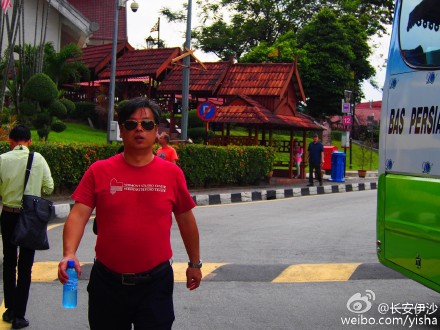
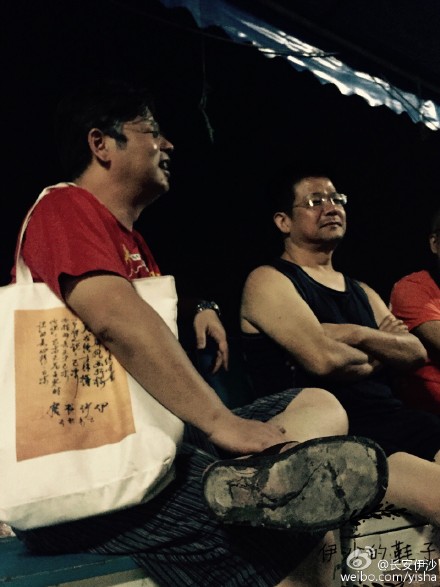

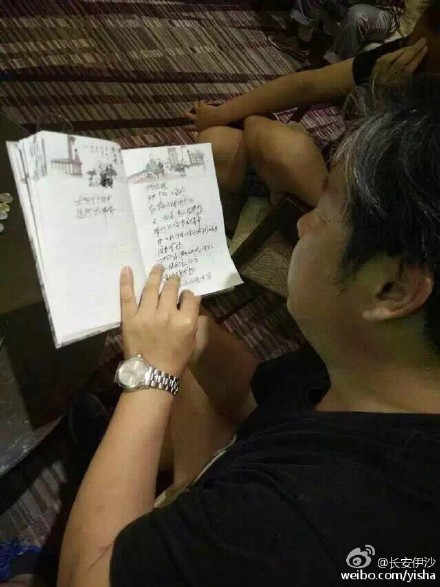


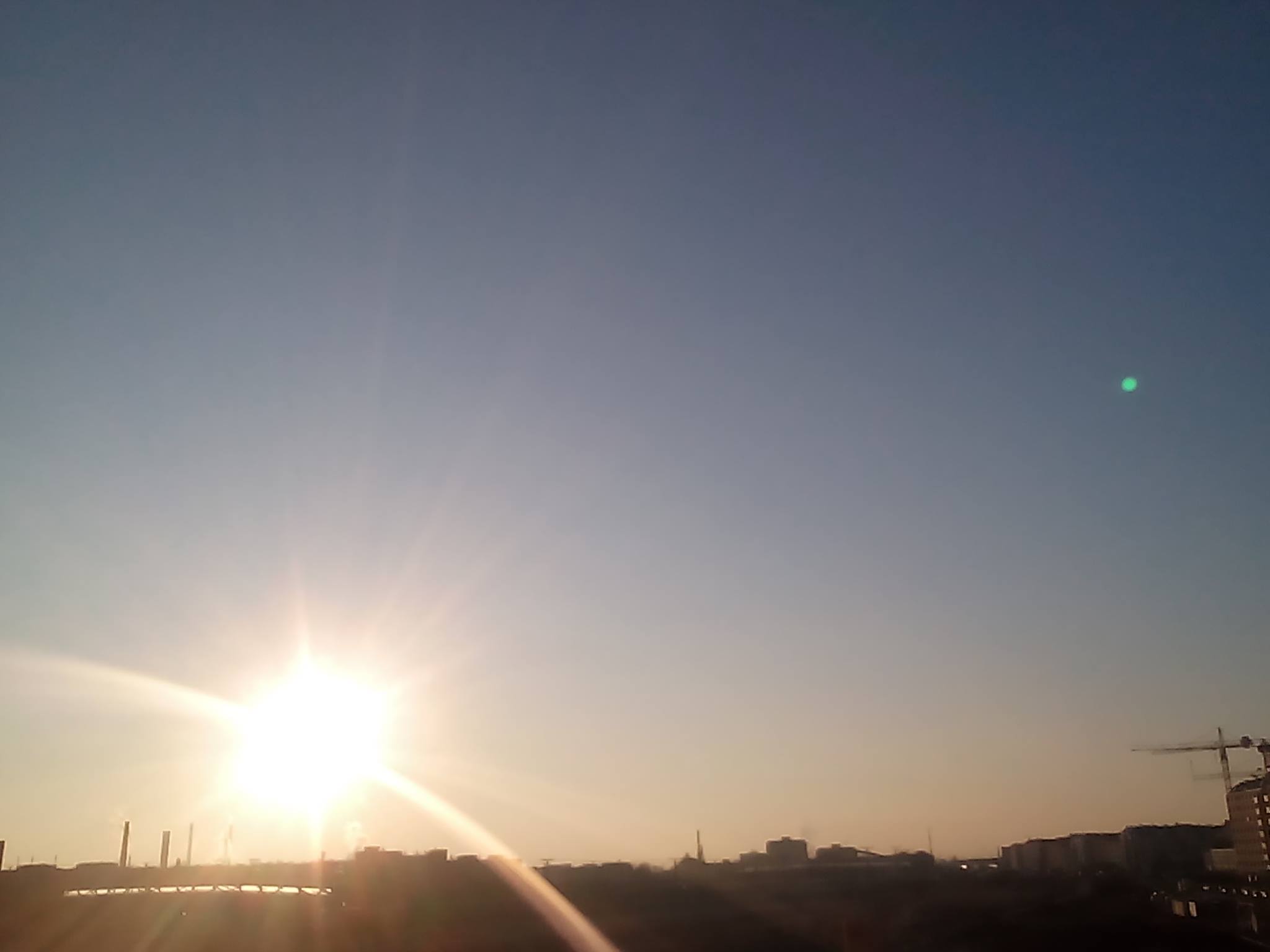


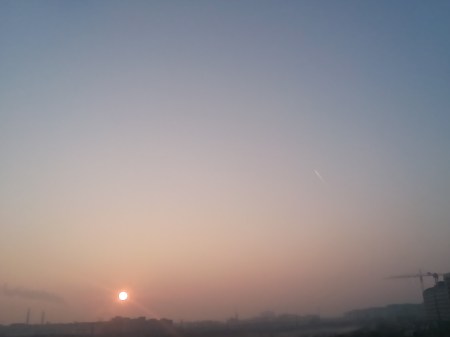
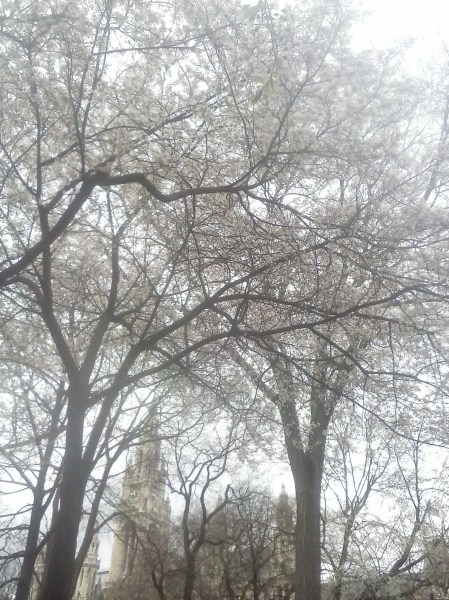

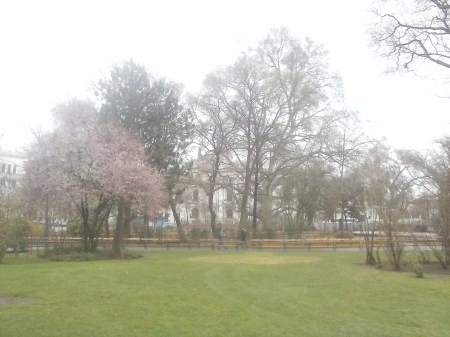


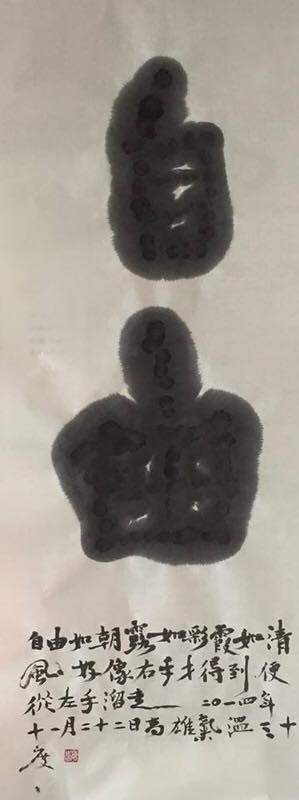
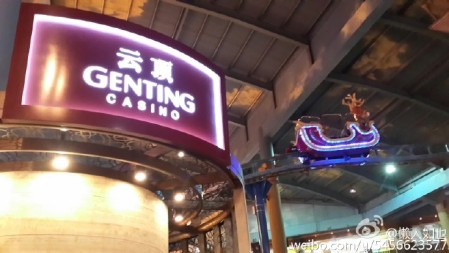
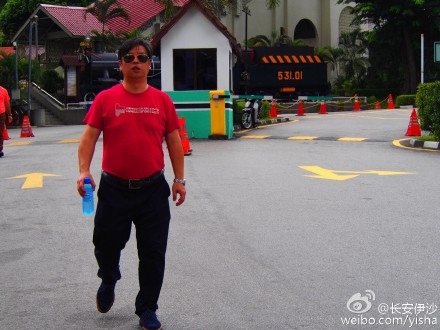
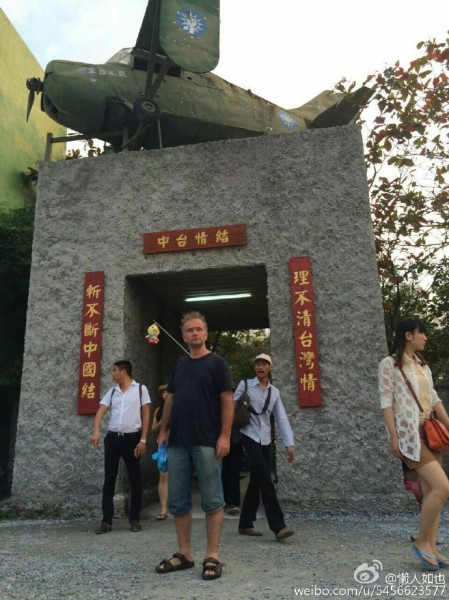
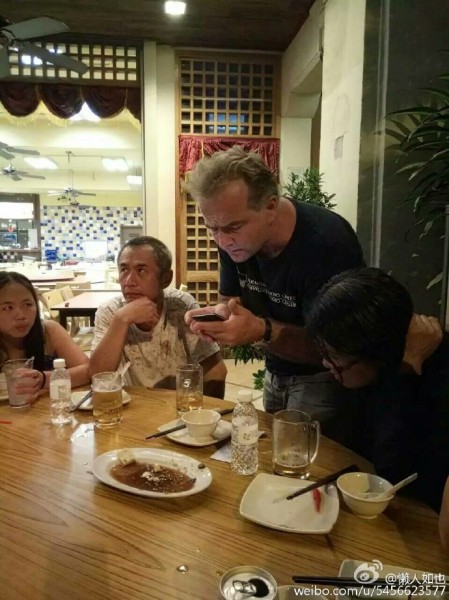
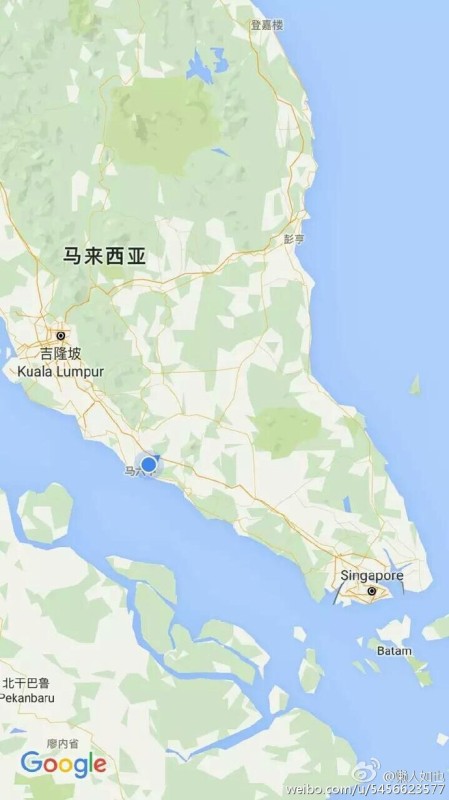
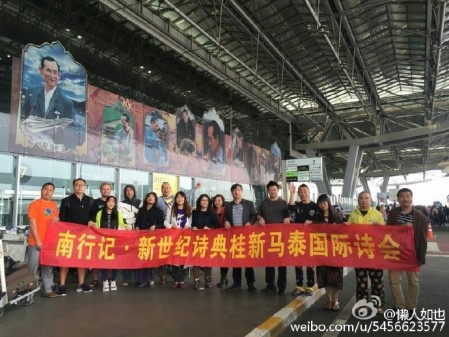
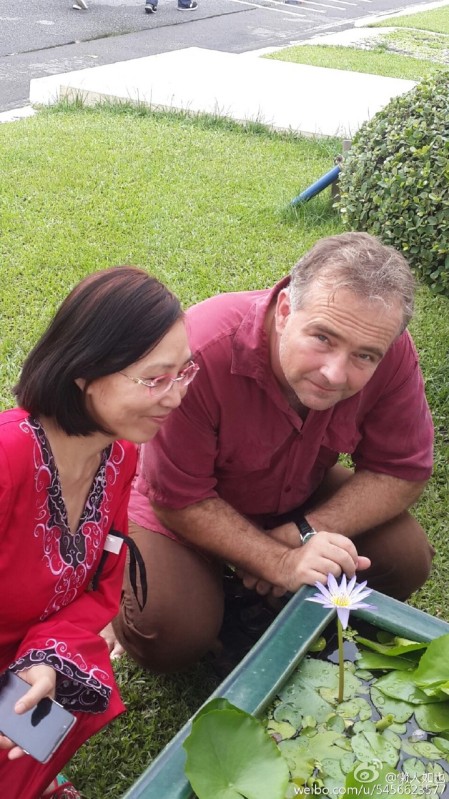

















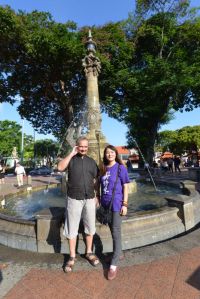


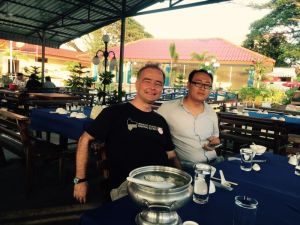


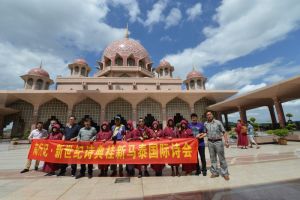

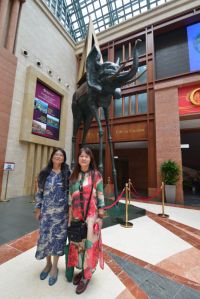


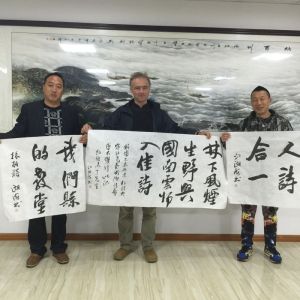




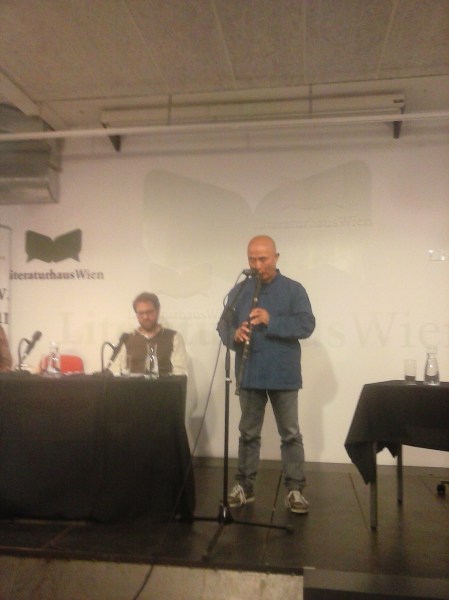
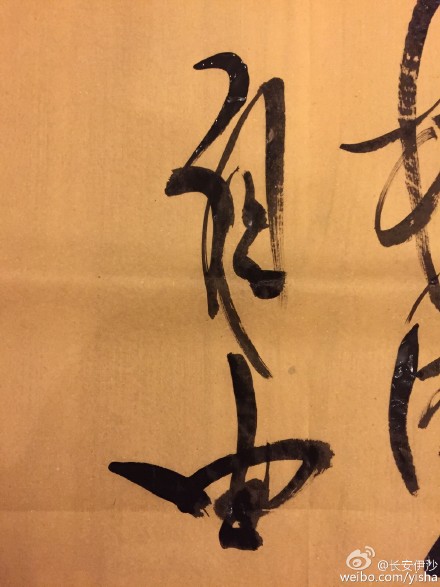

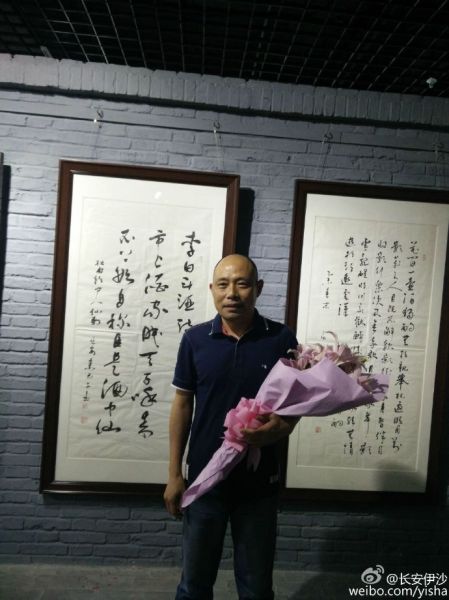


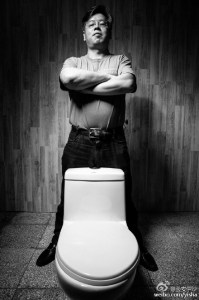


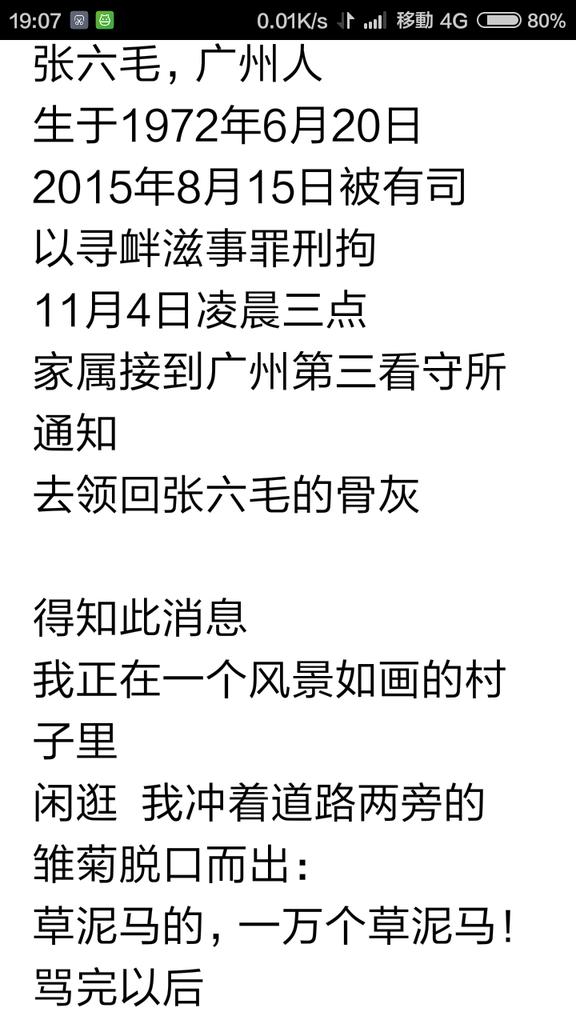

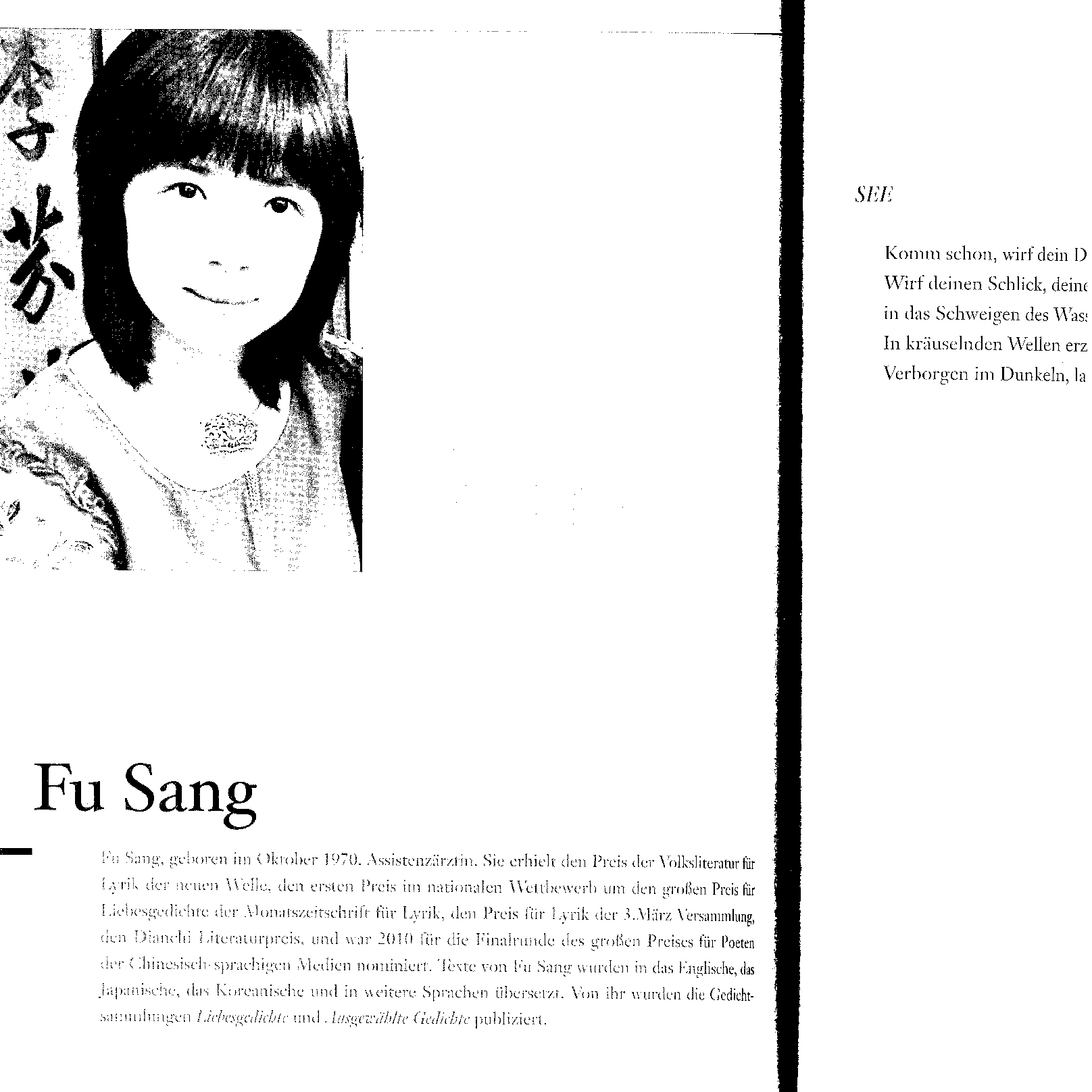
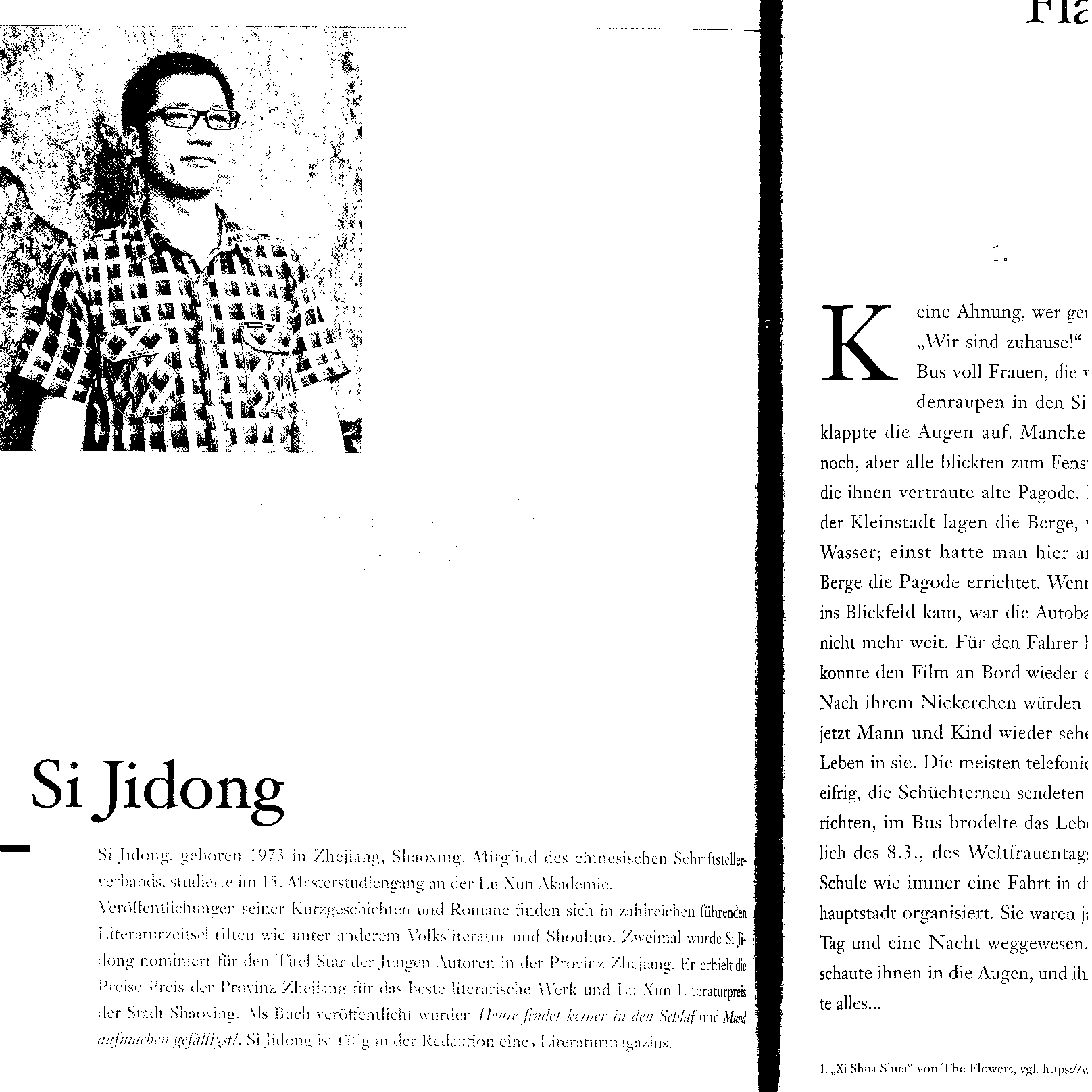
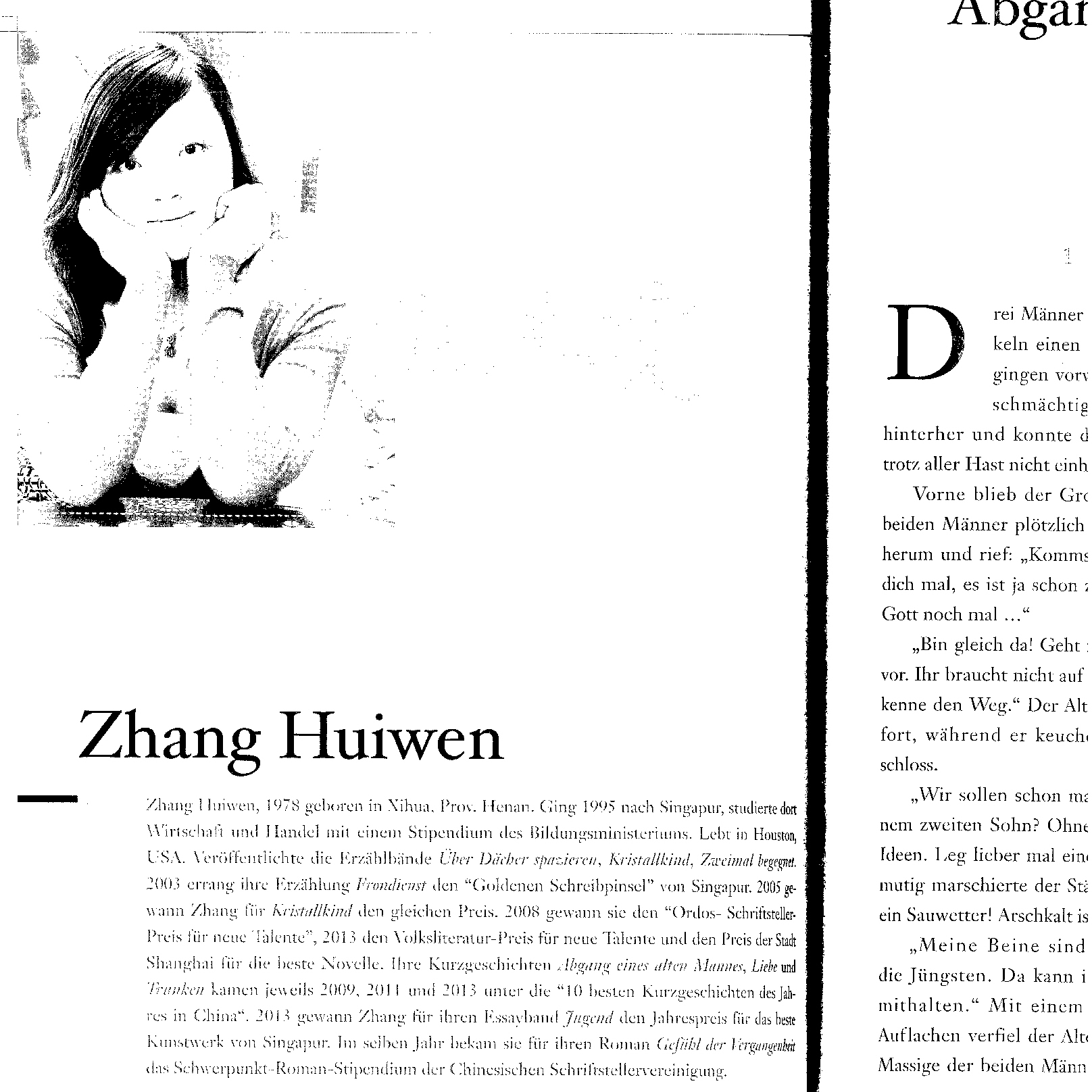
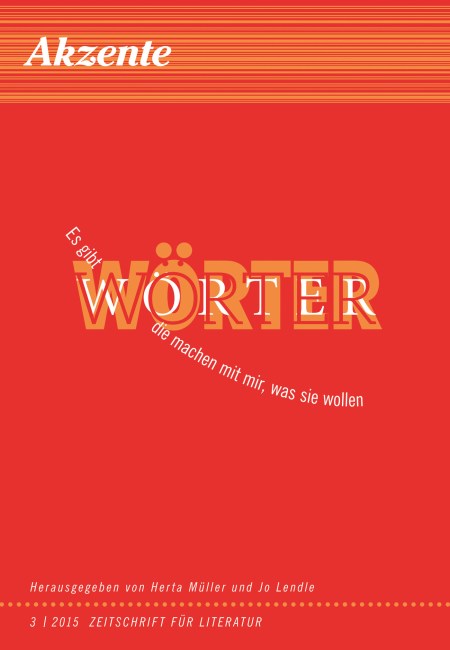


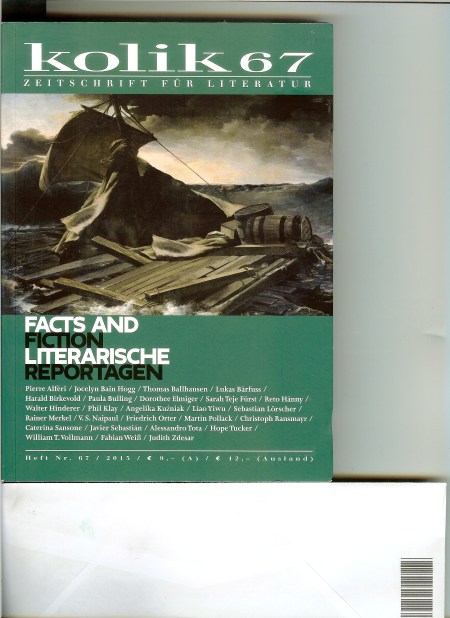

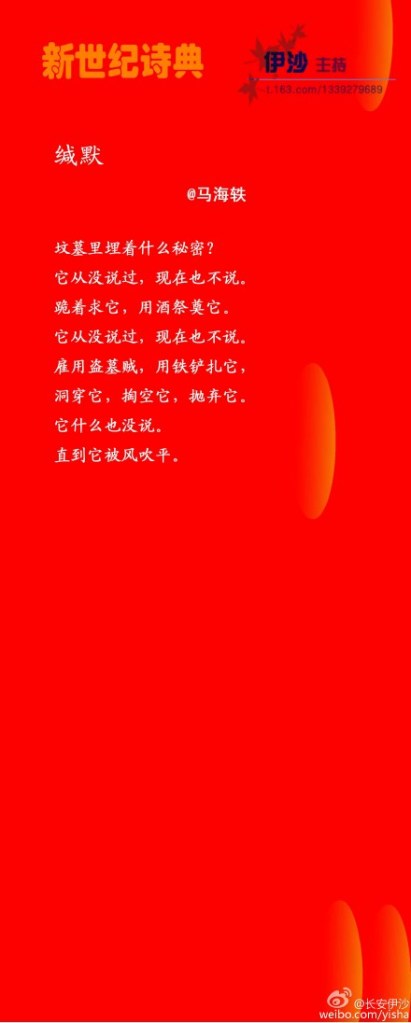

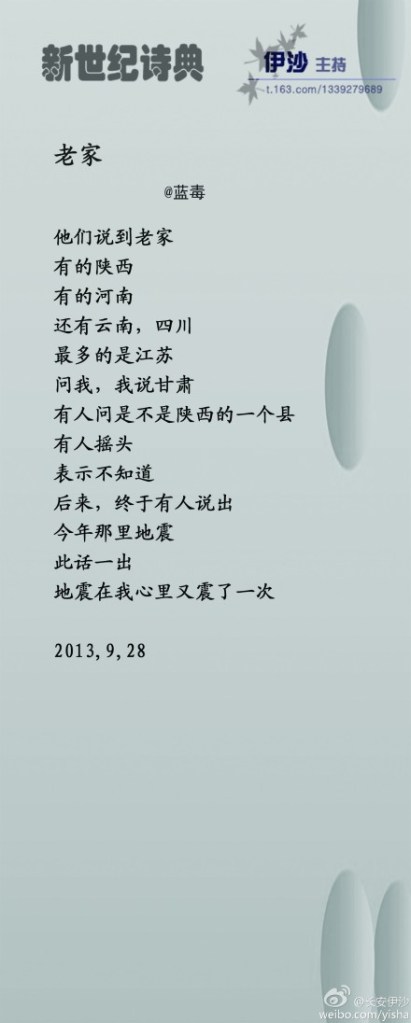
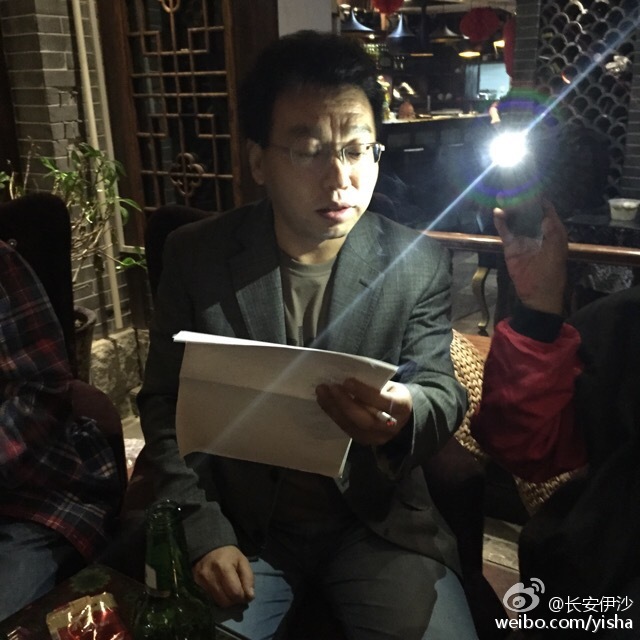


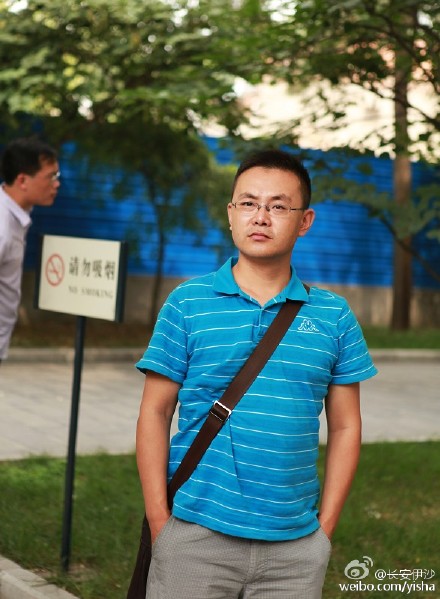
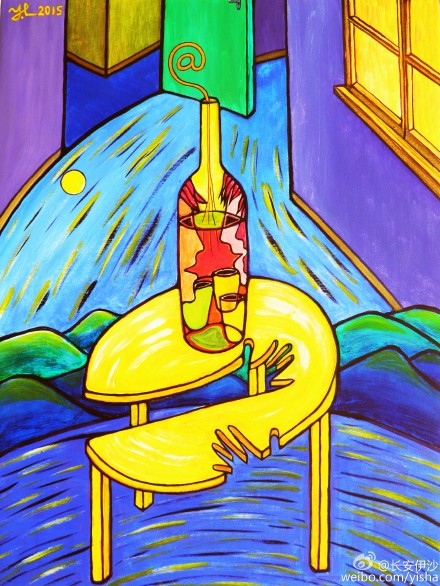

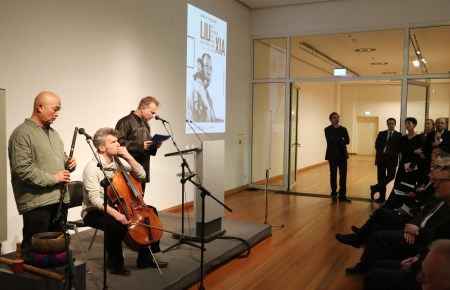
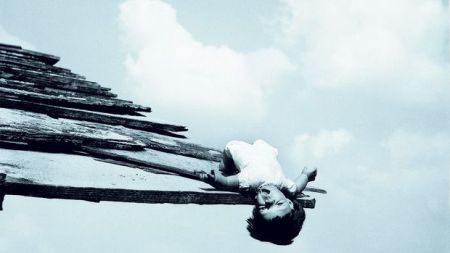
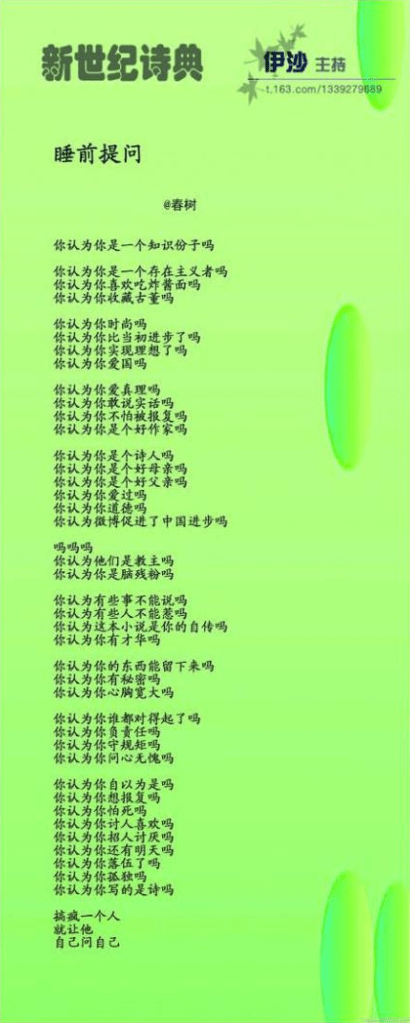
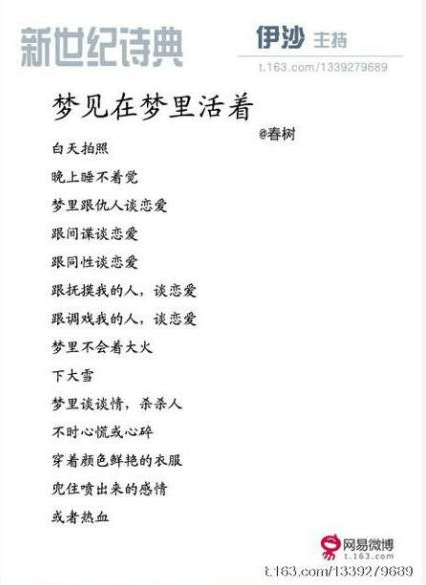
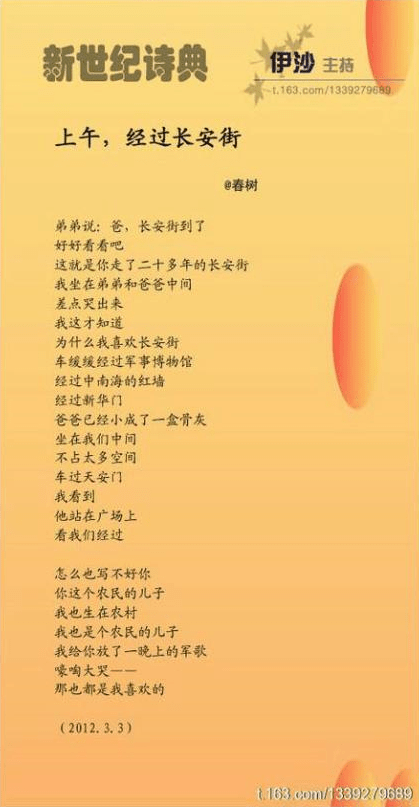
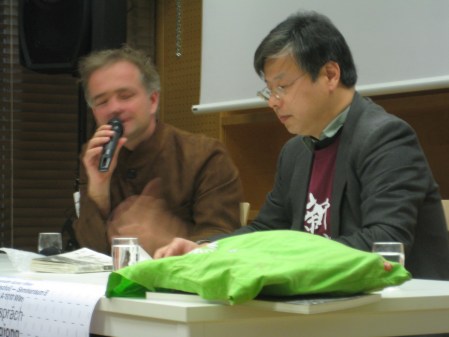
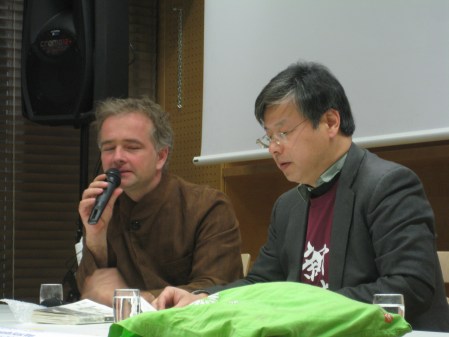
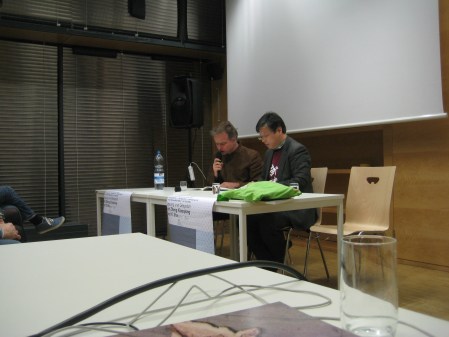
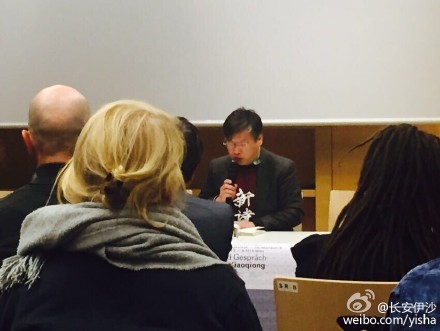
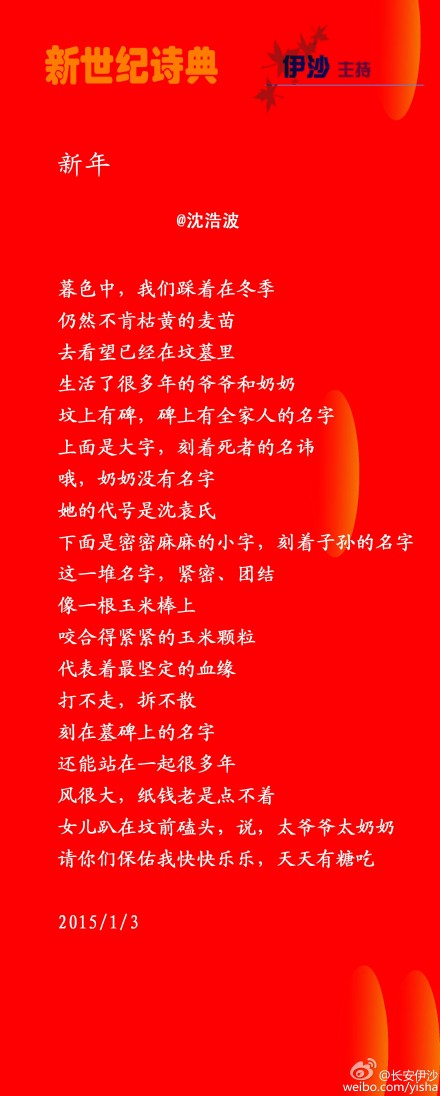
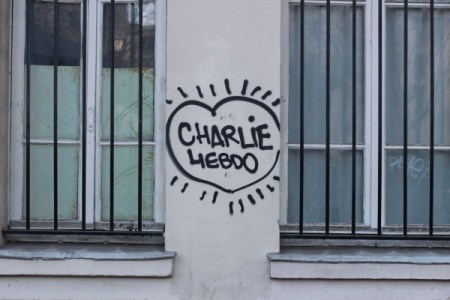
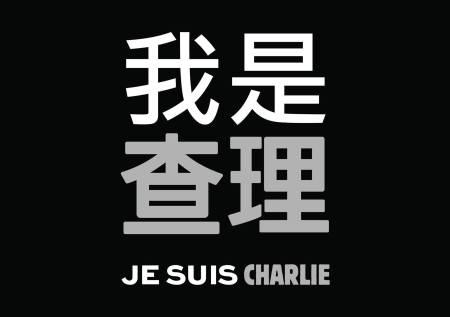

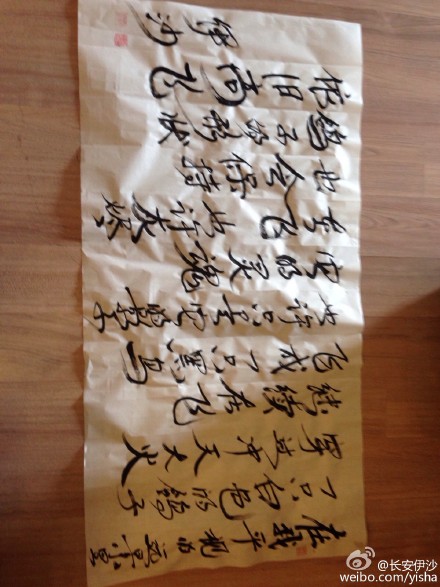
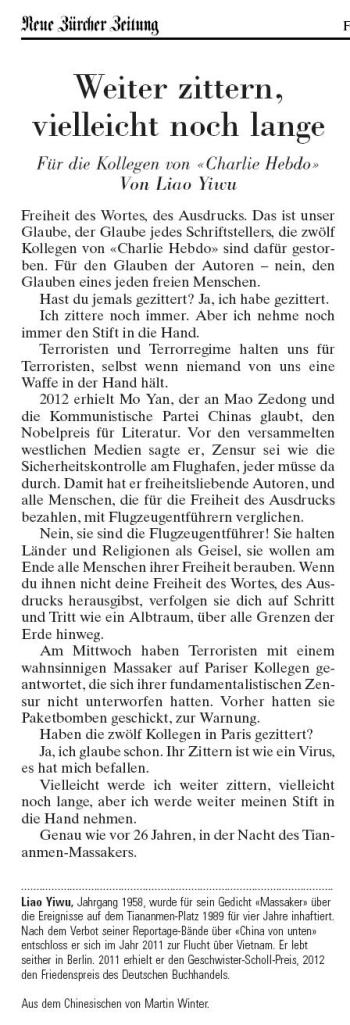


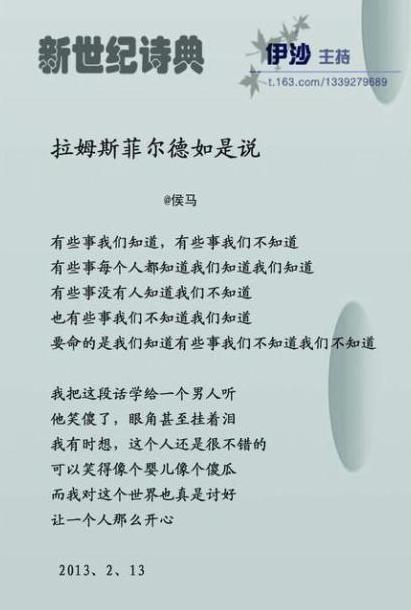


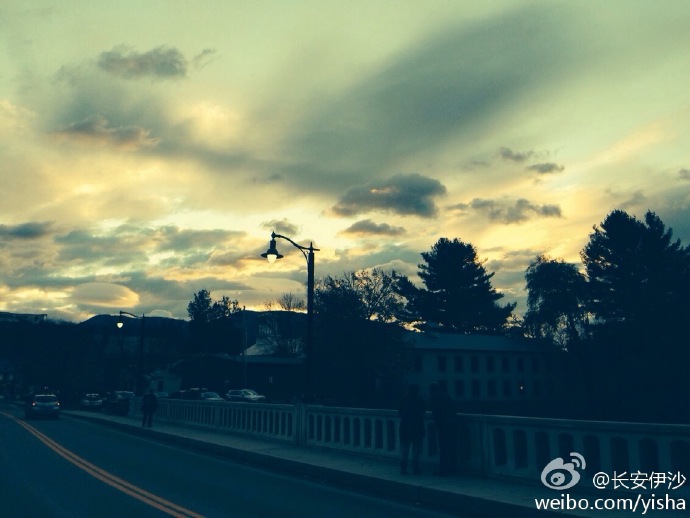


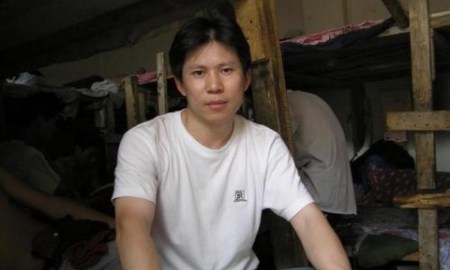





 中国大好き
中国大好き 